
 한국어
한국어 English
 日本語
日本語 中文(简体)
 Viewing now
Diamicron MR 60 mg (Gliclazide)
Gliclazide 60mg
Tablet · Prescription medication
Korea Servier Co., Ltd.
MFDS item code 201004772 · Approved 2010.07.30 · Insurance code 676300120
Improvement in blood sugar control in type 2 diabetes
This medication is used for patients with type 2 diabetes who do not achieve sufficient results from diet and exercise alone. It helps control blood sugar levels and contributes to stabilizing blood sugar levels, supporting healthy blood sugar management.
Adults: Gliclazide 30~120 mg orally, once daily in the morning, adjusting dose based on blood sugar levels. It is recommended to swallow the tablet whole without crushing or chewing. In case of missed doses, do not increase the next day's dose. The initial recommended dose is 30 mg/day. If blood sugar control is not satisfactory, the dose may be gradually increased to 60, 90, or 120 mg at least every month.
This drug is a sulfonylurea that lowers blood sugar, but it carries a risk of hypoglycemia, so caution is needed. In particular, severe hypoglycemia can lead to coma, so strict adherence to dosages is necessary. This drug should not be administered to patients with diabetic ketoacidosis, diabetic coma, type 1 diabetes, severe liver or kidney function impairment, patients with severe infections or post-operative patients, or those with gastrointestinal disorders. Additionally, it should not be used in patients with known allergic reactions to this drug or similar drugs, pregnant or breastfeeding women, or patients with certain genetic lactose metabolism disorders. Caution should also be exercised in patients who are uncooperative, elderly, suffer from mild to moderate kidney or liver function impairment, certain endocrine disorders, poor nutritional status or irregular eating habits, vigorous exercisers, or excessive drinkers as they are at a higher risk for hypoglycemia. During treatment, watch for symptoms of hypoglycemia such as weakness, headache, confusion, sweating, palpitations, and consume carbohydrates immediately if symptoms occur. Immediate medical care is necessary for severe hypoglycemia, and in some cases, hospitalization may be required. This drug may also cause side effects such as hematological abnormalities, liver dysfunction, gastrointestinal symptoms, skin rashes, temporary visual disturbances, so consult healthcare professionals if these symptoms occur. This drug is used when diet and exercise do not provide sufficient effectiveness, and regular checks of blood sugar and urine sugar should be conducted to monitor effectiveness and side effects. Moreover, this drug can interact with multiple medications, so inform your healthcare professional of any other drugs you are taking. Particularly, it should not be used concurrently with drugs such as miconazole, and alcohol intake should also be avoided. Pregnant or potentially pregnant women and breastfeeding mothers should not use this medication, and safety in children has not been established. Elderly patients are at higher risk for hypoglycemia and should be administered with greater caution and undergo regular testing. In cases of overdose, symptoms of hypoglycemia may occur, so immediate emergency treatment should be sought, as self-treatment can be dangerous. While taking this medication, caution should be exercised regarding hypoglycemic symptoms when driving or operating machinery, and it should be stored out of reach of children.
Hives, severe swelling (edema), tightness in the chest, difficulty breathing, cold sweat, pallor, severe allergic reactions, severe rashes with fever, blisters, skin peeling, pain in oral/ocular mucosa, severe skin reactions, difficulty or shortness of breath, asthma attacks, respiratory problems accompanied by coughing and fever, skin or eyes turning yellow (jaundice), severe lethargy, liver dysfunction (jaundice), sudden
Not everyone experiences these, and they can vary from person to person.
This medication should be stored in a tightly closed container to protect it from air and moisture. It is important to maintain storage temperatures between 1 and 30 degrees Celsius.
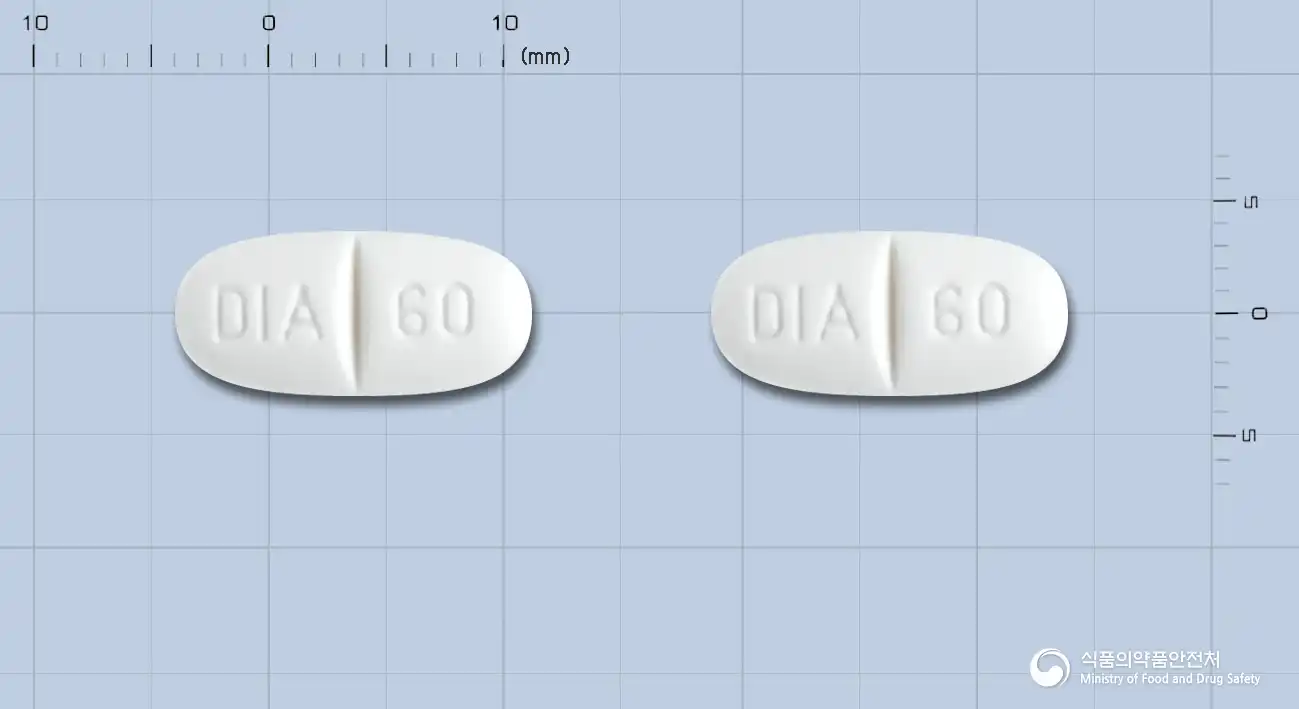
White, oval extended-release tablet with a score line marked “DIA60" on both sides.
90 tablets (15 tablets/PTP x 6)
Even with the same ingredient, strength, dosage form and how it is taken can differ.
Viewing nowGliclazide 60mg
Tablet · Prescription medication
Korea Servier Co., Ltd.
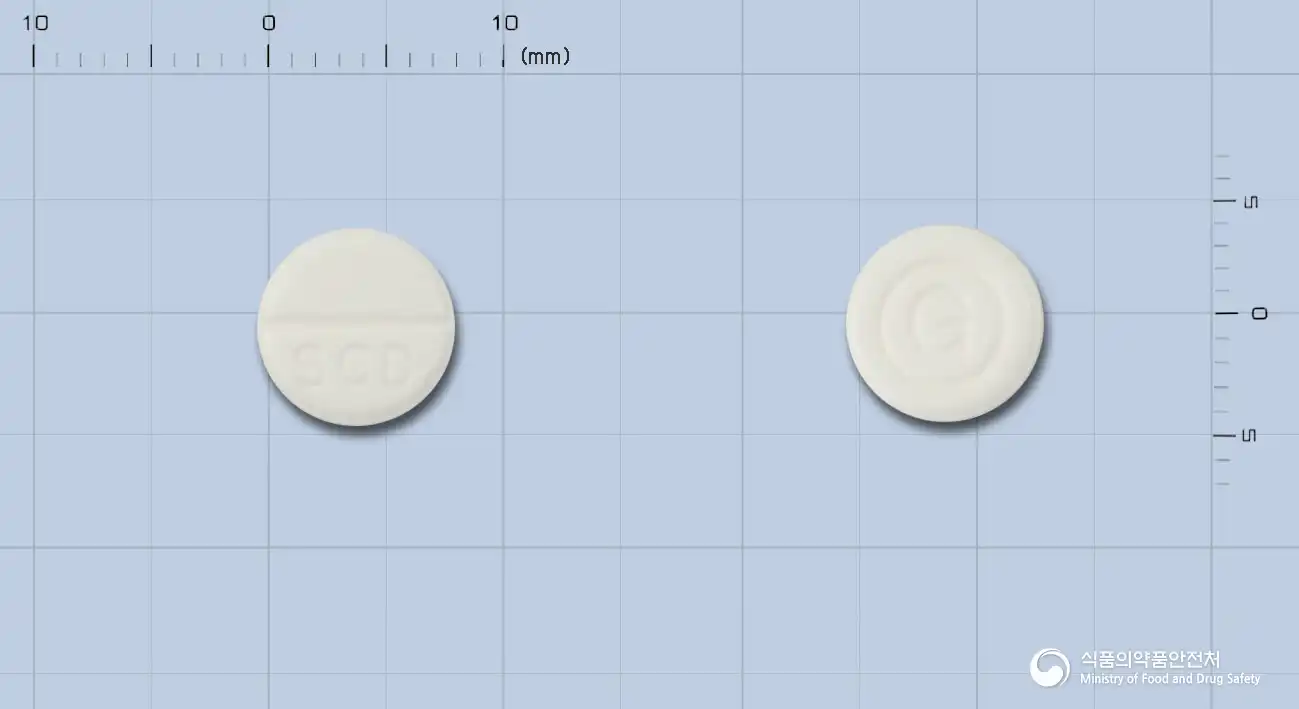
Gliclazide 80mg
Tablet · Prescription medication
(Samchundang Pharmaceuticals Co., Ltd.)
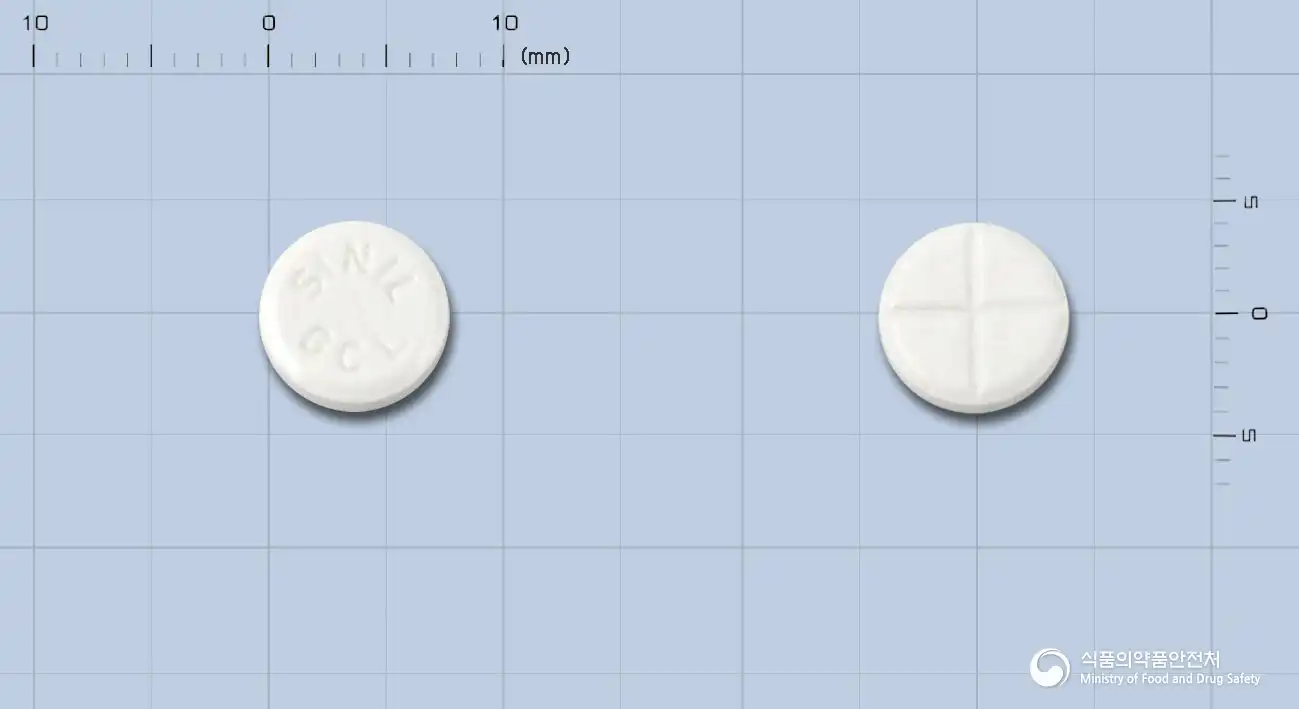
Gliclazide 80mg
Tablet · Prescription medication
(Shinil Pharmaceutical Co., Ltd.)
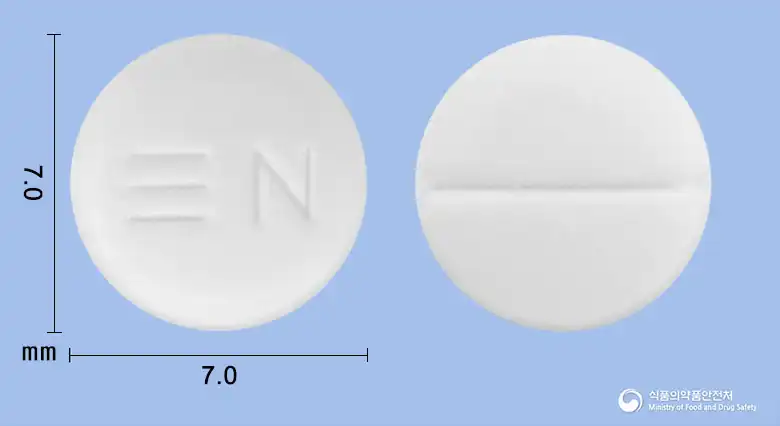
Gliclazide 80mg
Tablet · Prescription medication
(Samnam Pharmaceutical Co., Ltd.)
Gliclazide 80mg
Tablet · Prescription medication
SK Chemicals Co., Ltd.
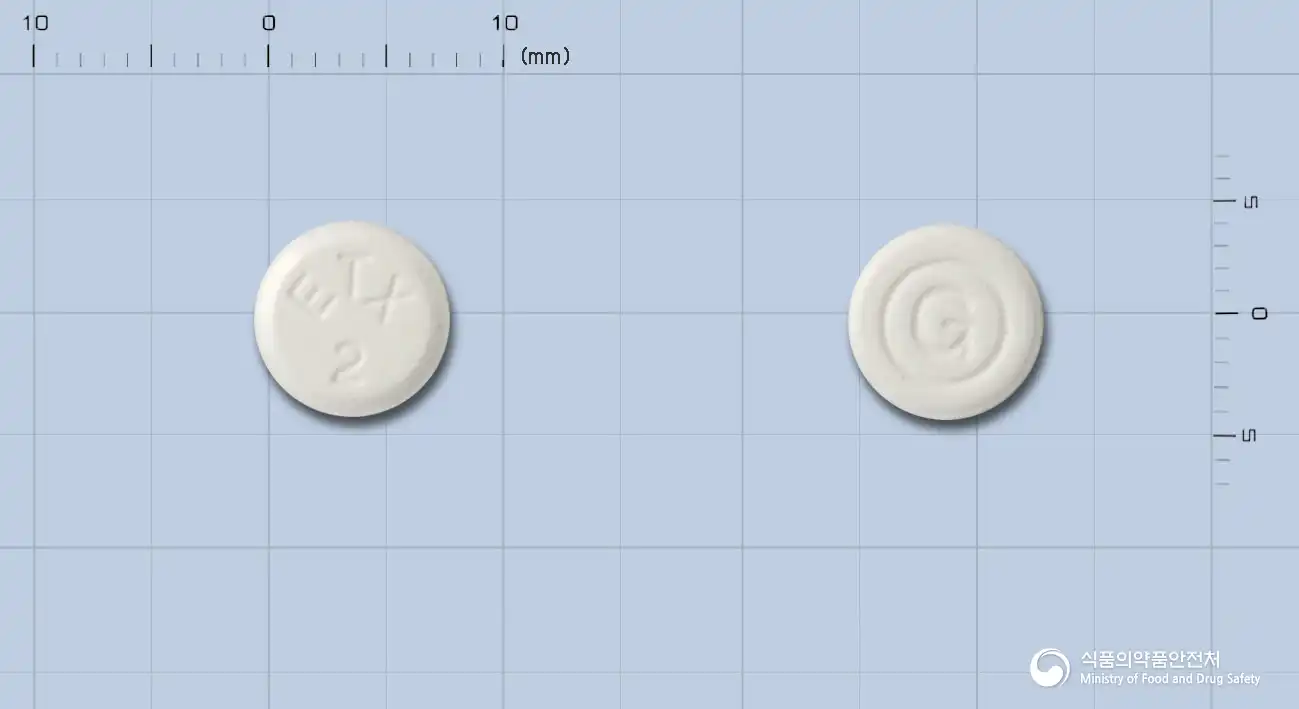
Gliclazide 80mg
Tablet · Prescription medication
Teragen Itex Co., Ltd.
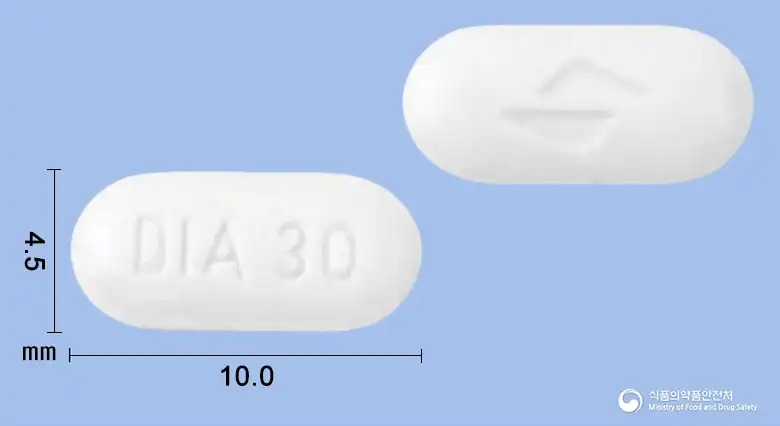
Gliclazide 30mg
Tablet · Prescription medication
Korea Servier Co., Ltd.
Even with the same ingredient, the dose and directions can differ by strength and dosage form. Talk to a doctor or pharmacist before switching from a medication you are already taking.
No questions yet.
For anything that needs medical judgment, consult a doctor or pharmacist.
This drug information is based on data provided by the Korea Ministry of Food and Drug Safety.
Consult a doctor or pharmacist for accurate dosage, administration, and usage instructions.