
 한국어
 English
 日本語
 中文(简体)
 Viewing now
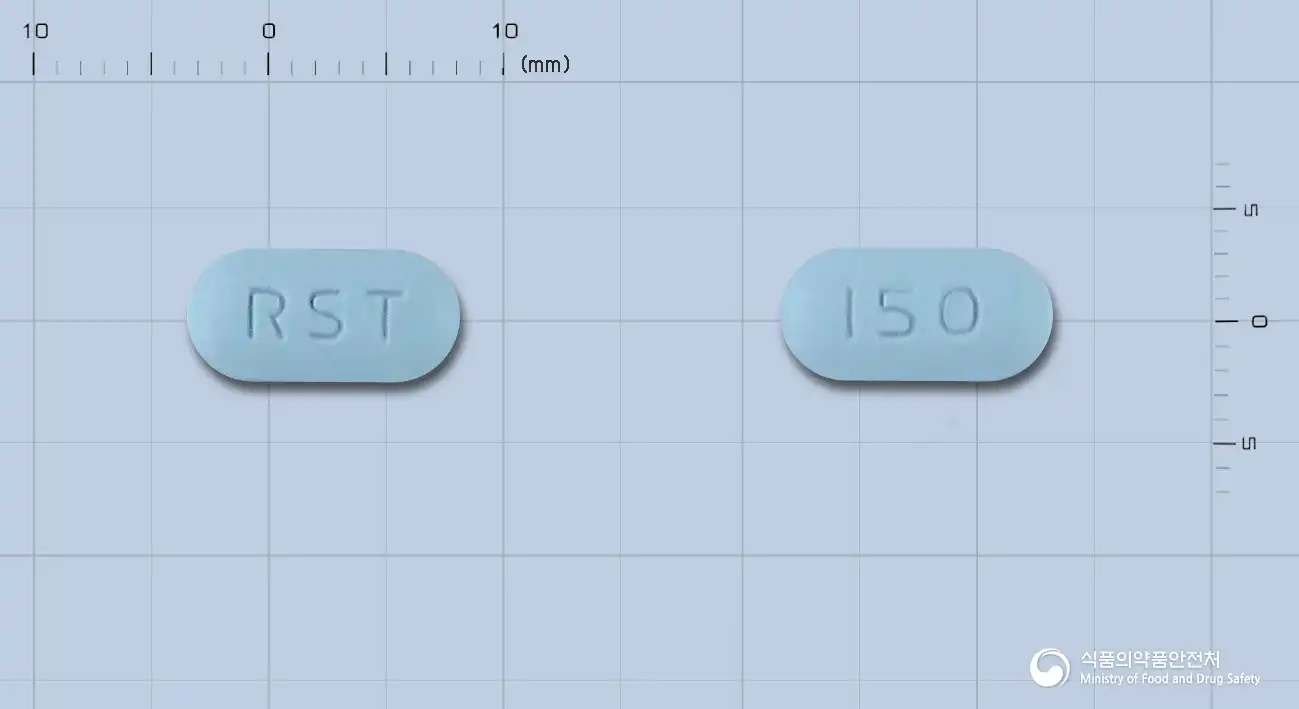
Riseto Tablets 150 mg (Risedronate Sodium 2.5 Hydrate)
Risedronate Sodium 2.5 Hydrate 172.1mg
Tablet · Prescription medication
Alvogen Korea Co., Ltd.
MFDS item code 201003398 · Notified 2010.05.07 · Insurance code 652602900
Treatment and prevention of osteoporosis in postmenopausal women
This medication is used for the treatment and prevention of osteoporosis in postmenopausal women.
1. Adults : Administer 150 mg of risedronate sodium orally once a month. 2. Older adults : No dosage adjustment is necessary in older adults (over 60 years of age), because the bioavailability and pharmacodynamics of this medication are similar to those in younger people. 4. Patients with renal impairment : No dosage adjustment is necessary for patients with a creatinine clearance of 30 mL/min or higher. This medication is contraindicated in patients with severe renal impairment and a creatinine clearance below 30 mL/min. ○ Food interferes with the absorption of this medication. For adequate absorption, take it at least 30 minutes before the first food or beverage other than water of the day. To help this medication reach the stomach easily and reduce the possibility of esophageal irritation, take it in an upright position with a sufficient amount of plain water (170 ∼ 230 mL). Taking it with other beverages, including mineral water, may reduce its absorption. Do not chew or suck this medication because of the possibility of oropharyngeal ulceration. Patients should not lie down for at least 30 minutes after taking it. ○ If a patient forgets to take this medication on the scheduled day, follow these instructions. - If the next scheduled dose is at least 7 days away, take 1 tablet the next morning after remembering. Resume taking the medication on the originally scheduled day for the next dose. Do not take more than 1 tablet of this medication within 7 days. - If the next scheduled dose is within 7 days, wait until the originally scheduled day and then take 1 tablet.
3. Pediatric patients : The safety and efficacy in pediatric patients under 18 years of age have not been established.
This medication may irritate the gastrointestinal mucosa, and patients with diseases of the esophagus or stomach should use it with caution. If symptoms such as esophagitis, esophageal ulcer, or esophageal erosion occur, discontinue use immediately and consult a doctor. Take the medication with a sufficient amount of water and do not lie down for at least 30 minutes after taking it. If esophageal irritation symptoms occur or the method of taking the medication is not followed, serious esophageal problems may arise. Furthermore, this medication should not be administered to individuals with certain esophageal diseases, hypocalcemia, severe renal impairment, or women who are pregnant or breastfeeding. Individuals with lactose intolerance should also avoid taking this medication. This medication contains a dye called Yellow No. 5, so caution is advised for those allergic to this dye. Various side effects such as infections, back pain, headaches, indigestion, nausea, and joint pain may occur, and patients should inform a doctor if any unusual symptoms arise. It is important to consume sufficient calcium and vitamin D, and it is advisable to avoid taking other medications or foods containing calcium or magnesium simultaneously while on this medication. Women who are pregnant or breastfeeding should not take this medication and should consult a doctor if necessary. Children and the elderly should also take precautions when using this medication, and in case of overdose, contact a medical institution immediately for appropriate treatment. This medication must be taken in the correct manner according to a doctor's instructions, and if uncomfortable symptoms arise during use, it is important to consult a specialist immediately.
Not everyone experiences these, and they can vary from person to person.
This medication should be stored in a tightly sealed container to prevent air exposure, at a temperature between 1 degree and 30 degrees Celsius. Proper storage ensures the medication's effectiveness and safe use.
Bright blue rectangular film-coated tablet
1 tablet/PTP
Even with the same ingredient, strength, dosage form and how it is taken can differ.
Viewing nowRisedronate Sodium 2.5 Hydrate 172.1mg
Tablet · Prescription medication
Alvogen Korea Co., Ltd.
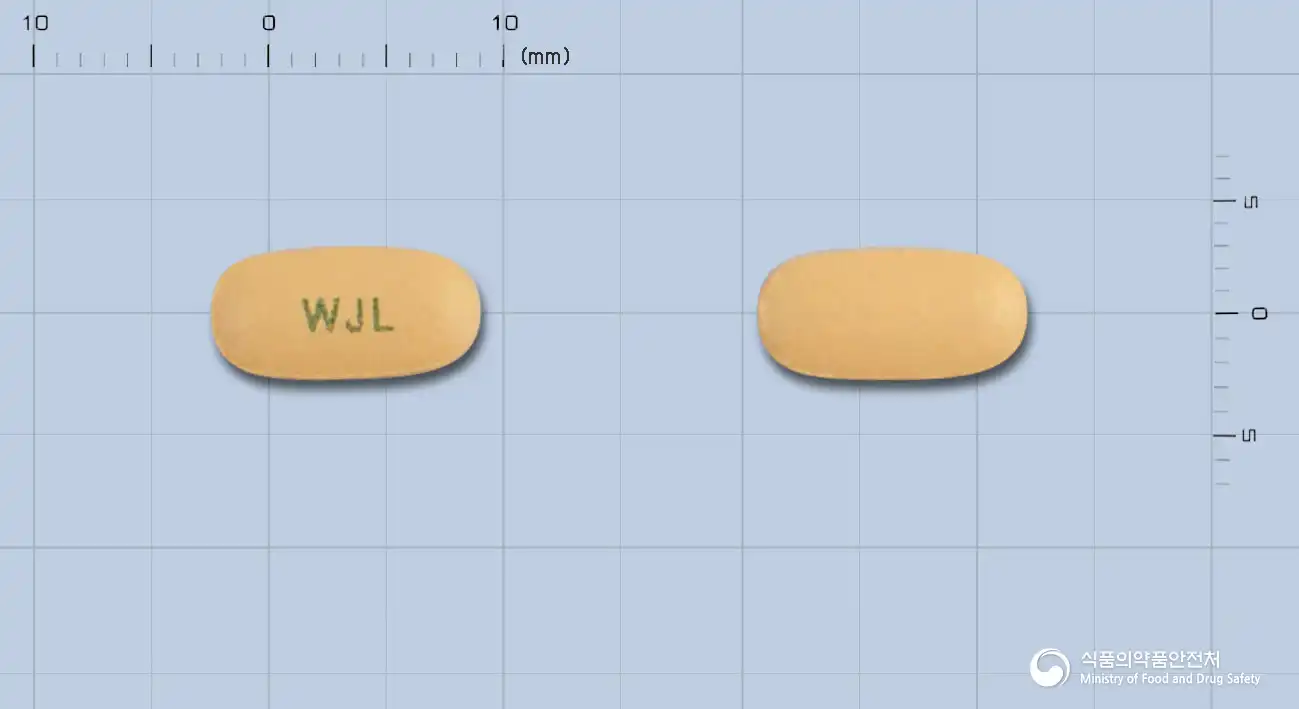
Risedronate Sodium 2.5 Hydrate 40.17mg
Tablet · Prescription medication
Austin Pharmaceutical Co., Ltd.
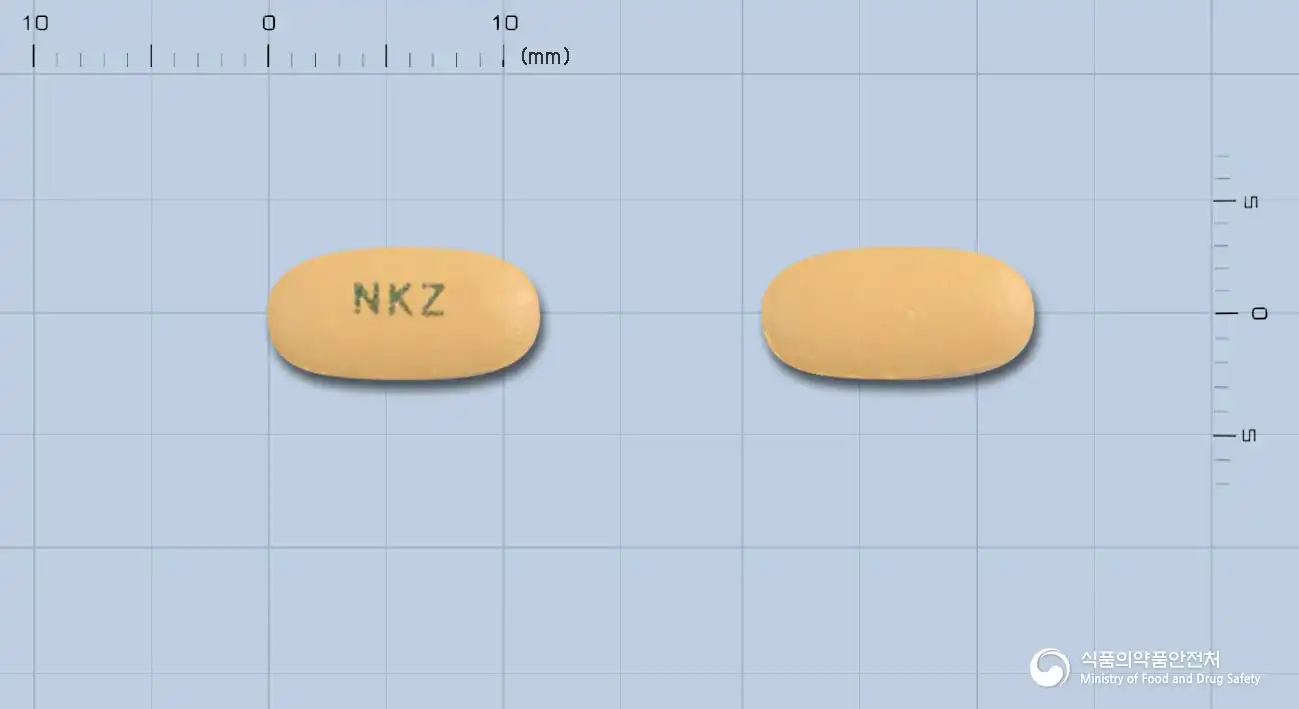
Risedronate Sodium 2.5 Hydrate 40.17mg
Tablet · Prescription medication
Nexpam Korea Co., Ltd.
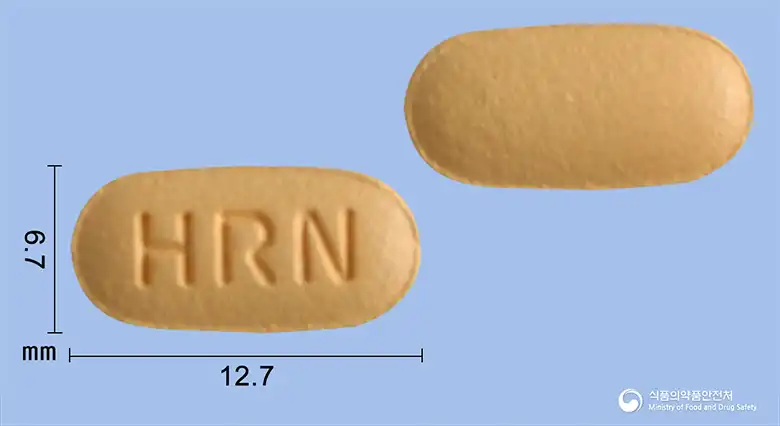
Risedronate Sodium 2.5 Hydrate 35mg
Tablet · Prescription medication
Hyutecs Pharmaceutical Co., Ltd.
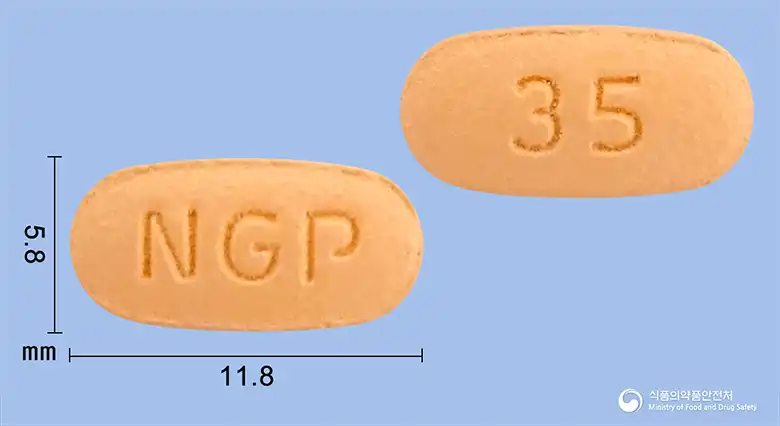
Risedronate Sodium 2.5 Hydrate 40.2mg
Tablet · Prescription medication
Celix Co., Ltd.
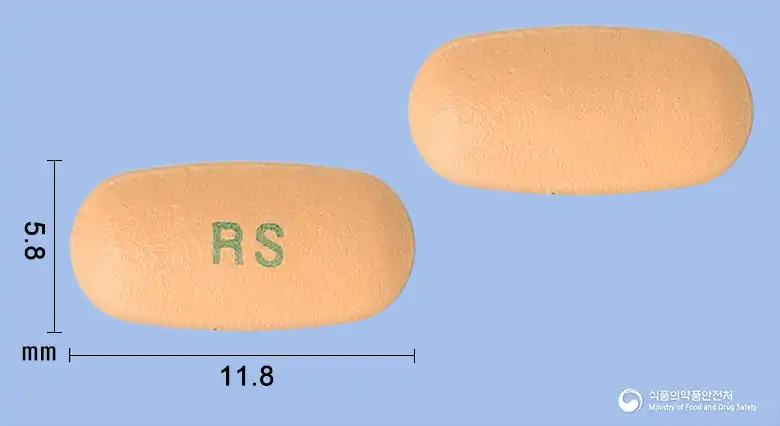
Risedronate Sodium 2.5 Hydrate 40.17mg
Tablet · Prescription medication
Myeongmun Pharmaceutical Co., Ltd.
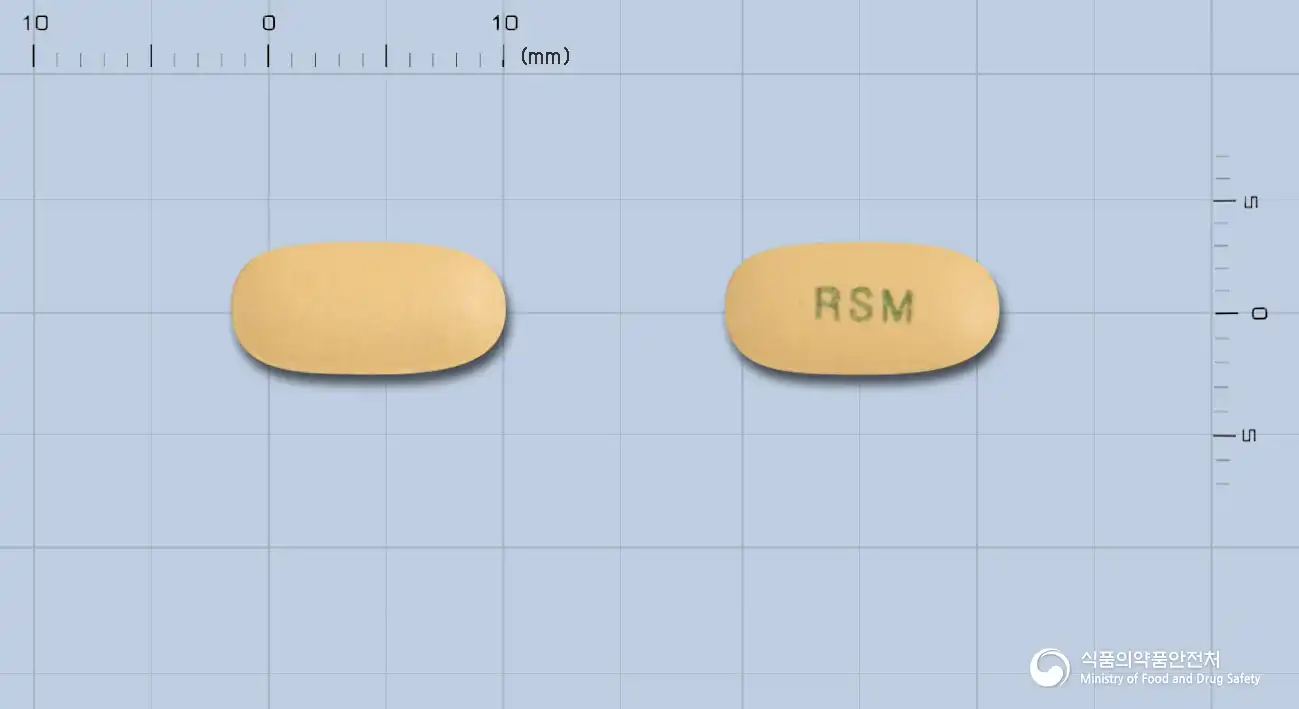
Risedronate Sodium 2.5 Hydrate 40.17mg
Tablet · Prescription medication
Korea United Pharmaceutical Co., Ltd.
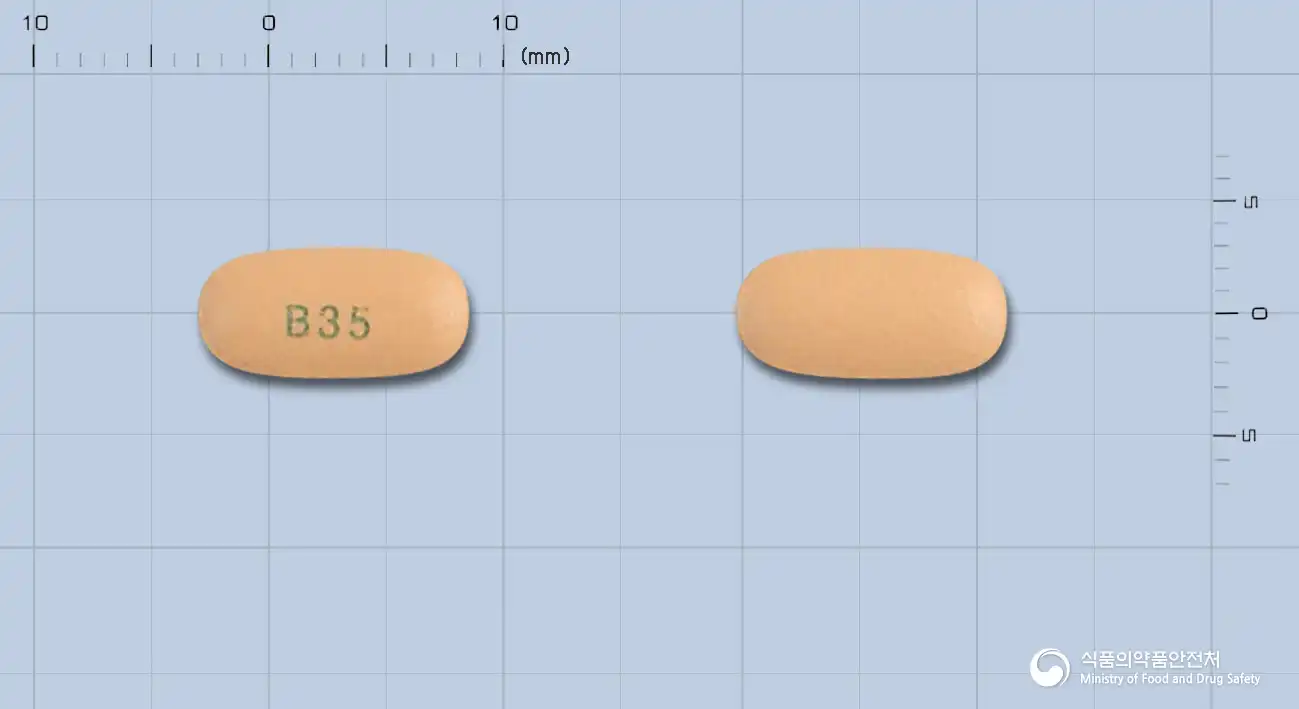
Risedronate Sodium 2.5 Hydrate 40.17mg
Tablet · Prescription medication
Shinpoong Pharmaceutical Co., Ltd.
Even with the same ingredient, the dose and directions can differ by strength and dosage form. Talk to a doctor or pharmacist before switching from a medication you are already taking.
No questions yet.
For anything that needs medical judgment, consult a doctor or pharmacist.
This drug information is based on data provided by the Korea Ministry of Food and Drug Safety.
Consult a doctor or pharmacist for accurate dosage, administration, and usage instructions.