
 한국어
 English
 日本語
 中文(简体)
Dosage form image
Viewing nowNicopripatch (Nicotine)
Nicotine 57mg
Patch · OTC medication
Daewoong Pharmaceutical Co., Ltd.
MFDS item code 201003178 · Approved 2010.04.30
Smoking cessation support therapy
This medication is used as an adjunct therapy to aid in smoking cessation. It helps individuals who are determined to quit smoking reduce nicotine dependence and alleviate withdrawal symptoms. This in turn contributes to an increased success rate in quitting smoking and improving health.
Adults: Apply 1 patch once daily to a hairless area of the body (such as the inner arm or buttock), changing the application site each day. Nicotine Patch 30 is generally intended for smokers who smoke 20 or more cigarettes per day, and Nicotine Patch 20 is intended for smokers who smoke up to 20 cigarettes per day. Nicotine Patch 10 is used in the final stage to reduce nicotine replacement. The following regimen is generally used. - Heavy smokers: Start with Nicotine Patch 30, followed by Nicotine Patch 20, and then Nicotine Patch 10, applying each for 4 weeks. - Moderate smokers: Apply Nicotine Patch 20 for 8 weeks, followed by Nicotine Patch 10 for 4 weeks. Treatment should not exceed 3 months.
This medication should only be used by individuals who are firmly committed to quitting smoking. Continuing to smoke while using this medication increases the risk of cardiovascular problems. Individuals who are allergic to nicotine or other ingredients in this medication should not use it. Those with chronic skin conditions or sensitive skin should also avoid using this medication. Individuals with severe heart disease or vascular disease, or those who have recently experienced a heart attack should not use this medication. Those with a history of stroke or cerebrovascular issues should also avoid it. Pregnant women should not use this medication as it may harm the fetus. Nursing mothers should refrain from using this medication as it can transfer nicotine to the baby. Children and adolescents under 18 should not use this medication as safety and efficacy have not been established. Non-smokers or occasional smokers should also not use this medication. Individuals with gastrointestinal disorders, heart disease, hypertension, or diminished kidney or liver function must consult a doctor or pharmacist before using this medication. People with diabetes need to be cautious as insulin dosage adjustments may be required after quitting smoking. Those with hyperthyroidism or specific hormone tumors should also consult a specialist. If symptoms such as dizziness, headaches, anxiety, skin rash, or breathing difficulties occur while using this medication, discontinue use immediately and consult a specialist. Red spots or itching may develop on the skin; while most cases are temporary, treatment should be discontinued if severe. Applying multiple patches at once can lead to nicotine overdose, so only one patch should be used at a time. Nicotine is extremely dangerous to children, so this medication should be stored out of their reach. During smoking cessation, the effects of other medications taken alongside this product may change, so inform your doctor or pharmacist, as adjustments may be necessary. In the event of overdose, remove all patches immediately and wash the skin thoroughly; severe cases may require medical treatment. This medication must be removed before undergoing MRI scans to avoid skin burns, so consult a specialist before the examination. When storing, keep this medication in a sealed container away from direct sunlight, in a cool and dry place, and out of reach of children. It should not be transferred to another container to maintain its quality.
Dizziness, headache, sleep disturbances, anxiety, emotional instability, restlessness, abnormal dreams, confusion, agitation, concentration difficulties, fatigue, migraine, spasms, leg cramps, changes in blood pressure, hypertension, palpitations, nausea, abdominal pain, dyspepsia, constipation, diarrhea, vomiting, gastric ulcer, dysphagia, bowel irregularities, increased appetite, symptoms of cold and influenza, cough, pharyngitis, rhinitis, sinusitis, upper respiratory symptoms, bronchitis, dyspnea, erythema, edema, allergy, rash, herpes rash, itching, hives, acne, skin depigmentation, taste disturbance, visual disturbances, dysmenorrhea, myalgia, arthralgia, toothache, abdominal pain, chest pain, pain, otalgia, facial flushing, localized edema, weight gain, dry mouth, swelling, gingivitis, thyroid dysfunction, lymphadenopathy, cystitis, increased sweating, pallor, sweating, excessive salivation, nausea, vomiting, abdominal cramps, abdominal pain, diarrhea, headache, dizziness, auditory and visual disturbances, tremors, mental confusion, muscle weakness, neuropathic response disorders, hypotension, weak and irregular pulse, circulatory failure, convulsions, weakness, dyspnea, convulsions, peripheral and central respiratory paralysis, heart failure
Not everyone experiences these, and they can vary from person to person.
Consult a doctor or pharmacist before using this medication in conjunction with paracetamol, caffeine, imipramine, oxazepam, pentazocine, propranolol, theophylline, warfarin, estrogen, lignocaine, phenacetin, insulin, adrenergic antagonists (such as prazosin, labetalol), flecainide, adrenergic agonists (such as isoprenaline, phenylephrine), propoxyphene, theophylline, tacrine, clozapine, and ropinirole.
This medication should be stored in a sealed container to protect it from air and light. It is important to maintain a storage temperature between 1 degree and 30 degrees Celsius.
This medication is a patch made of a semi-transparent adhesive material coated on one side with aluminum foil laminated with a polyester film and non-woven fabric, covered by a release protective layer.
7 pieces (1 piece x 7ea)
Even with the same ingredient, strength, dosage form and how it is taken can differ.
Nicotine 57mg
Patch · OTC medication
Daewoong Pharmaceutical Co., Ltd.
Nicotine 14mg
OTC medication
Samyang Biopharm Co., Ltd.
Nicotine 28mg
OTC medication
Samyang Biopharm Co., Ltd.
Nicotine 42mg
OTC medication
Samyang Biopharm Co., Ltd.
Nicotine 17.5mg
Patch · OTC medication
GP Therapeutics Korea Co., Ltd.
Nicotine 35mg
Patch · OTC medication
GP Therapeutics Korea Co., Ltd.
Nicotine 52.5mg
Patch · OTC medication
G-P Therapeutics Korea Co., Ltd.
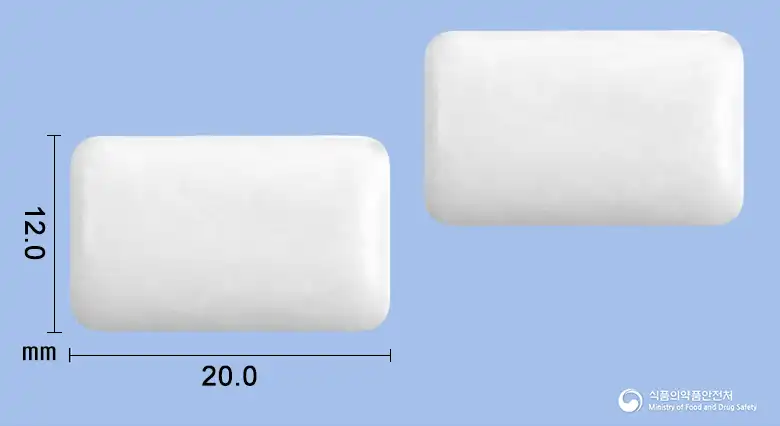
Nicotine 2mg
OTC medication
GPT Therapeutics Korea Co., Ltd.
Even with the same ingredient, the dose and directions can differ by strength and dosage form. Talk to a doctor or pharmacist before switching from a medication you are already taking.
No questions yet.
For anything that needs medical judgment, consult a doctor or pharmacist.
This drug information is based on data provided by the Korea Ministry of Food and Drug Safety.
Consult a doctor or pharmacist for accurate dosage, administration, and usage instructions.