
 한국어
한국어 English
 日本語
日本語 中文(简体)
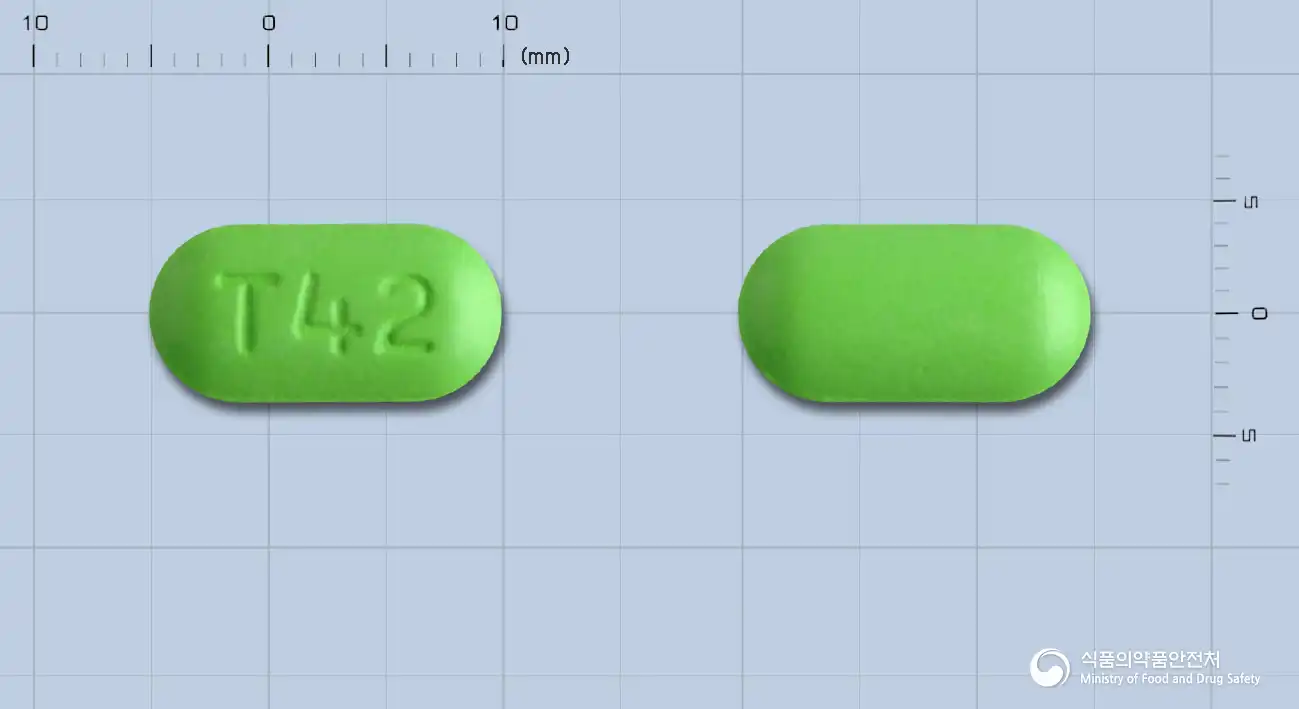 Viewing nowCombination
Ami Potin Tablet
L-Leucine 17mg · L-Methionine 15mg +12 more
Tablet · OTC medication · Combination
IQure Co., Ltd.
MFDS item code 200904325 · Notified 2009.06.22
Restorative and improvement of weak body constitution, nutrition supply effect
This medication helps with restorative effects and the improvement of weak body constitution, and it is used to relieve physical fatigue. It also enhances bodily functions during recovery from illness or after illness and is effective in improving gastrointestinal disorders and nutritional deficiency states. It provides necessary nutrition during febrile wasting diseases or pregnancy and lactation. Thus, it is widely used for overall physical strength enhancement and nutrition supply.
Adolescents aged 15 and above and adults: 2 tablets per dose, taken 1 to 2 times a day
Children (7 to 14 years): 1 tablet per dose, taken 1 to 2 times a day
This medication should not be used by patients who have allergies to this drug or its ingredients, or who have exhibited hypersensitivity reactions. It is also safe not to administer to patients with severe renal failure and children under 7 years old. Patients currently undergoing treatment, as well as pregnant or lactating women, should consult with a doctor or pharmacist before taking this medication. This medication contains the coloring agent Yellow No. 5, so individuals with a history of allergy to this component should use it with caution. If symptoms such as heartburn, diarrhea, constipation, skin rash or redness, nausea, vomiting, or loose stools appear during use, discontinue use immediately and consult healthcare personnel. For women, this medication may lead to an earlier menstrual cycle or increased bleeding volume and may prolong bleeding, so caution is needed. Patients taking estrogen-containing contraceptives or those at risk of thrombosis should be careful because taking vitamin E with this medication may increase the risk of thrombosis. Long-term high-dose pyridoxine use can cause neurological disorders, so dosage and duration should be strictly followed. Excessive intake of this medication can lead to peptic ulcers, problems with blood sugar control, increased uric acid levels, and liver damage. The prescribed dosage and regimen must be strictly adhered to, and when administering to children, caregivers should closely observe and direct them. If symptoms do not improve after one month of use, consult a doctor or pharmacist. It is also safe not to take this medication with levodopa. Additionally, this medication can alter urine color to yellow, which may affect the results of some clinical tests. Store this medication out of the reach of children, away from direct sunlight, in a cool, dry place, tightly closed. Do not use after the expiration date, and use within 6 months after opening. It is advisable not to transfer to another container.
Not everyone experiences these, and they can vary from person to person.
Do not take this medication with levodopa. Consult a doctor or pharmacist when taking it with oral contraceptives containing estrogen.
This medication may be sensitive to light, so it should be stored in a light-blocking, airtight container. It is important to maintain a storage temperature between 1 degree and 30 degrees Celsius at room temperature. Storing it this way will safely preserve the effectiveness of the drug.
Green rectangular film-coated tablet
120 tablets/PTP, 240 tablets/PTP
Even with the same ingredient, strength, dosage form and how it is taken can differ.
Viewing nowCombinationL-Leucine 17mg · L-Methionine 15mg +12 more
Tablet · OTC medication · Combination
IQure Co., Ltd.
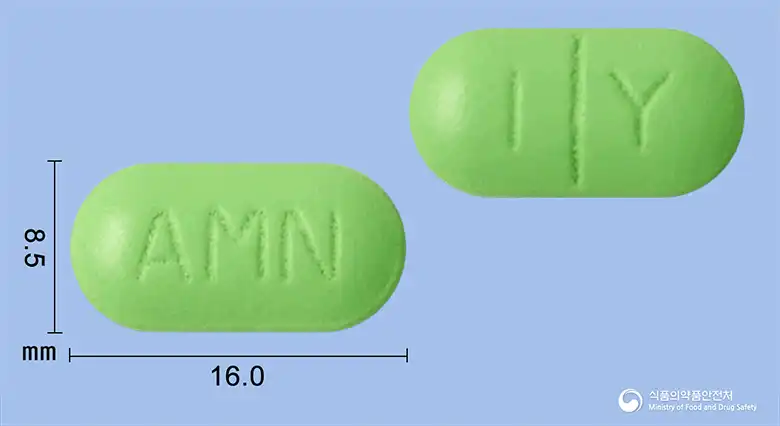 Combination
L-Leucine 17mg · L-Methionine 15mg +12 more
Tablet · OTC medication · Combination
Il Yang Pharmaceutical Co., Ltd.
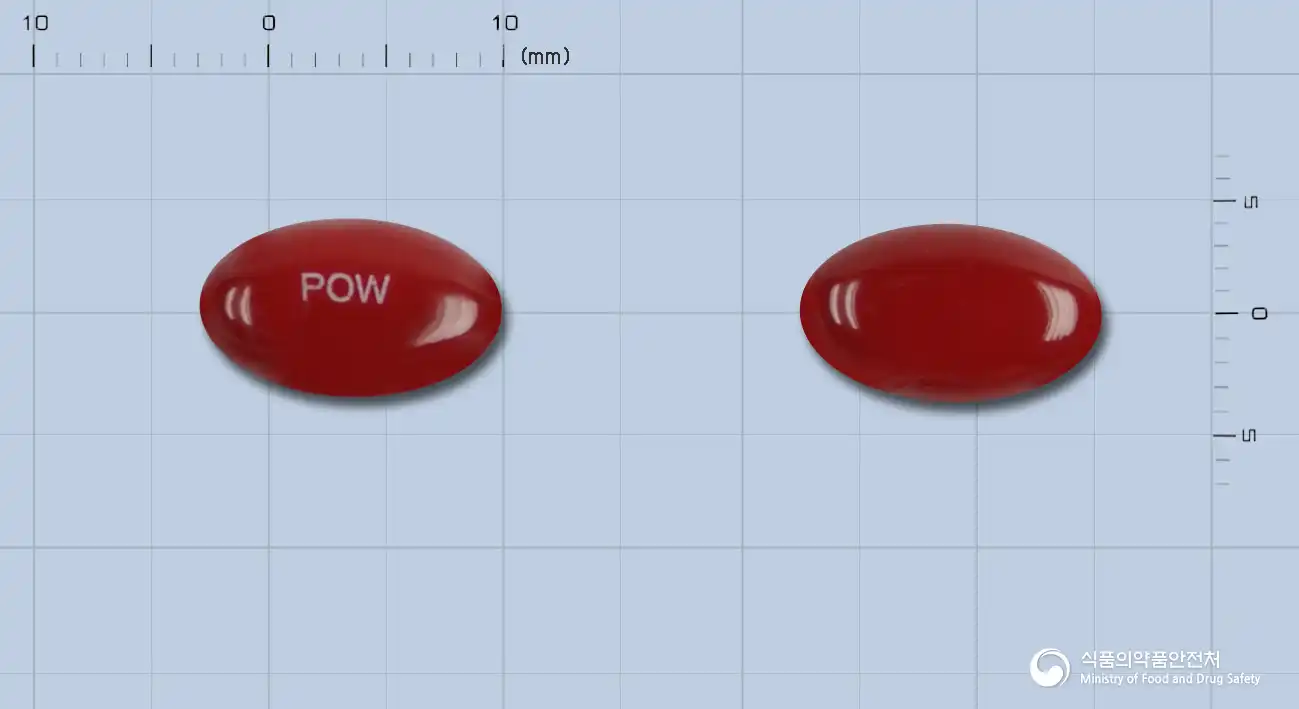 Combination
L-Tryptophan 5mg · L-Lysine Hydrochloride 18.75mg +12 more
Soft capsule · OTC medication · Combination
Il Yang Pharmaceutical Co., Ltd.
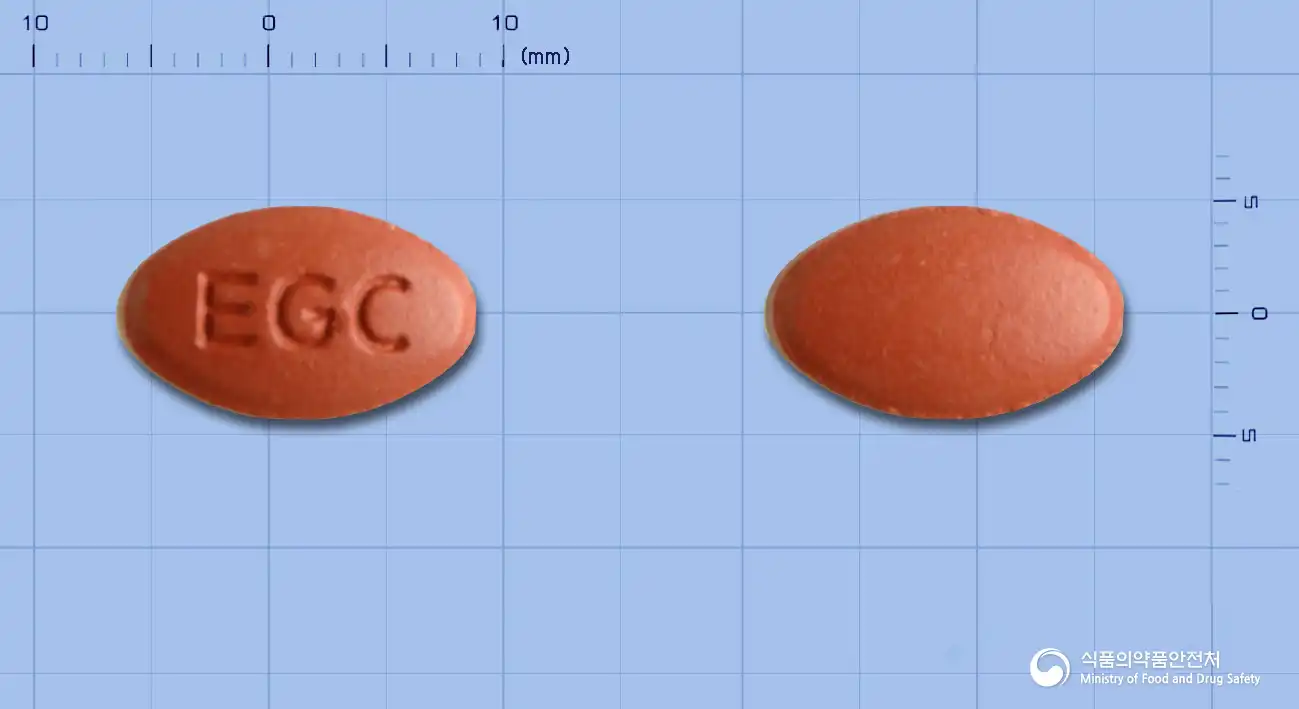 Combination
L-Leucine 17mg · L-Methionine 15mg +12 more
Tablet · OTC medication · Combination
Hanpung Pharmaceutical Co., Ltd.
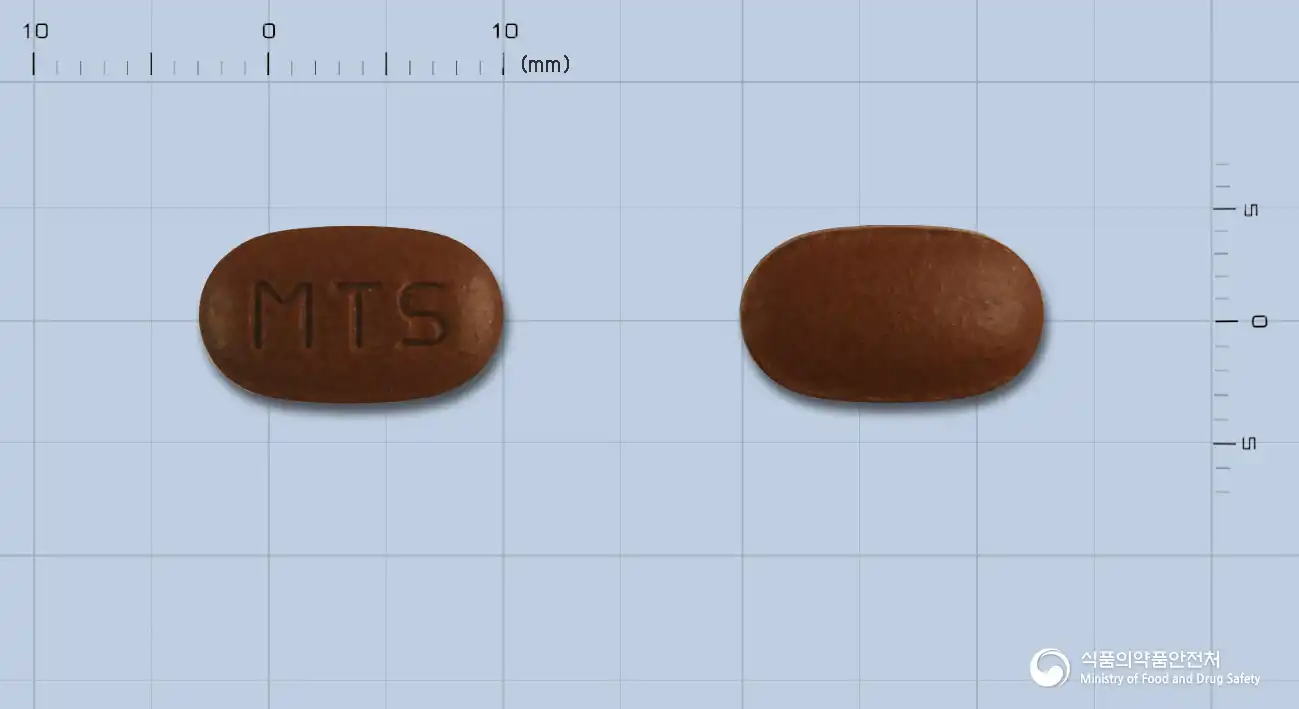 Combination
L-Leucine 17mg · L-Methionine 15mg +12 more
Tablet · OTC medication · Combination
Mothers Pharmaceutical Co., Ltd.
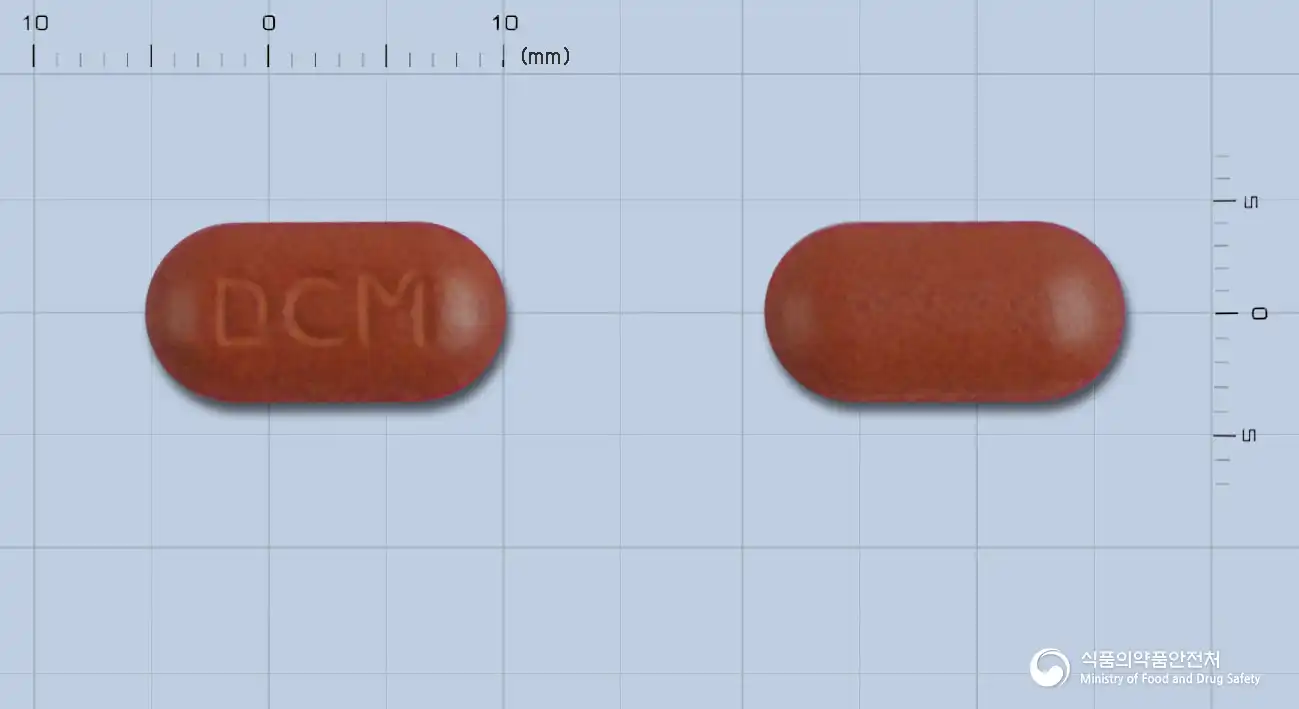 Combination
L-Leucine 17mg · L-Methionine 15mg +12 more
Tablet · OTC medication · Combination
Donggu Bio Pharmaceutical Co., Ltd.
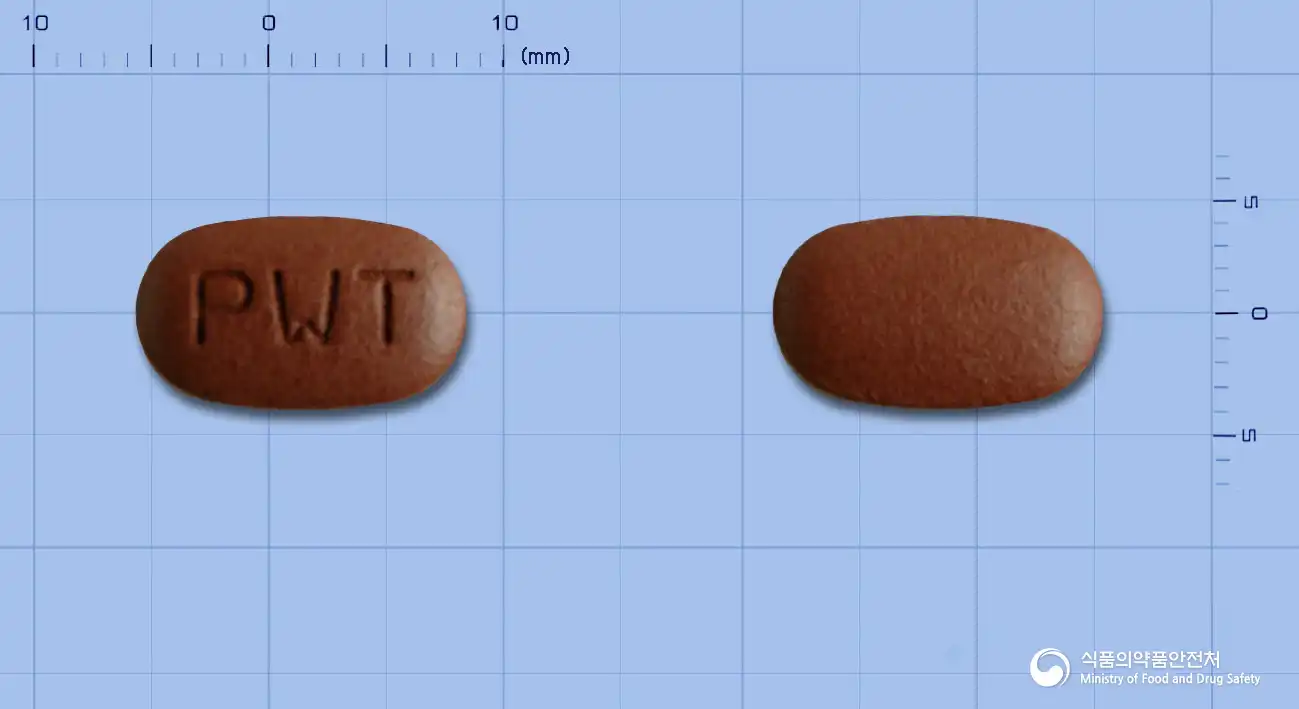 Combination
L-Leucine 17mg · L-Methionine 15mg +12 more
Tablet · OTC medication · Combination
Hwail Pharmaceutical Co., Ltd.
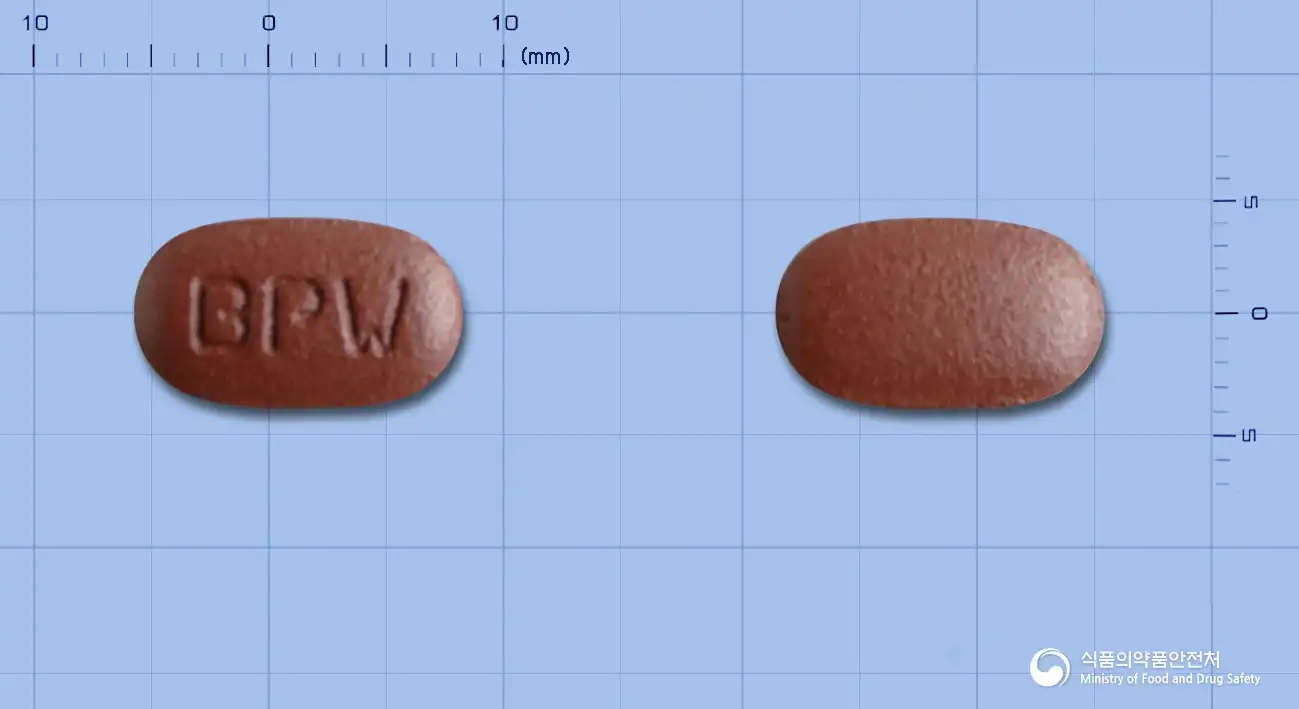 Combination
L-Leucine 17mg · L-Methionine 15mg +12 more
Tablet · OTC medication · Combination
Genupharm Co., Ltd.
Even with the same ingredient, the dose and directions can differ by strength and dosage form. Talk to a doctor or pharmacist before switching from a medication you are already taking.
No questions yet.
For anything that needs medical judgment, consult a doctor or pharmacist.
This drug information is based on data provided by the Korea Ministry of Food and Drug Safety.
Consult a doctor or pharmacist for accurate dosage, administration, and usage instructions.