
 한국어
한국어 English
 日本語
日本語 中文(简体)
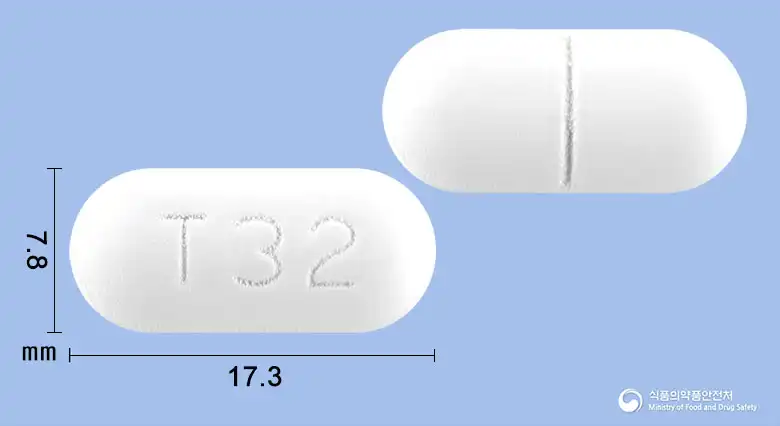 Viewing nowCombination
Cairojeong
Acetaminophen 500mg · Scopolamine Butylbromide 10mg
Tablet · OTC medication · Combination
Hansol Pharmaceutical Co., Ltd.
MFDS item code 200903579 · Notified 2009.05.25
Relief of gastrointestinal spasmodic pain and dysfunctions of the female reproductive system (such as dysmenorrhea)
This medication helps relieve spasmodic pain caused by gastrointestinal disorders and pain caused by biliary and urinary problems. It is also effective for spasmodic pain due to dysfunctions of the female reproductive system and dysmenorrhea. In other words, it is used to improve symptoms such as abdominal pain, biliary and urinary tract pain, and menstrual pain.
For adults, take 1 to 2 tablets orally 3 times a day. The maximum daily dose should not exceed 6 tablets.
This medication should not be used in patients with severe renal impairment. Patients with glucose-6-phosphate dehydrogenase deficiency should also avoid this drug. Patients with glaucoma or prostatic hyperplasia, as well as those with pyloric stenosis or paralytic ileus, should avoid this medication. Patients who have had allergic reactions to this medication or similar cold medicines, antipyretics, or analgesics in the past should not use this medication. Caution is advised for patients with myasthenia gravis, megacolon, or arrhythmias. This medication contains lactose, so individuals with lactose intolerance or related genetic disorders should not take it. Do not use this medication in conjunction with other products containing acetaminophen, as this may result in liver damage. Those with poor liver function, Gilbert's syndrome, or severe heart disease should also be cautious when taking this medication. This drug may affect blood and could cause issues like thrombocytopenia or leukopenia; caution should be exercised. If symptoms of an allergic reaction, such as difficulty breathing, rashes, or other issues occur, discontinue use immediately and consult a healthcare professional. Gastrointestinal symptoms may include nausea, vomiting, loss of appetite, and constipation. Caution is needed when operating vehicles or dangerous machinery; if sudden allergic reactions or skin abnormalities occur, discontinue use immediately. Individuals who frequently consume alcohol or are taking specific medications should consult a healthcare professional, as the risk of liver damage increases. Pregnant or breastfeeding women should be cautious when taking this medication, and it is not recommended for children. In the event of overdose, symptoms such as liver damage, renal problems, and anticholinergic symptoms may occur, warranting immediate medical attention. To prevent liver damage, appropriate treatment should be sought as soon as possible. Regular drinkers of alcohol taking this medication should consult a healthcare professional.
Thrombocytopenia, agranulocytosis, cyanosis, leukopenia, pancytopenia, nausea, vomiting, loss of appetite, constipation, high anion gap metabolic acidosis (HAGMA), thirst, urination disorders, mydriasis, muscle paralysis, flushing, dizziness, anxiety, excitement, hallucinations, orthostatic hypotension, rash, tachycardia, unusual fever, excessive sweating
Not everyone experiences these, and they can vary from person to person.
Do not take this medication with other products containing acetaminophen, barbiturates, tricyclic antidepressants, or alcohol. Avoid concomitant use with anticonvulsants or rifampicin. Consult a doctor or pharmacist before use in conjunction with antihistamines, quinidine, amantadine, disopyramide, metoclopramide, β-agonists, propantheline, chloramphenicol, oral anticoagulants, or zidovudine.
Store this medication in a sealed container to prevent air or moisture exposure, and maintain it at a temperature between 1 degree and 30 degrees Celsius to preserve its efficacy.
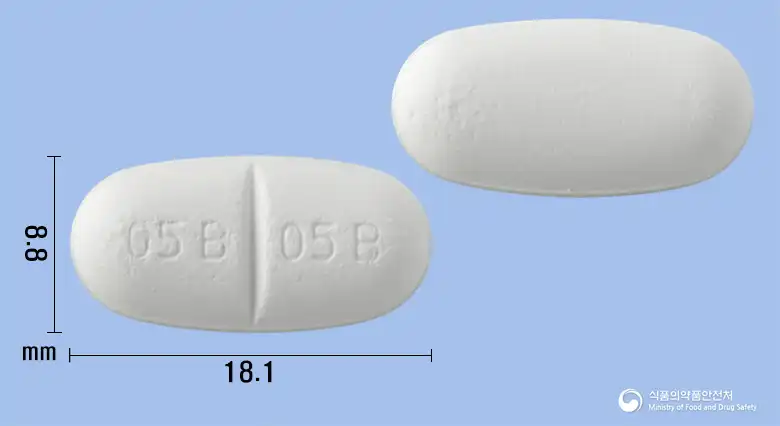
White rectangular film-coated tablet
10 tablets (10 tablets/PTP packaging x 1)
Even with the same ingredient, strength, dosage form and how it is taken can differ.
Viewing nowCombinationAcetaminophen 500mg · Scopolamine Butylbromide 10mg
Tablet · OTC medication · Combination
Hansol Pharmaceutical Co., Ltd.
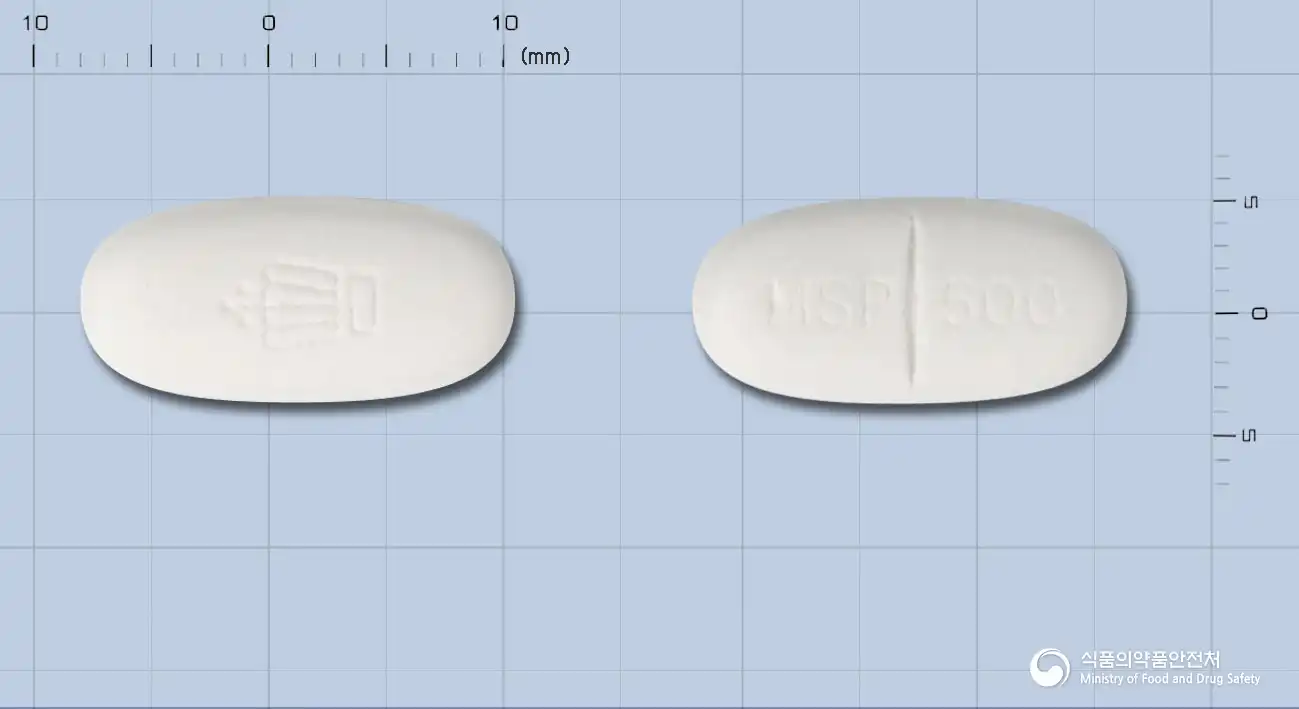 Combination
Scopolamine Butylbromide 10mg · Acetaminophen 500mg
Tablet · OTC medication · Combination
GL Pharma Co., Ltd.
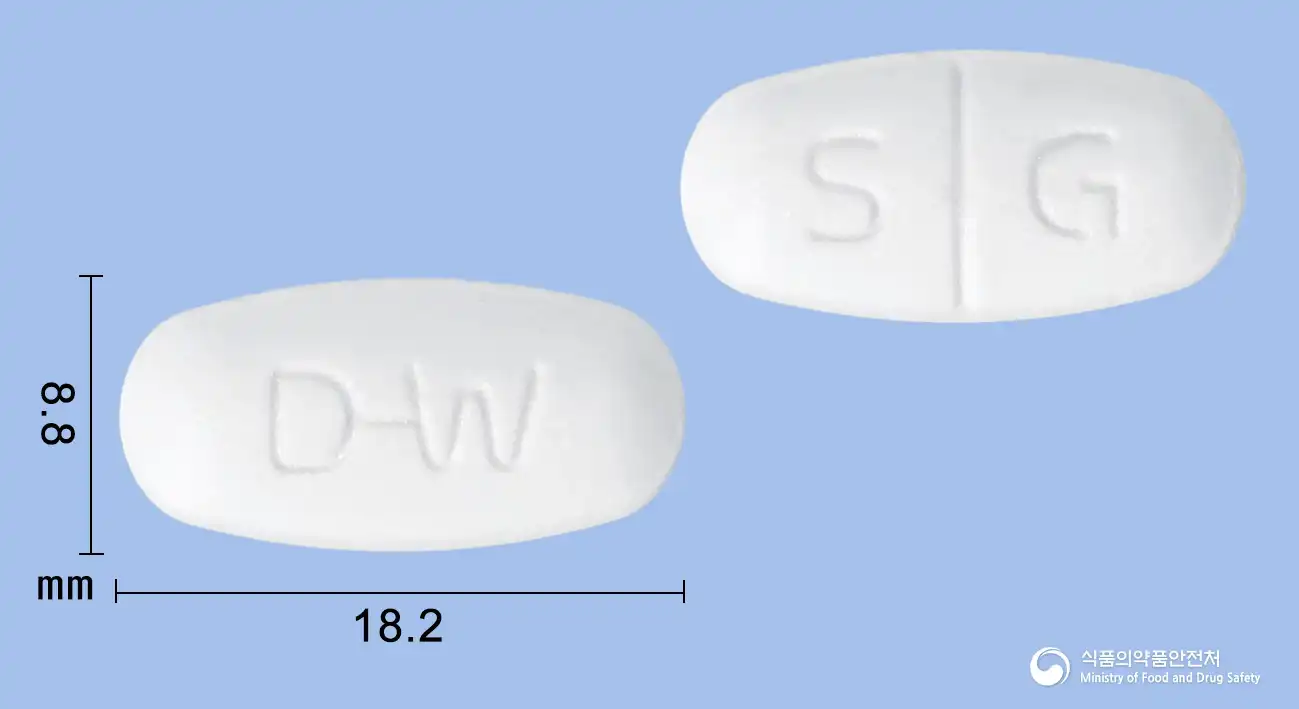 Combination
Acetaminophen 500mg · Scopolamine Butylbromide 10mg
Tablet · OTC medication · Combination
Donghwa Pharmaceutical Co., Ltd.
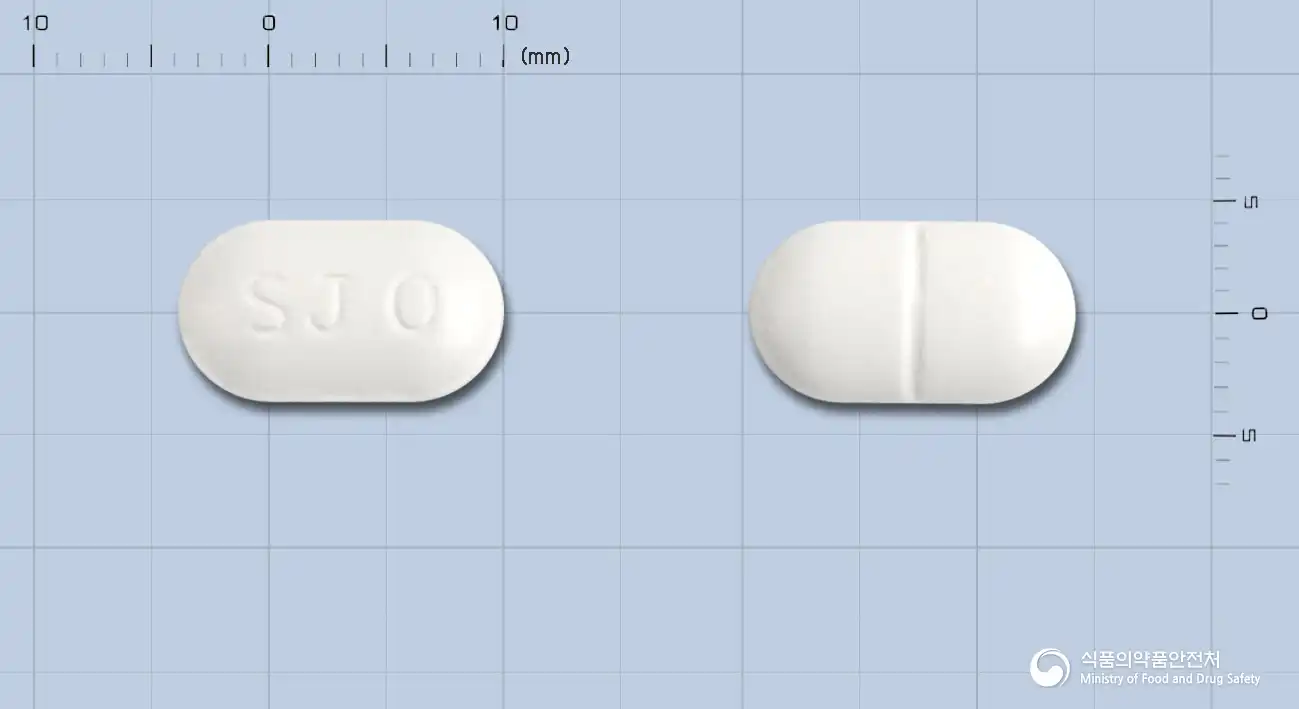 Combination
Acetaminophen 500mg · Scopolamine Butylbromide 10mg
Tablet · OTC medication · Combination
Samjin Pharmaceutical Co., Ltd.
 Combination
Scopolamine Butylbromide 10mg · Acetaminophen 500mg
Tablet · OTC medication · Combination
Korea Pavise Pharmaceutical Co., Ltd.
 Combination
Scopolamine Butylbromide 10mg · Acetaminophen 500mg
Tablet · OTC medication · Combination
Opella Healthcare Korea Co., Ltd.
Even with the same ingredient, the dose and directions can differ by strength and dosage form. Talk to a doctor or pharmacist before switching from a medication you are already taking.
No questions yet.
For anything that needs medical judgment, consult a doctor or pharmacist.
This drug information is based on data provided by the Korea Ministry of Food and Drug Safety.
Consult a doctor or pharmacist for accurate dosage, administration, and usage instructions.