
 한국어
 English
 日本語
 中文(简体)
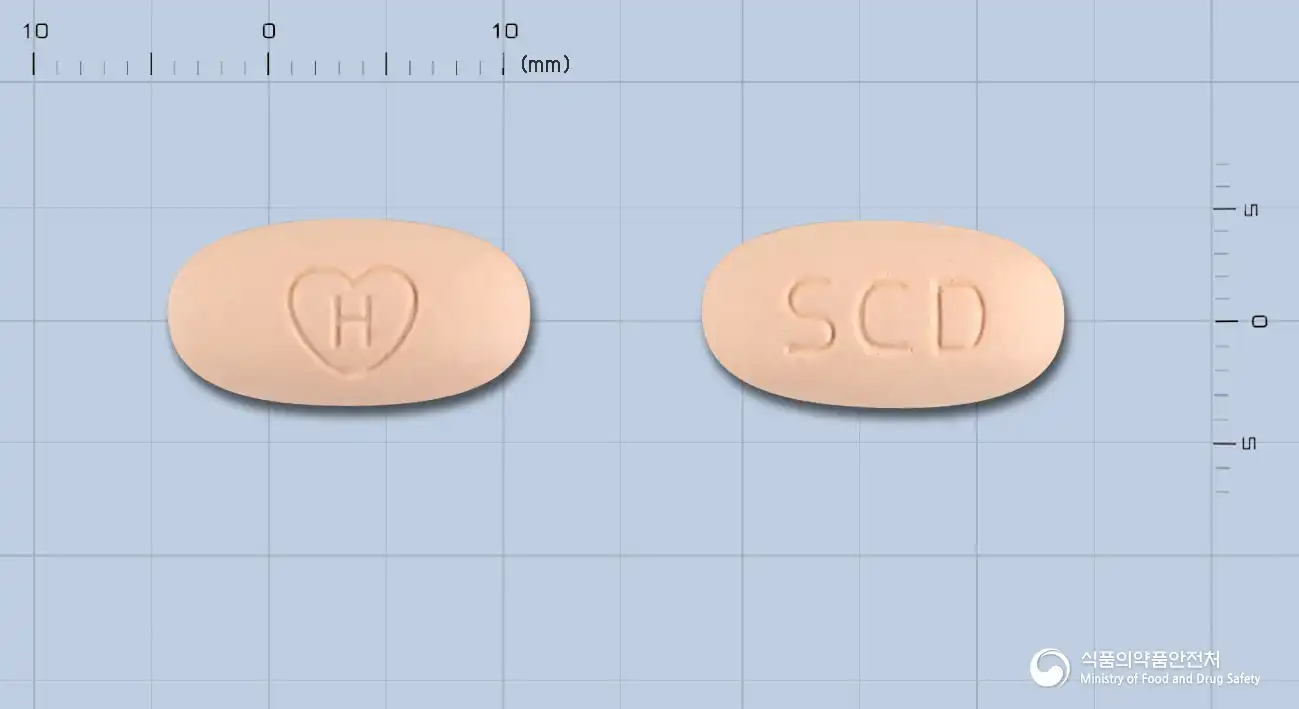 Viewing nowCombination
Irbesartan/Hydrochlorothiazide 300/12.5 mg
Irbesartan 300mg · Hydrochlorothiazide 12.5mg
Tablet · Prescription medication · Combination
Samchundang Pharmaceutical Co., Ltd.
MFDS item code 200808749 · Notified 2008.08.18 · Insurance code 651202620
Treatment of essential hypertension
This medication is used to control blood pressure in patients with essential hypertension. It is effective even when blood pressure control is difficult with monotherapy and is used as a first-line treatment in situations requiring combination therapy to reach the target blood pressure in patients with moderate to severe hypertension. In other words, this medication helps reliably manage blood pressure across various stages of hypertension.
This medication is administered once daily, with or without food. Titration to the appropriate dose of each component (irbesartan and hydrochlorothiazide) is recommended. ○ Adults 1. Patients whose blood pressure is not adequately controlled with monotherapy - For patients whose blood pressure is not adequately controlled with irbesartan 150 mg or hydrochlorothiazide alone, administer 1 tablet of irbesartan 150 mg/hydrochlorothiazide 12.5 mg once daily. - For patients whose blood pressure is not adequately controlled with irbesartan 300 mg or irbesartan 150 mg/hydrochlorothiazide 12.5 mg, administer 1 tablet of irbesartan 300 mg/hydrochlorothiazide 12.5 mg once daily. - For patients whose blood pressure is not adequately controlled with irbesartan 300 mg/hydrochlorothiazide 12.5 mg, administer 1 tablet of irbesartan 300 mg/hydrochlorothiazide 25 mg once daily. Doses exceeding irbesartan 300 mg/hydrochlorothiazide 25 mg are not recommended. If necessary, this medication may be administered concomitantly with other antihypertensive agents. 2. When this medication is to be used as initial therapy in patients with moderate or severe hypertension (stage 2), treatment should be individualized based on baseline blood pressure, target blood pressure, and the expected increase in the likelihood of reaching the treatment goal compared with monotherapy. Treatment is usually initiated with 1 tablet of irbesartan 150 mg/hydrochlorothiazide 12.5 mg once daily. If blood pressure control is needed, the dose may be increased after 1–2 weeks up to a maximum of irbesartan 300 mg/hydrochlorothiazide 25 mg. Use of this medication as initial therapy is not recommended in patients with intravascular volume depletion. ○ Patients with renal impairment Because of its hydrochlorothiazide component, this medication is not recommended for patients with severe renal impairment (creatinine clearance < 30 mL/min). Loop diuretics are preferred in this patient population. No dose adjustment is necessary in patients with renal impairment and creatinine clearance of 30 mL/min or greater. ○ Patients with volume depletion Any sodium and/or fluid depletion should be corrected before administering this medication. ○ Patients with hepatic impairment This medication should not be used in patients with severe hepatic impairment. Thiazide drugs should be used with caution in patients with hepatic impairment. No dose adjustment is necessary in patients with mild to moderate hepatic impairment. ○ Older adults No dose adjustment is necessary for older adults.
The safety and efficacy of this medication have not been established in children and adolescents younger than 18 years.
This medication can cause serious harm to the fetus when used during pregnancy, especially in the second and third trimesters, so it should be discontinued immediately upon confirmation of pregnancy. It should not be used in women who are pregnant or may become pregnant, nursing mothers, or patients with certain kidney diseases or anuria. Additionally, patients who have had allergic reactions to this medication or its ingredients should avoid it. Caution is also needed for patients with severe renal dysfunction, certain liver diseases, or a history of angioedema. This medication may cause side effects such as dizziness, fatigue, nausea, vomiting, abnormal urination, and more rarely, hypotension, edema, liver function impairment, and angioedema. Particularly, there may be an increased risk of skin cancer, so caution should be exercised with sun exposure, and any new skin lesions should be reported to a doctor immediately. Dizziness and fatigue may occur when driving or operating machinery, so caution is advised. Patients at risk of hypotension, those with poor renal function, and patients with liver diseases should consult a doctor before taking this medication. This medication may cause electrolyte imbalances in the blood, so regular blood tests should be performed to monitor potassium, sodium, and other levels. There may be interactions with other medications, particularly lithium, potassium supplements, diuretics, antidiabetic drugs, and nonsteroidal anti-inflammatory drugs, so consultation with a specialist is necessary for those taking these medications. It is recommended to avoid taking this medication while breastfeeding, and it is not recommended for children and adolescents. Elderly patients may have increased sensitivity to the medication, so caution is warranted. Overdosage may result in hypotension, electrolyte abnormalities, and dehydration symptoms, requiring immediate medical assistance. This medication should be kept out of reach of children and stored in its original container; changing the container is not allowed.
Not everyone experiences these, and they can vary from person to person.
This medication may be sensitive to air or moisture, so it should be stored in a tightly sealed container. It is best to maintain a storage temperature between 1 degree and 30 degrees Celsius room temperature to help preserve its effectiveness.
Pink oval film-coated tablet
30 tablets/bottle, 300 tablets/bottle
Even with the same ingredient, strength, dosage form and how it is taken can differ.
Viewing nowCombinationIrbesartan 300mg · Hydrochlorothiazide 12.5mg
Tablet · Prescription medication · Combination
Samchundang Pharmaceutical Co., Ltd.
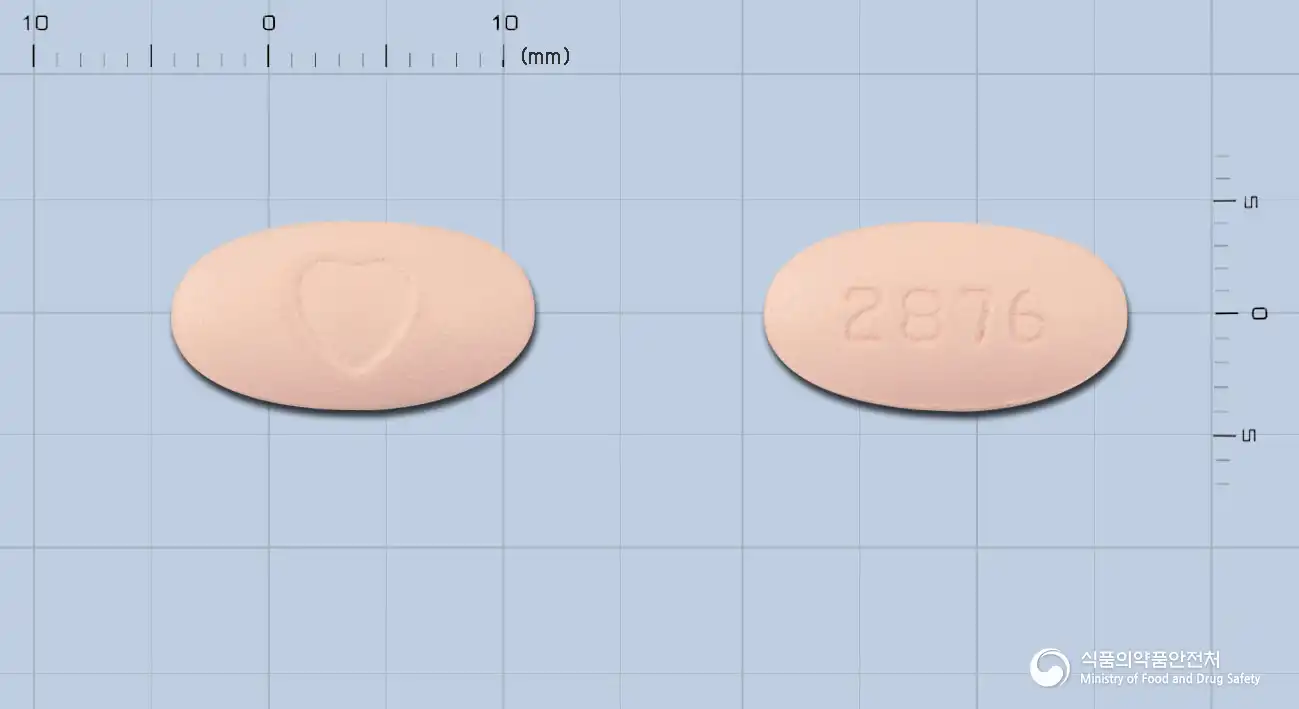 Combination
Irbesartan 300mg · Hydrochlorothiazide 12.5mg
Tablet · Prescription medication · Combination
Handok Co., Ltd.
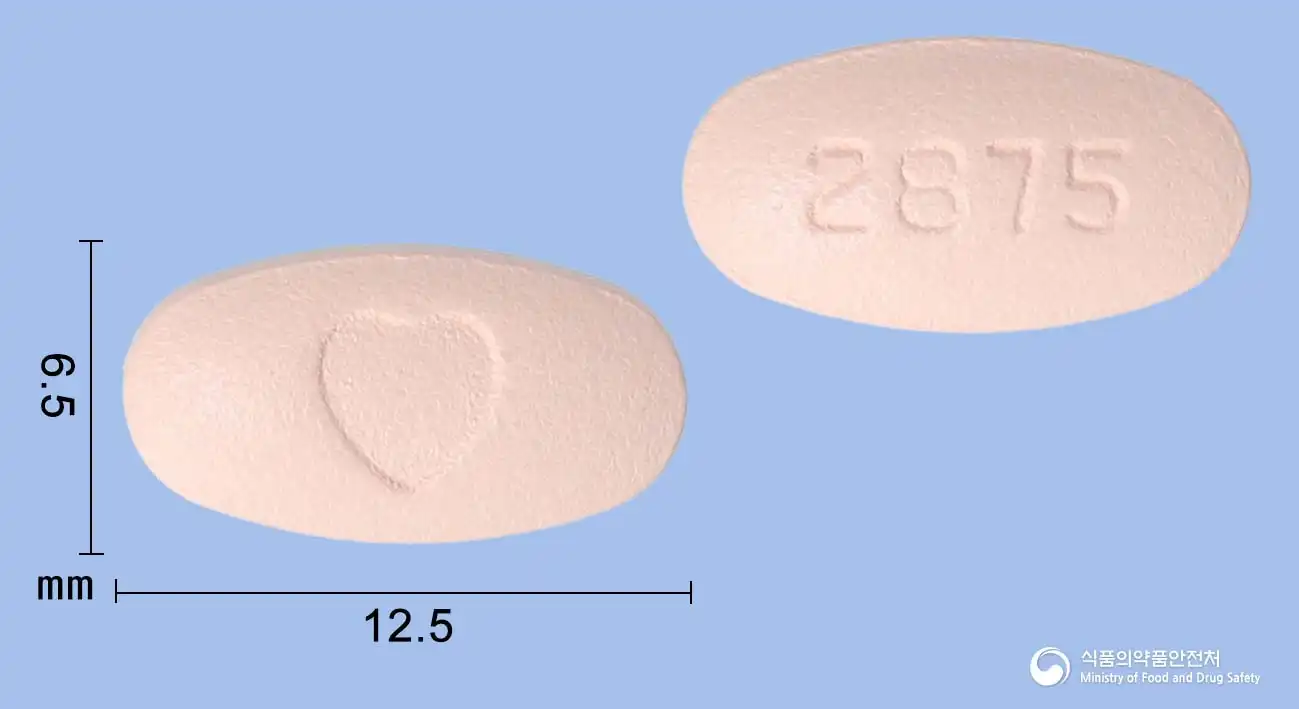 Combination
Irbesartan 150mg · Hydrochlorothiazide 12.5mg
Tablet · Prescription medication · Combination
Handok Co., Ltd.
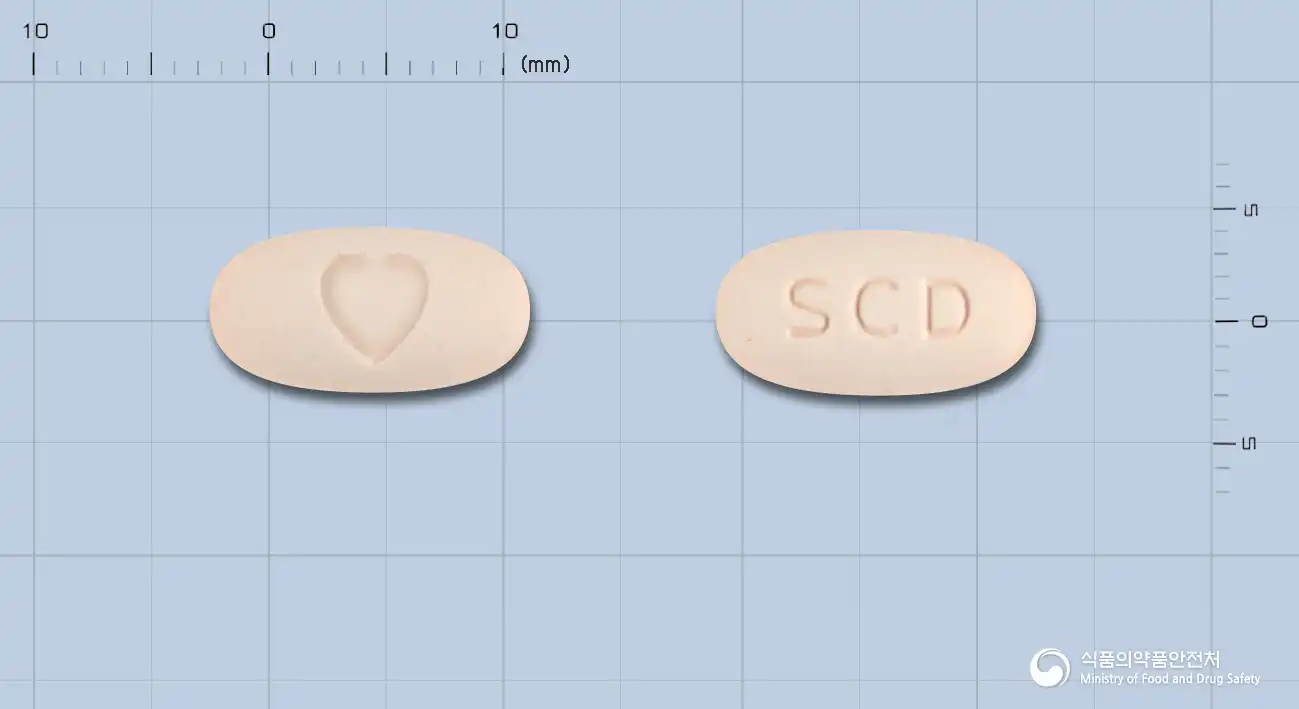 Combination
Irbesartan 150mg · Hydrochlorothiazide 12.5mg
Tablet · Prescription medication · Combination
Samchundang Pharmaceutical Co., Ltd.
Irbesartan 150mg · Hydrochlorothiazide 12.5mg
Tablet · Prescription medication · Combination
Shinil Pharmaceutical Co., Ltd.
Irbesartan 150mg · Hydrochlorothiazide 12.5mg
Tablet · Prescription medication · Combination
Dongwha Pharmaceutical Co., Ltd.
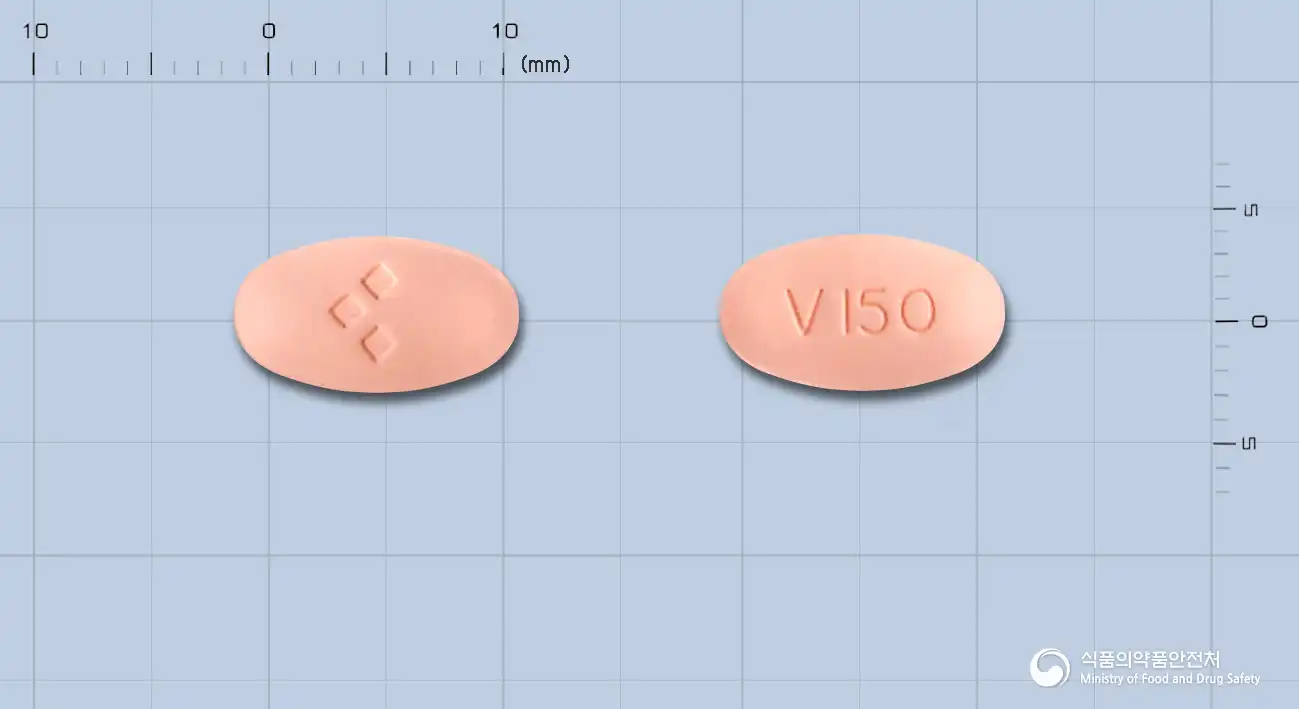 Combination
Irbesartan 150mg · Hydrochlorothiazide 12.5mg
Tablet · Prescription medication · Combination
Myungin Pharmaceutical Co., Ltd.
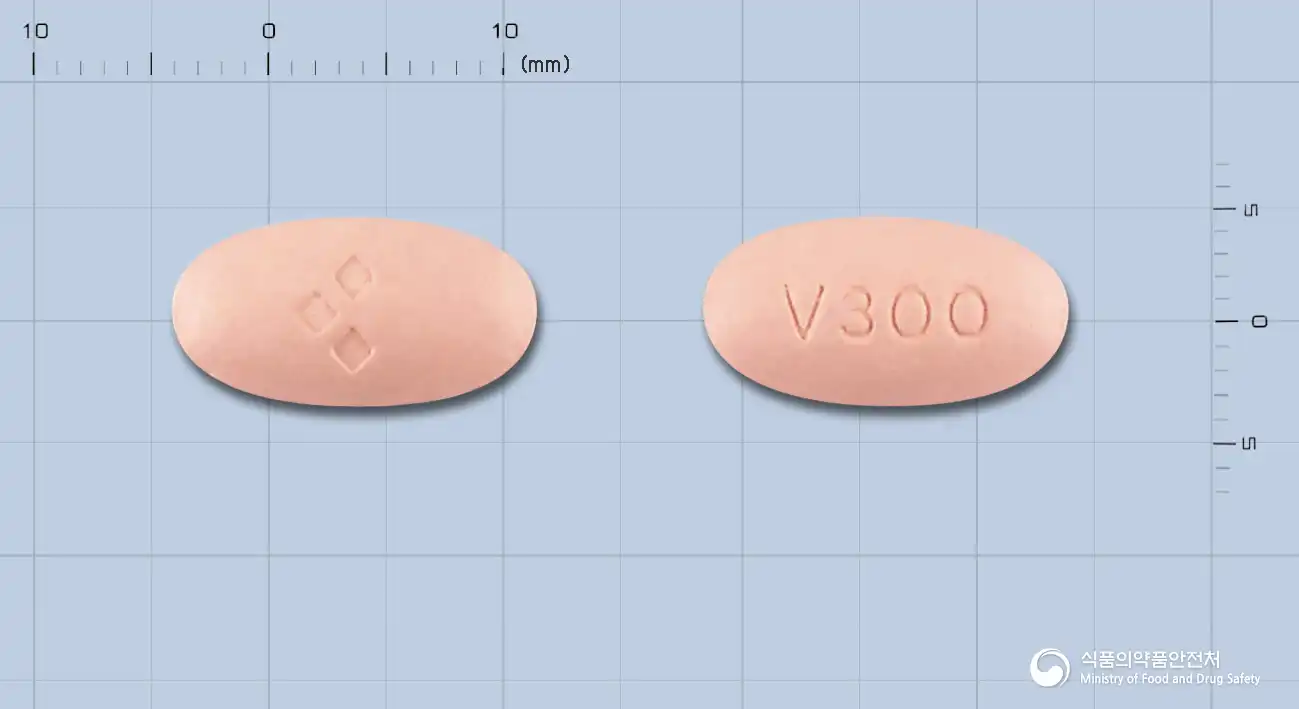 Combination
Irbesartan 300mg · Hydrochlorothiazide 12.5mg
Tablet · Prescription medication · Combination
Myungin Pharmaceutical Co., Ltd.
Even with the same ingredient, the dose and directions can differ by strength and dosage form. Talk to a doctor or pharmacist before switching from a medication you are already taking.
No questions yet.
For anything that needs medical judgment, consult a doctor or pharmacist.
This drug information is based on data provided by the Korea Ministry of Food and Drug Safety.
Consult a doctor or pharmacist for accurate dosage, administration, and usage instructions.