
 한국어
 English
 日本語
 中文(简体)
Summary
- Main use
- Treatment of postmenopausal estrogen deficiency; prevention of osteoporosis
- Who takes it
- Adults · Children
- Adult dose
- This medicine is administered orally as 1 tablet once daily without interruption. Women who have not been receiving hormone replacement therapy, or who are switching from another continuous combined preparation, may start taking this medicine at any time. Women receiving cyclic, sequential combined hormone replacement therapy should start taking this medicine on the day after completing their previous treatment. Each pack is for 28 days of treatment. After finishing one pack, start the next pack without a break. Swallow the tablet whole with water, regardless of food intake. Preferably take it at the same time each day. If a dose is missed, take it as soon as possible. If more than 24 hours have passed since the dose was missed, there is no need to take an additional dose of this medicine. Vaginal bleeding may occur if doses are missed for several days. The minimum effective dose should be used to treat postmenopausal symptoms. When initiating or continuing treatment for postmenopausal symptoms, the minimum effective dose should be used for the shortest duration necessary. Clinical experience in women aged 65 years and older is limited. There are no study results suggesting that dose adjustment is necessary in elderly patients. This medicine should not be used in women with liver tumors or a history of liver tumors, or in women with severe liver disease (see section 2, “Do not administer to the following patients”). Women with hepatic impairment require close monitoring, and hormone replacement therapy should be discontinued if indicators of liver function worsen (see section 5, “General precautions”). Exposure to drospirenone was slightly increased in women with mild or moderate renal impairment, but this is not expected to be clinically significant. This medicine should not be used in patients with severe renal impairment.
- Child dose
- Children and adolescents: This medicine should not be used in children and adolescents.
Ingredients
- Importer
- Bayer korea
Efficacy & effects
Treatment of postmenopausal estrogen deficiency; prevention of osteoporosis
- Estrogen deficiency
- osteoporosis
View approved original textHide original text
This medication is used as hormone replacement therapy to relieve symptoms due to estrogen deficiency in women who have passed one year after menopause. It is also used to reduce fracture risk in postmenopausal women who need prevention of osteoporosis but cannot use other medications. Therefore, it is effective for the treatment of a healthy life in postmenopausal women.
How to take
Adult dose
This medicine is administered orally as 1 tablet once daily without interruption. Women who have not been receiving hormone replacement therapy, or who are switching from another continuous combined preparation, may start taking this medicine at any time. Women receiving cyclic, sequential combined hormone replacement therapy should start taking this medicine on the day after completing their previous treatment. Each pack is for 28 days of treatment. After finishing one pack, start the next pack without a break. Swallow the tablet whole with water, regardless of food intake. Preferably take it at the same time each day. If a dose is missed, take it as soon as possible. If more than 24 hours have passed since the dose was missed, there is no need to take an additional dose of this medicine. Vaginal bleeding may occur if doses are missed for several days. The minimum effective dose should be used to treat postmenopausal symptoms. When initiating or continuing treatment for postmenopausal symptoms, the minimum effective dose should be used for the shortest duration necessary. Clinical experience in women aged 65 years and older is limited. There are no study results suggesting that dose adjustment is necessary in elderly patients. This medicine should not be used in women with liver tumors or a history of liver tumors, or in women with severe liver disease (see section 2, “Do not administer to the following patients”). Women with hepatic impairment require close monitoring, and hormone replacement therapy should be discontinued if indicators of liver function worsen (see section 5, “General precautions”). Exposure to drospirenone was slightly increased in women with mild or moderate renal impairment, but this is not expected to be clinically significant. This medicine should not be used in patients with severe renal impairment.
Child dose
Children and adolescents: This medicine should not be used in children and adolescents.
Precautions
This medicine is not used to prevent coronary artery disease and should be used with caution as it may increase the risk of cardiovascular disease, breast cancer, and thrombosis during treatment. During hormone replacement therapy, the risk of cardiovascular diseases such as thrombosis, myocardial infarction, and stroke may increase, so those at risk of thrombotic diseases should be closely monitored. Long-term use of this medication may increase the risk of malignant tumors such as breast cancer, endometrial cancer, and ovarian cancer, so regular breast examinations and endometrial assessments should be performed with caution. This medication should not be taken in cases of undiagnosed genital bleeding, history of breast cancer, endometrial cancer, or other specific cancers, or in the presence of a history of thrombosis or active cardiovascular diseases, or severe liver or kidney dysfunction. Caution is advised in patients with certain conditions such as myomas, hypertension, diabetes, liver disease, and migraines, which have been experienced previously, and it should be administered carefully with close observation of the condition. Side effects such as breast pain, genital bleeding, abdominal pain, weight changes, headache, increased blood pressure, etc., may occur; if there are abnormal symptoms, consult a medical professional immediately. This medication should not be used during pregnancy or breastfeeding, and should also be avoided in patients with severe liver dysfunction. During treatment, regular health check-ups and clinical tests including blood pressure, liver function, and blood potassium levels should be performed, and treatment should be stopped immediately if any unusual symptoms occur, following a doctor's instructions. Additionally, this medication may interact with some drugs, so if taking other medications, it is essential to inform and consult with a healthcare provider.
Side effects
Breast pain, female reproductive tract bleeding, gastrointestinal and abdominal pain, irregular bleeding, breast cancer, arterial and venous thromboembolism, weakness, localized edema, generalized edema, chest pain, fatigue, abnormal laboratory test results, increased sweating, chills, depression, mood swings, nervousness, emotional instability, sleep disturbances, decreased libido, migraine, flushing, dizziness, concentration difficulties, sensory disturbances, vertigo, anemia, hypertension, palpitations, varicose veins, venous thrombosis, superficial thrombophlebitis, vasodilation, dyspnea, nausea, abdominal distension, gastrointestinal abnormalities, increased appetite, abnormal liver function tests, diarrhea, constipation, vomiting, dry mouth, gastric distension, taste disorder, cholelithiasis, weight gain or loss, hyperlipidemia, increased and decreased appetite, limb pain, back pain, muscle cramps, joint pain, alopecia, skin or hair abnormalities, hirsutism, acne, pruritus, rash, visual disturbances, eye abnormalities, tinnitus, uterine fibroid enlargement, benign cervical tumor, menstrual irregularities, leukorrhea, breakthrough bleeding, benign breast tumor, breast enlargement, cervical polyp, vulvovaginitis, endometrial or cervical abnormalities, dysmenorrhea, bleeding, ovarian cysts, urethral infection or urinary incontinence, urinary abnormalities, breast cancer, benign uterine tumors, fibrocystic breast disease, uterine abnormalities, pelvic pain, vulvar abnormalities, vaginal candidiasis, vaginitis, vaginal dryness, salpingitis, fatigue, neck stiffness, central obesity, galactorrhea, myalgia, body aches, abnormal breast examination, warm sensation, gynecological pain, hyperkalemia, heart failure, atrial flutter, prolonged QT interval, cardiac hypertrophy, increased serum aldosterone
Not everyone experiences these, and they can vary from person to person.
Storage
This medication should be stored in a tightly sealed container to protect it from air and moisture. It is best stored at room temperature between 1 to 30 degrees.
Appearance and packaging
Appearance
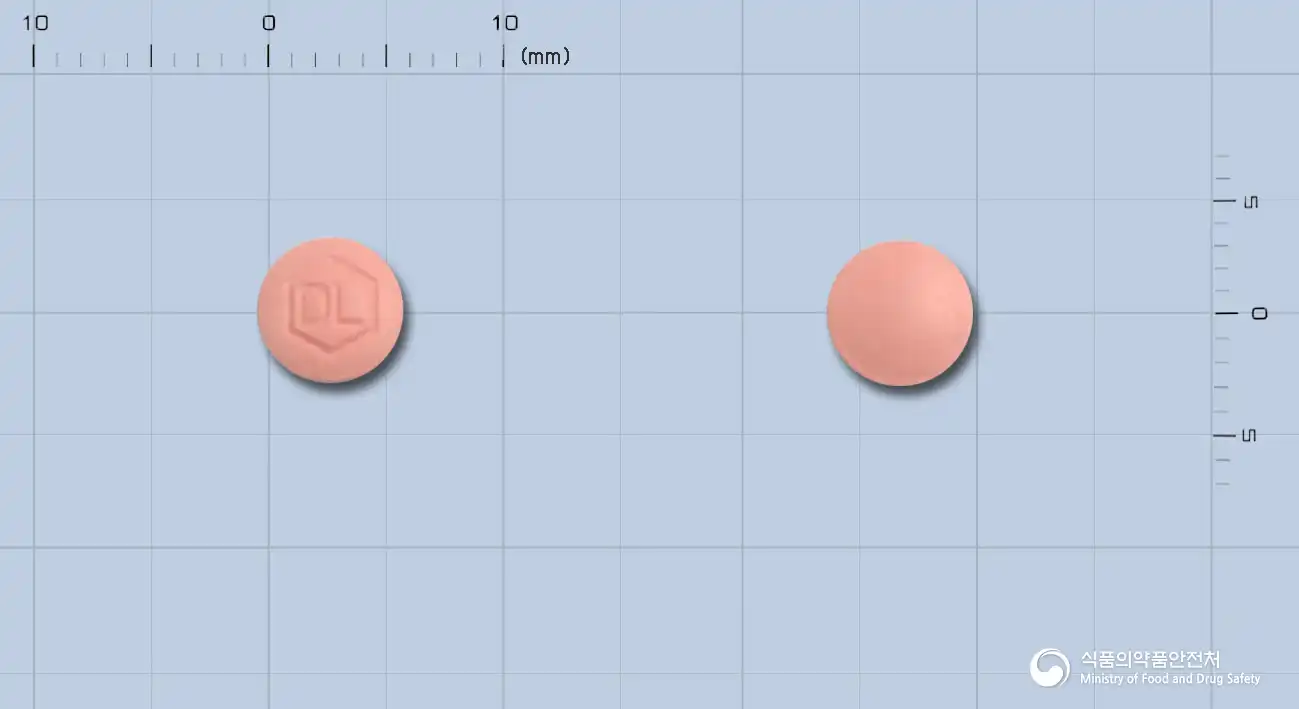
Red film-coated tablet, round and biconvex on both sides
Package unit
28 tablets/PTP
Questions about this medicine
No questions yet.
For anything that needs medical judgment, consult a doctor or pharmacist.