
 한국어
 English
 日本語
 中文(简体)
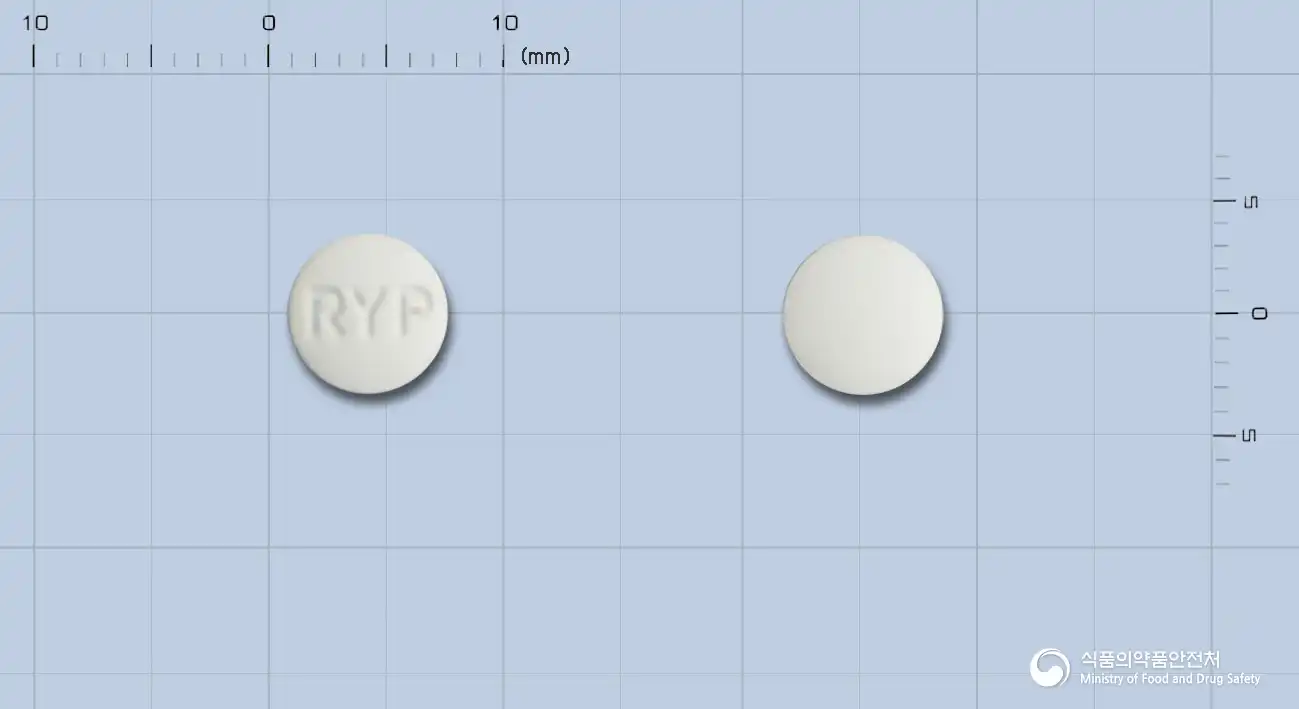 Viewing now
Piros Tablet (Pioglitazone Hydrochloride)
Pioglitazone Hydrochloride 16.53mg
Tablet · Prescription medication
IYUN Pharmaceutical Co., Ltd.
MFDS item code 200711538 · Notified 2007.10.23 · Insurance code 658601470
Improvement of blood glucose control in type 2 diabetes mellitus
This medication is used in conjunction with dietary and exercise therapy to help control blood sugar levels in patients with type 2 diabetes. It can be used alone or in combination with other medications to enhance therapeutic effects. It helps effectively manage blood sugar levels, thereby reducing the risk of complications. Therefore, it is used to improve blood sugar control in patients with type 2 diabetes.
This medication is administered orally once daily, regardless of meals. For monotherapy, start with 15 mg once daily; if the effect is insufficient, the dose may be increased to 30 mg once daily. For combination therapy (with a sulfonylurea, metformin, or insulin), the initial dose is 15 mg once daily, and the maximum recommended dose should not exceed 30 mg once daily.
Use is not recommended in children under 18 years of age because there is no experience with its use in this population.
This medication may impose a burden on the heart for some patients and should not be used in those with heart failure or symptoms of heart failure. During treatment, symptoms of heart failure such as weight change, dyspnea, and edema should be carefully monitored, and if these symptoms appear, medical consultation should be sought immediately. This medication should not be administered to patients with active bladder cancer or a history of bladder cancer. It is also safer not to use this medication in patients with severely impaired liver or kidney function. Pregnant women or those who may become pregnant should not take this medication, and premenopausal women are advised to use contraception while on this medication. This medication requires insulin to be effective, hence it is not suitable for patients with type 1 diabetes or diabetic ketoacidosis. Due to the risk of hypoglycemia, careful observation of hypoglycemic symptoms is necessary when used in combination with insulin or other antidiabetic drugs. It is important to undergo regular blood sugar and liver function tests during the treatment period, and if symptoms of liver damage (fatigue, loss of appetite, jaundice, etc.) occur, medical professionals should be informed immediately. Edema or weight gain may occur, and if these symptoms worsen, patients should consult a doctor. Elderly patients or those with cardiovascular diseases should use this medication with particular caution, and bone health management is necessary due to the risk of fractures. In case of overdose, specific symptoms may not be present, but appropriate treatment may be needed depending on symptoms. This medication has not been confirmed safe for children, hence is not recommended for patients under 18 years of age. As drug interactions may occur, patients taking other medications must inform healthcare providers, especially when using it with CYP2C8 inhibitors or inducers, as dosage adjustments may be required. While taking this medication, it is important to adhere to the prescribed dosage and regimen, and if a daily dose is missed, caution should be taken not to double the dose the next day.
Not everyone experiences these, and they can vary from person to person.
This medication is sensitive to light; therefore, it should be stored in a container that is not exposed to light and kept away from humid areas. It is best to maintain the storage temperature between 15 and 30 degrees Celsius.
White to grayish-white, biconvex cylindrical tablets
30 tablets/bottle
Even with the same ingredient, strength, dosage form and how it is taken can differ.
Viewing nowPioglitazone Hydrochloride 16.53mg
Tablet · Prescription medication
IYUN Pharmaceutical Co., Ltd.
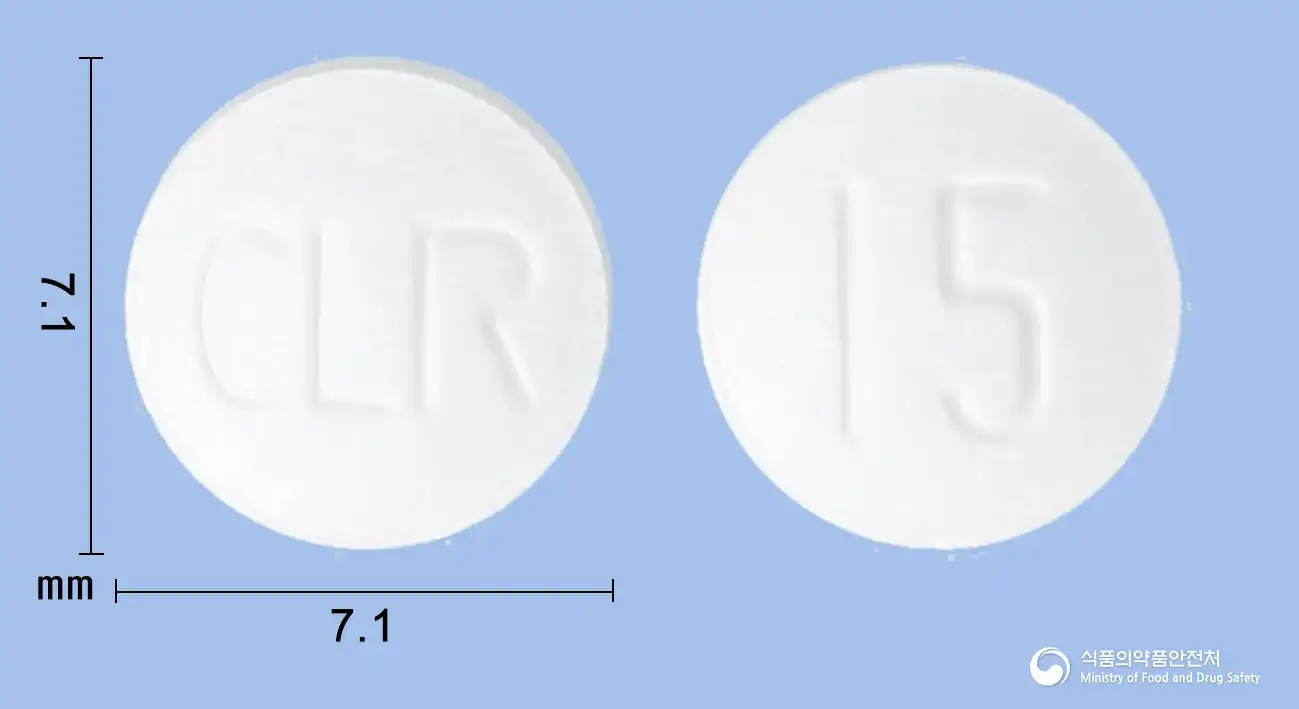
Pioglitazone Hydrochloride 16.53mg
Tablet · Prescription medication
Celltrion Pharmaceutical Co., Ltd.
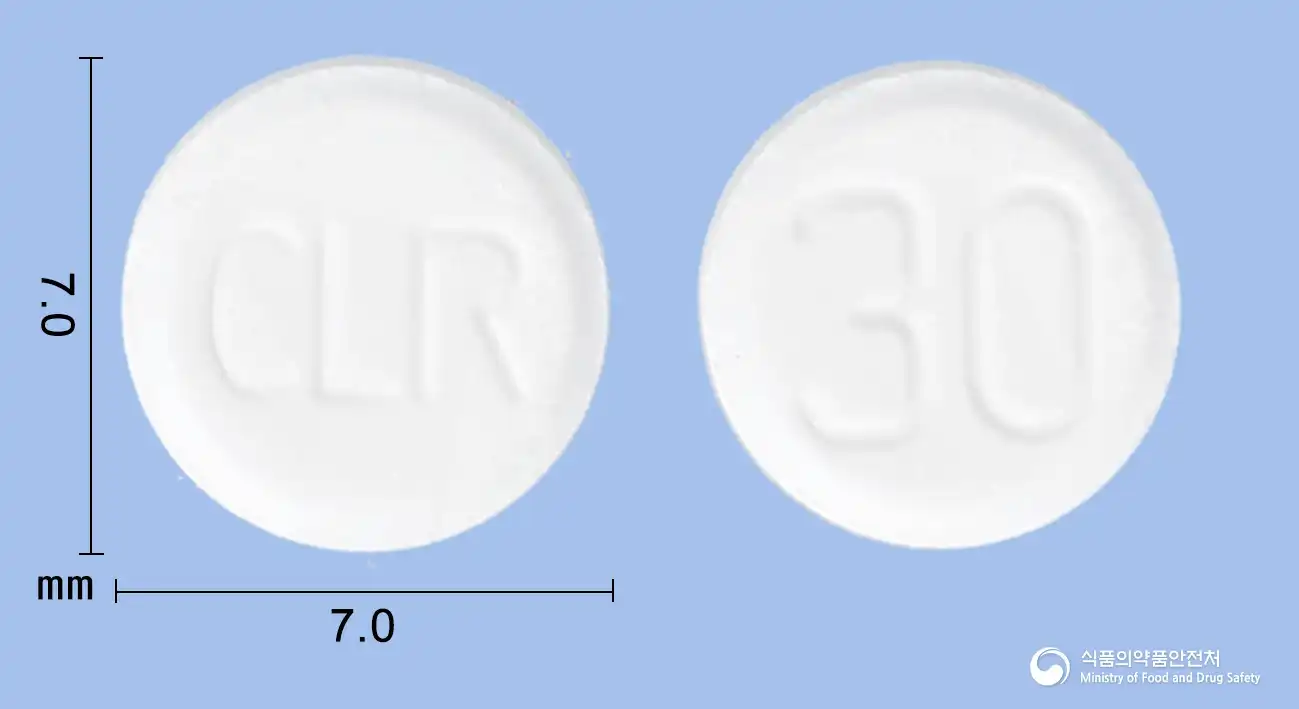
Pioglitazone Hydrochloride 33.06mg
Tablet · Prescription medication
Celltrion Pharmaceutical Co., Ltd.
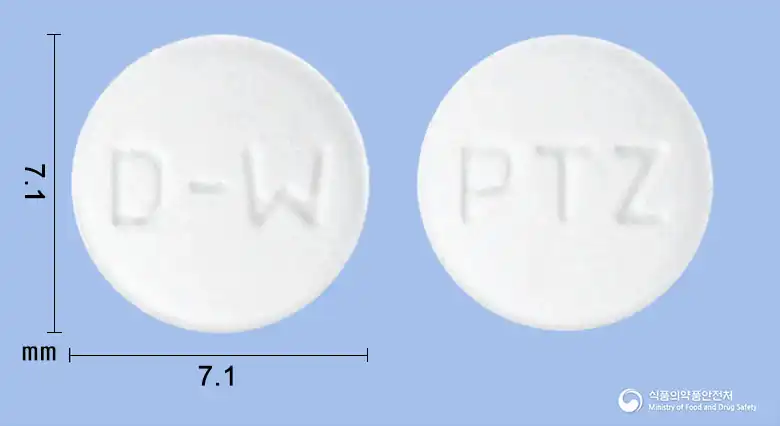
Pioglitazone Hydrochloride 16.53mg
Tablet · Prescription medication
Dongwha Pharmaceutical Co., Ltd.
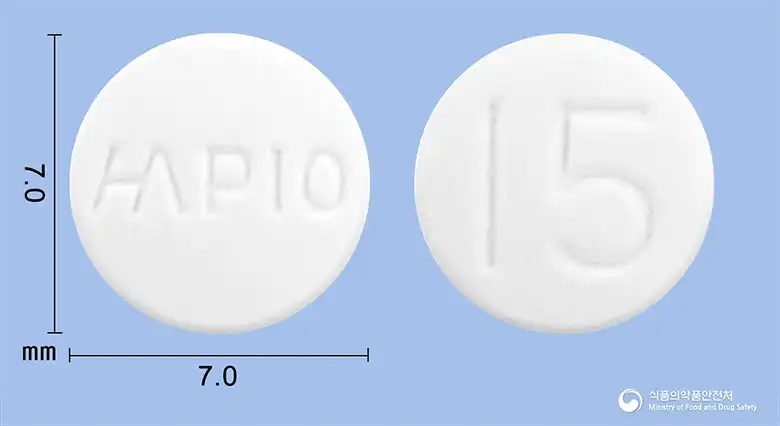
Pioglitazone Hydrochloride 16.53mg
Tablet · Prescription medication
Hanol Bio Pharma Co., Ltd.
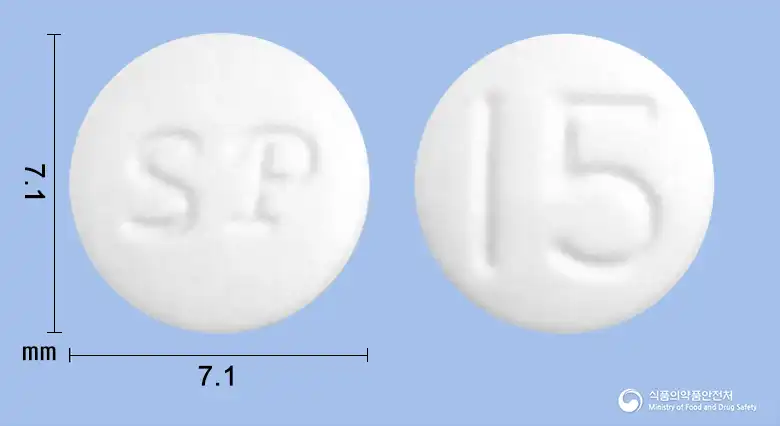
Pioglitazone Hydrochloride 16.53mg
Tablet · Prescription medication
Shinpoong Pharmaceutical Co., Ltd.
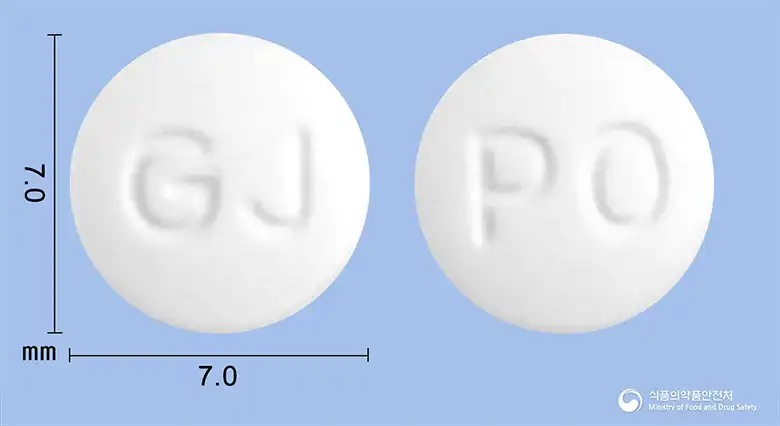
Pioglitazone Hydrochloride 16.53mg
Tablet · Prescription medication
Kujoo Pharmaceutical Co., Ltd.
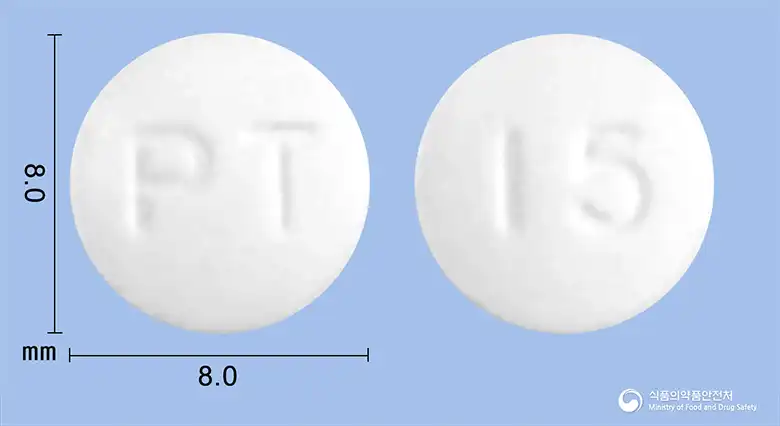
Pioglitazone Hydrochloride 16.53mg
Tablet · Prescription medication
Kyungdong Pharm Co., Ltd.
Even with the same ingredient, the dose and directions can differ by strength and dosage form. Talk to a doctor or pharmacist before switching from a medication you are already taking.
No questions yet.
For anything that needs medical judgment, consult a doctor or pharmacist.
This drug information is based on data provided by the Korea Ministry of Food and Drug Safety.
Consult a doctor or pharmacist for accurate dosage, administration, and usage instructions.