
 한국어
 English
 日本語
 中文(简体)
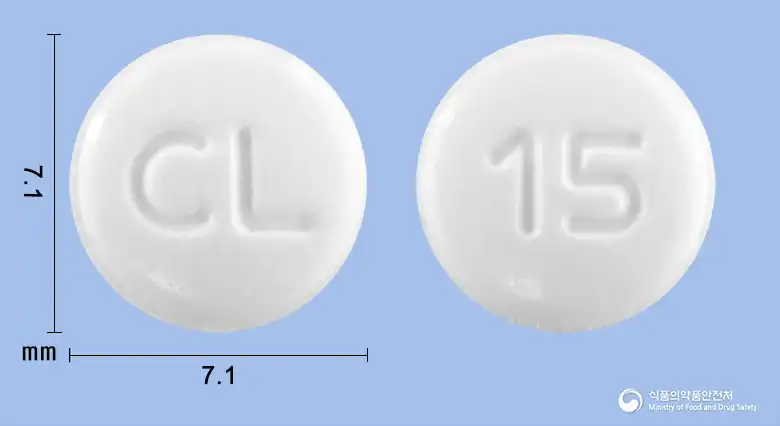 Viewing now
Glustap Tablet (Pioglitazone Hydrochloride)
Pioglitazone Hydrochloride 16.53mg
Tablet · Prescription medication
Celtrion Pharmaceutical Co., Ltd.
MFDS item code 200703870 · Notified 2007.04.03 · Insurance code 693900320
Improvement of glycemic control in type 2 diabetes
This medication is used as an adjunct to diet and exercise to improve blood sugar control in patients with Type 2 diabetes. It can be administered alone, but is also used in combination with sulfonylureas, metformin, or insulin when blood sugar improvement is insufficient despite the use of other oral hypoglycemic agents. Additionally, patients with Type 2 diabetes require nutritional counseling, weight reduction, and regular exercise, and these lifestyle modifications are very important to enhance and maintain the effectiveness of medication. This medication is used to improve blood sugar control.
This medicine is administered orally once daily, with or without food. 1. Monotherapy This medicine may be started at 15 mg once daily as monotherapy in patients whose blood glucose is not adequately controlled by diet and exercise. If the effect is inadequate, the dose may be increased to 30 mg once daily. 2. Combination therapy - When used in combination with a sulfonylurea, metformin, or insulin, the initial dose is 15 mg once daily, and the maximum recommended dose should not exceed 30 mg once daily.
Use is not recommended in children under 18 years of age because there is no experience with its use in this age group.
This medication is used for the treatment of Type 2 diabetes, helping to control blood sugar levels by improving insulin resistance. It may affect heart function and should particularly not be administered to patients with congestive heart failure or a history of heart failure. When initiating treatment or increasing the dose, monitor for congestive heart failure symptoms such as rapid weight gain, shortness of breath, and swelling closely, and seek medical attention immediately if abnormal symptoms occur. Additionally, this medication can cause fluid retention, so it must be used cautiously in patients with edema or those at risk for cardiac disease. Patients with active bladder cancer, a history of bladder cancer, severely impaired liver or kidney function, or diabetic ketoacidosis should not take this medication. If visible blood in urine or urinary disturbances occur during treatment, inform the doctor immediately as there may be a possibility of bladder cancer. This medication acts in conjunction with insulin rather than lowering blood sugar alone, so it is not suitable for patients with Type 1 diabetes. There is a risk of hypoglycemia when taking this medication, especially if taken with other hypoglycemic agents such as insulin or sulfonylureas, hence monitoring for hypoglycemic symptoms is advised. Pregnant women or those who may become pregnant should avoid this medication, and pre-menopausal women should use appropriate contraception, as this medication can induce ovulation. Long-term use of this medication may lead to increased weight and risk of fractures, so it is important to regularly monitor weight changes and bone health. Regular blood sugar and liver function tests should be conducted, and if abnormal symptoms occur, consult a medical professional immediately. Safety and effectiveness have not been established for children and individuals under 18 years old; caution should also be exercised in elderly patients. In cases of overdose, specific symptoms may not be evident, but appropriate treatment should be received under medical guidance. This medication should be kept out of the reach of children and stored in its original container.
Congestive heart failure, excessive and rapid weight change, dyspnea, edema, fluid retention, swelling, upper respiratory tract infection, headache, sinusitis, myalgia, pharyngitis, abdominal distension, weight gain, hypoglycemia, urinary tract infection, back pain, dizziness, diarrhea, elevated serum creatine kinase, hypertension, heart failure, limb pain, chest pain, death due to cardiovascular predisposition, hospitalization due to worsening of congestive heart failure, emergency room visit due to congestive heart failure, cardiovascular adverse events, dizziness, anorexia, constipation, upper abdominal pain, chest discomfort, fatigue, weakness, dyspepsia, nausea, dyspnea, itching, chest discomfort, tremors, chills, gastrointestinal disease, abdominal pain, epigastric discomfort, numbness, muscle rigidity, head discomfort, elevated liver enzymes, worsening of liver disease, urticaria, eczema, arthralgia, knee abnormalities, arm weakness, proteinuria, increased serum creatinine, anxiety, insomnia, drowsiness, simple herpes, blurred vision, orthostatic hypotension, palpitations, stroke, sexual dysfunction, myocardial infarction, abdominal pain, heart failure, adverse reactions related to edema, liver failure, macular edema, fracture
Not everyone experiences these, and they can vary from person to person.
This medication should be stored in a container that protects from light and allows for air exchange, avoiding humid places. Furthermore, it is advisable to store it at room temperature between 15 to 30 degrees Celsius, particularly around 25 degrees Celsius, to maintain its effectiveness.
White round tablets
30 tablets/bottle, 100 tablets/bottle
Even with the same ingredient, strength, dosage form and how it is taken can differ.
Viewing nowPioglitazone Hydrochloride 16.53mg
Tablet · Prescription medication
Celtrion Pharmaceutical Co., Ltd.
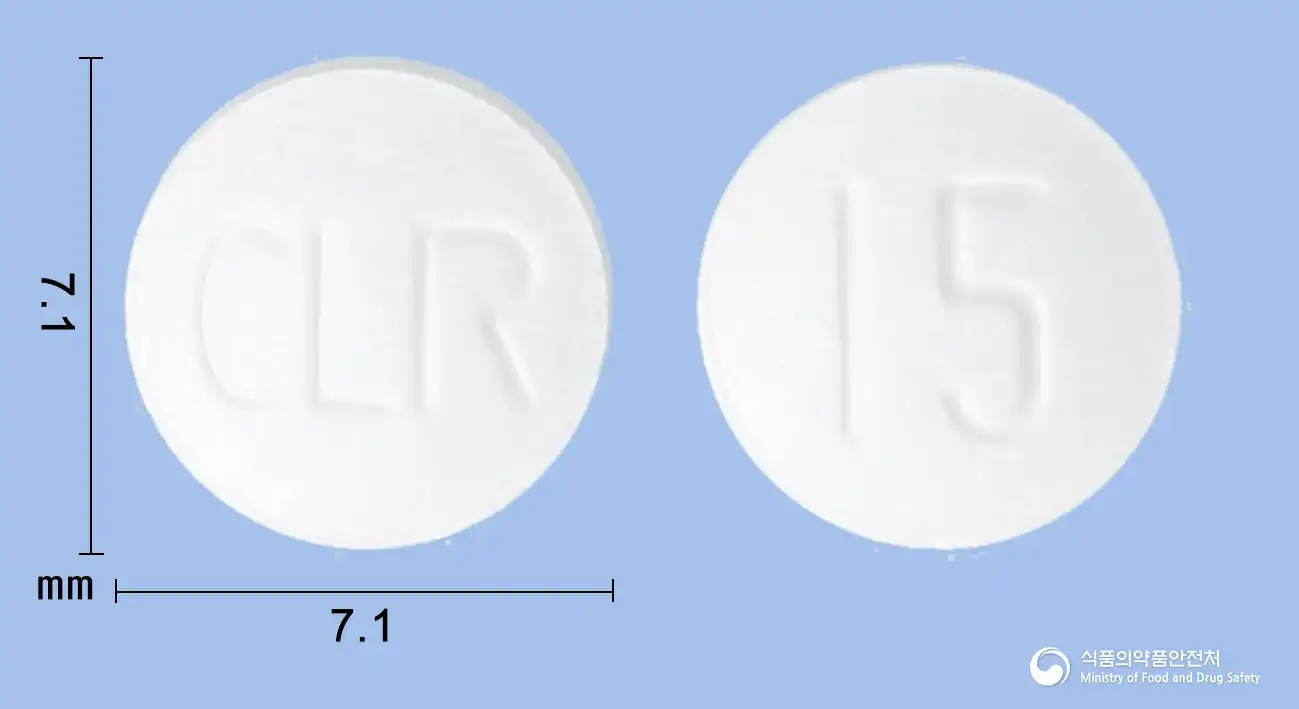
Pioglitazone Hydrochloride 16.53mg
Tablet · Prescription medication
Celltrion Pharmaceutical Co., Ltd.
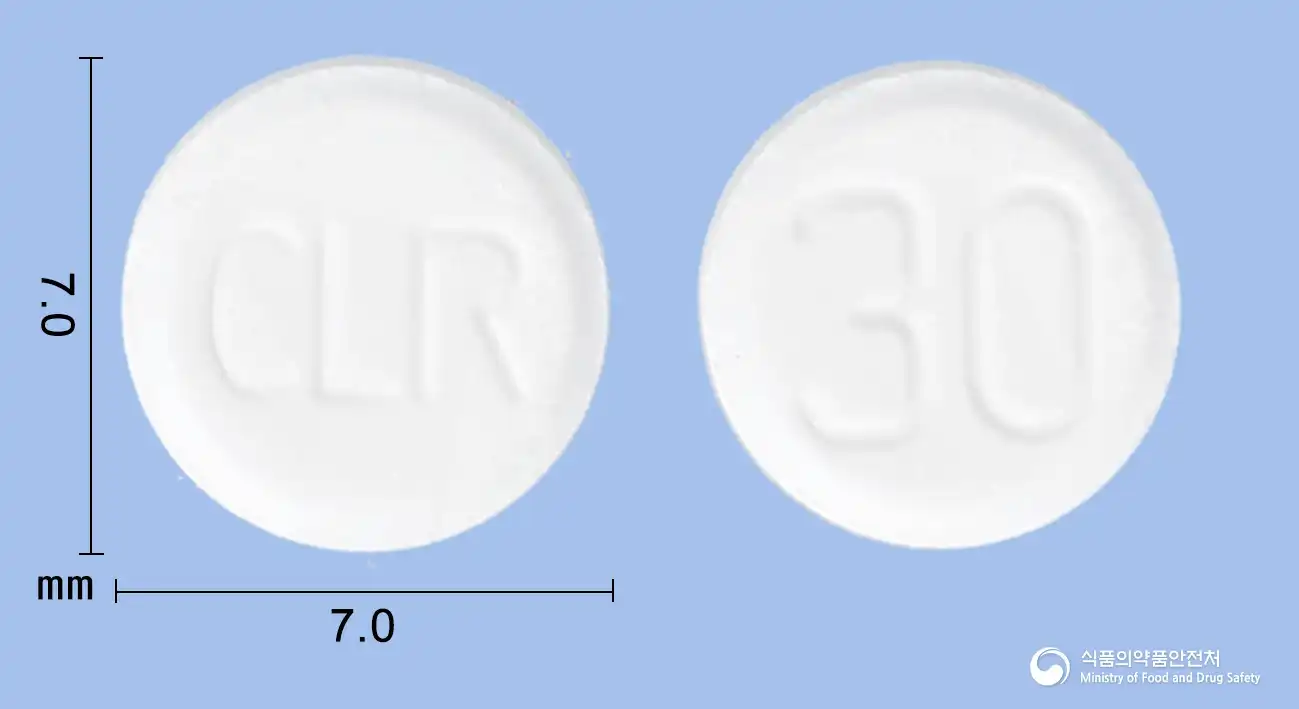
Pioglitazone Hydrochloride 33.06mg
Tablet · Prescription medication
Celltrion Pharmaceutical Co., Ltd.
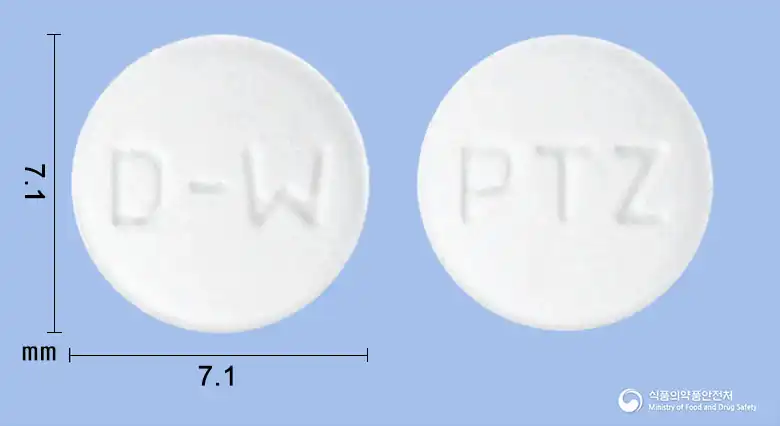
Pioglitazone Hydrochloride 16.53mg
Tablet · Prescription medication
Dongwha Pharmaceutical Co., Ltd.
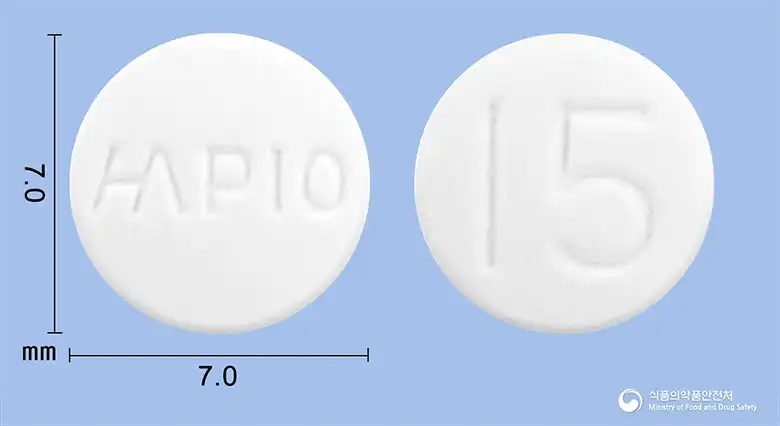
Pioglitazone Hydrochloride 16.53mg
Tablet · Prescription medication
Hanol Bio Pharma Co., Ltd.
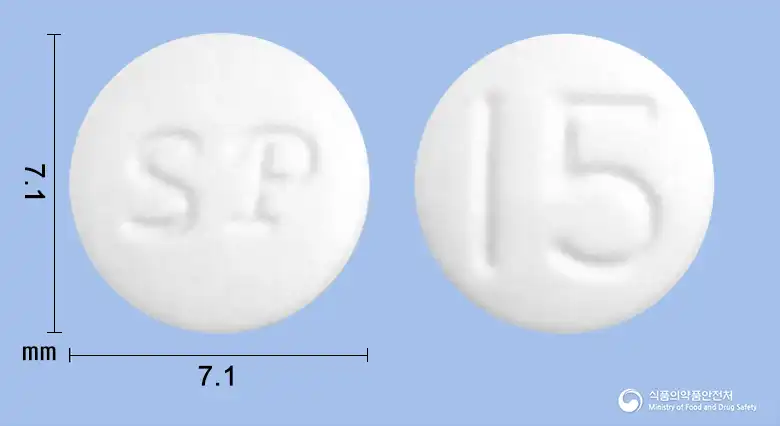
Pioglitazone Hydrochloride 16.53mg
Tablet · Prescription medication
Shinpoong Pharmaceutical Co., Ltd.
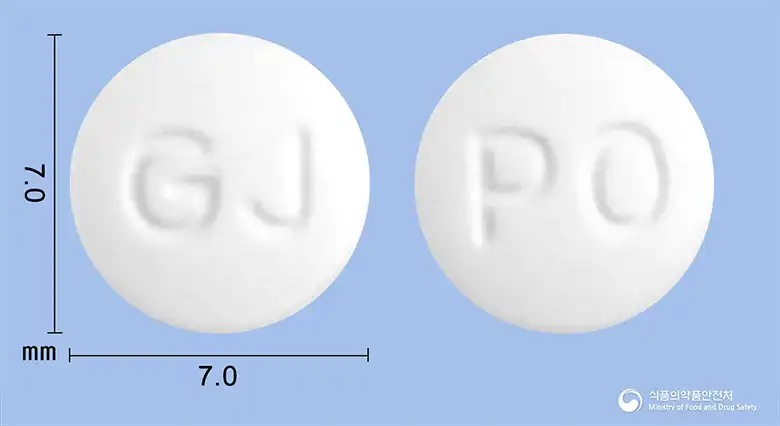
Pioglitazone Hydrochloride 16.53mg
Tablet · Prescription medication
Kujoo Pharmaceutical Co., Ltd.
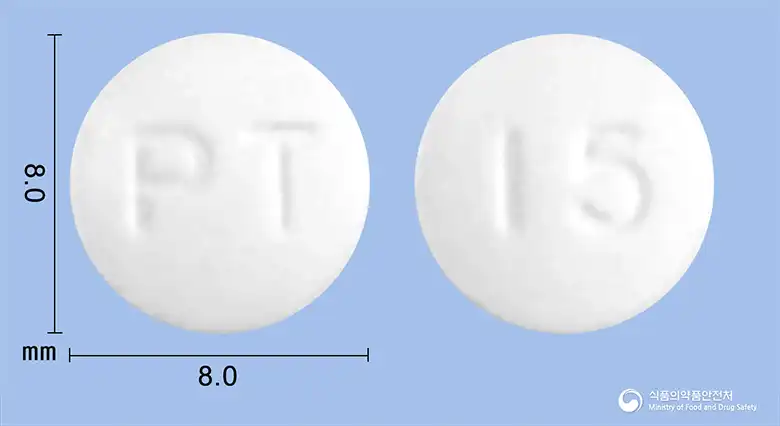
Pioglitazone Hydrochloride 16.53mg
Tablet · Prescription medication
Kyungdong Pharm Co., Ltd.
Even with the same ingredient, the dose and directions can differ by strength and dosage form. Talk to a doctor or pharmacist before switching from a medication you are already taking.
No questions yet.
For anything that needs medical judgment, consult a doctor or pharmacist.
This drug information is based on data provided by the Korea Ministry of Food and Drug Safety.
Consult a doctor or pharmacist for accurate dosage, administration, and usage instructions.