
 한국어
 English
 日本語
 中文(简体)
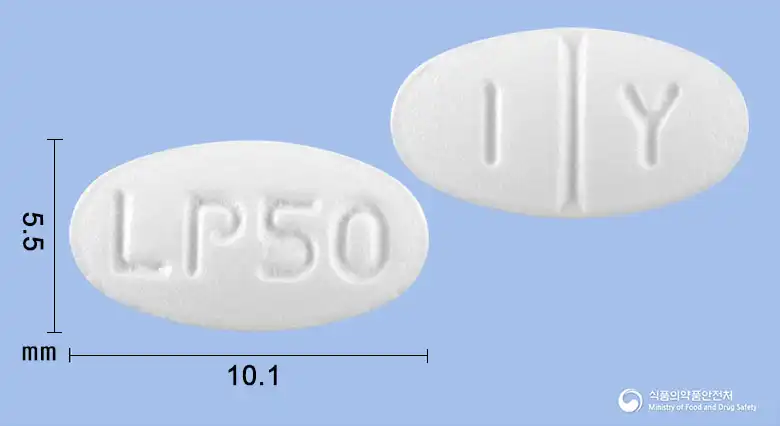 Viewing now
IlYang Losartan Tablets (Losartan Potassium)
Losartan Potassium 50mg
Tablet · Prescription medication
IlYang Pharmaceutical Co., Ltd.
MFDS item code 200501203 · Notified 2005.03.28 · Insurance code 641701650
Treatment of hypertension and kidney disease in patients with type 2 diabetes and hypertension
This medication is used to treat hypertension. It also helps treat kidney disease that can occur in patients with hypertension and type 2 diabetes. In other words, this medicine is effectively used to improve conditions related to hypertension.
This drug may be taken with or without food, but it is recommended that it be taken at the same time each day. Adults with hypertension: The recommended initial and maintenance dose is 50 mg of losartan potassium orally once daily. The maximum blood pressure-lowering effect is achieved 3 ∼ 6 weeks after starting treatment. If the treatment effect is insufficient, the same dose may be divided and administered orally twice daily, or the dose may be increased to up to 100 mg once daily if necessary. If blood pressure is not controlled with this drug alone, it may be administered in combination with other antihypertensive drugs (e.g., a low-dose diuretic). An additive effect has been observed with concomitant administration of hydrochlorothiazide. Nephropathy in patients with type 2 diabetes and hypertension: The usual adult dose is 50 mg of this drug once daily. Depending on blood pressure, the dose may be increased to up to 100 mg once daily. However, an initial dose of 25 mg is recommended for patients at risk of excessive blood pressure reduction. This drug may be administered concomitantly with insulin and commonly used glucose-lowering drugs (e.g., sulfonylureas, glitazones, glucosidase inhibitors). No adjustment of the initial dose is necessary for elderly patients aged 75 years or younger. For patients older than 75 years, an initial dose of 25 mg of this drug once daily is recommended. Creatinine clearance 20 ∼ 50 mL/min: No adjustment of the initial dose is necessary. Creatinine clearance < 20 mL/min and patients on dialysis: An initial dose of 25 mg of this drug once daily is recommended. For patients who may have reduced effective intravascular blood volume (e.g., patients receiving diuretics), an initial dose of 25 mg of this drug once daily is recommended (see Precautions for Use). A lower dose should be considered in patients with a history of hepatic impairment. Do not administer to patients with severe hepatic impairment.
Children and adolescents aged 6 years and older weighing 20 kg or more but less than 50 kg who are able to swallow tablets: The recommended dose is 25 mg of this drug once daily; depending on the patient's blood pressure response, the dose may be increased to a maximum of 50mg once daily. Children and adolescents aged 6 years and older weighing 50 kg or more: The usual recommended dose is 50 mg of this drug once daily; depending on the patient's blood pressure response, the dose may be increased to a maximum of 100 mg once daily. Not recommended for children under 6 years of age, pediatric patients with a glomerular filtration rate below 30 mL/min/1.73㎡, or pediatric patients with hepatic impairment.
This medication, if taken during pregnancy, especially in the second and third trimesters, can cause severe harm to the fetus; thus, women who are pregnant or may become pregnant should avoid using it. Patients with allergic reactions to this medication or those with severely impaired liver function and hereditary angioedema should avoid taking it. Moreover, patients with moderately or severely impaired kidney function among diabetics and those with certain vascular diseases should use it with caution. During treatment, blood pressure may drop sharply, which could lead to dizziness or fainting; if such symptoms occur, consult a doctor immediately. This medication can cause hyperkalemia, therefore, patients who are prone to high potassium levels should have regular blood tests and should avoid taking potassium supplements or medications containing potassium together with this drug. Occasionally, allergic symptoms such as skin rashes, hives, or breathing difficulties may occur; if any unusual symptoms arise, notify healthcare professionals immediately. This medication may affect liver and kidney function, so patients with pre-existing liver or kidney conditions should consult their doctor before use. It has not been confirmed safe for use in children or patients under 6 years of age. Elderly patients may have increased sensitivity to the medication, and side effects may appear more frequently, so caution is advised when taking it. In case of overdose, blood pressure may drop too low or heart rate may become irregular, requiring immediate medical attention. It is advisable to avoid grapefruit juice during the use of this medication, and consult a doctor if taken in conjunction with other antihypertensive medications or diuretics. If planning to become pregnant or currently pregnant, consulting a doctor to determine a safe treatment method is essential. If breastfeeding, it is recommended to stop breastfeeding or avoid using this medication as it may be secreted into breast milk. Finally, this medication should be stored out of reach of children, and it is safer not to transfer it to another container.
Craniosynostosis, anuria, hypotension, renal failure, death, muscle cramps, low back pain, limb pain, dizziness, congestion, upper respiratory infection, sinusitis, nausea, diarrhea, dyspepsia, cough, sinus dysfunction, pharyngitis, myalgia, insomnia, headache, weakness, fatigue, edema, bloating, abdominal pain, chest pain, lip swelling, eyelid swelling, facial rash, palm skin peeling, hemolysis, facial edema, fever, orthostatic effects, syncope, angina, second-degree atrioventricular block, cerebrovascular accident, myocardial infarction, atrial fibrillation, arrhythmia, palpitations, bradycardia, tachycardia, ventricular tachycardia, ventricular fibrillation, anorexia, constipation, toothache, dry mouth, flatulence, gastritis, vomiting, anemia, gout, upper limb pain, hip joint pain, joint swelling, knee pain, muscle weakness, shoulder pain, muscle rigidity, arthralgia, arthritis, fibromyalgia, anxiety, anxiety disorder, ataxia, confusion, depression, nightmares, sensory impairment, decreased libido, memory impairment, migraine, sensitivity, paresthesia, peripheral neuropathy, panic disorder, sleep disorder, hypersomnia, tremor, dyspnea, bronchitis, throat discomfort, epistaxis, rhinitis, respiratory congestion, chest discomfort, hair loss, dermatitis, dry skin, petechiae, erythema, flushing, photosensitivity reactions, pruritus, rash, sweating, urticaria, blurred vision, eye burning sensation, pain, conjunctivitis, taste disturbance, tinnitus, visual impairment, erectile dysfunction, nocturia, frequent urination, urethral infection, vascular edema, vasculitis, anaphylactoid syndrome, liver dysfunction, hepatitis, bowel vascular edema, lethargy, thrombocytopenia, myalgia, weakness, elevated creatine kinase, rhabdomyolysis, taste disturbance, dry cough, erythroderma, hyperkalemia, hyponatremia, elevated ALT, syncope, loss of consciousness, acute hepatitis, fulminant hepatitis, ventricular extrasystole, hypoglycemia, shock symptoms due to blood pressure decrease, loss of consciousness due to blood pressure decrease, dyspnea due to blood pressure decrease
Not everyone experiences these, and they can vary from person to person.
This medication should be stored in a tightly sealed container to prevent exposure to air or moisture, and it is safest to keep it at room temperature between 1°C and 30°C. Therefore, avoid storing it in places that are too hot or too cold and keep it in a location where a constant temperature can be maintained.
White oval film-coated tablets
30 tablets/bottle, 100 tablets/bottle
Even with the same ingredient, strength, dosage form and how it is taken can differ.
Viewing nowLosartan Potassium 50mg
Tablet · Prescription medication
IlYang Pharmaceutical Co., Ltd.
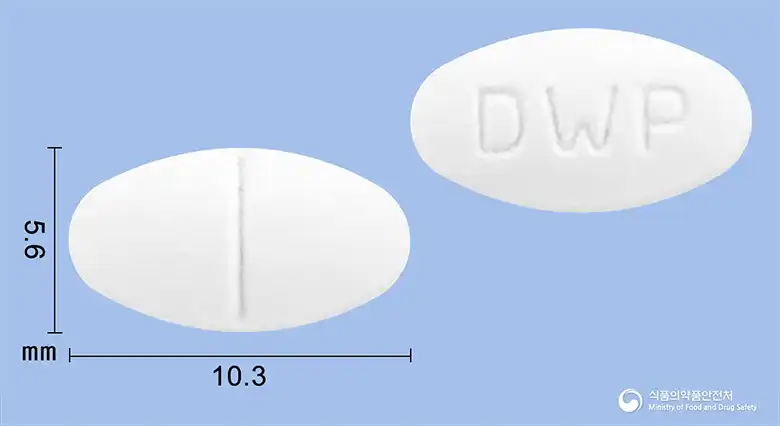
Losartan Potassium 50mg
Tablet · Prescription medication
DaeWon Pharmaceutical Co., Ltd.
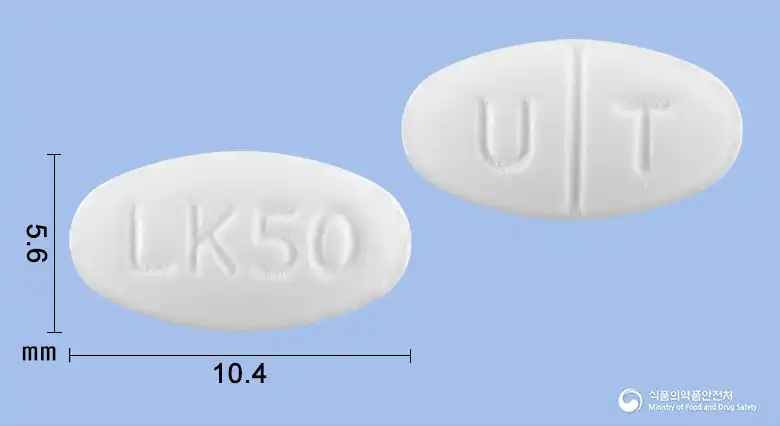
Losartan Potassium 50mg
Tablet · Prescription medication
Korea United Pharm, Co., Ltd.
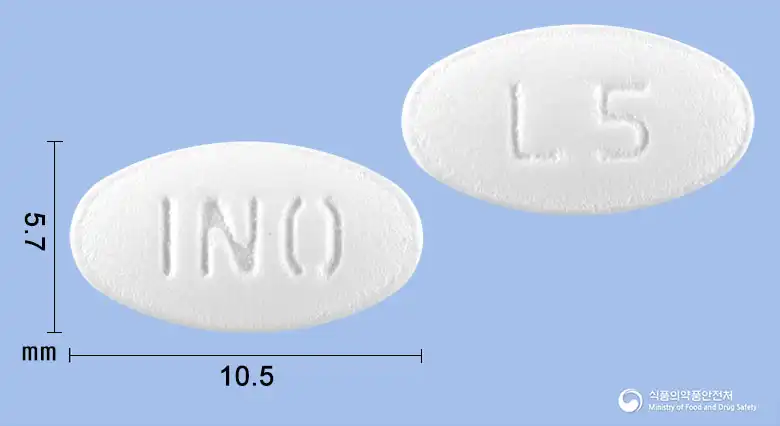
Losartan Potassium 50mg
Tablet · Prescription medication
HK Inno.N Co., Ltd.
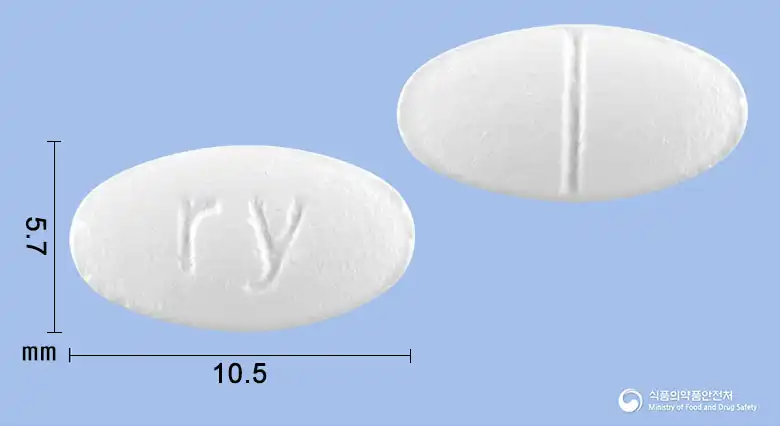
Losartan Potassium 50mg
Tablet · Prescription medication
IYON Pharmaceuticals Co., Ltd.
Losartan Potassium
Prescription medication
JW ShinYak Co., Ltd.
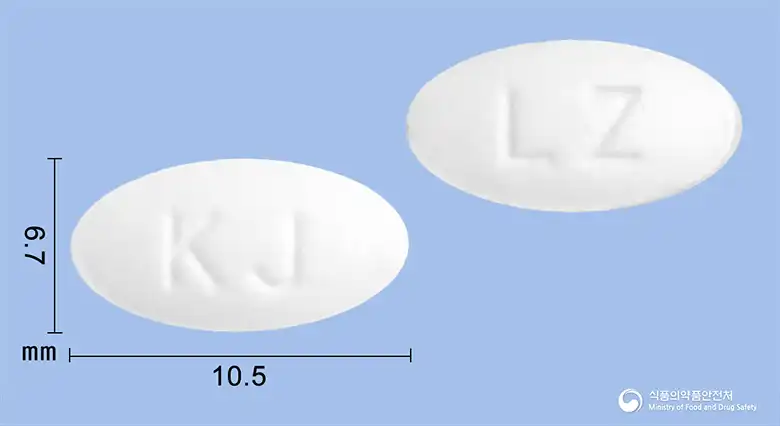
Losartan Potassium 50mg
Tablet · Prescription medication
Kukje Pharmaceutical Co., Ltd.
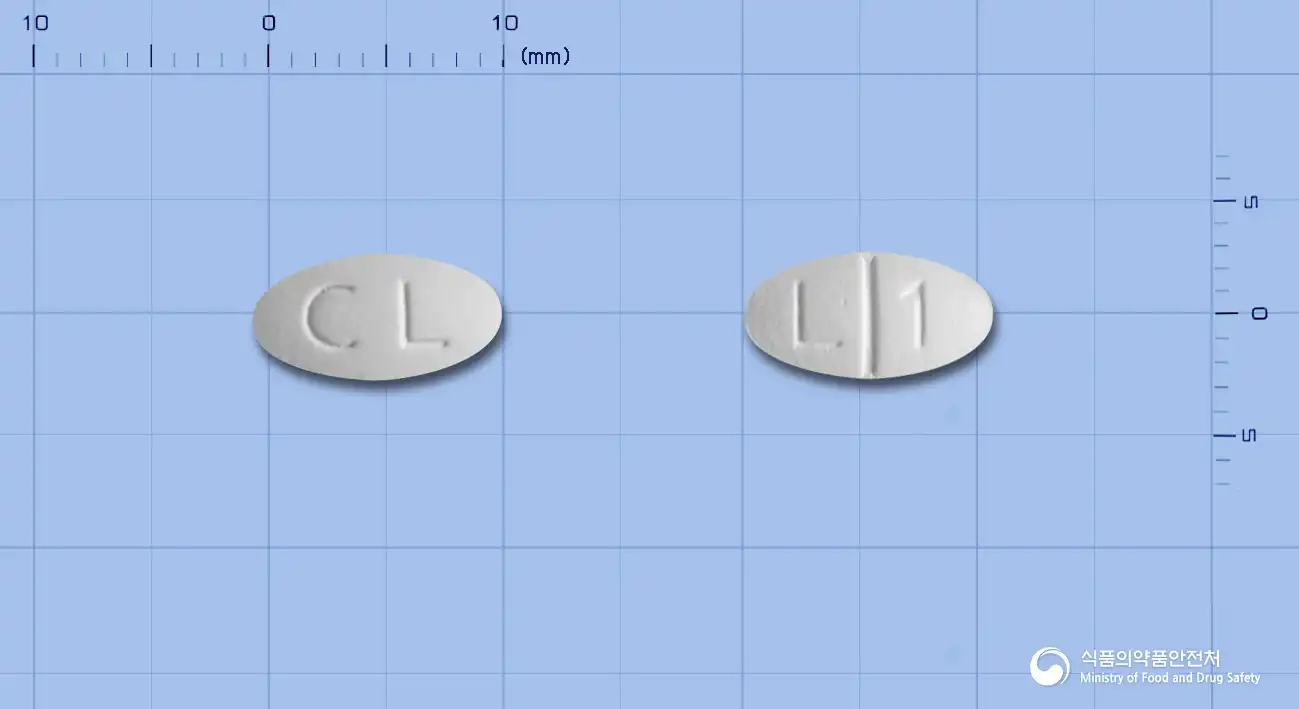
Losartan Potassium 50mg
Tablet · Prescription medication
Celltrion Pharmaceutical Co., Ltd.
Even with the same ingredient, the dose and directions can differ by strength and dosage form. Talk to a doctor or pharmacist before switching from a medication you are already taking.
No questions yet.
For anything that needs medical judgment, consult a doctor or pharmacist.
This drug information is based on data provided by the Korea Ministry of Food and Drug Safety.
Consult a doctor or pharmacist for accurate dosage, administration, and usage instructions.