
 한국어
 English
 日本語
 中文(简体)
 Viewing now
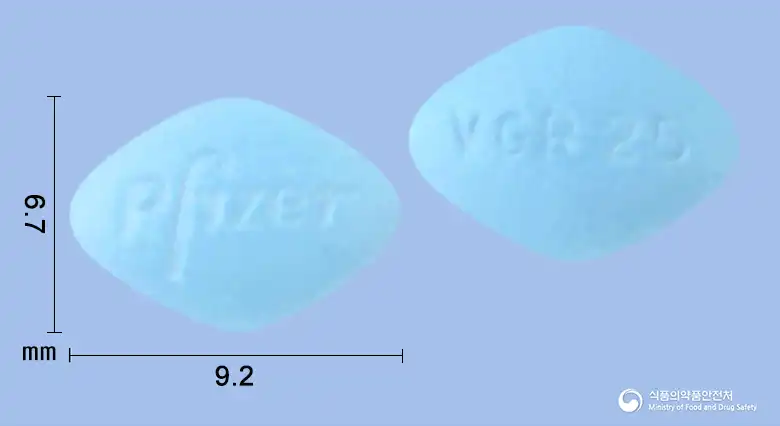
Viagra 25mg (Sildenafil Citrate)
Sildenafil Citrate 35.112mg
Tablet · Prescription medication
Viatriss Korea Co., Ltd.
MFDS item code 200410081 · Approved 2004.05.03
Treatment of erectile dysfunction
This medication is used for the treatment of erectile dysfunction.
For sildenafil, the recommended dose is 25 ∼ 50 mg orally once daily approximately 1 hour before sexual activity. In some cases, it may be taken 4 hours to 30 minutes before sexual activity. The dose may be increased or decreased according to efficacy and tolerability. The initial dose should be adjusted to 25 mg in the following patients, as sildenafil plasma concentrations may be increased: - Age 65 years or older (AUC increased by 40 %) - Hepatic impairment (cirrhosis: 80 %) - Severe renal impairment (creatinine clearance 30 mL/min or less: 100 %) - Concomitant use with CYP3A4 inhibitors (e.g., ketoconazole, itraconazole, erythromycin (182 %), saquinavir (210 %)); increased blood concentrations may increase efficacy and the incidence of adverse reactions. - In patients receiving concomitant ritonavir, do not exceed 25 mg as a maximum single dose over 48 hours.
This medication has a vasodilatory effect and may lower blood pressure. Therefore, you must inform your doctor before taking this medication or during its use if you are concurrently taking nitrates or nitric oxide (NO) donors, as this could lead to dangerously low blood pressure. Patients with heart or vascular issues should carefully check their cardiovascular condition prior to taking this medication, and it is safer not to take it if there are severe cardiovascular diseases. Because sexual activity itself can put strain on the heart, patients with cardiovascular diseases should consult with their physicians before starting treatment with this medication. This medication can temporarily lower blood pressure even in healthy individuals, so especially patients with underlying cardiovascular diseases should exercise caution when taking this medication and engaging in sexual activity. Patients who have had serious heart rhythm abnormalities, heart failure, unstable angina, hypotension, or uncontrolled hypertension, or pigmentary retinopathy in the last 6 months should not take this medication. An erection lasting more than 4 hours should receive immediate medical attention, as untreated, this can lead to penile tissue damage and permanent loss of erectile function. This medication may have more severe side effects in patients with specific heart conditions or significantly impaired blood pressure regulation. Caution is needed when taken in conjunction with certain antivirals (such as ritonavir), as this can greatly increase the blood concentration of this medication and raise the risk of side effects, necessitating dose adjustment. This medication should not be used by patients who are allergic to it, those taking nitrates, patients prohibited from engaging in sexual activity due to cardiovascular diseases, patients with severe liver or kidney dysfunction, and children under 18 years and women. Extra caution is also required when taken with other erectile dysfunction treatments or specific cardiovascular medications. Older adults, patients with reduced liver or kidney function, and those taking certain medications should start at a lower dose and consult their doctor regarding the likelihood of side effects. Common side effects when taking this medication include headache, facial flushing, dyspepsia, dizziness, visual disturbances, and more. Rarely, serious cardiovascular reactions or vision loss, hearing loss have been reported. If symptoms are severe or sudden changes in vision or hearing occur, discontinue use immediately and seek medical attention. This medication may cause dizziness or visual disturbances while driving or operating machinery. Be sure to inform your doctor if you are taking other medications for hypertension, antivirals, alpha-blockers, etc., as there may be drug interactions. Overdose may intensify side effects, so prescribed doses must be strictly followed, and in the case of overdose, immediate medical attention is needed. Keep out of reach of children and do not transfer to another container. This medication should not be used by pregnant or breastfeeding women. Taking this medication with food may delay the onset of its effects, therefore follow your doctor's instructions regarding how to take it. This medication does not provide protection against sexually transmitted diseases, so appropriate preventive measures should be taken during sexual activity.
Not everyone experiences these, and they can vary from person to person.
Keep this medication tightly closed in a container to prevent moisture and air entry, and it is best to store it at room temperature between 1°C and 30°C. By storing it this way, the efficacy of the medication can be maintained for a longer period.
Slightly round diamond-shaped blue film-coated tablet
4 tablets/blister [4 tablets/blister x 1]
Even with the same ingredient, strength, dosage form and how it is taken can differ.
Viewing nowSildenafil Citrate 35.112mg
Tablet · Prescription medication
Viatriss Korea Co., Ltd.
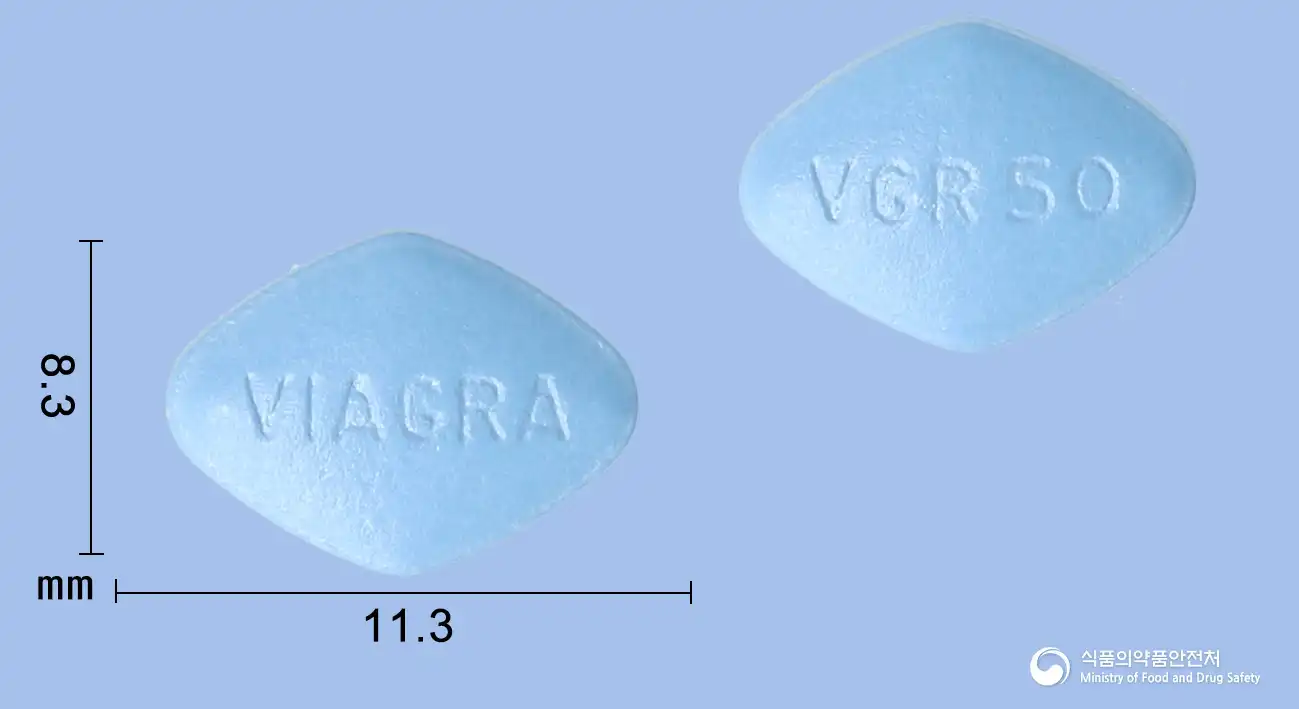
Sildenafil Citrate 70.225mg
Tablet · Prescription medication
Viatris Korea Co., Ltd.
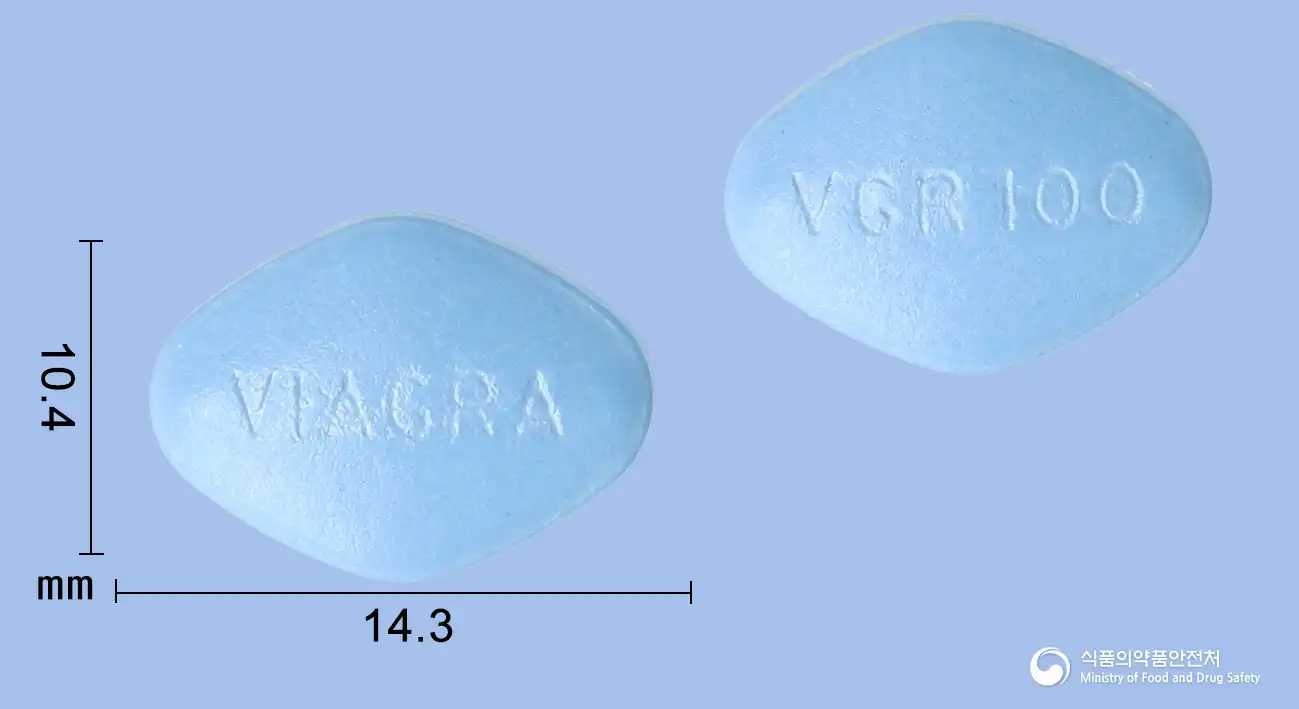
Sildenafil Citrate 140.45mg
Tablet · Prescription medication
Viatris Korea Co., Ltd.
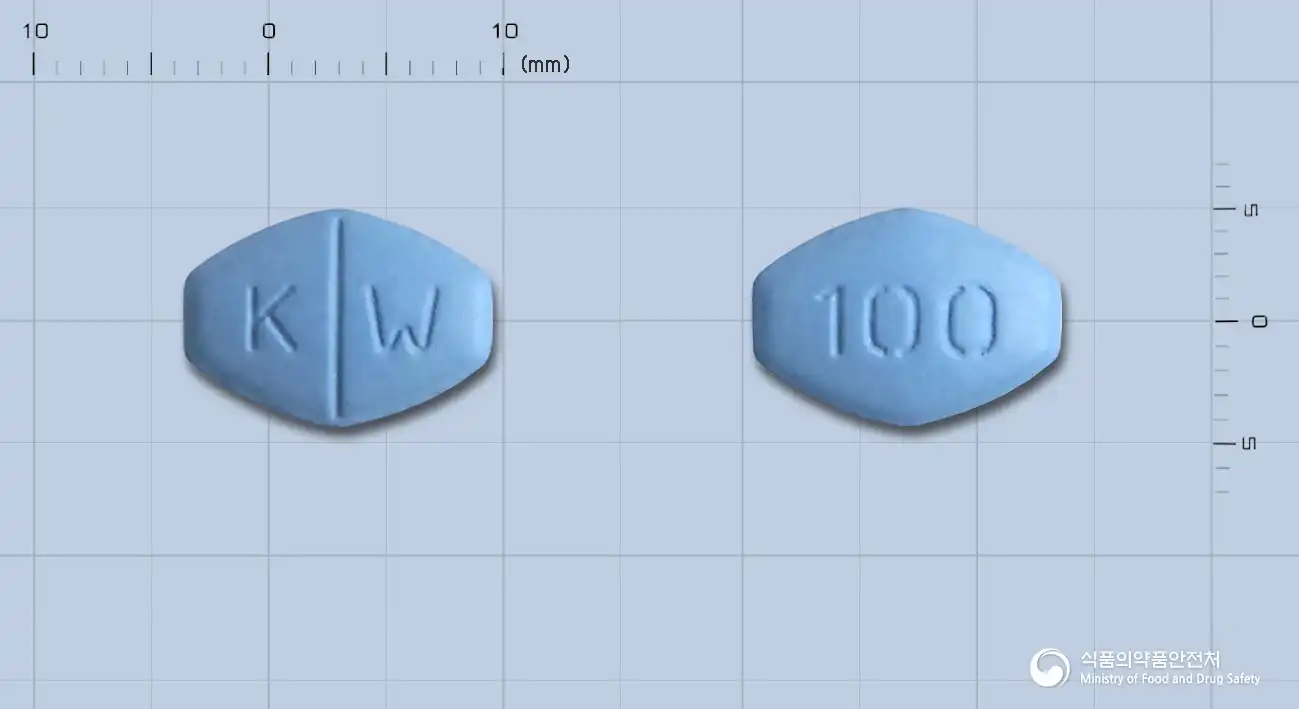
Sildenafil Citrate 140.45mg
Tablet · Prescription medication
Albozen Korea Co., Ltd.
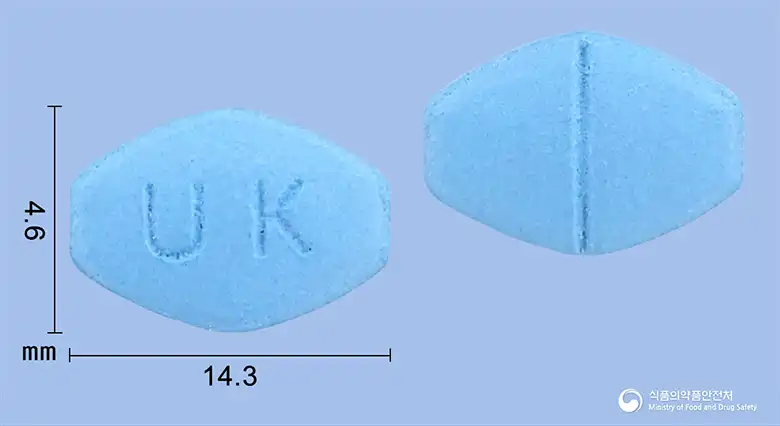
Sildenafil Citrate 140.45mg
Tablet · Prescription medication
Korea Union Pharmaceutical Co., Ltd.
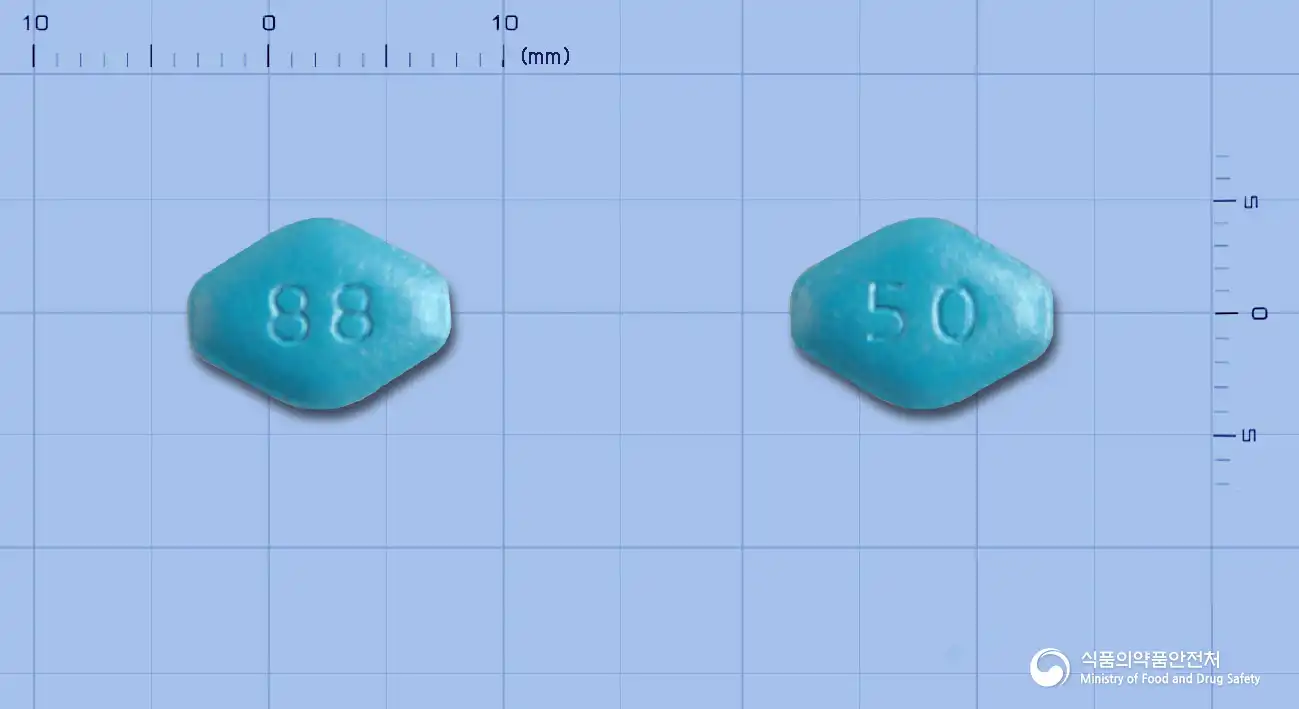
Sildenafil Citrate 70.23mg
Tablet · Prescription medication
Hanmi Pharmaceutical Co., Ltd.
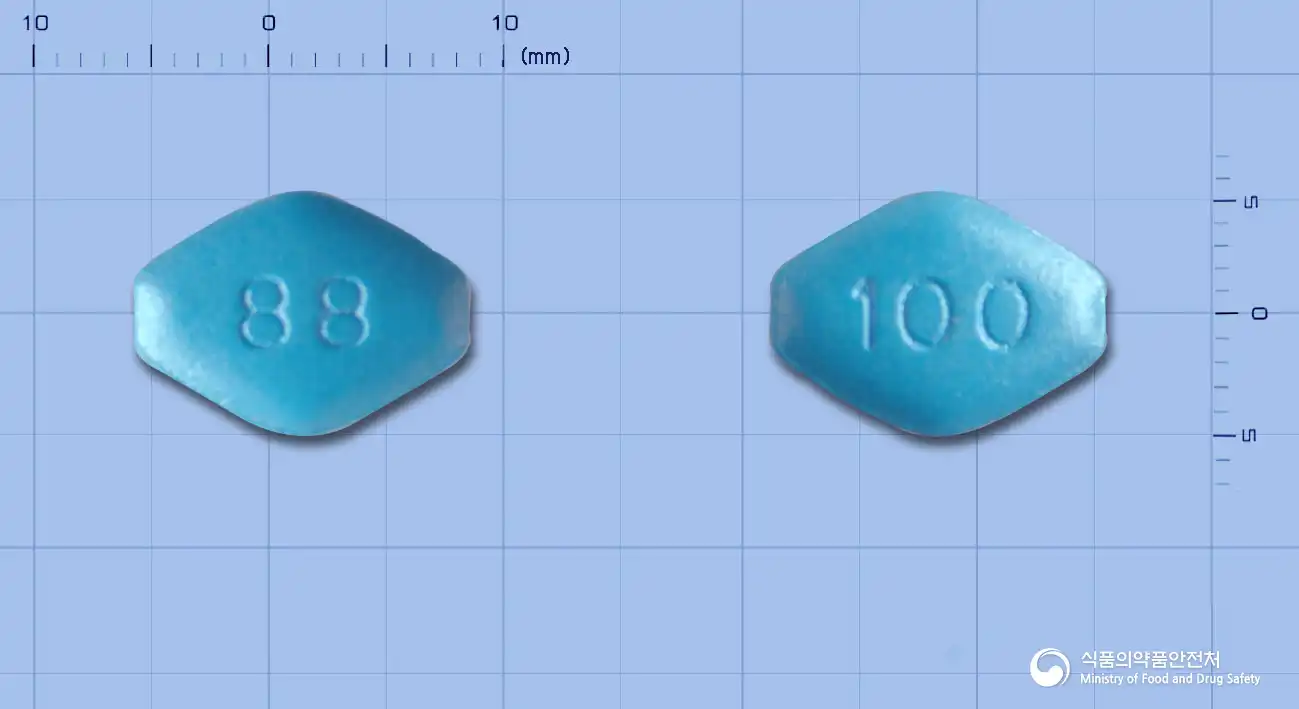
Sildenafil Citrate 140.45mg
Tablet · Prescription medication
Hanmi Pharmaceutical Co., Ltd.
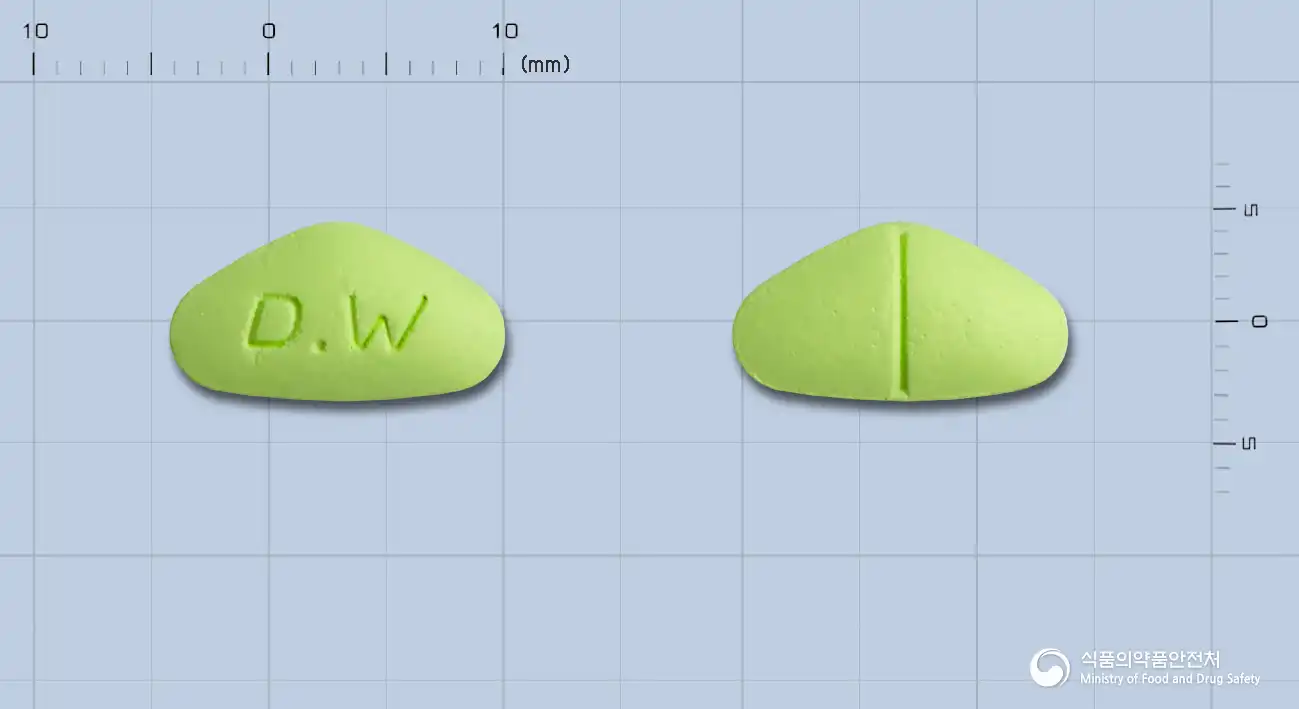
Sildenafil Citrate 140.45mg
Tablet · Prescription medication
Daewoong Pharmaceutical Co., Ltd.
Even with the same ingredient, the dose and directions can differ by strength and dosage form. Talk to a doctor or pharmacist before switching from a medication you are already taking.
No questions yet.
For anything that needs medical judgment, consult a doctor or pharmacist.
This drug information is based on data provided by the Korea Ministry of Food and Drug Safety.
Consult a doctor or pharmacist for accurate dosage, administration, and usage instructions.