
 한국어
 English
 日本語
 中文(简体)
Summary
- Main use
- Treatment of essential hypertension not controlled with eprosartan monotherapy
- Who takes it
- Adults
- Adult dose
- Administer 1 tablet once daily in the morning. This medicine may be administered alone or in combination with other antihypertensive medicines. This medicine may be administered regardless of meals.
Ingredients
- Manufacturer
- Handok Co., Ltd.
Efficacy & effects
Treatment of essential hypertension not controlled with eprosartan monotherapy
- Essential hypertension
View approved original textHide original text
Eprosartan is primarily used in the treatment of essential hypertension, but there are instances where the therapeutic effect is insufficient when used alone. In such cases, blood pressure control can be made more effective through combination therapy with other medications. It is important for patients to consult with their doctor to establish an optimal treatment plan. Therefore, eprosartan is used for the treatment of essential hypertension.
How to take
Adult dose
Administer 1 tablet once daily in the morning. This medicine may be administered alone or in combination with other antihypertensive medicines. This medicine may be administered regardless of meals.
Precautions
This medication can cause serious harm to the fetus when taken during pregnancy, especially in the second and third trimesters, so it should be discontinued immediately upon confirmation of pregnancy. If a pregnant woman takes this medication, serious side effects such as fetal hypotension, renal dysfunction, and cranial formation abnormalities may occur. If exposure occurs during early pregnancy, the condition of the fetus should be monitored closely, and it is advisable to switch to other safer medications if possible during pregnancy. This medication is contraindicated in patients with certain allergic reactions, severe liver or kidney dysfunction, pregnant and nursing women, etc. Patients with heart failure or kidney disease may experience blood pressure reduction and deterioration of kidney function while taking this medication, so regular check-ups are necessary. The risk of side effects may increase when this medication is used with other antihypertensive drugs or drugs affecting potassium levels, so it is essential to consult with a physician. The hydrochlorothiazide component can cause electrolyte imbalance, so potassium, sodium, and other blood levels should be checked regularly. An increased risk of skin cancer and photosensitivity reactions has been reported, so caution should be taken with sun exposure, and any unusual symptoms should be reported to a medical facility immediately. Overdosage may lead to hypotension, dehydration, electrolyte imbalance, etc., so it is important to adhere to the dosage and consult medical staff if any unusual symptoms occur. Dizziness or fatigue may occur, requiring caution while driving or operating machinery.
Side effects
- Headache
- nonspecific gastrointestinal symptoms
- dizziness
- hypotension
- intestinal vascular edema
- allergic skin reactions
- angioedema
- renal failure
- weakness
- arthralgia
Show 73 moreCollapse
- aplastic anemia
- agranulocytosis
- hemolytic anemia
- leukopenia
- thrombocytopenia
- anaphylactic reactions
- anorexia
- hypokalemia
- hyponatremia
- hypercalcemia
- hypomagnesemia
- hypochloremia
- hyperuricemia
- gout
- hyperglycemia
- hypercholesterolemia
- hypertriglyceridemia
- sexual dysfunction
- sensory disturbances
- somnolence
- visual impairment
- choroidal effusion
- acute myopia
- acute angle-closure glaucoma
- vertigo
- vasculitis
- pulmonary edema
- pneumonia
- acute respiratory distress syndrome
- pancreatitis
- abdominal pain
- vomiting
- diarrhea
- nausea
- constipation
- gastric discomfort
- jaundice
- toxic epidermal necrolysis
- photosensitivity reaction
- erythematous lupus
- systemic lupus erythematosus
- muscle cramps
- interstitial nephritis
- renal impairment
- sexual dysfunction
- fever
- fatigue
- depression
- anxiety
- insomnia
- nervous irritability
- neuralgia
- bronchitis
- cough
- nosebleed
- pharyngitis
- rhinitis
- upper respiratory infection
- gastroenteritis
- nausea
- sweating
- arthrosis
- low back pain
- ankle edema
- arthritis
- proteinuria
- urinary tract infection
- thirst
- palpitations
- gastric irritation
- gastrointestinal discomfort
- syncope
- cold
Not everyone experiences these, and they can vary from person to person.
Storage
This medication may be sensitive to air and moisture, so it should be stored in a tightly sealed container. In addition, to maintain the medication's effectiveness, it should be stored in a cool place below 25 degrees Celsius.
Appearance and packaging
Appearance
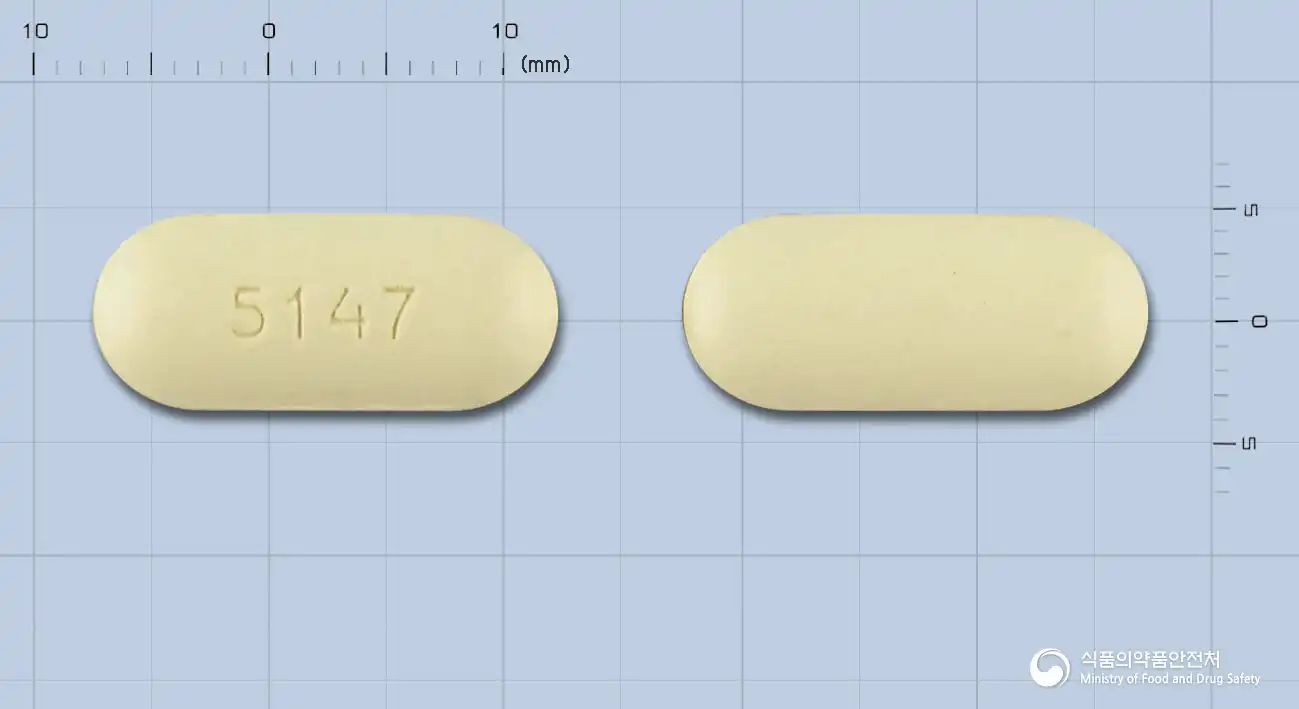
Capsule-shaped yellowish film-coated tablet
Package unit
30 tablets/bottle, 100 tablets/bottle
Questions about this medicine
No questions yet.
For anything that needs medical judgment, consult a doctor or pharmacist.