
 한국어
한국어 English
 日本語
日本語 中文(简体)
 Viewing now
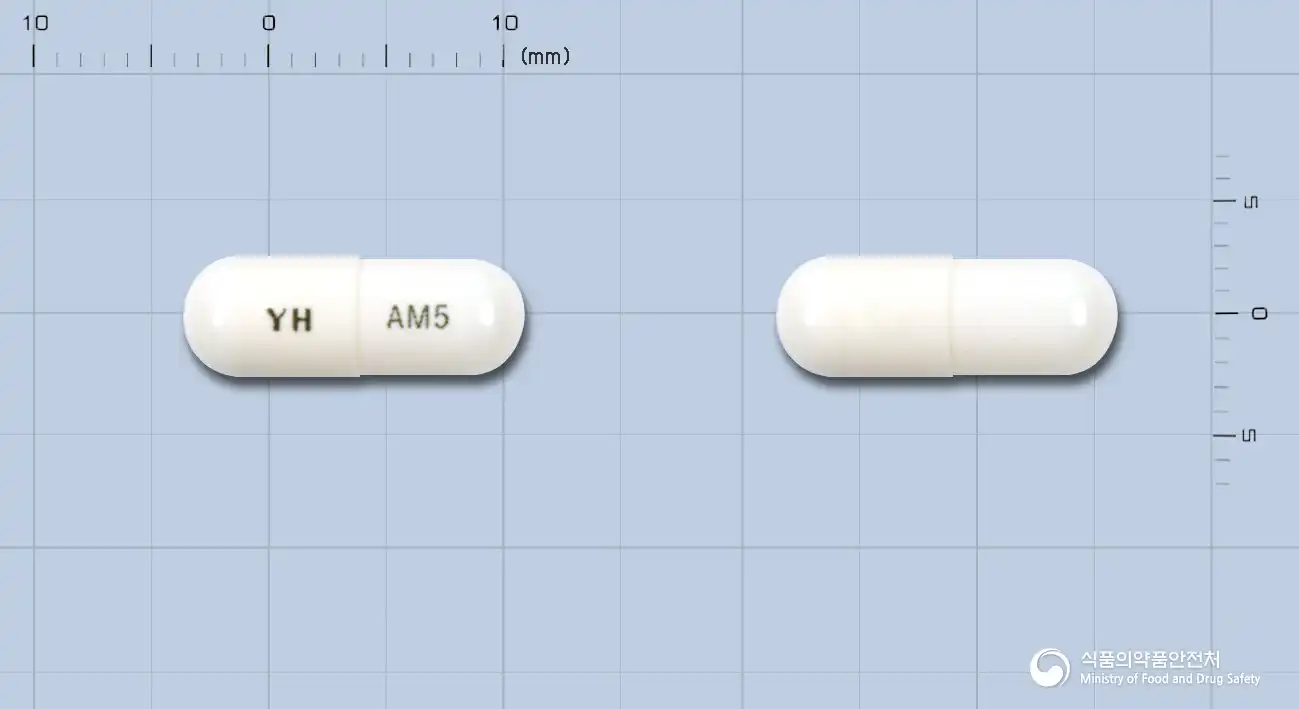
Amlopin Capsule 5 mg (Amlodipine Maleate)
Amlodipine Maleate 6.42mg
Hard capsule · Prescription medication
Yuhan Corporation
MFDS item code 200400511 · Notified 2004.07.22 · Insurance code 642101140
Treatment of myocardial ischemia due to hypertension and stable or variant angina, and reduction of the risk of hospitalization for angina and coronary artery revascularization.
This medication is used for the treatment of hypertension and stable angina, as well as myocardial ischemia due to coronary artery spasm. It also reduces the risk of hospitalization due to angina in patients without heart failure or with normal cardiac output. Additionally, it helps reduce risks that may arise during coronary artery revascularization. In summary, it is a medication that aids in the treatment of cardiovascular diseases and the prevention of complications.
The oral dose for adults is 5 mg of amlodipine once daily, which can be increased to a maximum of 10 mg per day depending on the patient's response. Adjustment should be made according to age and symptoms.
The effective oral dose of amlodipine for hypertension in children is 2.5 mg to 5 mg once daily. Doses exceeding 5 mg per day in pediatric patients have not been studied.
This medication should not be taken by anyone with an allergy or hypersensitivity to this drug or its ingredients. It is safest not to use this drug during pregnancy or if there is a possibility of pregnancy, as well as by nursing mothers. Patients in a state of cardiac shock, those with severely compromised cardiac function, and patients with severe aortic valve stenosis should not take this drug. Patients with unstable angina or those who have had a recent myocardial infarction within the last month should also avoid using this medication. Patients with severely impaired liver function and those with very low blood pressure should avoid taking this drug. Patients with severe kidney disease, the elderly, acute heart failure patients, and those with slightly impaired liver function should use this medication cautiously and take it under medical supervision. While taking this medication, one should be aware that side effects such as flushing, fatigue, edema, palpitations, dizziness, headache, nausea, drowsiness, and ankle swelling may occur. In severe cases, hypotension, vasculitis, skin rash, liver dysfunction, and allergic reactions may occur, thus if any unusual symptoms occur, it is essential to consult healthcare professionals immediately. Sudden discontinuation of this medication may worsen symptoms, so when discontinuing or changing the dosage, it should be adjusted slowly according to a doctor's instructions. This medication should be taken with water, and caution should be exercised during driving or operation of hazardous machinery due to possible dizziness or drowsiness. Additionally, this medication may interact with other antihypertensive drugs or specific antibiotics and antidepressants, so it is vital to inform healthcare providers of any other medications being taken. During pregnancy or while breastfeeding, given the unknown safety of this medication, it should be avoided and consulted with a professional if necessary. For children, use is recommended only for those aged 6 years and older, and the elderly should start with a low dose and use it cautiously. In the event of overdose, severe hypotension or cardiac problems may occur, so it is crucial to avoid exceeding the recommended dose and to visit a medical institution immediately if unusual symptoms arise. Finally, this medication should be kept out of reach of children and should not be transferred to other containers.
Hives, severe swelling (edema), angioedema, chest tightness, difficulty breathing, cold sweats, paleness, severe allergic reactions, severe rash with high fever, blistering, skin peeling, mucosal pain in the mouth/eyes, severe skin adverse reactions, asthma attacks, respiratory distress accompanied by cough and fever, yellowing of the skin or eyes (jaundice), extreme fatigue throughout the body, liver dysfunction (jaundice), sudden and severe headache, thunderclap headache.
Not everyone experiences these, and they can vary from person to person.
This medication is sensitive to light, so it should be stored in an opaque container. It is also recommended to keep the medication at room temperature between 1 degree and 30 degrees Celsius. This will help maintain the efficacy and safety of the medication.
A white or pale yellow powder inside a white hard capsule.
30 capsules/box [10 capsules/PTP X 3], 30 capsules/bottle, 300 capsules/bottle
Even with the same ingredient, strength, dosage form and how it is taken can differ.
Viewing nowAmlodipine Maleate 6.42mg
Hard capsule · Prescription medication
Yuhan Corporation
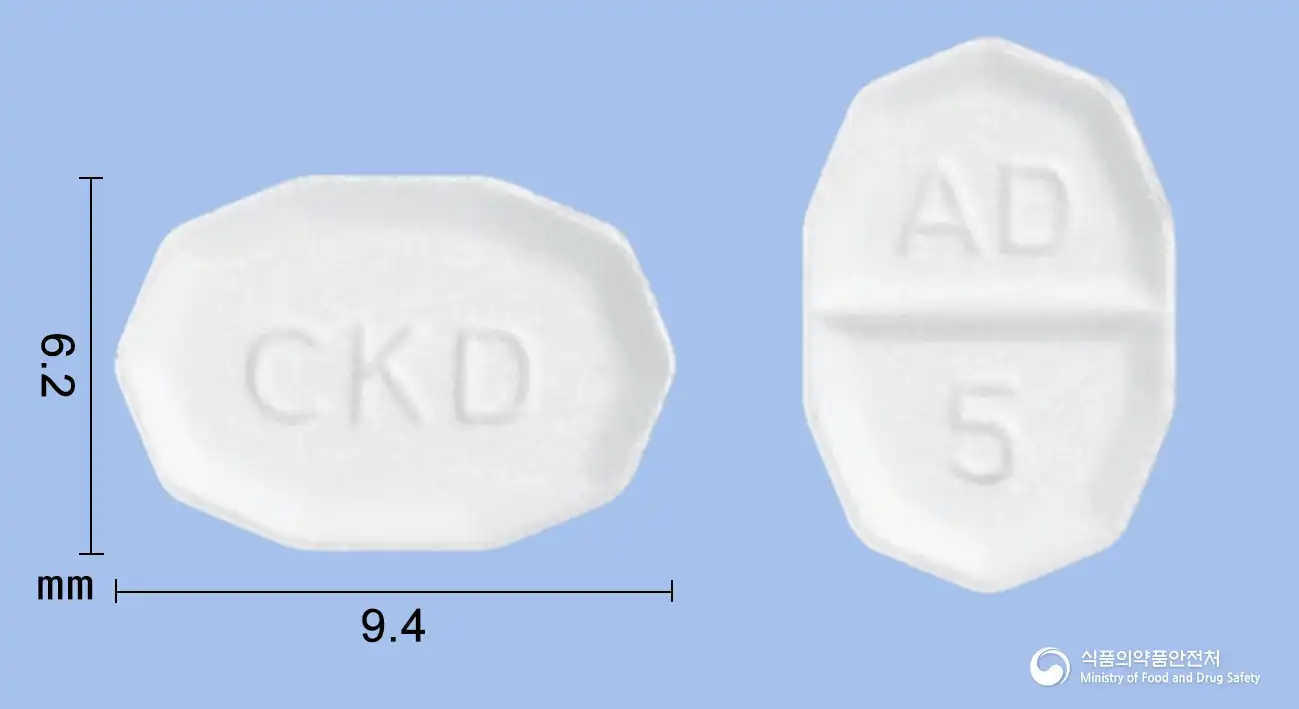
Amlodipine Maleate 6.42mg
Tablet · Prescription medication
Jongkundang Co., Ltd.
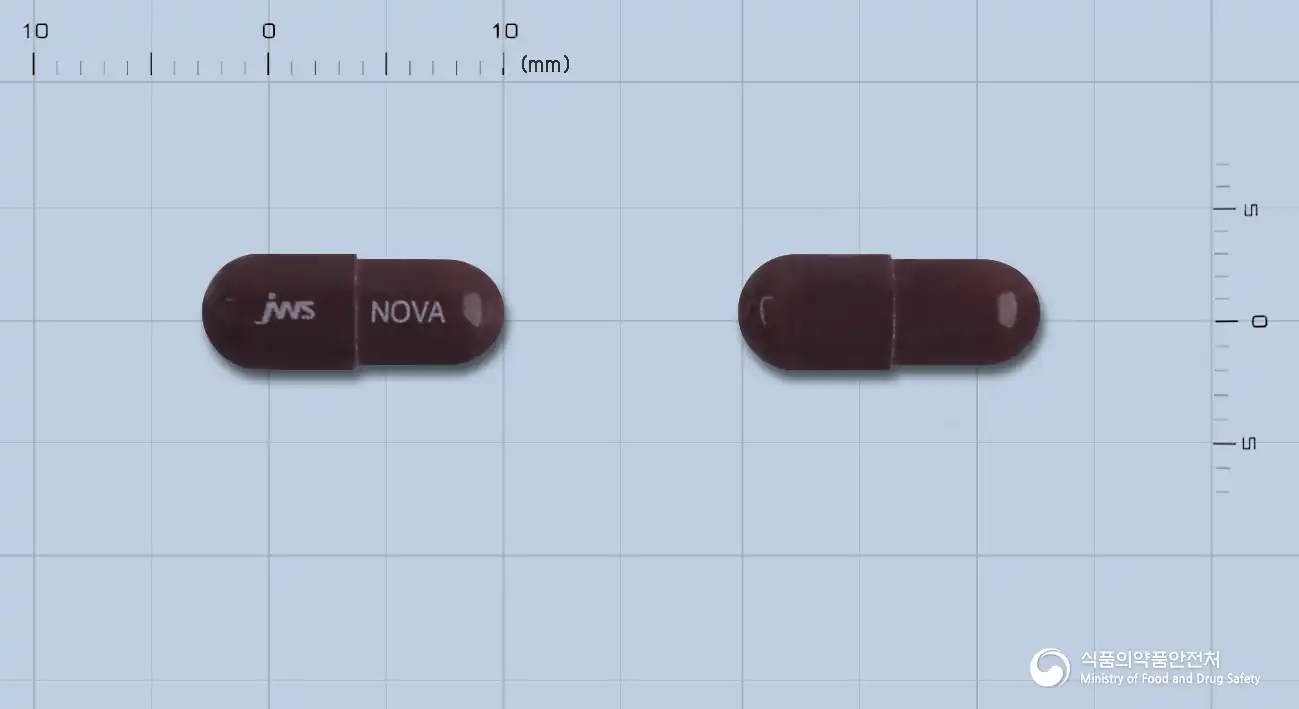
Amlodipine Maleate 6.42mg
Hard capsule · Prescription medication
JW Pharmaceutical Co., Ltd.
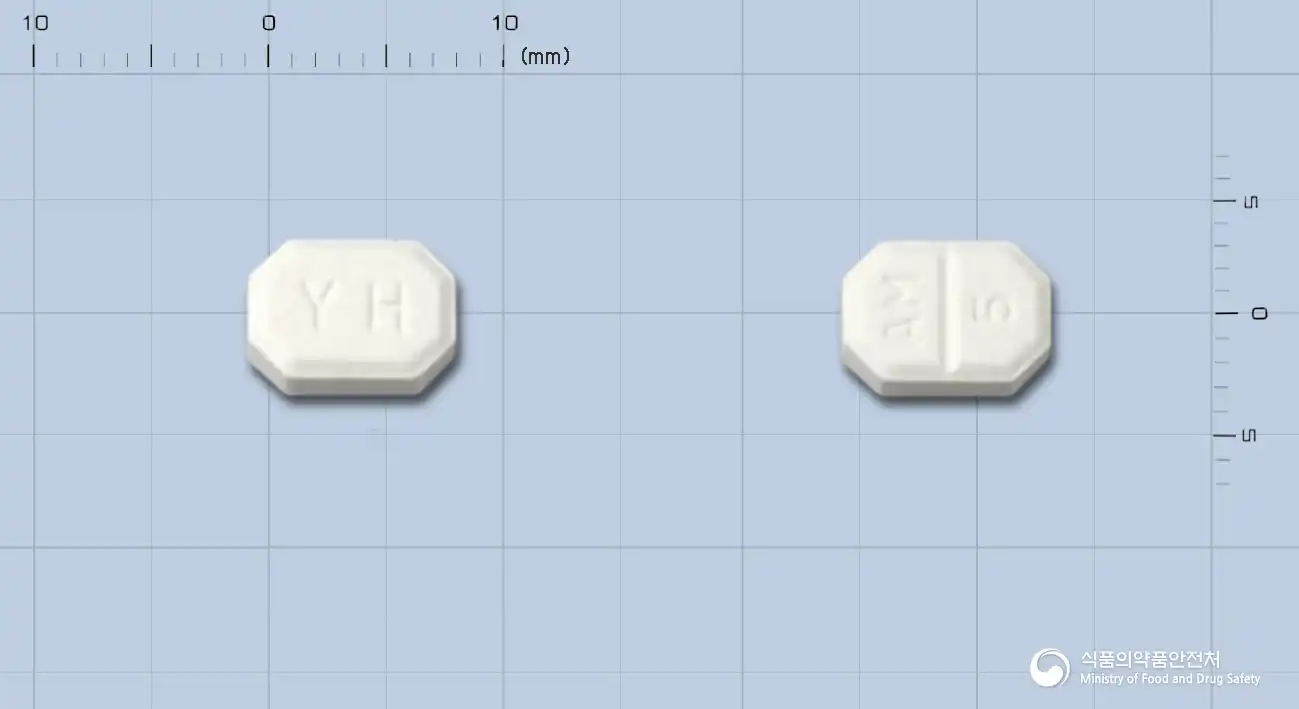
Amlodipine Maleate 6.42mg
Tablet · Prescription medication
Yuhan Corporation
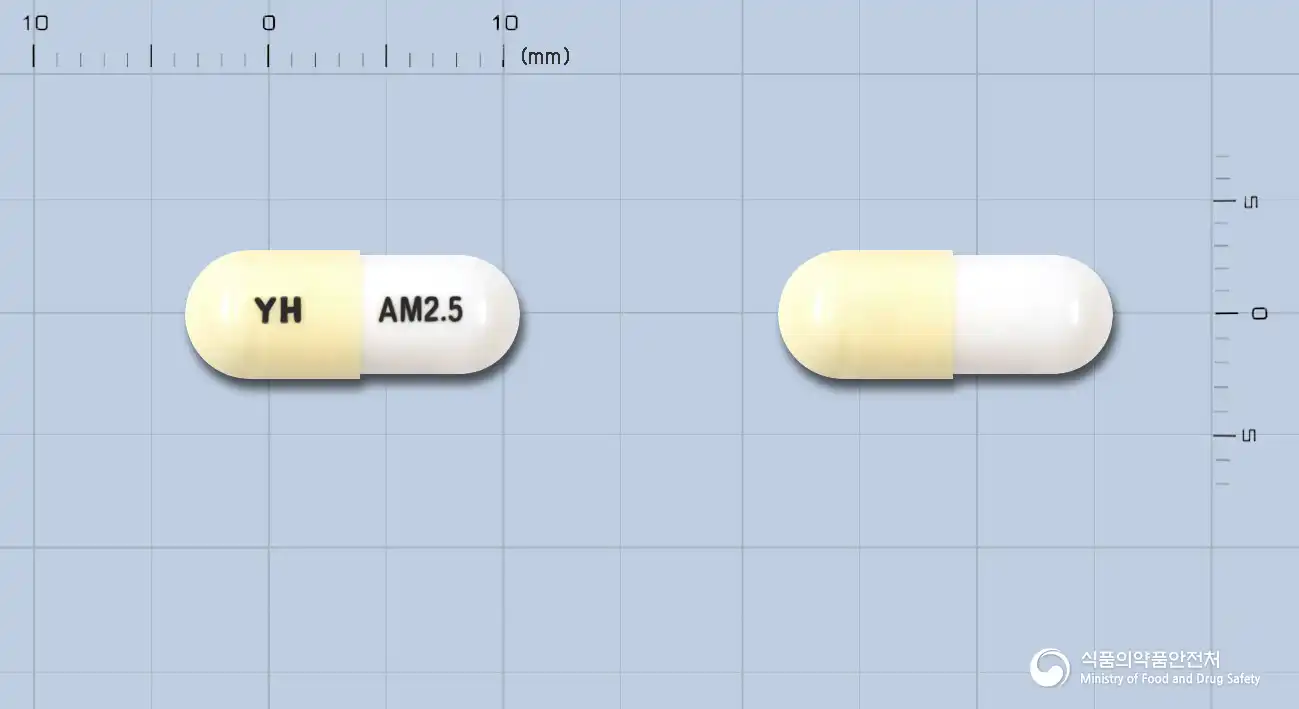
Amlodipine Maleate 3.21mg
Hard capsule · Prescription medication
Yuhan Corporation
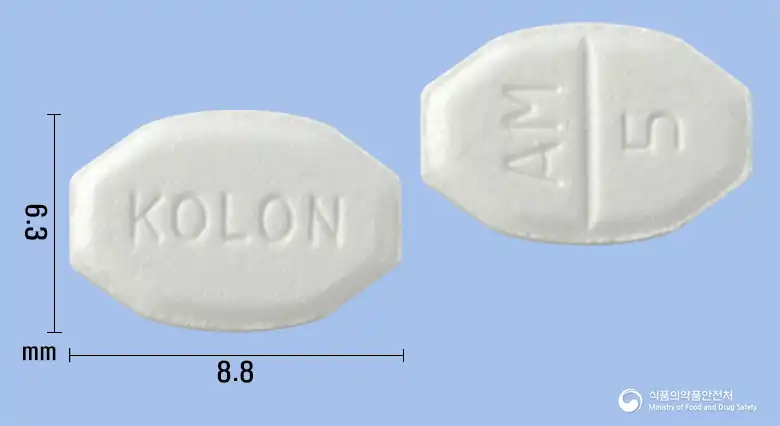
Amlodipine Maleate 6.42mg
Tablet · Prescription medication
KOLON Pharmaceutical Co., Ltd.
Amlodipine Maleate
Prescription medication
SK Chemicals Co., Ltd.
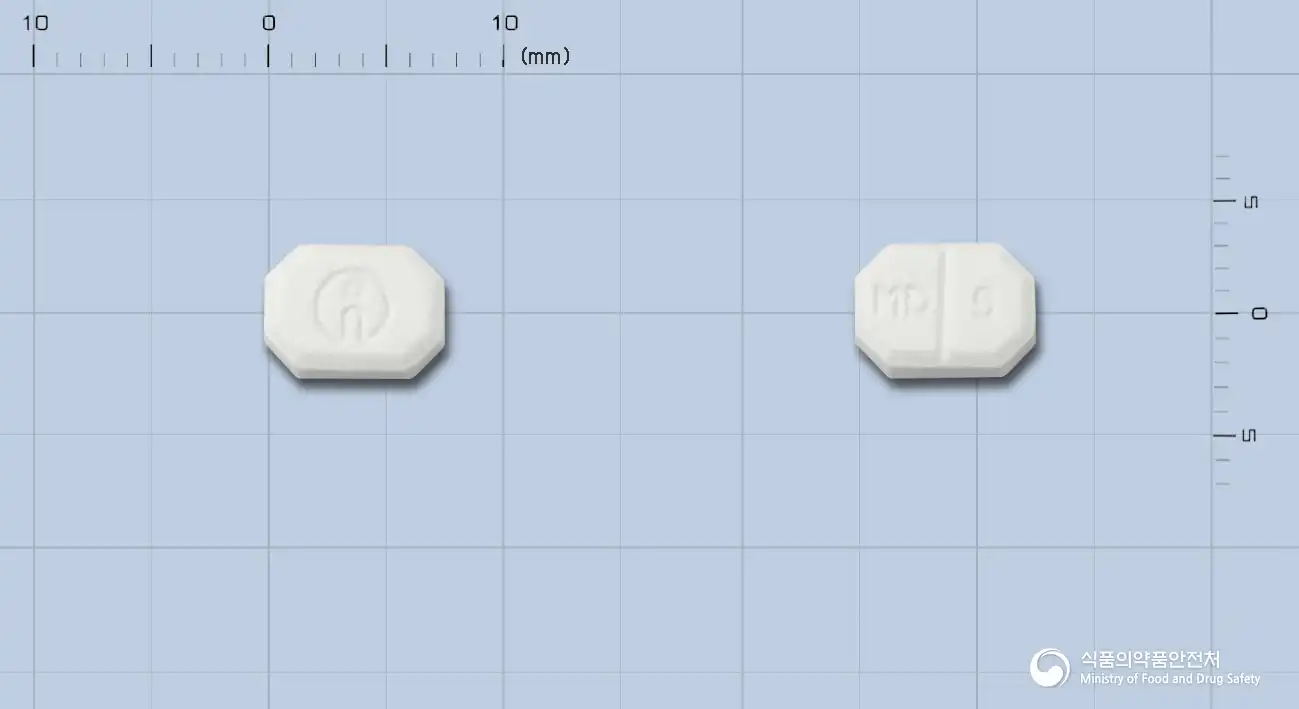
Amlodipine Maleate 6.42mg
Tablet · Prescription medication
YouYoung Pharmaceutical Co., Ltd.
Even with the same ingredient, the dose and directions can differ by strength and dosage form. Talk to a doctor or pharmacist before switching from a medication you are already taking.
No questions yet.
For anything that needs medical judgment, consult a doctor or pharmacist.
This drug information is based on data provided by the Korea Ministry of Food and Drug Safety.
Consult a doctor or pharmacist for accurate dosage, administration, and usage instructions.