
 한국어
 English
 日本語
 中文(简体)
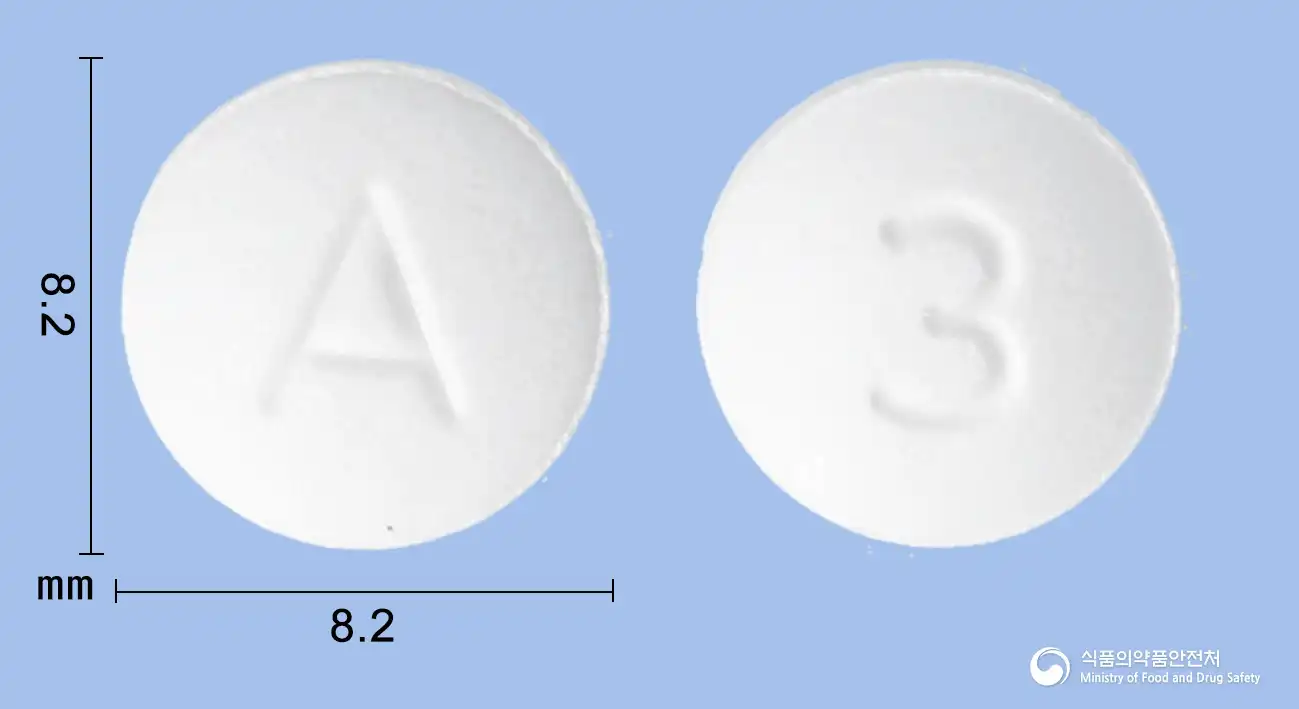
Dosage form image
Viewing nowCombinationAlevert Tablet
Cinnarizine 20mg · Dimenhydrinate 40mg
Tablet · Prescription medication · Combination
Korea Unipharm Co., Ltd.
MFDS item code 200307980 · Notified 2003.03.11
This product's status changed to Expired on 2023.10.01. It may no longer be sold, so consult a doctor or pharmacist before taking it.
Treatment of central and peripheral dizziness (such as Ménière’s disease)
This medication is used to treat vertigo caused by Meniere's disease and vertebrobasilar insufficiency, including central and peripheral causes of vertigo.
Adults: Take 1 tablet 3 times daily after meals. At the beginning of treatment or in severe cases, the dose may be increased to a maximum of 5 tablets per day.
Children 12 years of age and older: Take 1 tablet 3 times daily after meals. At the beginning of treatment or in severe cases, the dose may be increased to a maximum of 5 tablets per day.
This medication should not be used by patients allergic to specific ingredients or other antihistamines with a similar structure. Pregnant or breastfeeding women should also avoid taking this medication. Administration should be avoided in patients with glaucoma with high eye pressure, those experiencing seizures, or in patients with increased intracranial pressure. It should not be used by patients with problems with urine output or those who consume alcohol excessively. Patients suspected of having issues causing pressure on the brain should also avoid using this medication. This medication should be used with caution in patients with conditions such as hypotension, benign prostatic hyperplasia, hyperthyroidism, hypertension, heart disease, increased eye pressure, or gastrointestinal obstruction. Furthermore, patients with Parkinson's disease or impaired kidney or liver function should take this medication with caution. Because drowsiness may occur while taking this medication, it is advisable to avoid driving or operating machinery. To reduce gastrointestinal disturbances, it is recommended to take this medication after meals. Taking this medication with alcohol, sedatives, or some painkillers may amplify drowsiness or central nervous system depressant effects. Taking it alongside certain antidepressants or anticholinergic drugs may enhance its effects, so consultation with a physician is necessary. Pregnant women should avoid taking this medication, and breastfeeding women should also refrain from taking it as small amounts can be excreted in breast milk. This medication is not recommended for children under 12 years of age. In cases of overdose, symptoms may include dry mouth, facial flushing, dilated pupils, rapid heartbeat, fever, difficulty urinating, drowsiness, dizziness, and movement disorders. In severe cases, seizures, hallucinations, agitation, respiratory depression, hypertension, tremors, or coma may occur, necessitating immediate medical assistance. In the event of overdose, gastric lavage and general emergency management should be performed, and children's temperature should be monitored carefully. In the case of severe seizures, specific medications may be used for treatment, and medical professionals will take appropriate actions as necessary.
Not everyone experiences these, and they can vary from person to person.
This medication should be stored in a tightly sealed container that can block light, at a safe temperature between 1 degree and 30 degrees Celsius. Proper storage will help maintain the medication's effectiveness for a longer period.
White or off-white, biconvex, round tablet
100 tablets (10 tablets/PTP packaging x 10)
Even with the same ingredient, strength, dosage form and how it is taken can differ.
Cinnarizine 20mg · Dimenhydrinate 40mg
Tablet · Prescription medication · Combination
Korea Unipharm Co., Ltd.
Cinnarizine 20mg · Dimenhydrinate 40mg
Tablet · Prescription medication · Combination
QL Pharma Co., Ltd.
 Combination
Cinnarizine 20mg · Dimenhydrinate 40mg
Tablet · Prescription medication · Combination
Korea Unipharma Co., Ltd.
Even with the same ingredient, the dose and directions can differ by strength and dosage form. Talk to a doctor or pharmacist before switching from a medication you are already taking.
No questions yet.
For anything that needs medical judgment, consult a doctor or pharmacist.
This drug information is based on data provided by the Korea Ministry of Food and Drug Safety.
Consult a doctor or pharmacist for accurate dosage, administration, and usage instructions.