
 한국어
 English
 日本語
 中文(简体)
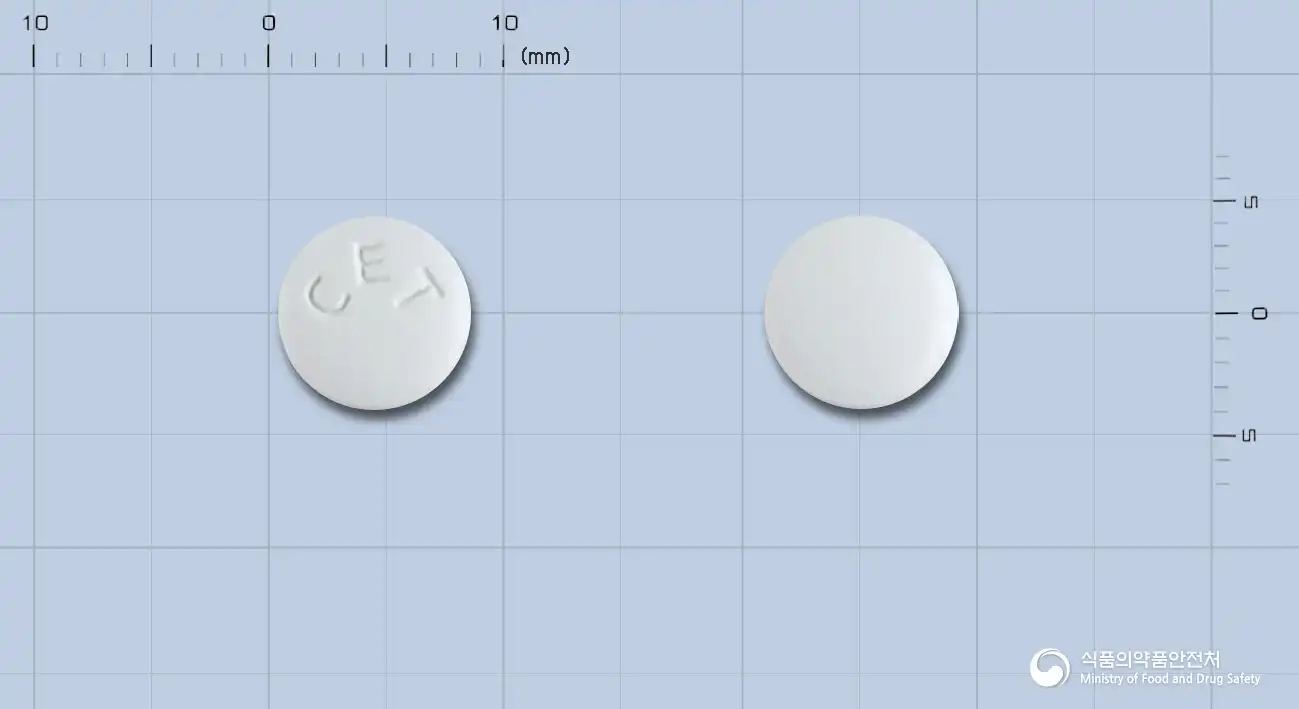 Viewing now
Unicetal Tablets (Aceclofenac)
Aceclofenac 100mg
Tablet · Prescription medication
Unimed Pharmaceutical Co., Ltd.
MFDS item code 200302452 · Notified 2003.04.28 · Insurance code 649502440
Relief of joint disorders (e.g., osteoarthritis), pain (e.g., toothache and back pain), and post-traumatic inflammation
This medication is used for conditions such as rheumatoid arthritis, ankylosing spondylitis, and osteoarthritis. It is also effective in relieving pain associated with inflammation around shoulder joints, toothache, inflammation due to trauma, back pain and sciatica, and pain caused by non-articular rheumatism. Overall, it is used to improve various inflammatory conditions and pain symptoms.
○ Adults: Take 100 mg of aceclofenac twice daily, 12 hours apart. ○ Patients with hepatic impairment: Administer 100 mg per day as the initial dose. Take this medicine whole; do not chew or crush it. Adjust the dose appropriately according to symptoms. To minimize the cardiovascular adverse reactions of this medicine, use the lowest effective dose for the shortest possible duration.
This medication may cause gastrointestinal bleeding in individuals who regularly consume alcohol in amounts greater than the recommended daily dose, so it is crucial to consult a doctor or pharmacist. This medication can increase the risk of cardiovascular diseases, so individuals with cardiovascular risk factors such as heart failure, hypertension, or diabetes should make careful decisions regarding its use and aim to use the lowest dose for the shortest duration. It may cause severe gastrointestinal issues such as gastrointestinal bleeding, ulcers, and perforation, so individuals with a history of gastrointestinal problems or elderly patients should exercise particular caution. Patients with a history of active peptic ulcers or bleeding or those allergic to this medication or similar drugs should not take it. Individuals with severely impaired kidney or liver function, pregnant women in late pregnancy, nursing mothers, patients with inflammatory bowel disease, and others with specific conditions should avoid using this medication for safety. Those with a history of kidney disease, heart failure, hypertension, asthma, and other related conditions should be especially careful when taking this medication and regularly monitor their condition as directed by a doctor. This medication may cause various side effects such as dizziness, gastrointestinal disturbances, increased liver enzyme levels, and skin rashes, so if any abnormal symptoms occur, immediate consultation with a healthcare professional is advised. Interactions with other medications may occur while taking this medication; therefore, it is essential to inform your doctor or pharmacist of any other medications you are currently taking. Pregnant women or those planning a pregnancy should avoid using this medication, especially in late pregnancy, as it may harm the fetus, and it should absolutely not be taken. The safety and efficacy for pediatric or adolescent patients have not been established, so it is recommended not to use this medication in children. Elderly individuals are at a higher risk for side effects such as gastrointestinal bleeding, so special caution is needed when taking this medication. In case of overdose, symptoms may include gastrointestinal irritation, low blood pressure, respiratory depression, and seizures, so seek appropriate medical care immediately.
Not everyone experiences these, and they can vary from person to person.
This medication should be stored in a sealed container to protect it from air and moisture. It is important to maintain a storage temperature between 1°C and 30°C.
White round film-coated tablets
30 tablets/bottle, 400 tablets/bottle
Even with the same ingredient, strength, dosage form and how it is taken can differ.
Viewing nowAceclofenac 100mg
Tablet · Prescription medication
Unimed Pharmaceutical Co., Ltd.
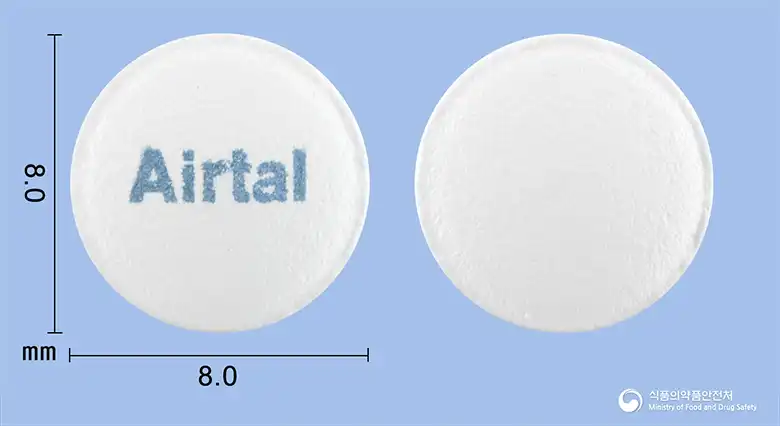
Aceclofenac 100mg
Tablet · Prescription medication
Daewoong Pharmaceutical Co., Ltd.
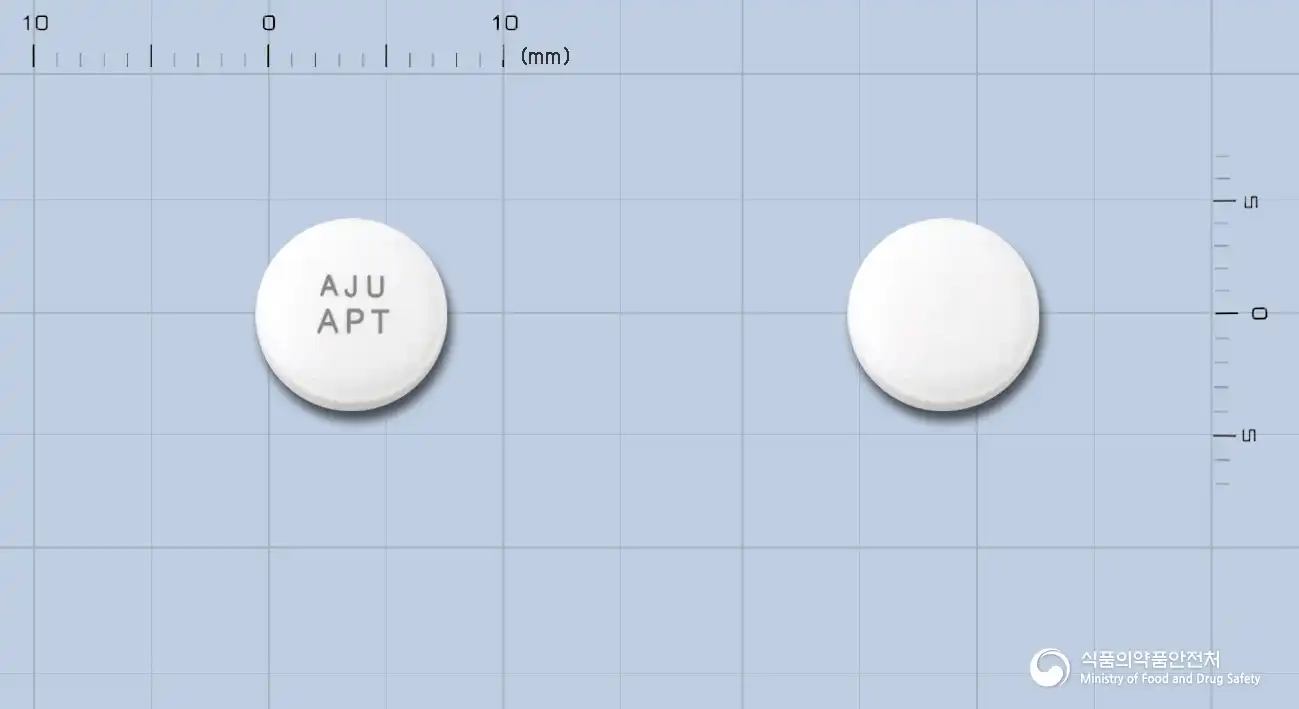
Aceclofenac 100mg
Tablet · Prescription medication
Aju Pharm Co., Ltd.
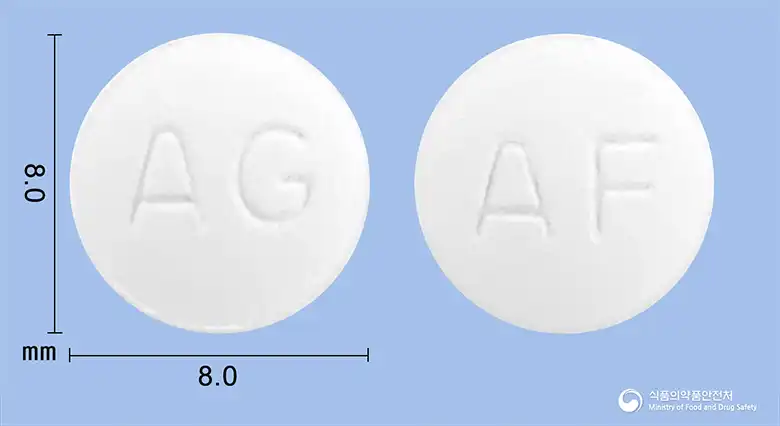
Aceclofenac 100mg
Tablet · Prescription medication
Angkuk Pharmaceutical Co., Ltd.
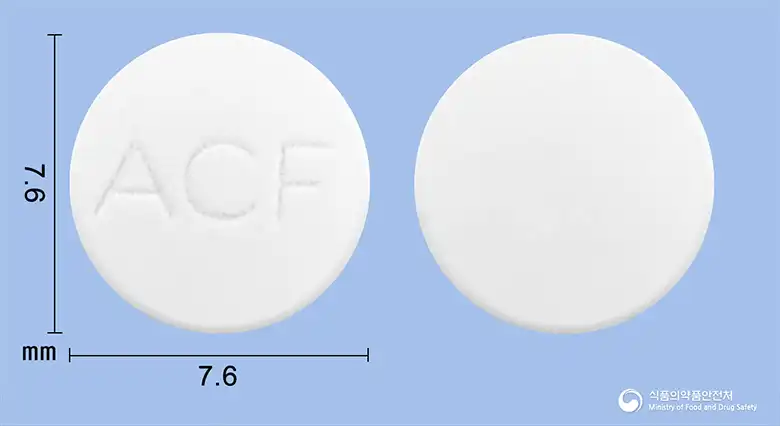
Aceclofenac 100mg
Tablet · Prescription medication
Dong-A ST Co., Ltd.
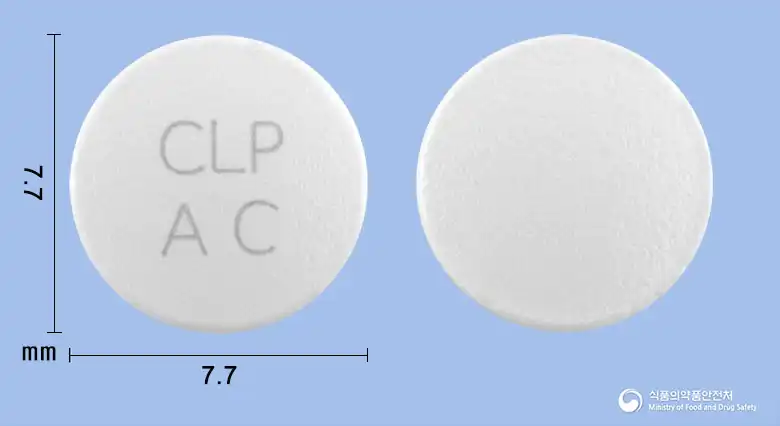
Aceclofenac 100mg
Tablet · Prescription medication
Celltrion Pharmaceutical Co., Ltd.
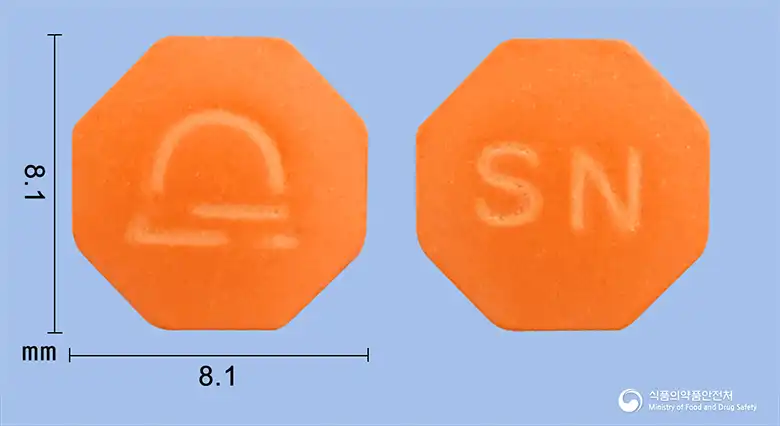
Aceclofenac 100mg
Tablet · Prescription medication
Daewon Pharmaceutical Co., Ltd.
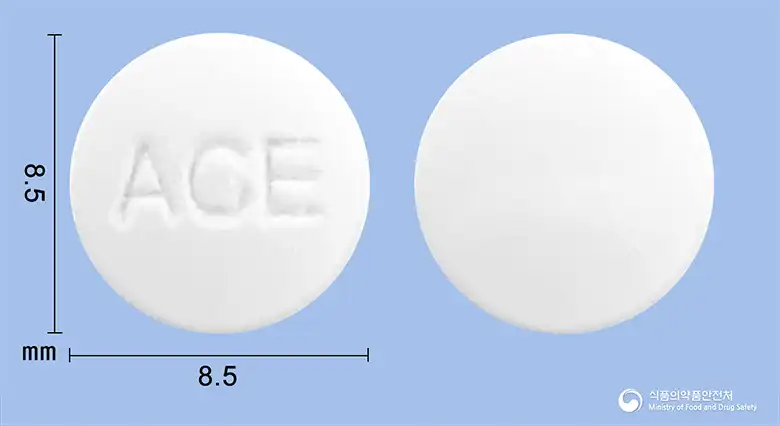
Aceclofenac 100mg
Tablet · Prescription medication
Kyungdong Pharmaceutical Co., Ltd.
Even with the same ingredient, the dose and directions can differ by strength and dosage form. Talk to a doctor or pharmacist before switching from a medication you are already taking.
No questions yet.
For anything that needs medical judgment, consult a doctor or pharmacist.
This drug information is based on data provided by the Korea Ministry of Food and Drug Safety.
Consult a doctor or pharmacist for accurate dosage, administration, and usage instructions.