
 한국어
 English
 日本語
 中文(简体)
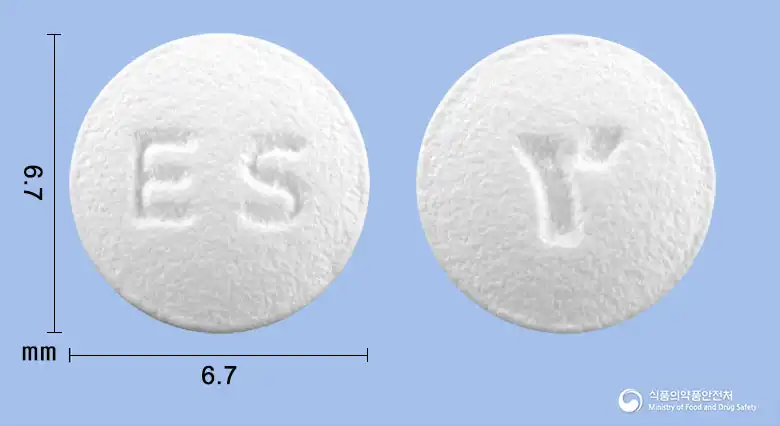 Viewing now
Efezon Tablets (Eperison Hydrochloride)
Eperisone Hydrochloride 50mg
Tablet · Prescription medication
Youyoung Pharmaceutical Co., Ltd.
MFDS item code 200302187 · Notified 2003.07.11 · Insurance code 648201160
Relief of painful muscle spasms (e.g., lower back pain) and spastic paralysis (e.g., due to cerebrovascular disorders)
This medication is used for painful muscle spasms accompanying musculoskeletal disorders, such as cervical spondylosis, adhesive capsulitis, and low back pain. It is also effective for spastic paralysis caused by neurological diseases and is used for various neurological issues such as cerebrovascular disorders, spastic spinal paralysis, cervical spondylosis, postoperative sequelae, post-traumatic sequelae, and cerebral palsy. This drug helps alleviate muscle rigidity and pain, improving patients' mobility. Therefore, it is widely used for the treatment of muscle rigidity and pain due to musculoskeletal and neurological disorders.
Adults: Administer 50㎎ of eperisone hydrochloride orally 3 times daily after meals. Adjust the dose as appropriate according to age and symptoms.
This medication should not be used in certain patients. Specifically, it should not be administered to patients with hypersensitivity to this drug or those with severe myasthenia gravis. Additionally, it contains lactose, and patients with genetic lactose intolerance or related conditions should also avoid using it. When using this drug, caution should be exercised in patients with a history of drug hypersensitivity or impaired liver function. Some products contain the dye Yellow No. 5, which may cause allergic reactions, so care is needed if allergies to this component are present. Adverse reactions may rarely include shock, so if symptoms occur, administration should be immediately stopped, and appropriate treatment sought. Blood abnormalities such as liver dysfunction, kidney dysfunction, and anemia may also occur, so the patient's condition should be closely monitored. Skin rashes, itching, neuropsychiatric symptoms (insomnia, drowsiness, headaches, etc.), gastrointestinal symptoms (nausea, vomiting, diarrhea, etc.), and urinary symptoms may appear. Additionally, generalized symptoms such as weakness, dizziness, and decreased muscle tone have been reported, and, rarely, flushing, sweating, or edema may occur. Rarely, severe allergic reactions such as anaphylaxis or angioedema, and serious skin conditions such as Stevens-Johnson syndrome may occur, so symptoms such as fever, erythema, blisters, itching, conjunctival injection, and stomatitis should be carefully monitored. While taking this medication, weakness, drowsiness, or unsteadiness may occur, so it is advisable to reduce or stop the dosage if these symptoms appear. Due to drowsiness or decreased attention, driving a car or operating hazardous machinery should be avoided. Caution should be taken when used in combination with similar drugs or certain muscle relaxants, as coordination disturbances may occur. Women who are pregnant or may become pregnant should only use this medication if the benefits of treatment are deemed to outweigh the risks, as its safety during pregnancy has not been established. It is advisable to avoid using this drug while breastfeeding, and if it must be used, breastfeeding should be discontinued. The safety for children has not been sufficiently confirmed, so caution is needed when using it. Elderly patients may have decreased physiological function, so careful use, including dose reduction, is recommended.
Not everyone experiences these, and they can vary from person to person.
This medication should be stored in a tightly sealed container to prevent moisture and air infiltration. Additionally, it should be kept away from direct sunlight and stored at room temperature between 1 to 30 degrees Celsius.
For domestic use: white round film-coated tablet For export: light yellow to yellow round sugar-coated tablet
For domestic use: 30 tablets/bottle, 500 tablets/bottle For export: 100 tablets (10 tablets/PTP packaging x 10)
Even with the same ingredient, strength, dosage form and how it is taken can differ.
Viewing nowEperisone Hydrochloride 50mg
Tablet · Prescription medication
Youyoung Pharmaceutical Co., Ltd.
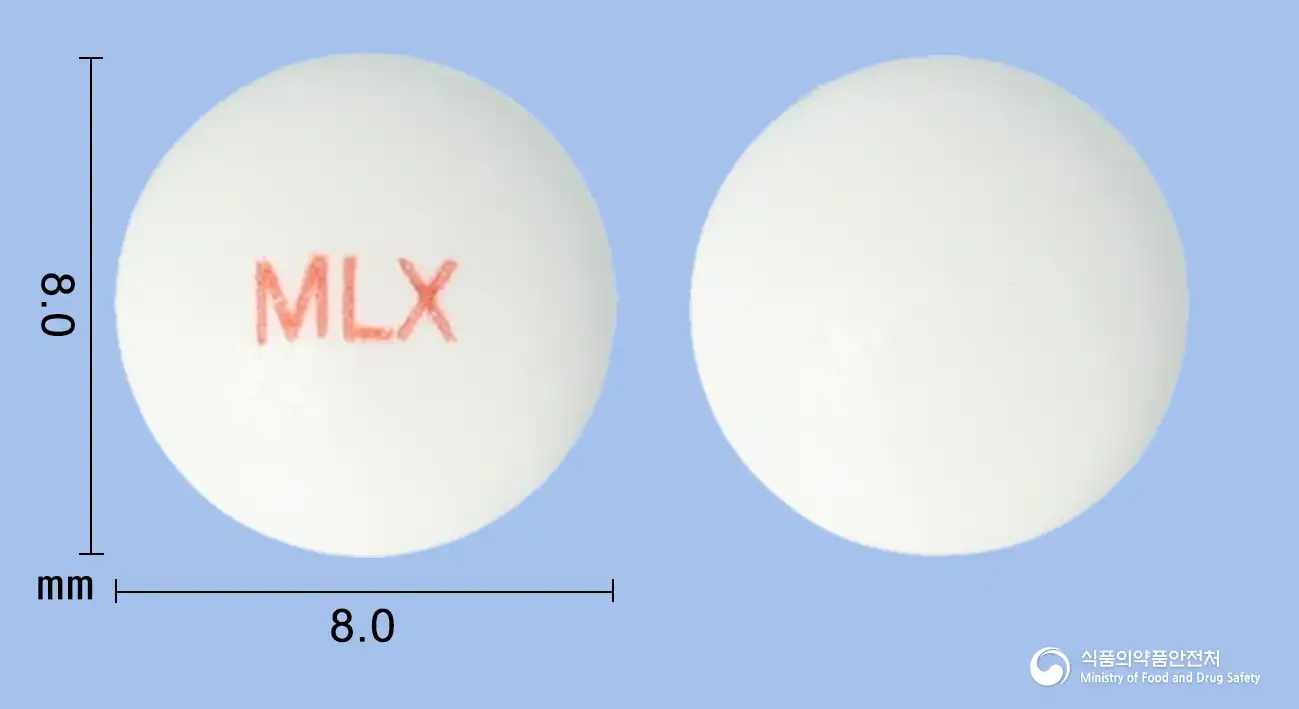
Eperisone Hydrochloride 50mg
Tablet · Prescription medication
Chodang Pharmaceutical Co., Ltd.
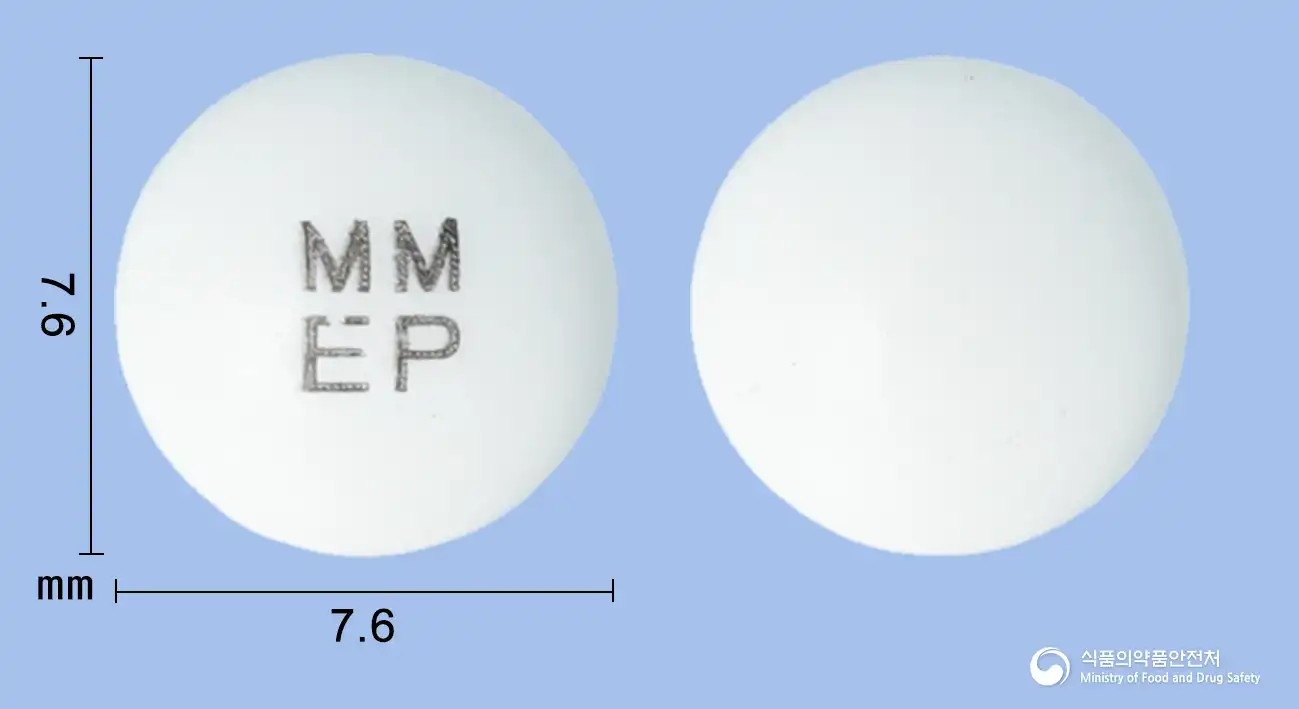
Eperisone Hydrochloride 50mg
Tablet · Prescription medication
Myeongmun Pharmaceutical Co., Ltd.
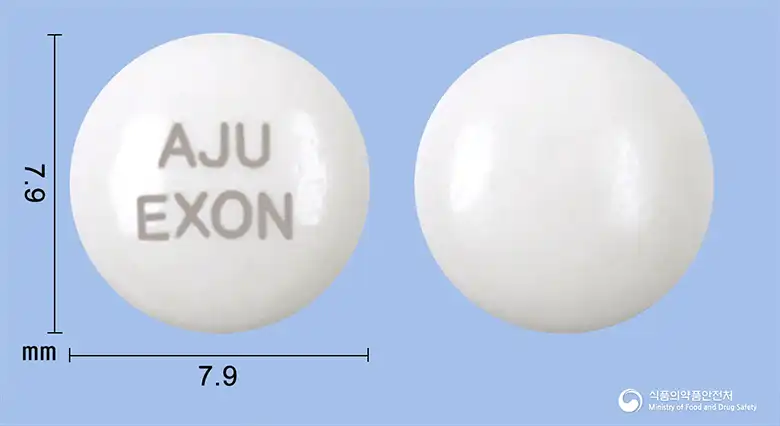
Eperisone Hydrochloride 50mg
Prescription medication
Aju Pharmaceutical Co., Ltd.
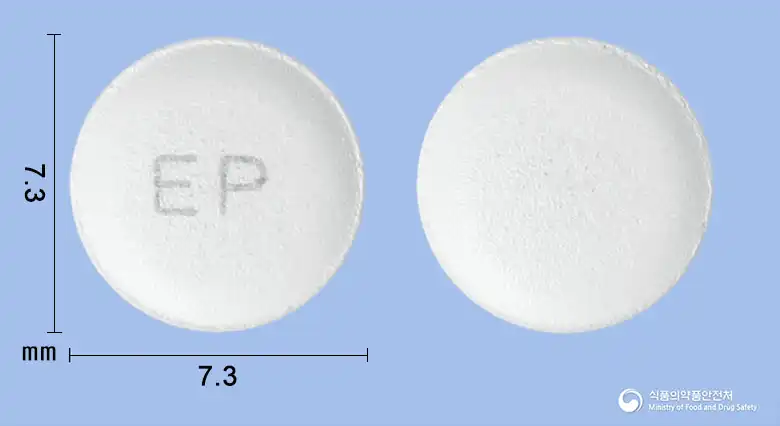
Eperisone Hydrochloride 50mg
Tablet · Prescription medication
Daewoo Pharmaceutical Co., Ltd.
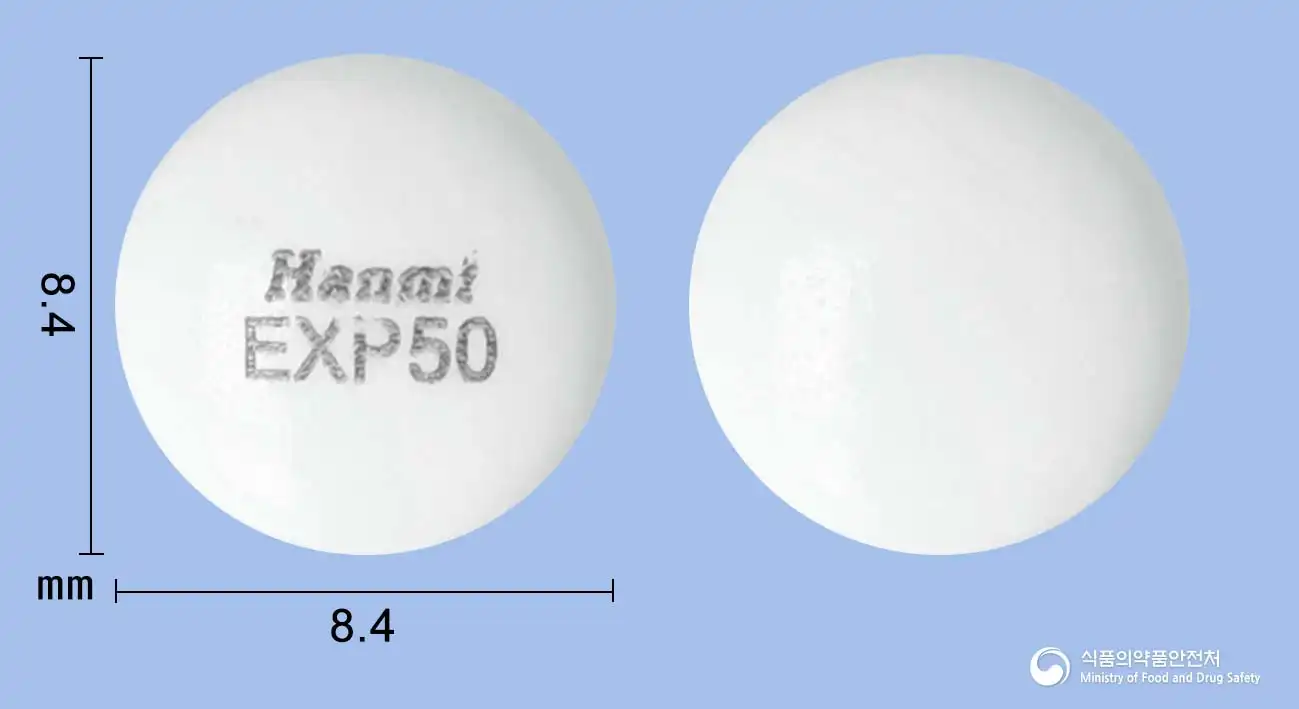
Eperisone Hydrochloride 50mg
Prescription medication
Hanmi Pharmaceutical Co., Ltd.
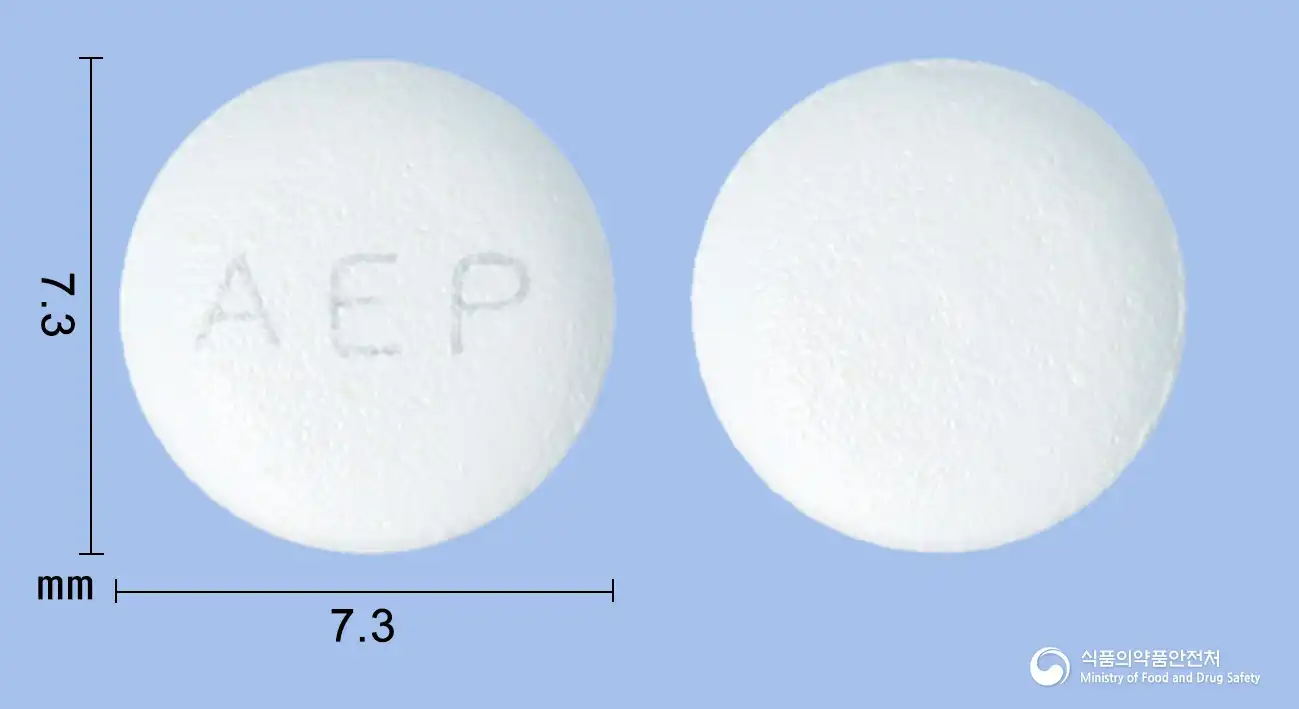
Eperisone Hydrochloride 50mg
Tablet · Prescription medication
Kyungdong Pharmaceutical Co., Ltd.
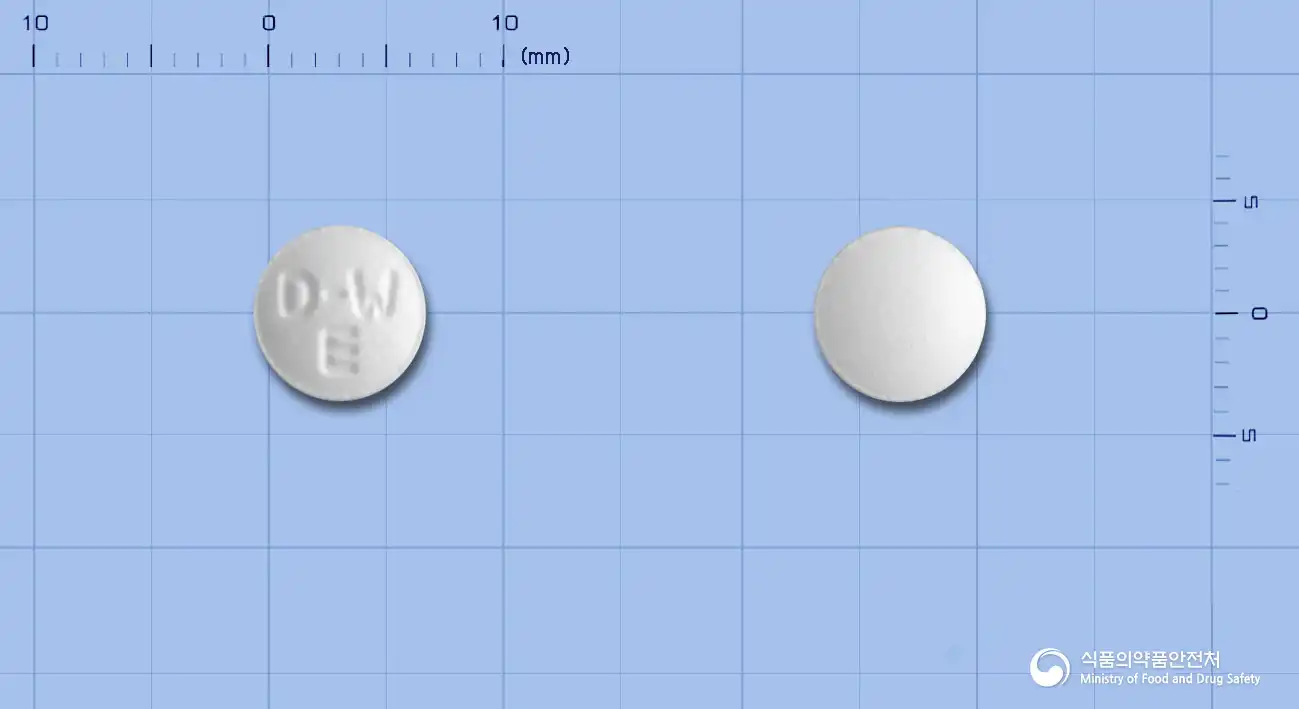
Eperisone Hydrochloride 50mg
Tablet · Prescription medication
Dongwha Pharmaceutical Co., Ltd.
Even with the same ingredient, the dose and directions can differ by strength and dosage form. Talk to a doctor or pharmacist before switching from a medication you are already taking.
No questions yet.
For anything that needs medical judgment, consult a doctor or pharmacist.
This drug information is based on data provided by the Korea Ministry of Food and Drug Safety.
Consult a doctor or pharmacist for accurate dosage, administration, and usage instructions.