
 한국어
 English
 日本語
 中文(简体)
Dosage form image
Viewing nowSilstart Tablet (Cilostazol)
Cilostazol 50mg
Tablet · Prescription medication
Hawon Pharmaceutical Co., Ltd.
MFDS item code 200302051 · Notified 2003.07.12
Improvement of ischemic symptoms (e.g., ulcers and pain) of chronic arterial occlusive disease; prevention of recurrent cerebral infarction
This medication is used to improve ischemic symptoms such as ulcers, pain, and cold sensations caused by chronic arterial occlusive disease and to prevent recurrence after a cerebral infarction.
The usual adult dose of cilostazol is 100mg orally per dose, twice daily. Adjust the dose appropriately according to age and symptoms.
This medication can increase heart rate and may worsen symptoms of angina, so it is important to closely monitor for symptoms of angina, such as chest pain. This medication should not be used in patients with bleeding or those at high risk of bleeding, including those with hemophilia, gastrointestinal bleeding, or a history of recent hemorrhagic stroke. This medication should not be administered to patients with congestive heart failure as it may worsen symptoms. Patients who have had allergic reactions to this medication or its components, pregnant women or women who may become pregnant, and breastfeeding women should not take this medication. Patients who are taking anticoagulants, antiplatelet agents, thrombolytics, etc., should use this medication with caution as it may increase the risk of bleeding. Women who are menstruating should also exercise caution due to the risk of bleeding. Patients with heart disease or those with severely impaired kidney or liver function, as well as diabetic patients, should use this medication with caution. This medication can cause serious side effects such as various bleeding, blood disorders, interstitial pneumonia, and cardiac arrhythmias, so if any abnormal symptoms occur, it is necessary to inform medical personnel immediately. Dizziness may occur, so caution is advised when driving or operating machinery. This medication is metabolized in the liver, so drug interactions should be considered as the blood concentration may change when taken with certain medications. Pregnant or breastfeeding women should not take this medication, and if currently taking it, should discontinue breastfeeding. Safety has not been sufficiently confirmed for children and the elderly, so special caution is needed. Severe symptoms may occur in case of overdose, and immediate medical attention should be sought. This medication may affect heart function, so patients with a history of heart disease should consult with their healthcare provider before use.
Not everyone experiences these, and they can vary from person to person.
This medication should be stored in a tightly closed container to prevent air and moisture from entering, and it is recommended to store it at room temperature between 1 and 30 degrees Celsius. Storing it this way helps maintain the effectiveness of the medication.
White round tablets
30 tablets/bottle, 300 tablets/bottle
Even with the same ingredient, strength, dosage form and how it is taken can differ.
Cilostazol 50mg
Tablet · Prescription medication
Hawon Pharmaceutical Co., Ltd.
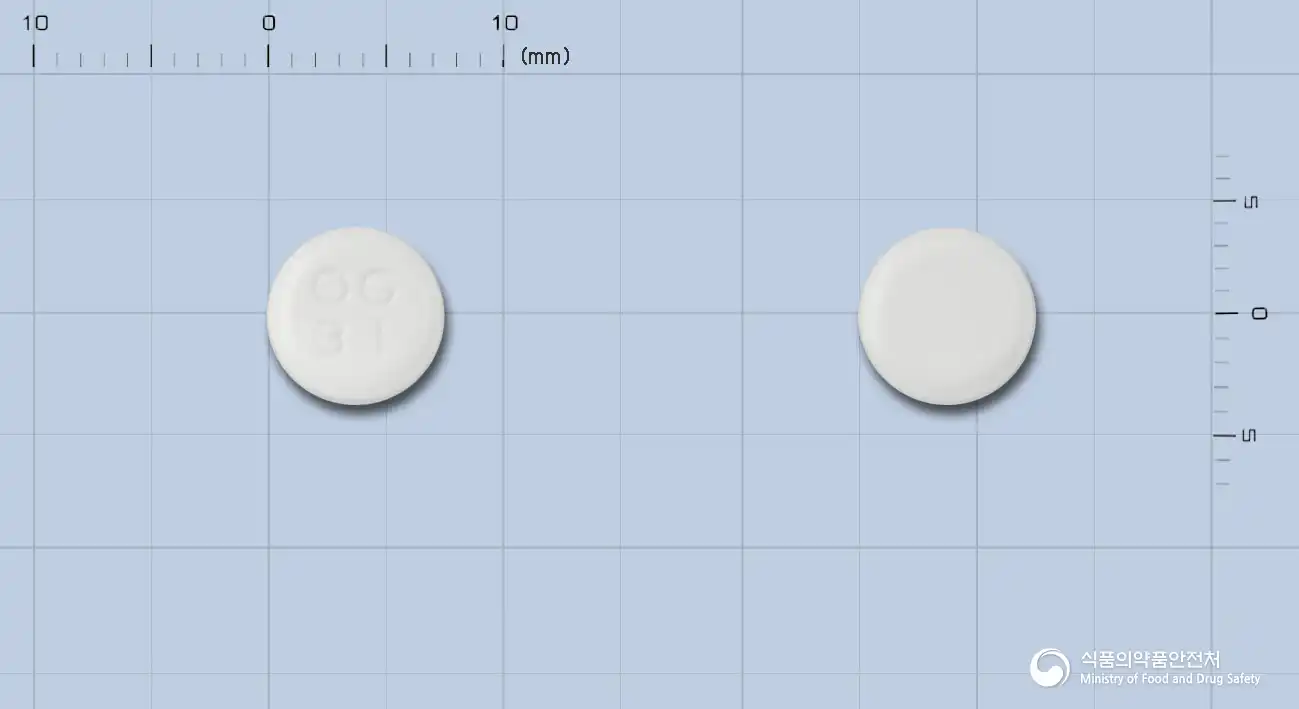
Cilostazol 50mg
Tablet · Prescription medication
Otsuka Pharmaceutical Co., Ltd.
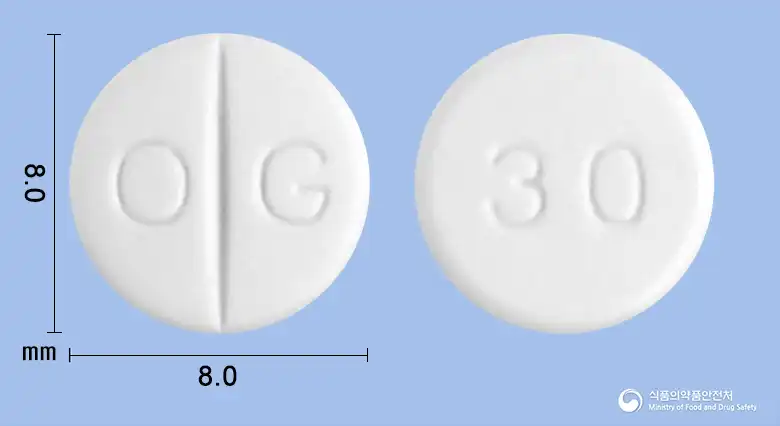
Cilostazol 100mg
Tablet · Prescription medication
Korea Otsuka Pharmaceutical Co., Ltd.
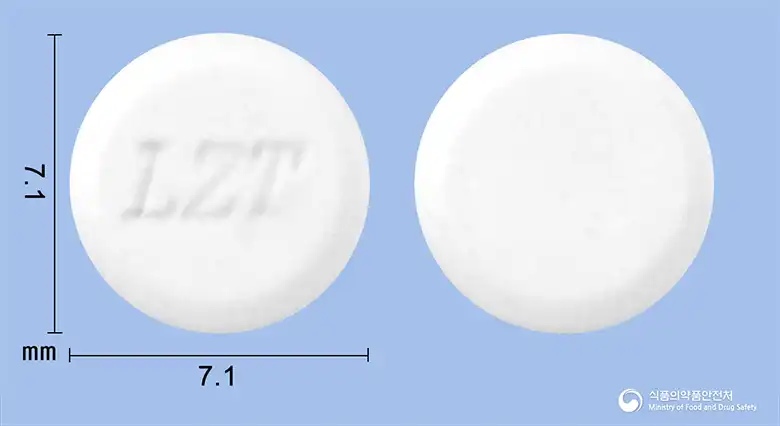
Cilostazol 50mg
Tablet · Prescription medication
Kyungdong Pharmaceutical Co., Ltd.
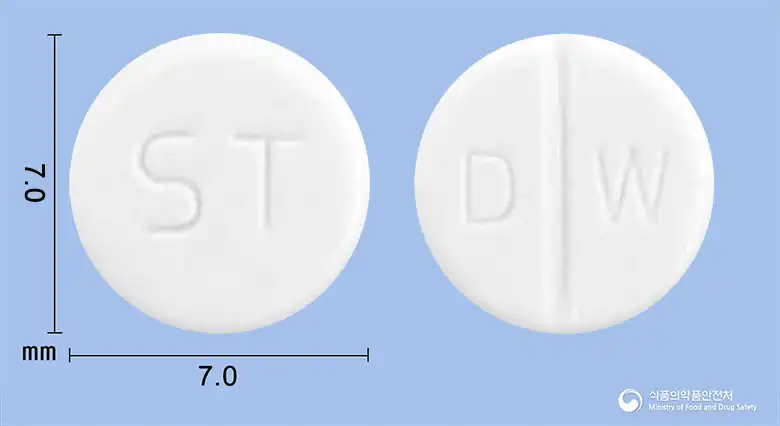
Cilostazol 50mg
Tablet · Prescription medication
Daewon Pharmaceutical Co., Ltd.
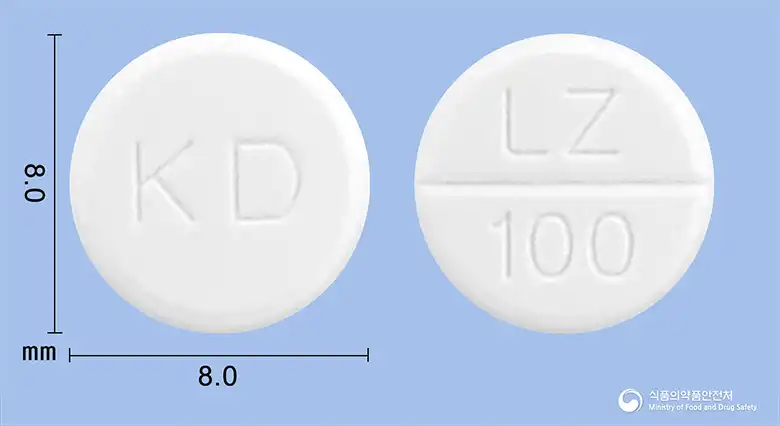
Cilostazol 100mg
Tablet · Prescription medication
Kyungdong Pharmaceutical Co., Ltd.
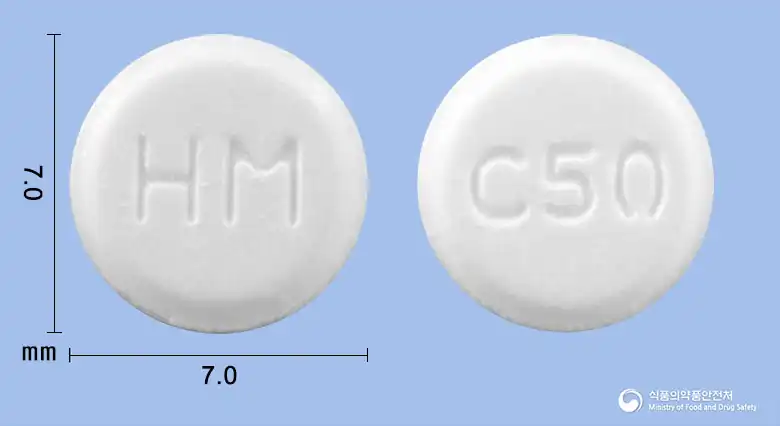
Cilostazol 50mg
Tablet · Prescription medication
Hanmi Pharmaceutical Co., Ltd.
Cilostazol
Prescription medication
Daehan New Pharm Co., Ltd.
Even with the same ingredient, the dose and directions can differ by strength and dosage form. Talk to a doctor or pharmacist before switching from a medication you are already taking.
No questions yet.
For anything that needs medical judgment, consult a doctor or pharmacist.
This drug information is based on data provided by the Korea Ministry of Food and Drug Safety.
Consult a doctor or pharmacist for accurate dosage, administration, and usage instructions.