한국어
 English
 日本語
 中文(简体)
Dosage form image
Viewing nowCombinationIbuep Tablet
Ibuprofen 200mg · Arginine 185mg
Tablet · OTC medication · Combination
Ilhwa Co., Ltd.
MFDS item code 200300592 · Notified 2003.02.11
This product's status changed to Expired on 2024.01.01. It may no longer be sold, so consult a doctor or pharmacist before taking it.
Relief of pain and inflammation (e.g., headache and menstrual pain), and fever and pain associated with colds; relief of arthritis
This medication is used for the treatment of arthritis such as rheumatoid arthritis and osteoarthritis. It also helps alleviate various types of pain, such as back pain, headache, and menstrual pain. Additionally, it reduces inflammation and pain after injuries and can improve fever and pain caused by influenza. Overall, it is effective in treating various types of inflammation and pain.
Adults: Take 1–2 tablets with water every 4–6 hours. A maximum of 6 tablets may be taken per day.
Children aged 12 years and older: Take 1–2 tablets with water every 4–6 hours. A maximum of 6 tablets may be taken per day.
This medicine may pose a risk of gastrointestinal bleeding in individuals who regularly consume more than three drinks per day, so consultation with a doctor or pharmacist is essential. The nonsteroidal anti-inflammatory drug (NSAID) ingredient may exacerbate cardiovascular issues, thus patients with risks of heart disease or stroke should exercise particular caution. During the use of this medication, one should carefully monitor for the occurrence of cardiovascular symptoms, and patients with hypertension or heart failure should avoid high doses. This medication can cause serious gastrointestinal side effects such as gastrointestinal bleeding, ulcers, and perforation, so elderly patients or those with a history of gastrointestinal diseases should be especially careful. Patients with peptic ulcers, severe blood disorders, allergies to the drug components, or bronchial asthma should not take this medication. Women who are pregnant or may become pregnant should avoid using this medication, especially in the late stages of pregnancy, as it may pose risks to the fetus. Dosage should not exceed the recommended amount, and this medication should not be combined with other NSAIDs. Breastfeeding women should discontinue breastfeeding or stop using this medication, as it may be transferred to breast milk and cause adverse reactions in the baby. Patients with blood diseases, liver impairment, kidney disorders, hypertension, or heart disease must consult a doctor or pharmacist before using this medication. This medication can interact with other drugs, so it is important to consult a healthcare professional regarding any currently prescribed medications. If any unusual symptoms such as skin rash, difficulty breathing, severe abdominal pain, or bleeding occur during use, discontinue the medication immediately and consult medical personnel. This medication should be taken for the shortest duration at the minimum effective dose, and regular blood tests, as well as liver and kidney function tests, are required for long-term use. Keep out of reach of children and store in the original container; transferring to another container may degrade the quality.
Gastrointestinal bleeding, serious cardiovascular thrombotic reactions, myocardial infarction, stroke, bleeding from the stomach or intestine, ulcers, perforation, nausea, abdominal distension, stomach pain, heartburn, loss of appetite, diarrhea, constipation, vomiting, gastritis, potential excessive bleeding, Stevens-Johnson syndrome, toxic epidermal necrolysis, photosensitivity reactions, drug rash with eosinophilia and systemic symptoms, angioedema, vesicular dermatitis, erythema multiforme, papular rash, skin flushing, vesicles, rash, jaundice, elevated AST, elevated ALT, elevated ALP, hypersensitivity reactions, anaphylaxis, asthma attacks, hives, eczema, purpura, rash, itching, acute pulmonary edema, bronchospasm, scotoma, dysgeusia, tinnitus, hearing loss, amblyopia, reactive suppression, headache, depression, dizziness, insomnia, fear, altered consciousness, neurogenic seizures, aseptic meningitis, hypotension, hypertension, palpitations, heart failure, angina, oliguria, hematuria, increased urinary protein, elevated BUN, increased serum creatinine, hyperkalemia, hives, purpura, itching, rash, periorbital edema, facial swelling, lethargy, fever, epistaxis, edema, peripheral edema, dizziness, abdominal pain, liver dysfunction, metabolic acidosis, drowsiness, loss of consciousness, convulsions, renal failure, dyspnea, respiratory depression, hypotension
Not everyone experiences these, and they can vary from person to person.
This medication should be stored in a tightly sealed container to prevent exposure to air or moisture, preferably at room temperature between 1 and 30 degrees Celsius. Storing it this way helps maintain its effectiveness and safety.
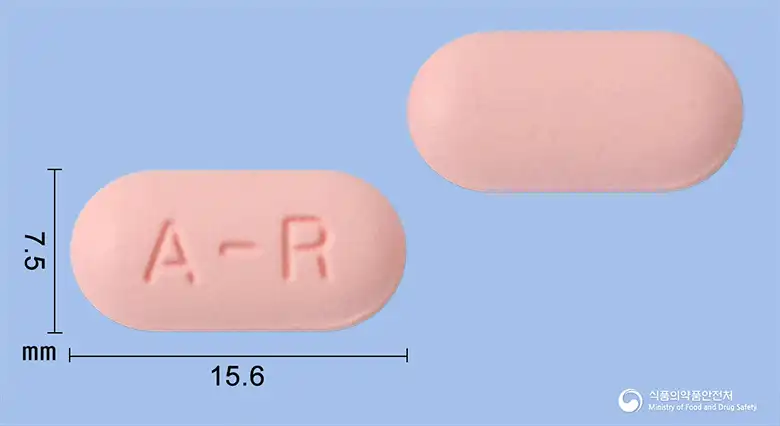
Pale pink, oval-shaped film-coated tablets
10 T - PTP 300 T - bottle packaging
Even with the same ingredient, strength, dosage form and how it is taken can differ.
Even with the same ingredient, the dose and directions can differ by strength and dosage form. Talk to a doctor or pharmacist before switching from a medication you are already taking.
No questions yet.
For anything that needs medical judgment, consult a doctor or pharmacist.
This drug information is based on data provided by the Korea Ministry of Food and Drug Safety.
Consult a doctor or pharmacist for accurate dosage, administration, and usage instructions.