
 한국어
한국어 English
 日本語
日本語 中文(简体)
 Viewing now
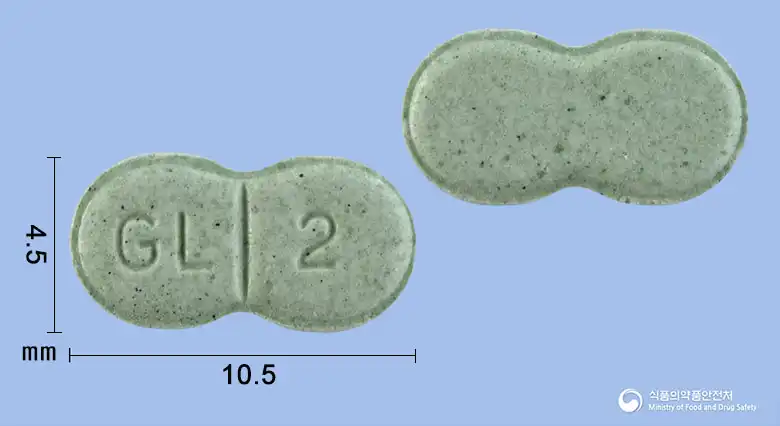
Glimet Tablet (Glimepiride)
Glimepiride 2mg
Tablet · Prescription medication
Celltrion Pharmaceutical Co., Ltd.
MFDS item code 200300313 · Notified 2003.11.12 · Insurance code 693900230
Improvement of blood sugar control in type 2 diabetes
This medication is used to help control blood sugar levels in patients with type 2 diabetes. It is mainly administered as an adjunct to diet and exercise therapy, but can also be used alone. If blood sugar control is inadequate with oral hypoglycemic agents, it can be administered in combination with insulin. Additionally, when blood sugar control is difficult with sulfonylureas or metformin monotherapy, this medication can be used with metformin to enhance effectiveness. This medication helps improve the ability to control blood sugar.
Individual adjustments for each patient. Take without chewing, with more than half a cup of water. This medication is taken orally once a day. Administer before breakfast or immediately before the first meal. In monotherapy, patients starting new treatment take 1 mg of Glimepiride once daily, with possible increases of 1 mg every 1-2 weeks. Generally, a maximum of 4 mg is administered, but in certain cases, 6 mg may be necessary.
This medication should not be used in patients with insulin-dependent diabetes, diabetic ketoacidosis, or coma. It should also not be administered to patients who are allergic to this medication or sulfonylureas, and patients with severe liver or kidney impairment should not take it. Women who are pregnant or breastfeeding should avoid using this medication, and use should be avoided in patients undergoing surgery or in severe infection states. Patients with gastrointestinal disorders should be careful as there is a risk of hypoglycemia with this medication. This medication should also not be given to patients with hereditary lactose intolerance. During the first week of starting this medication, the risk of hypoglycemia is high, so careful blood sugar monitoring is necessary. Particularly, elderly patients, those in poor nutritional state, or patients with irregular eating patterns, and individuals who frequently consume alcohol should exercise extra caution. Patients with reduced kidney or liver function, those with other endocrine disorders, and patients taking multiple medications should also be managed carefully. Patients should inform their physician or pharmacist about symptoms and risk factors of hypoglycemia, and dosage adjustments should be made if necessary. This medication can cause hypoglycemic symptoms due to its blood sugar-lowering action, with symptoms including headache, severe hunger, nausea, fatigue, anxiety, confusion, drowsiness, and decreased consciousness. In severe cases of hypoglycemia, symptoms similar to a stroke may occur, so immediate treatment is necessary. Transient visual disturbances, gastrointestinal symptoms, liver function abnormalities, decreased blood cell counts, and allergic reactions have also been reported, so if any unusual symptoms occur, immediate consultation with medical personnel is required. To achieve optimal blood sugar control, this medication must be taken regularly, and dietary and exercise regimens should be followed. In case of hypoglycemia, consuming sugar or sugary beverages can quickly alleviate symptoms, so it is advisable to always carry some sugar. Since hypoglycemic symptoms may recur, careful monitoring and management according to the physician's instructions is necessary. When taking other medications together, the effect of this medication may change, so all medications being taken must be reported to the physician or pharmacist. Particularly, care must be taken regarding interactions with medications that affect the enzymes that break down this medication in the liver or have blood sugar-lowering or raising actions. Pregnant or breastfeeding women should avoid using this medication as it may harm the fetus or newborn, and should transition to insulin therapy if necessary. This medication is not used in children under 18 years of age as its safety and effectiveness have not been established. Elderly patients may have reduced kidney function, so careful determination of the dosage of this medication is required. In case of overdose, severe hypoglycemia may occur, and immediate visit to a medical institution for appropriate treatment is essential; measures such as inducing vomiting, gastric lavage, or intravenous glucose administration may be necessary. This medication should be stored out of reach of children and kept in its original container, as transferring to another container poses risks of misuse or degradation of quality.
Hives, severe swelling (edema), difficulty breathing, hypotension, shock, anaphylaxis, angioedema, skin and mucosal syndrome (Stevens-Johnson syndrome), liver dysfunction, jaundice, hepatitis, severe liver failure, thrombocytopenia, leukopenia, hemolytic anemia, erythrocytopenia, agranulocytosis, pancytopenia, aplastic anemia, thrombocytopenic purpura, severe allergic reactions, severe edema, hypoglycemic coma, severe hypoglycemic episodes.
Not everyone experiences these, and they can vary from person to person.
This medication must be kept in a tightly sealed container to prevent exposure to air or moisture. Maintaining a storage temperature between 1 and 30 degrees Celsius at room temperature is important. This will help preserve the medication's effectiveness and safety.
Domestic: Green rectangular tablet, Export: Dark blue rectangular tablet
30 tablets/bottle, 100 tablets/bottle
Even with the same ingredient, strength, dosage form and how it is taken can differ.
Viewing nowGlimepiride 2mg
Tablet · Prescription medication
Celltrion Pharmaceutical Co., Ltd.
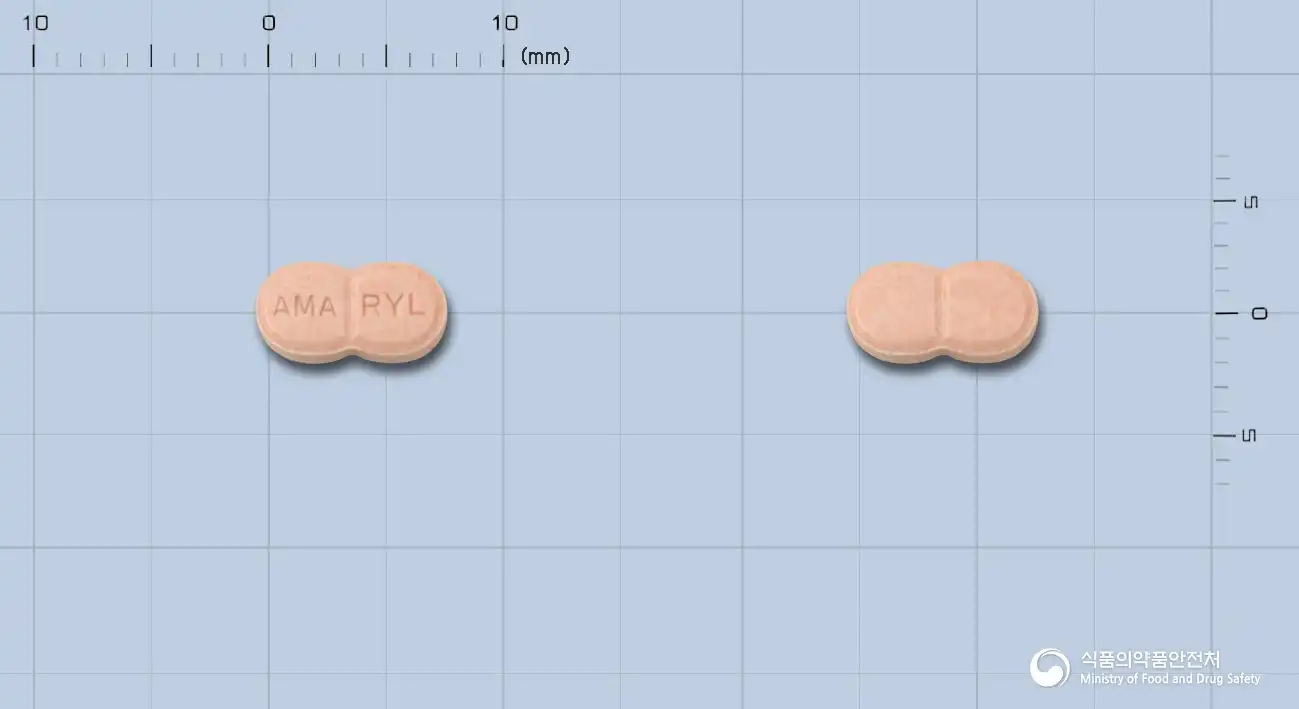
Glimepiride 1mg
Tablet · Prescription medication
Handok Co., Ltd.
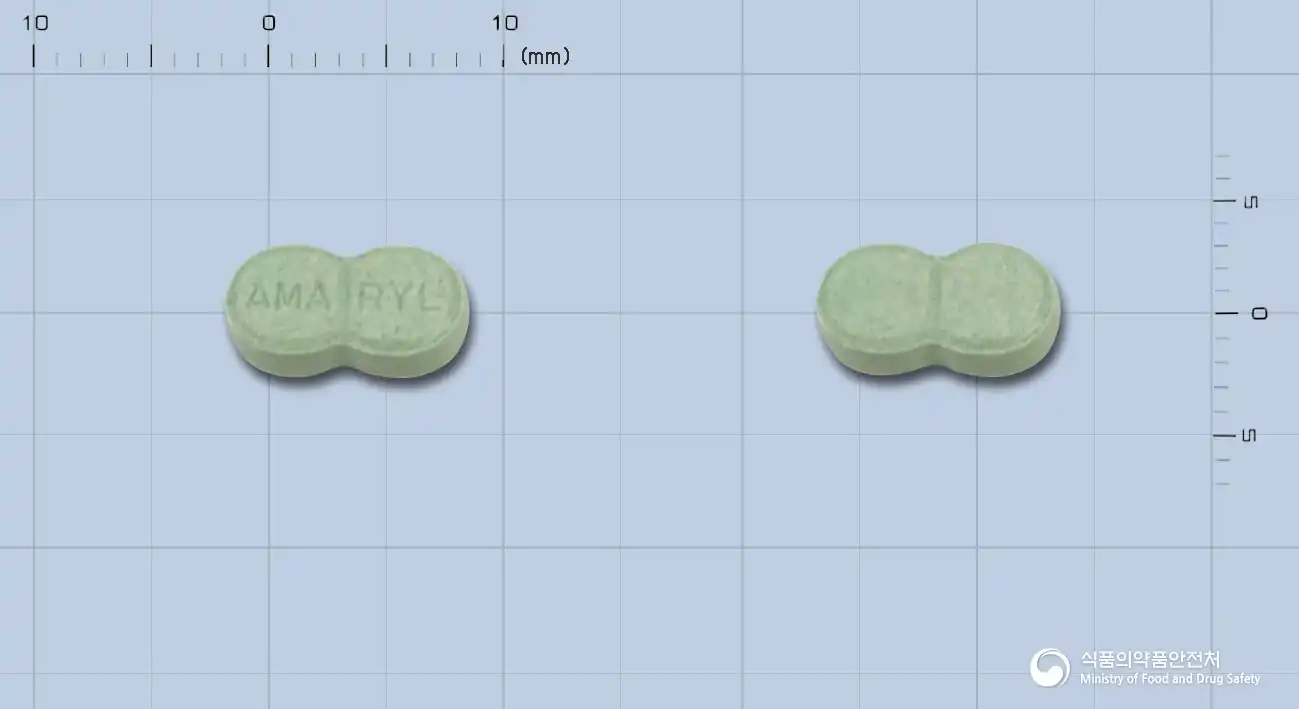
Glimepiride 2mg
Tablet · Prescription medication
Handok Co., Ltd.
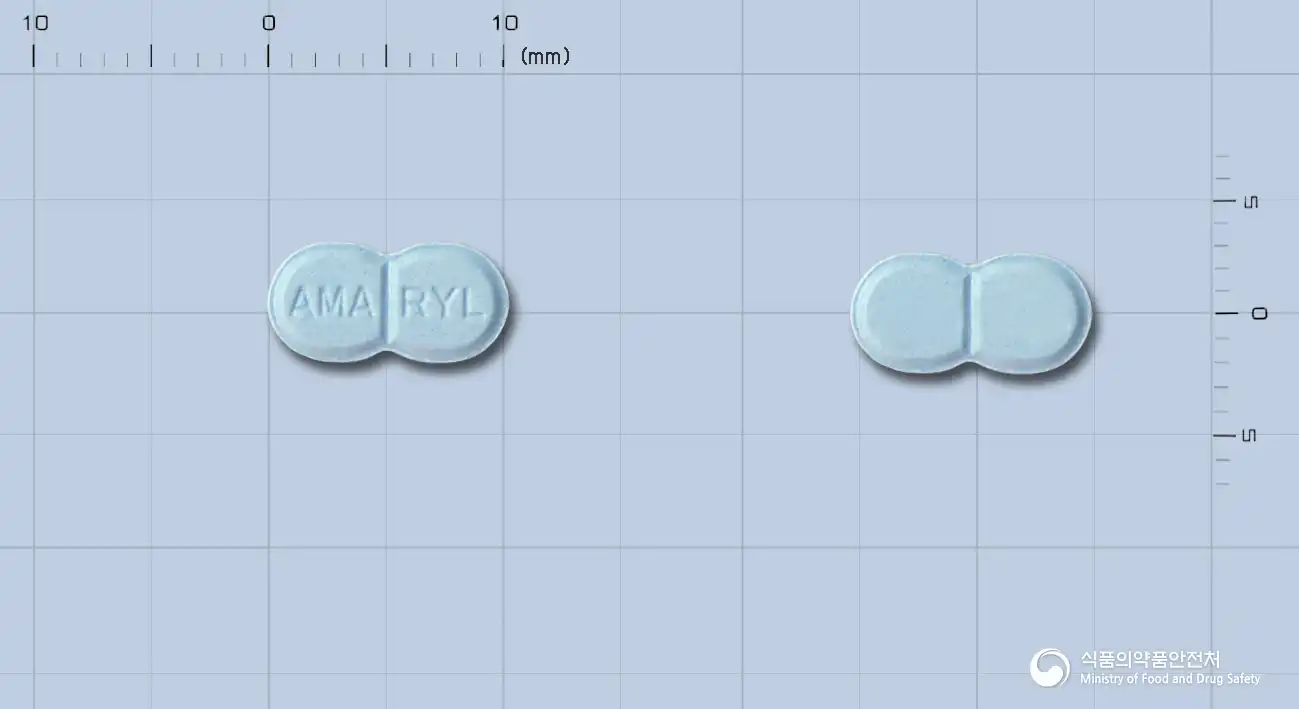
Glimepiride 4mg
Tablet · Prescription medication
(Hanmi Pharmaceutical Co., Ltd.)
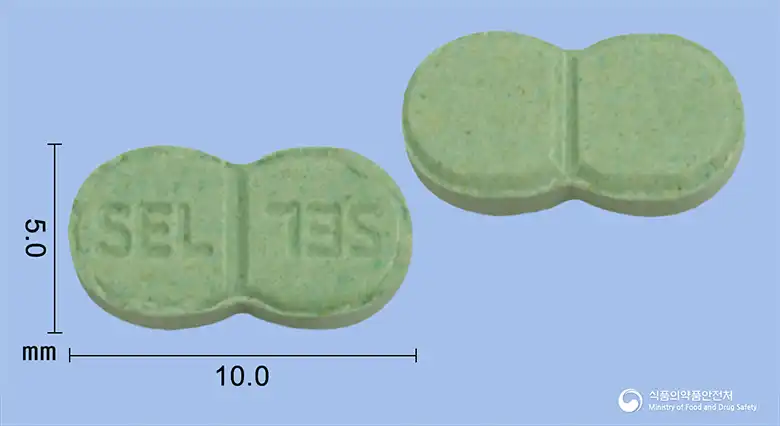
Glimepiride 2mg
Tablet · Prescription medication
Seoul Pharmaceutical Co., Ltd.
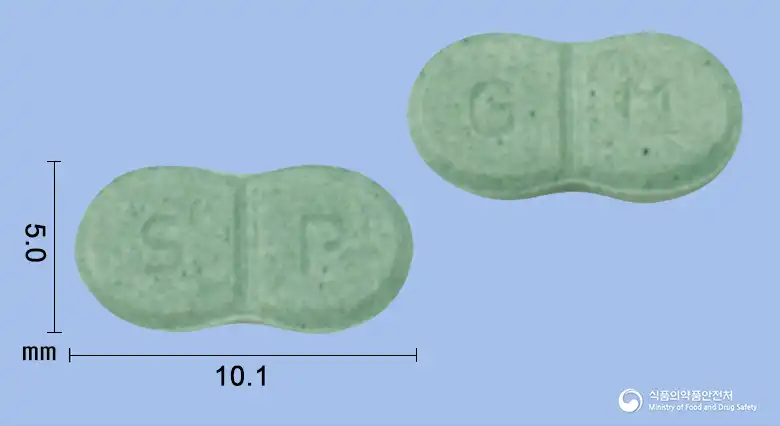
Glimepiride 2mg
Tablet · Prescription medication
Shinpoong Pharmaceutical Co., Ltd.
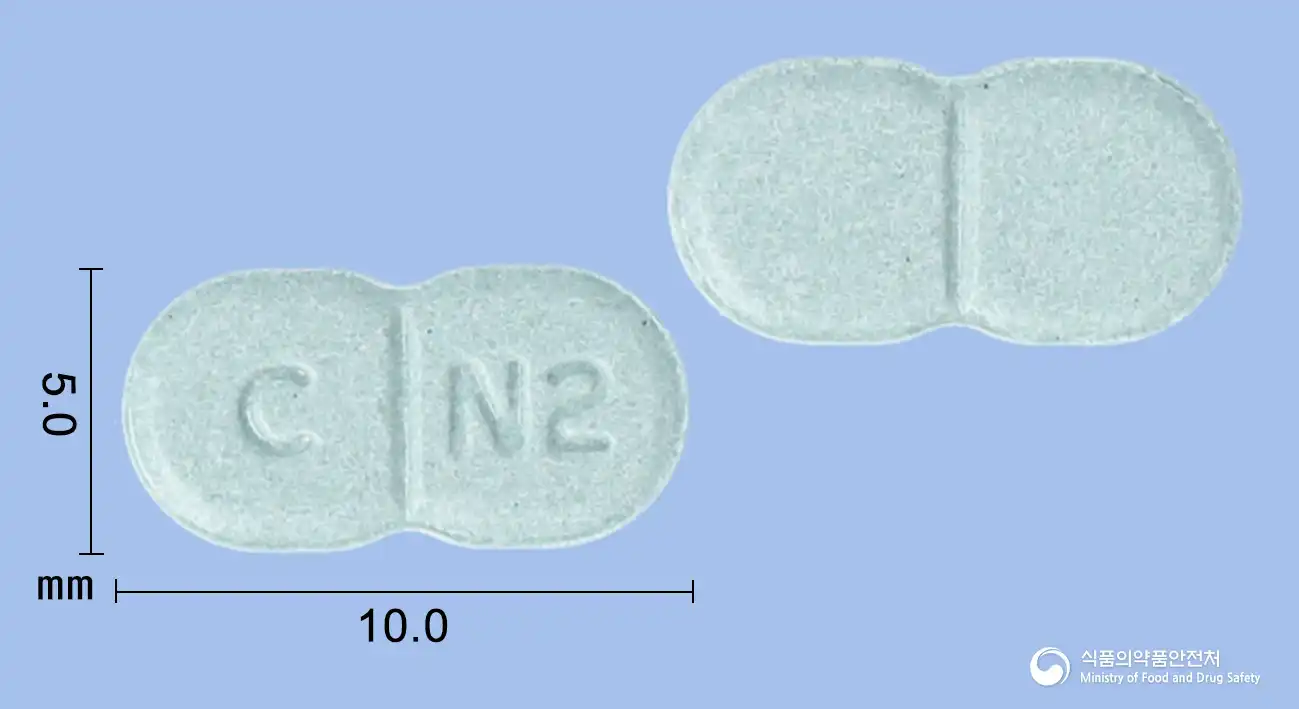
Glimepiride 2mg
Tablet · Prescription medication
Jongkundang Co., Ltd.
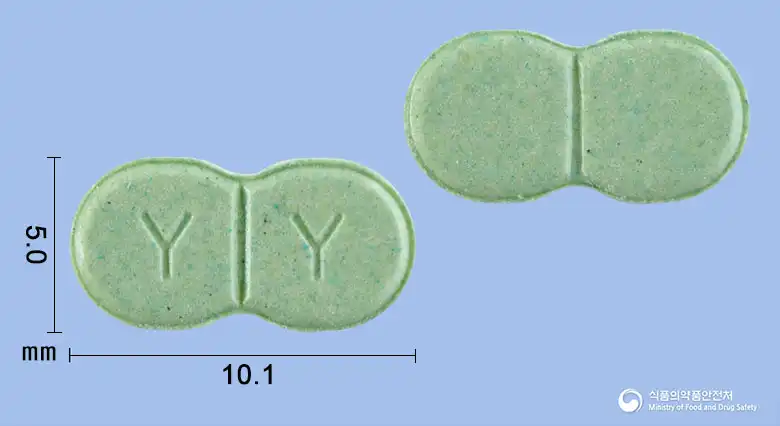
Glimepiride 2mg
Tablet · Prescription medication
IYun Pharmaceuticals Co., Ltd.
Even with the same ingredient, the dose and directions can differ by strength and dosage form. Talk to a doctor or pharmacist before switching from a medication you are already taking.
No questions yet.
For anything that needs medical judgment, consult a doctor or pharmacist.
This drug information is based on data provided by the Korea Ministry of Food and Drug Safety.
Consult a doctor or pharmacist for accurate dosage, administration, and usage instructions.