
 한국어
 English
 日本語
 中文(简体)
 Viewing now
JR Hydrocortisone Tablet 5 mg
Hydrocortisone 5mg
Tablet · Prescription medication
Vivozon Pharmaceutical Co., Ltd.
MFDS item code 200200928 · Notified 2002.07.26
Treatment of endocrine disorders, inflammatory and allergic diseases, infections, tumors, and other conditions
This medication is used for various endocrine disorders, rheumatic diseases, collagen diseases, and several other conditions. It is primarily utilized for alleviating symptoms related to chronic and acute adrenal insufficiency, thyroid dysfunction, and is helpful in preventing acute exacerbations of rheumatoid arthritis and rheumatic fever. Additionally, it is applicable for collagen diseases such as systemic lupus erythematosus, systemic vasculitis, polymyositis, and scleroderma, as well as for edematous diseases such as nephrotic syndrome. It is further used to treat a variety of conditions including bronchial asthma, allergic diseases, severe infections, blood disorders, gastrointestinal and liver diseases, tuberculous inflammation, central nervous system diseases, skin diseases, ophthalmic and ENT diseases. Moreover, it is utilized in a wide therapeutic area including certain malignancies, similar conditions, prevention of postoperative adhesions, and treatment of refractory stomatitis, thus assisting in symptom improvement for patients. This medication effectively addresses the symptom improvement of complex and various diseases.
Administer hydrocortisone 10-120 milligrams per day orally in 1-4 divided doses. Adjust the dosage as appropriate according to age and symptoms.
This medication should not be used in certain patients. For example, patients allergic to this medication or its components, or those with infections lacking effective antibacterial agents or systemic fungal infections may experience worsening of their infections if this medication is used. Additionally, patients with herpes simplex, herpes zoster, or chickenpox should not receive this medication. This medication contains lactose, so patients with hereditary issues such as galactose intolerance, lactase deficiency, or glucose-galactose malabsorption should not take it. Caution should be exercised when using this medication in some cases. For instance, patients with tuberculous disease or herpes simplex keratitis should use it carefully, as infections may worsen if necessary precautions are not taken. Patients with posterior subcapsular cataract may experience worsening of their cataract, and those with hypertension should be cautious due to potential rises in blood pressure. Patients with electrolyte abnormalities may experience issues such as sodium retention or hypokalemia, while those with thrombotic disorders may have increased blood clotting, worsening their symptoms. Recent surgical patients may have delayed wound healing, and patients with peptic ulcers may see worsening of their ulcers. Patients with mental illness may experience worsening of their symptoms, and severe osteoporosis patients may have further weakening of their bones. Patients with glaucoma may experience increases in intraocular pressure, worsening symptoms, and patients with acute myocardial infarction may be at risk for cardiac issues. Furthermore, patients with diabetes, renal failure, congestive heart failure, hypothyroidism, cirrhosis, fatty liver, myasthenia gravis, and the elderly need special caution when administering this medication. There may be side effects when using this medication, so symptoms should be closely monitored. Infections may appear or worsen, along with adrenal insufficiency, elevated blood sugar, growth suppression, menstrual irregularities, skin changes, etc. Gastrointestinal side effects may include abdominal pain, diarrhea, nausea, and ulcers, while psychiatric side effects may involve insomnia, depression, and headaches. Musculoskeletal issues may include osteoporosis, myalgia, and increased risk of fractures, and fluid and electrolyte imbalances may result in edema or elevated blood pressure. There is also a risk of eye problems leading to glaucoma or cataracts, necessitating regular examinations. A range of other side effects may occur, such as skin reactions, blood abnormalities, and heart issues, so immediate consultation with healthcare professionals is needed for any unusual symptoms. This medication can interact with other drugs, so caution is advised with concomitant use. In particular, when used with medications affecting cardiac rhythm, antiarrhythmics, some antibiotics, anticoagulants, diuretics, and hypoglycemic agents, dosage adjustments and monitoring are necessary. Additionally, this medication may weaken immune responses during live vaccine administration, so vaccination plans should be discussed with a physician. During pregnancy, it should only be used when absolutely necessary as it may affect the fetus, and during lactation, it may be transmitted through breast milk, requiring cessation of breastfeeding. In children, side effects such as growth delays may occur, so the minimum effective dosage should be used and growth should be closely monitored. In the elderly, there is a higher risk of side effects related to infections, diabetes, osteoporosis, hypertension, cataracts, and glaucoma; hence, careful administration and close monitoring of their condition are required.
Induction, exacerbation, concealment, hypersensitivity reactions, skin reactions suppression, secondary adrenal cortex dysfunction, diabetes, menstrual irregularities, Cushing's syndrome, growth retardation in children, decreased glucose tolerance, buffalo hump, peptic ulcer, pancreatitis, diarrhea, nausea, abdominal pain, chest pain, abdominal bloating, ulcerative esophagitis, thirst, increased appetite, mental disorders, depression, euphoria, insomnia, headache, dizziness, convulsions, increased intracranial pressure, osteoporosis, aseptic necrosis, myopathy, muscle pain, joint pain, vertebral compression fractures, pathological fractures, tendon rupture, nitrogen balance, fatty liver, edema, hypertension, potassium loss, hypokalemic alkalosis, sodium retention, fluid retention, congestive heart failure, increased intraocular pressure, glaucoma, posterior capsule cataract, secondary infection, retinal disorders, exophthalmos, blurred vision, acne, hirsutism, hyperpigmentation, subcutaneous hematoma, purpura, ancestry, itching, abnormal sweating, facial erythema, delayed wound healing, thin and fragile skin, lipodystrophy, petechiae, ecchymosis, allergic dermatitis, urticaria, leukocytosis, thrombosis, hypertrophic cardiomyopathy, fever, fatigue, steroid-induced nephropathy, weight gain, increase or decrease in sperm count and motility
Not everyone experiences these, and they can vary from person to person.
This medication is sensitive to light, so it should be stored in a dark container that does not allow light penetration. Additionally, it is important to store the medication at a cool temperature between 15 to 30 degrees Celsius to maintain its efficacy.
Pale pink triangular tablet
30 tablets/bottle, 500 tablets/bottle
Even with the same ingredient, strength, dosage form and how it is taken can differ.
Viewing nowHydrocortisone 5mg
Tablet · Prescription medication
Vivozon Pharmaceutical Co., Ltd.
Hydrocortisone 10mg
Cream · OTC medication
Vivozon Pharmaceutical Co., Ltd.
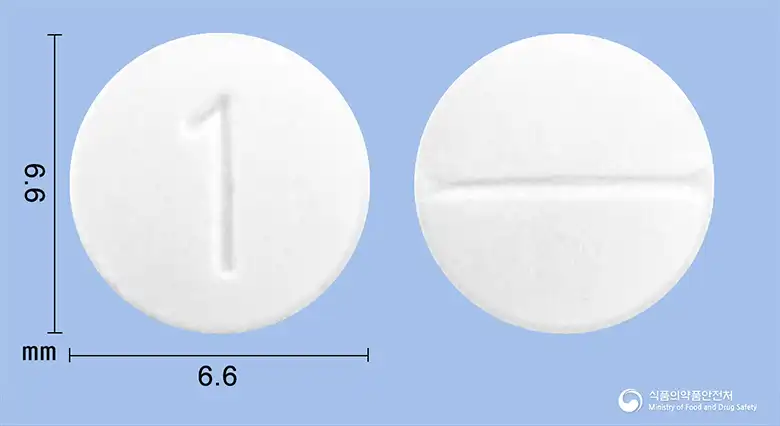
Hydrocortisone 10mg
Tablet · Prescription medication
Vivozon Pharmaceutical Co., Ltd.
Hydrocortisone 5mg
OTC medication
Highple Life Sciences Co., Ltd.
Hydrocortisone 25mg
Lotion · OTC medication
Shinil Pharmaceutical Co., Ltd.
Hydrocortisone 10mg
Lotion · OTC medication
Shinil Pharmaceutical Co., Ltd.
Hydrocortisone 1g
Suspension · OTC medication
JW Pharmaceutical Co., Ltd.
Hydrocortisone 1g
Lotion · OTC medication
Korea Pharma Co., Ltd.
Even with the same ingredient, the dose and directions can differ by strength and dosage form. Talk to a doctor or pharmacist before switching from a medication you are already taking.
No questions yet.
For anything that needs medical judgment, consult a doctor or pharmacist.
This drug information is based on data provided by the Korea Ministry of Food and Drug Safety.
Consult a doctor or pharmacist for accurate dosage, administration, and usage instructions.