
 한국어
 English
 日本語
 中文(简体)
 Viewing nowCombination
Femoston 2/10 Tablets (Estradiol Hemihydrate, Didrogesterone)
Estradiol Hemihydrate Micronized 2.06mg · Dydrogesterone 10mg
Tablet · Prescription medication · Combination
Abbott Korea Co., Ltd.
MFDS item code 199906977 · Approved 1999.04.08 · Insurance code 644206580
Relief of postmenopausal estrogen deficiency symptoms and prevention of osteoporosis
This medication is used to relieve various symptoms due to estrogen deficiency in women with a uterus who have undergone natural or artificial menopause. It also helps prevent osteoporosis with a high risk of fractures in postmenopausal women with a uterus. Therefore, it is effectively used for postmenopausal health management.
1. Starting treatment - If the patient is still menstruating, it is preferable to start taking the medicine within at least 5 days from the first day of menstruation. - Patients whose last menstrual period was 12 months or more ago may start taking the medicine at any time, regardless of menstruation. - During a 28-day cycle, take one pink tablet containing 2 mg estradiol once daily for the first 14 days. For the next 14 days, take one yellow tablet containing 2 mg estradiol and 10 mg dydrogesterone once daily. Take the tablets for 28 days in the order indicated on the package. 2. Continued treatment - After taking the medicine for 28 days as above, start a new 28-day cycle the next day, on day 29. Continue treatment without a break. - If intermittent bleeding occurs or endometrial biopsy results show an inadequate progestogenic response, take the blue tablet containing 2 mg estradiol and 20 mg dydrogesterone. - If the blue tablet cannot be taken, a tablet containing 10 mg dydrogesterone may be taken instead from day 15 to day 28 of the menstrual cycle. - After several consecutive cycles, reduce the dose of dydrogesterone and take the yellow tablet.
This medication should not be used by children under 18 years of age, pregnant women, or women who may become pregnant, and nursing mothers. It should not be administered to patients with suspected or confirmed breast cancer or tumors responsive to estrogen or progestogen, as well as those with undiagnosed abnormal genital bleeding. Caution should be used in patients with a history of thrombosis or those at high risk of thrombosis, patients with poor liver function, those with cerebrovascular disease, or those with a predisposition to thrombosis. This medication contains lactose, so patients with lactose intolerance or genetic sugar absorption disorders should not take it. While taking this medication, symptoms such as headache, abdominal pain, breast pain, dyspepsia, skin rash, elevated blood pressure, and menstrual disorders may occur, and if such symptoms appear, consultation with a doctor is necessary. This medication may increase the risk of breast cancer and endometrial cancer, so regular breast examinations and endometrial tests are required. There may be an increased risk of cardiovascular diseases such as thrombosis, heart attack, and stroke, so patients with a history of heart disease must consult with their doctor. There may be interactions with other medications, so patients should inform their doctor or pharmacist of any other medications they are taking. It should not be used during pregnancy, and if pregnancy is confirmed during treatment, it should be immediately discontinued and a doctor should be informed. In cases of overdose, symptoms such as nausea, vomiting, dizziness, and breast tenderness may occur, and in such cases, medical attention should be sought immediately. It is important to have regular check-ups with a doctor during treatment and consult immediately if unusual symptoms occur.
headache, abdominal pain, breast pain, breast tenderness, lower back pain, nausea, vomiting, abdominal bloating, indigestion, migraine, depression, nervous irritability, dizziness, changes in sexual desire, gallbladder disorder, changes in liver function tests, breast enlargement, skin allergic reactions, rashes, hives, itching, angioedema, skin purpura, vulvovaginal candidiasis, menstrual disorders, pelvic pain, changes in discharge, premenstrual syndrome-like symptoms, symptoms similar to cystitis, hypertension, peripheral vascular disease, varicose veins, thrombus formation, heart attack, back pain, weight gain, asthenia, fatigue, malaise, limb swelling, weight loss, allergic reactions, changes in carbohydrate metabolism, hemolytic anemia, systemic lupus erythematosus, hypertriglyceridemia, potential for dementia, involuntary muscle contractions, worsening of seizure symptoms, worsening of corneal curvature, contact lens intolerance, arterial thrombosis, pancreatitis, erythema multiforme, nodular erythema, brown spots, hemorrhagic rash, leg cramps, difficulty in bladder control, breast fibrosis, cervical erosion, worsening of porphyria, increased total thyroid hormone, deep vein thrombosis of the lower extremities, pelvic vein thrombosis, pulmonary embolism, myocardial infarction, stroke, gallbladder disease, breast fullness, changes in bleeding volume, petechiae, mild bleeding, menstruation, edema, increased discharge, drowsiness, pruritus, gastrointestinal disorders, keratosis, lower abdominal pain, heat sensation, nausea, vomiting
Not everyone experiences these, and they can vary from person to person.
This medication should be stored in an airtight container that allows good air circulation, and it is recommended to store it at room temperature between 1 to 30 degrees Celsius. Storing it this way helps maintain the effectiveness of the medication for a long time.
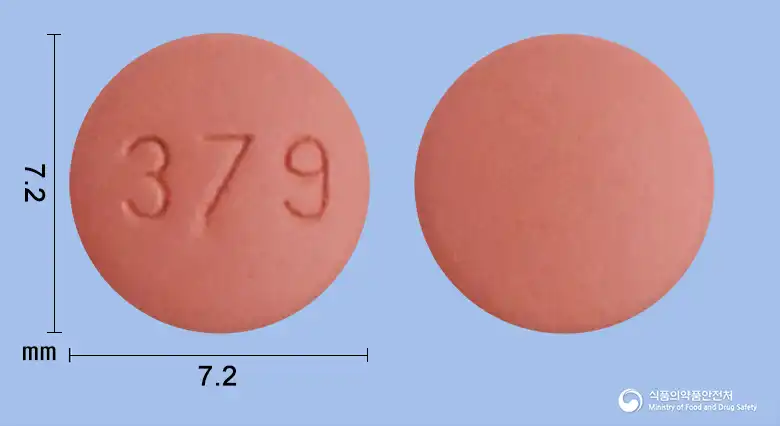
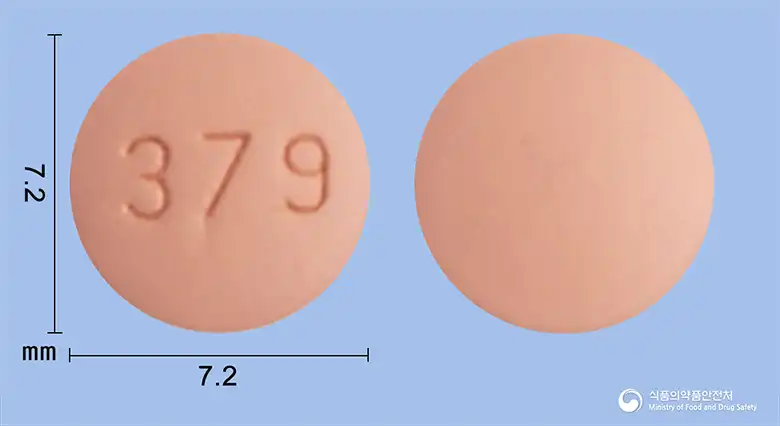
Pink tablet: A pink round, biconvex film-coated tablet Yellow tablet: A yellow round, biconvex film-coated tablet
28 tablets/PTP
Even with the same ingredient, strength, dosage form and how it is taken can differ.
Viewing nowCombinationEstradiol Hemihydrate Micronized 2.06mg · Dydrogesterone 10mg
Tablet · Prescription medication · Combination
Abbott Korea Co., Ltd.
 Combination
Estradiol Hemihydrate Micronized 1.03mg · Dydrogesterone 5mg
Tablet · Prescription medication · Combination
Abbott Korea Ltd.
Even with the same ingredient, the dose and directions can differ by strength and dosage form. Talk to a doctor or pharmacist before switching from a medication you are already taking.
No questions yet.
For anything that needs medical judgment, consult a doctor or pharmacist.
This drug information is based on data provided by the Korea Ministry of Food and Drug Safety.
Consult a doctor or pharmacist for accurate dosage, administration, and usage instructions.