
 한국어
 English
 日本語
 中文(简体)
 Viewing now
Silcon Tablet (Polycarbophil Calcium)
Calcium Polycarbophil 625mg
Tablet · Prescription medication
Myungmoon Pharmaceutical Co., Ltd.
MFDS item code 199903252 · Approved 1999.06.07 · Insurance code 649802240
Relief of irritable bowel syndrome (constipation or diarrhea), chronic constipation, and nonspecific diarrhea
This medication is used as an adjunct for chronic constipation, nonspecific diarrhea, and the symptoms of constipation and diarrhea associated with irritable bowel syndrome. It helps alleviate discomfort associated with constipation or diarrhea and promotes smooth bowel movements by stimulating the intestines or regulating the moisture content of the stool. It is also effective in improving abdominal pain and abnormal bowel habits caused by irritable bowel syndrome. This medication is used to stabilize gastrointestinal function and restore normal bowel habits.
This medicine should be taken orally with at least 250 mL of water or another liquid. Taking this medicine without sufficient liquid may cause choking (see Precautions). ○ Adults: Administer 1,250 mg of calcium polycarbophil orally 1 ~ 4 times daily. The dose may vary depending on diet, exercise, previous laxative use, or pain associated with constipation. The recommended initial dose for adults is 1,250 ~ 2,500 mg daily, and the dose may be increased to 5,000 mg daily. This medicine produces results within 12 ~ 72 hours. Do not take this medicine immediately before bedtime; allow at least 1 hour for digestion before going to bed.
○ Children (6 ~ 12 years): Administer 625 mg of calcium polycarbophil orally 1 ~ 3 times daily. Children 6 years of age or younger should consult a physician.
This medication should not be administered to certain patients. For example, it should not be used by individuals who are allergic to this medication or its ingredients, those with unexplained rectal bleeding, individuals with severe dehydration, or those with conditions that make swallowing difficult or those who must lie down due to the risk of drug reflux. Patients with acute abdominal conditions, bowel obstruction, hypercalcemia, kidney stones, and severe renal impairment should also avoid this medication. It is advisable for patients with severe abdominal pain, nausea, or vomiting not to use this medication. There are cases where this medication should be administered with caution. Patients who need to restrict calcium intake or those taking active vitamin D preparations should be careful due to the risk of hypercalcemia. Patients on cardiac glycosides should also be cautious as this medication may enhance the effects of those drugs. Patients with a history of gastric resection or low gastric acid secretion may not achieve sufficient efficacy. Patients undergoing dialysis or those with mild renal failure should also use this medication carefully due to the risk of calcium deposits. Those allergic to caramel ingredients should be cautious as well. When taking this medication, hypersensitivity may cause skin rashes or itching, and in such cases, use should be stopped immediately. Additionally, gastrointestinal disturbances such as nausea, vomiting, abdominal pain, diarrhea, constipation, and increases in liver function tests may occur. Rarely, symptoms such as bowel obstruction, hypercalcemia, edema, headache, and hematuria may appear. When taking the medication, it should be swallowed with plenty of water; taking it without water could lead to choking or swelling of the throat or esophagus, which is dangerous. If there is chest pain, vomiting, difficulty swallowing, or breathing problems after taking this medication, it is important to consult a doctor or pharmacist immediately. This medication is a symptomatic relief treatment, and if symptoms do not improve after 7 days, use should be discontinued, and consultation with a specialist is advised. When taking for a prolonged period, careful observation for abnormal symptoms is necessary. When taken with other medications, as this medication may interfere with the absorption of other drugs while it remains in the intestine, it is advisable to space the doses at least 2 hours apart. In particular, caution should be taken when taken with certain antibiotics or antimicrobial agents due to reduced absorption. Taking it with active vitamin D preparations increases the risk of hypercalcemia. When taken with calcium supplements, caution is needed due to the risk of side effects from excessive calcium intake. Side effects such as arrhythmias may occur when taken in conjunction with cardiac glycosides. Also, taking it with medications that suppress gastric acid secretion may reduce the effectiveness of this medication. Women who are pregnant or may become pregnant should only use this medication when the benefits outweigh the risks, as safety has not been established. Safety in children has also not been sufficiently confirmed. Elderly patients may have decreased renal function, increasing the risk of hypercalcemia, necessitating dose adjustments. This medication should be stored out of reach of children, in a tightly sealed container to prevent air or moisture from entering, and it is recommended to keep it at room temperature between 1 and 30 degrees Celsius. Proper storage will help maintain the medication's efficacy for a longer period.
Not everyone experiences these, and they can vary from person to person.
This medication should be stored in a tightly sealed container to prevent air or moisture from entering, and it is best to keep it at room temperature between 1 and 30 degrees Celsius. This way, the medication's efficacy can be maintained for an extended period.
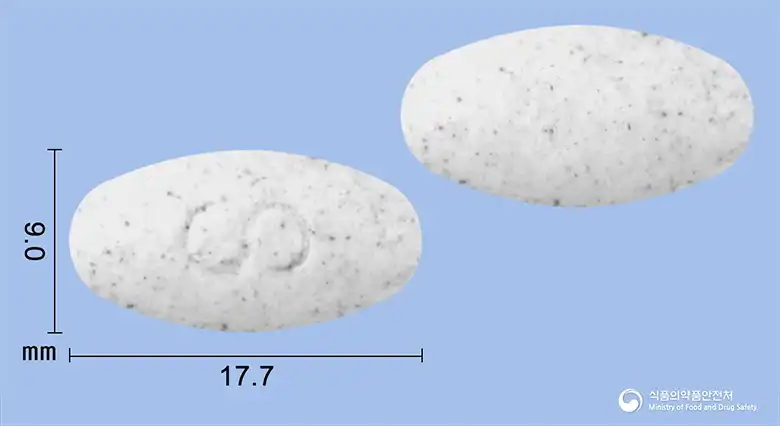
Light white film-coated tablets with dark brown specks
30 tablets/bottle, 500 tablets/bottle
Even with the same ingredient, strength, dosage form and how it is taken can differ.
Viewing nowCalcium Polycarbophil 625mg
Tablet · Prescription medication
Myungmoon Pharmaceutical Co., Ltd.
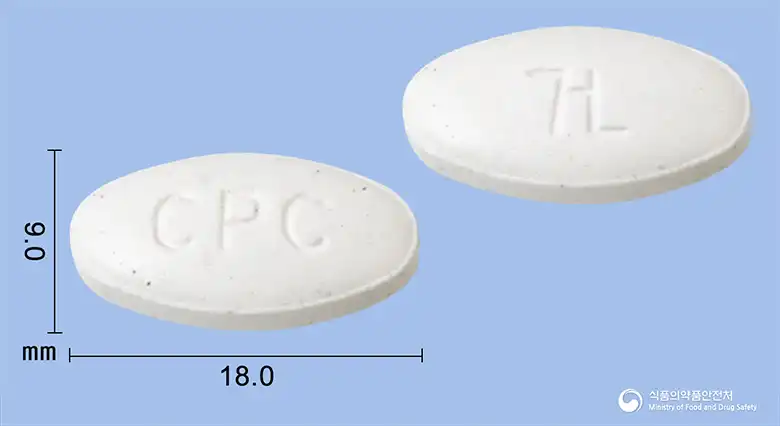
Calcium Polycarbophil 625mg
Tablet · Prescription medication
Geonil Pharmaceutical Co., Ltd.
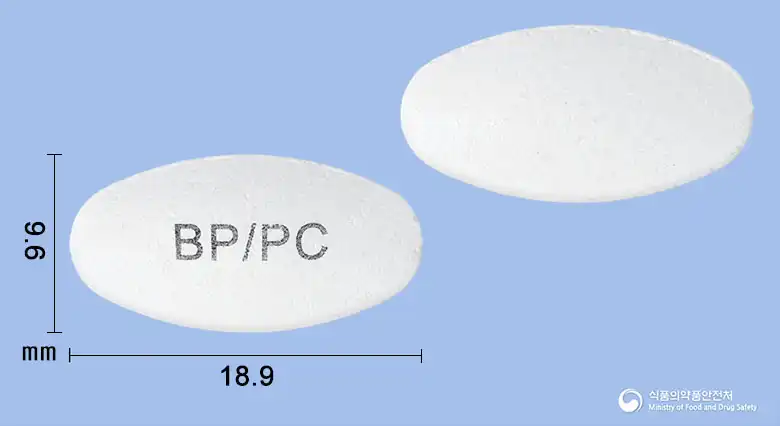
Calcium Polycarbophil 625mg
Tablet · Prescription medication
Genupharm Co., Ltd.
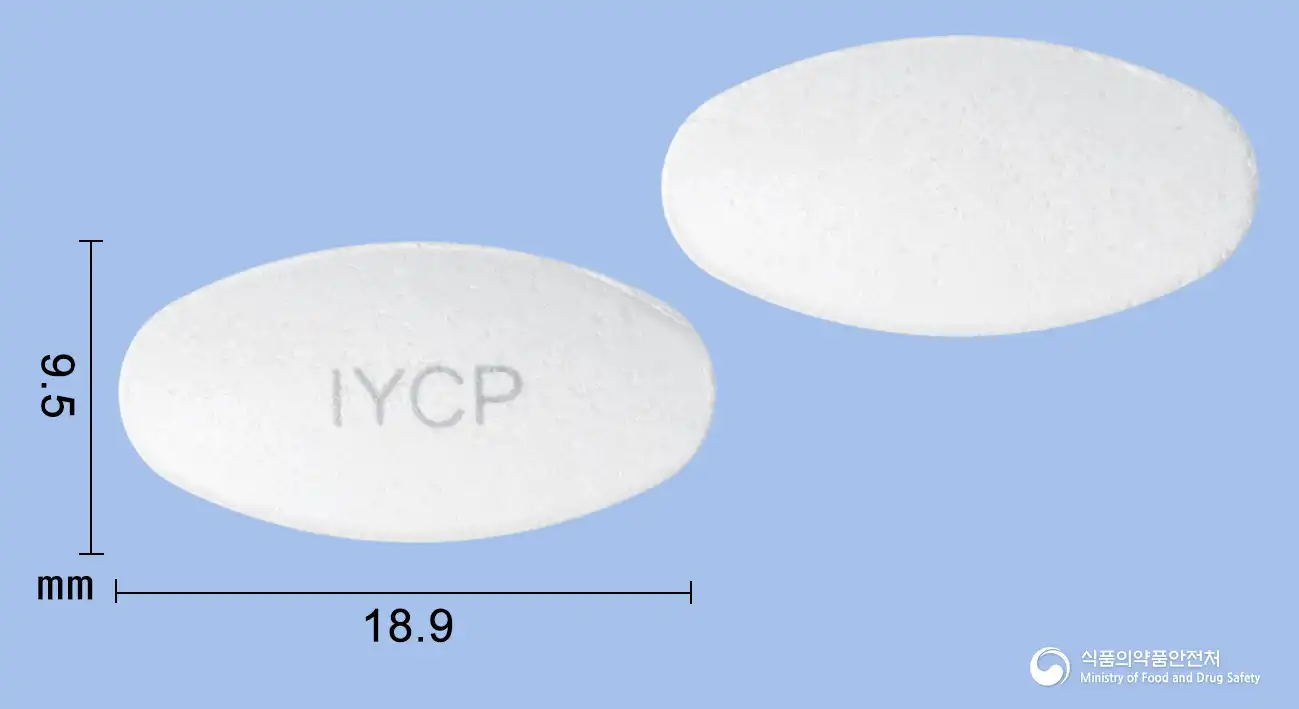
Calcium Polycarbophil 625mg
Tablet · Prescription medication
Il Yang Pharmaceutical Co., Ltd.
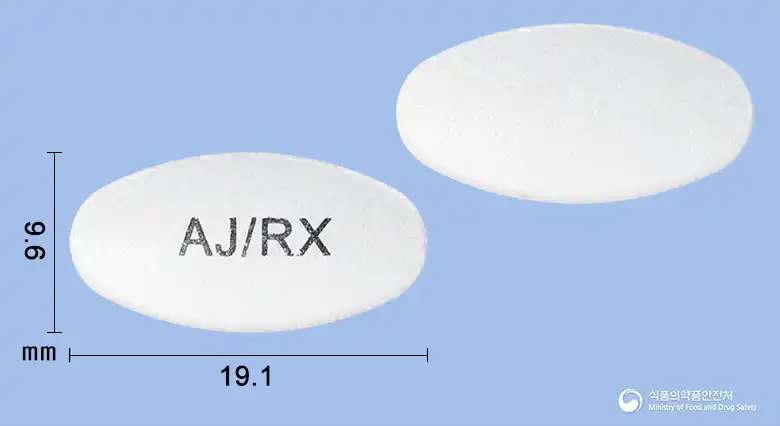
Calcium Polycarbophil 625mg
Tablet · Prescription medication
Ajou Pharmaceutical Co., Ltd.
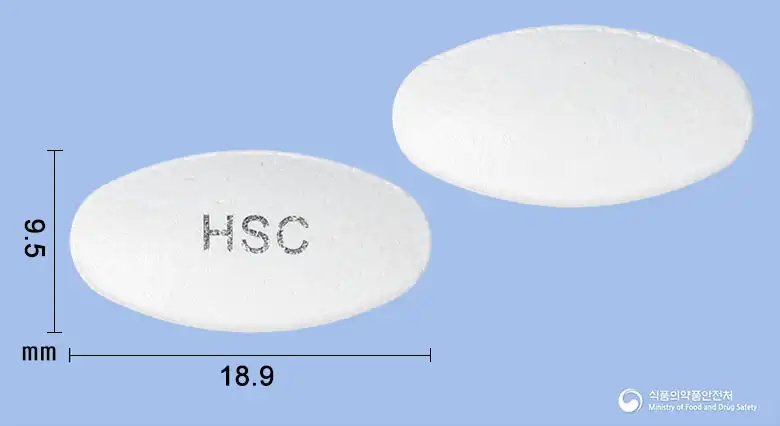
Calcium Polycarbophil 625mg
Tablet · Prescription medication
Heeon Pharmaceutical Co., Ltd.
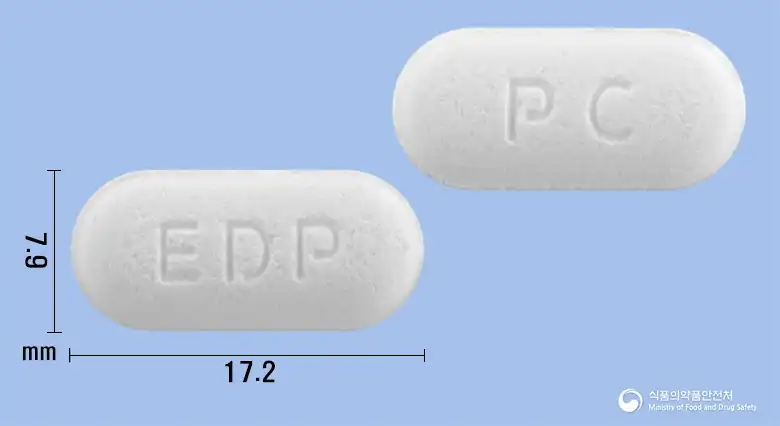
Calcium Polycarbophil 625mg
Tablet · Prescription medication
Eden Pharma Co., Ltd.
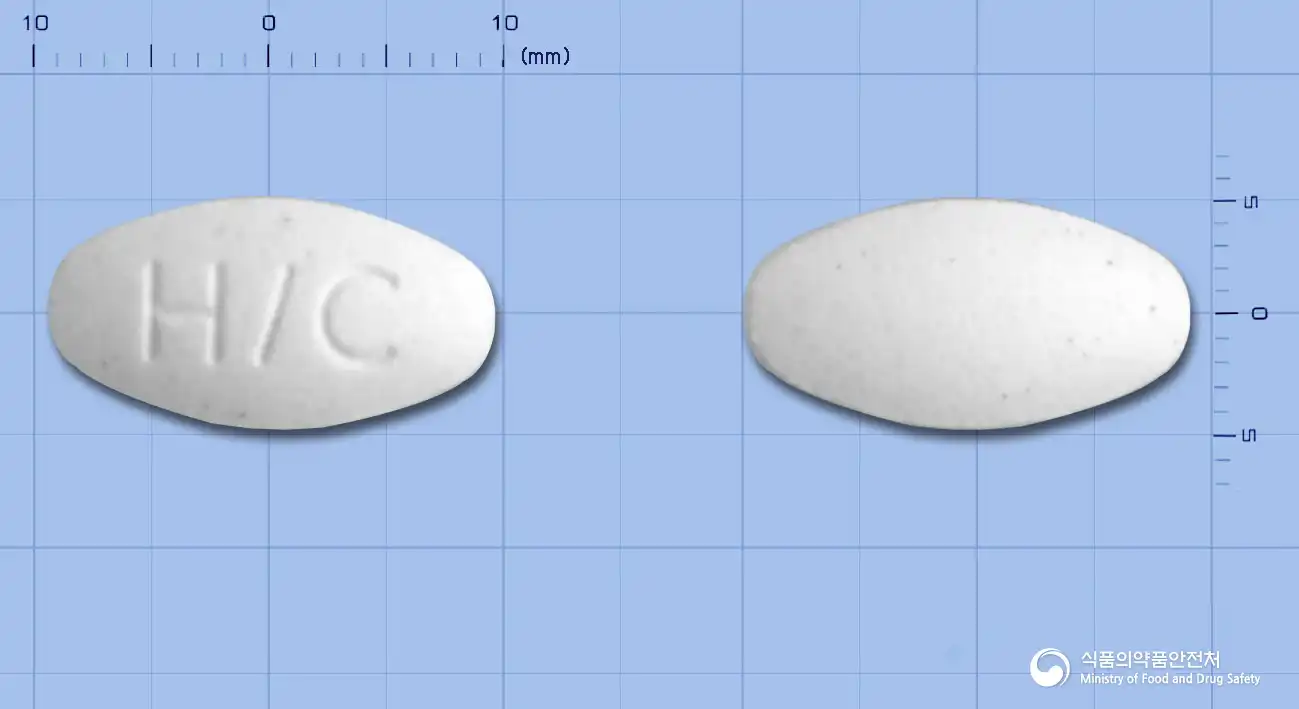
Calcium Polycarbophil 625mg
Tablet · Prescription medication
Korea Pharma Co., Ltd.
Even with the same ingredient, the dose and directions can differ by strength and dosage form. Talk to a doctor or pharmacist before switching from a medication you are already taking.
No questions yet.
For anything that needs medical judgment, consult a doctor or pharmacist.
This drug information is based on data provided by the Korea Ministry of Food and Drug Safety.
Consult a doctor or pharmacist for accurate dosage, administration, and usage instructions.