
 한국어
한국어 English
 日本語
日本語 中文(简体)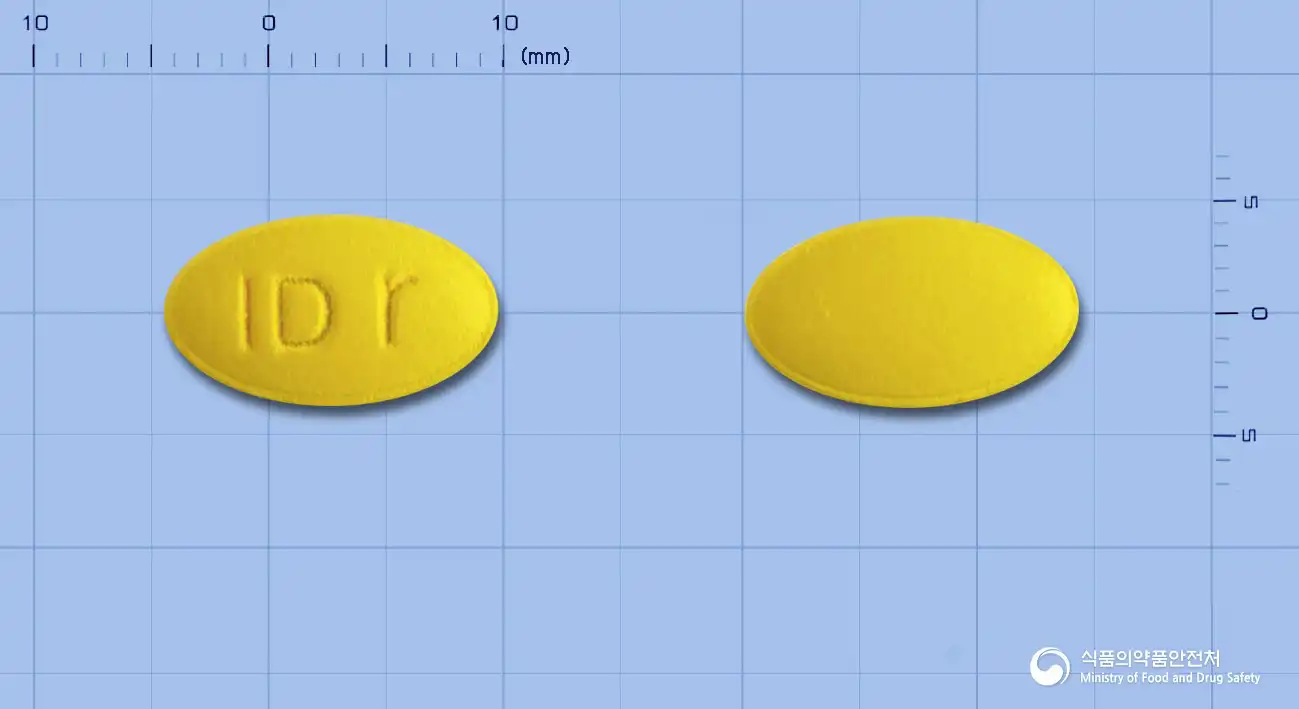
Summary
- Main use
- Improves nitrogen blood levels in dialysis patients and chronic renal failure
- Who takes it
- Adults
- Adult dose
- 1 tablet for adults, taken once daily
Ingredients
- Pyridoxine Hydrochloride10mg / 1 tablet
- Thiamine Nitrate1.5mg / 1 tablet
- Cyanocobalamin Powder 0.1%6mg / 1 tablet
- Riboflavin1.7mg / 1 tablet
- Ascorbic Acid Granules 97%61.86mg / 1 tablet
- Folic Acid1000μg / 1 tablet
- Biotin300μg / 1 tablet
- Nicotinamide20mg / 1 tablet
- Calcium Pantothenate10mg / 1 tablet
- Manufacturer
- 일동제약(주)
Efficacy & effects
Improves nitrogen blood levels in dialysis patients and chronic renal failure
View approved original textHide original text
For patients with nitrogen blood levels due to dialysis and chronic renal failure, it is important to supply vitamins B and C. These vitamins can be easily depleted in conditions of reduced kidney function; therefore, they need to be adequately supplied to help maintain bodily functions and improve nutritional status. In particular, the B vitamins are essential for energy metabolism and maintaining nerve function, while vitamin C is beneficial for enhancing immunity and tissue damage recovery. Thus, this medication is used to prevent nutritional imbalance and maintain health in patients undergoing dialysis or with nitrogen blood levels from chronic renal failure.
How to take
Adult dose
1 tablet for adults, taken once daily
Precautions
This medication should not be used in patients with pernicious anemia due to vitamin B12 deficiency if only folic acid is administered, as while hematological symptoms may improve, neurological symptoms may worsen. People with allergies or hypersensitivity to any ingredient in this medication and infants under 3 months old should not take this medication. Do not take this medication concurrently with levodopa during use. Patients receiving treatment from a physician, those with hyperoxaluria, pregnant or breastfeeding women, and those with a history of allergy to the ingredient Yellow No. 5 in this medication must consult a doctor, dentist, or pharmacist before taking this medication. If symptoms such as nausea, vomiting, diarrhea, appetite loss, or abdominal discomfort occur during use, or if an allergic reaction is suspected, discontinue use immediately and consult a professional. Additionally, taking high doses for a long time may lead to tolerance, and prolonged intake of more than 50mg of pyridoxine daily may cause neurological dysfunction. Administering high doses of vitamin B12 to patients with folic acid deficiency may produce abnormal blood reactions, so caution is necessary. High-dose use can exacerbate peptic ulcers, cause glucose intolerance, hyperuricemia, liver damage. This medication should be taken strictly according to the prescribed usage and dosage by a physician. If symptoms do not improve after about a month of use or worsen, consult a professional. This medication may affect blood glucose detection in urine tests and can discolor urine yellow, affecting clinical test results. Store in a place out of reach of children, avoid direct sunlight, and keep in a cool, dry area. It is also important to keep it in the original container for quality maintenance without transferring it to another container.
Side effects and when to seek care immediately
Mild side effects
- Nausea
- vomiting
- diarrhea
- loose stools
- appetite loss
- abdominal discomfort
- abdominal distension
- sensory neuropathy or neuropathy
- hematological adverse reactions
- exacerbation of peptic ulcers
Show 4 moreCollapse
- glucose intolerance damage
- hyperuricemia
- liver damage
- allergic hypersensitivity symptoms
Not everyone experiences these, and they can vary from person to person.
Interactions
Drug interactions
Do not take this medication in conjunction with levodopa.
Storage
This medication may be sensitive to air or moisture, so it should be stored in a sealed container. It is advisable to maintain a storage temperature between 1 degree and 30 degrees Celsius at room temperature. This will help preserve the medication's effectiveness and safety for a long time.
Appearance and packaging
Appearance
Yellow oval film-coated tablet
Package unit
For domestic use - 100 tablets/box [(10 tablets/PTP)x10], For domestic use - 150 tablets/box [(10 tablets/PTP)x15], For domestic use - 300 tablets/bottle, For export - 60 tablets/box [(10 tablets/PTP)x6]
Questions about this medicine
No questions yet.
For anything that needs medical judgment, consult a doctor or pharmacist.