
 한국어
 English
 日本語
 中文(简体)
 Viewing now
Exson Tablets (Eperisone Hydrochloride)
Eperisone Hydrochloride 50mg
Prescription medication
Aju Pharmaceutical Co., Ltd.
MFDS item code 199700919 · Notified 1997.09.30 · Insurance code 654001380
Relief of painful muscle spasms associated with musculoskeletal disorders and spastic paralysis associated with neurological disorders
This medication is effective for painful muscle spasms associated with musculoskeletal disorders, such as shoulder-hand syndrome, pericapsular inflammation, and low back pain. It is also used to treat spastic paralysis resulting from neurological disorders, brain vascular disorders or cerebral palsy, spinal cord injuries, and other various central nervous system diseases. It alleviates the patient's pain and stiffness, helping to improve muscle function. Ultimately, this medication is used to relieve muscle stiffness and pain that occur in musculoskeletal and neurological disorders.
Adults: Administer 50 mg of eperisone hydrochloride orally per dose 3 times daily after meals. Adjust the dose appropriately according to age and symptoms.
This medication should not be used in certain patients. For example, patients allergic to this medication or those with myasthenia gravis should not take it. Additionally, this medication contains lactose, so it should not be administered to patients with lactose intolerance or hereditary lactose breakdown disorders. Patients with a history of hypersensitivity to medication or poor liver function should exercise caution when using this medication, as liver function may worsen, and their condition should be closely monitored. While taking this medication, rare cases of shock may occur, so if symptoms appear, the medication should be discontinued immediately, and appropriate treatment should be sought. There is a possibility of abnormalities in liver or kidney function, so blood tests and other assessments should be conducted regularly, and if abnormalities are found, medication should be discontinued. Allergic reactions such as anemia, skin rash, and itching may occur, so if abnormal symptoms arise, consultation with a physician is necessary. Neuropsychiatric symptoms may include insomnia, drowsiness, headache, and numbness in the limbs, while gastrointestinal symptoms may include nausea, vomiting, loss of appetite, and abdominal pain. Symptoms such as urinary tract problems, systemic weakness, and dizziness may also occur, requiring caution. In particular, severe skin reactions such as Stevens-Johnson syndrome may occur, so if symptoms like fever, skin rash, blisters, or eye redness appear, medication should be stopped immediately, and a hospital visit is warranted. Drowsiness or decreased concentration may occur during the course of treatment, so it is advisable to avoid driving or operating dangerous machinery. When taken with similar medications or certain muscle relaxants, problems with visual accommodation may arise, so it should be discussed with a physician. Pregnant women or women who may become pregnant should use this medication cautiously only if necessary, as its safety is not established, and breastfeeding women should preferably avoid taking it or discontinue breastfeeding. Safety in children has not been sufficiently established, so caution is advised regarding its use. Elderly patients may have decreased body function, so special attention is required, including dosage adjustments.
Not everyone experiences these, and they can vary from person to person.
This medication should be stored in a sealed, air-tight container at room temperature. This helps to prevent degradation and maintain its effectiveness.
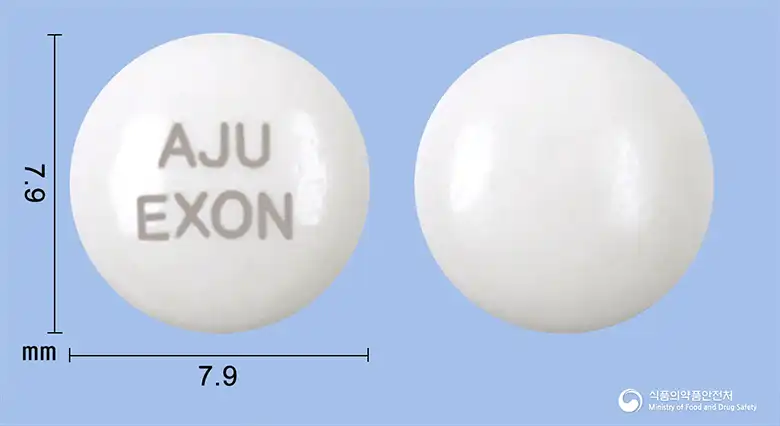
White round film-coated tablet
For domestic use - 30 tablets/bottle, For domestic use - 500 tablets/bottle, For export - 100 tablets/box [10 tablets/PTP*10]
Even with the same ingredient, strength, dosage form and how it is taken can differ.
Viewing nowEperisone Hydrochloride 50mg
Prescription medication
Aju Pharmaceutical Co., Ltd.
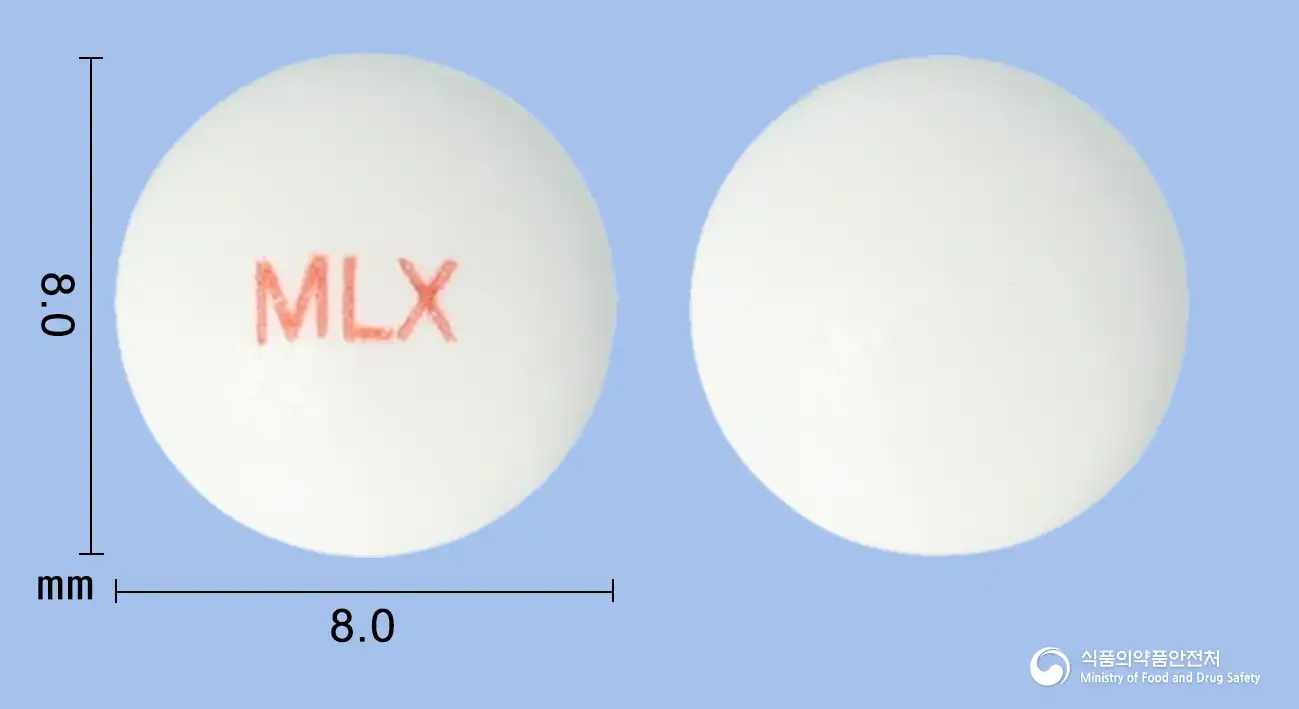
Eperisone Hydrochloride 50mg
Tablet · Prescription medication
Chodang Pharmaceutical Co., Ltd.
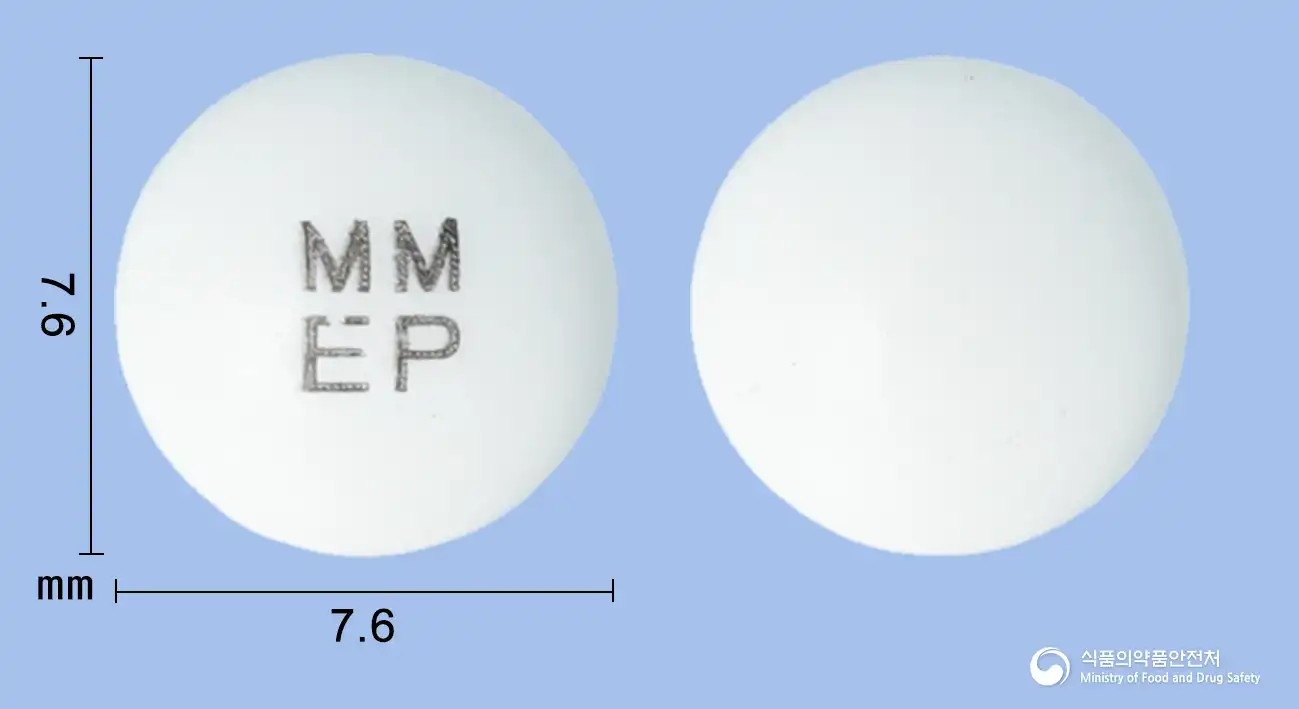
Eperisone Hydrochloride 50mg
Tablet · Prescription medication
Myeongmun Pharmaceutical Co., Ltd.
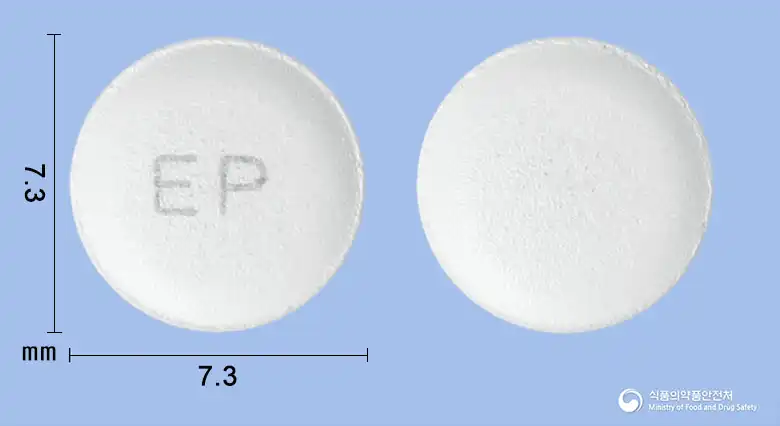
Eperisone Hydrochloride 50mg
Tablet · Prescription medication
Daewoo Pharmaceutical Co., Ltd.
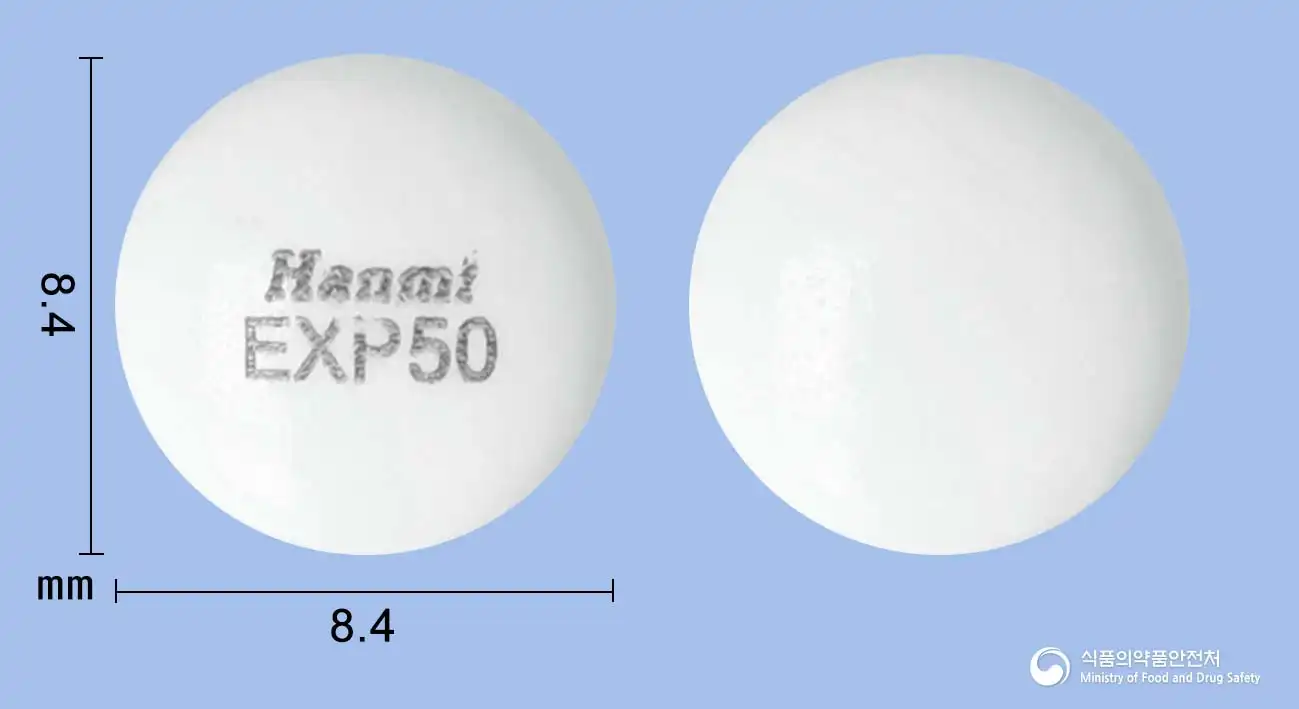
Eperisone Hydrochloride 50mg
Prescription medication
Hanmi Pharmaceutical Co., Ltd.
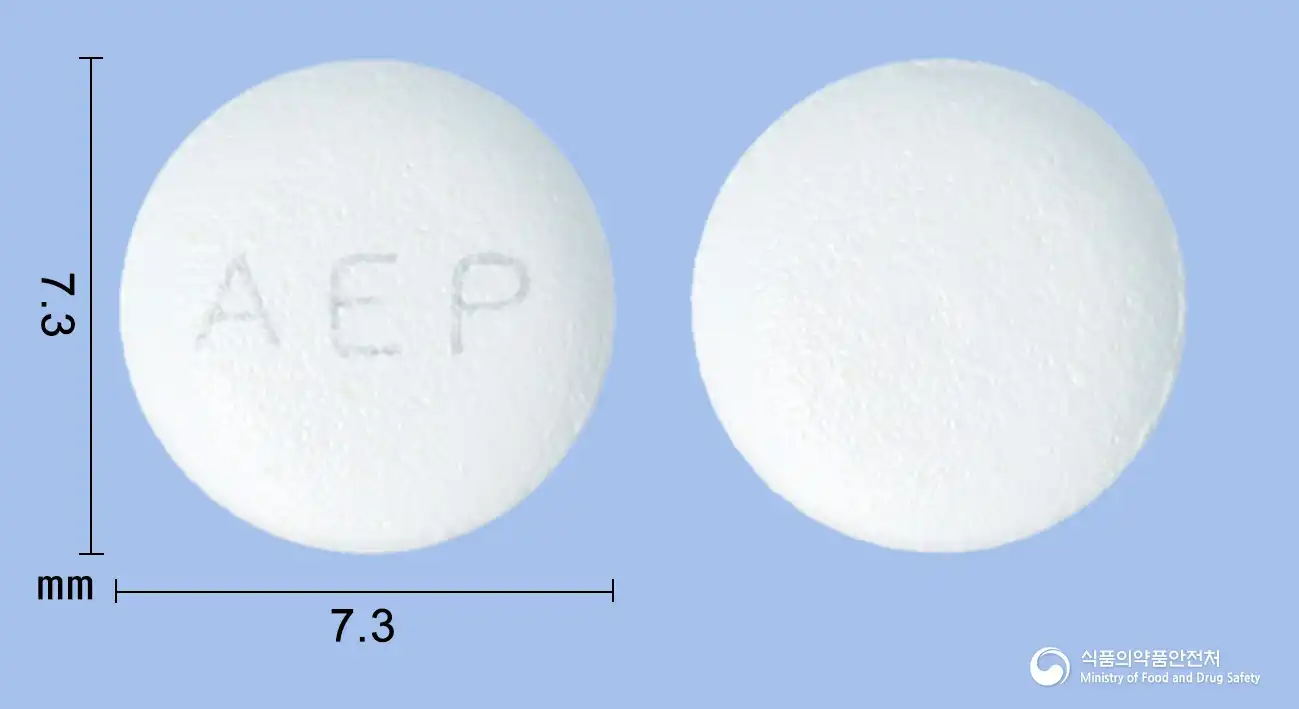
Eperisone Hydrochloride 50mg
Tablet · Prescription medication
Kyungdong Pharmaceutical Co., Ltd.
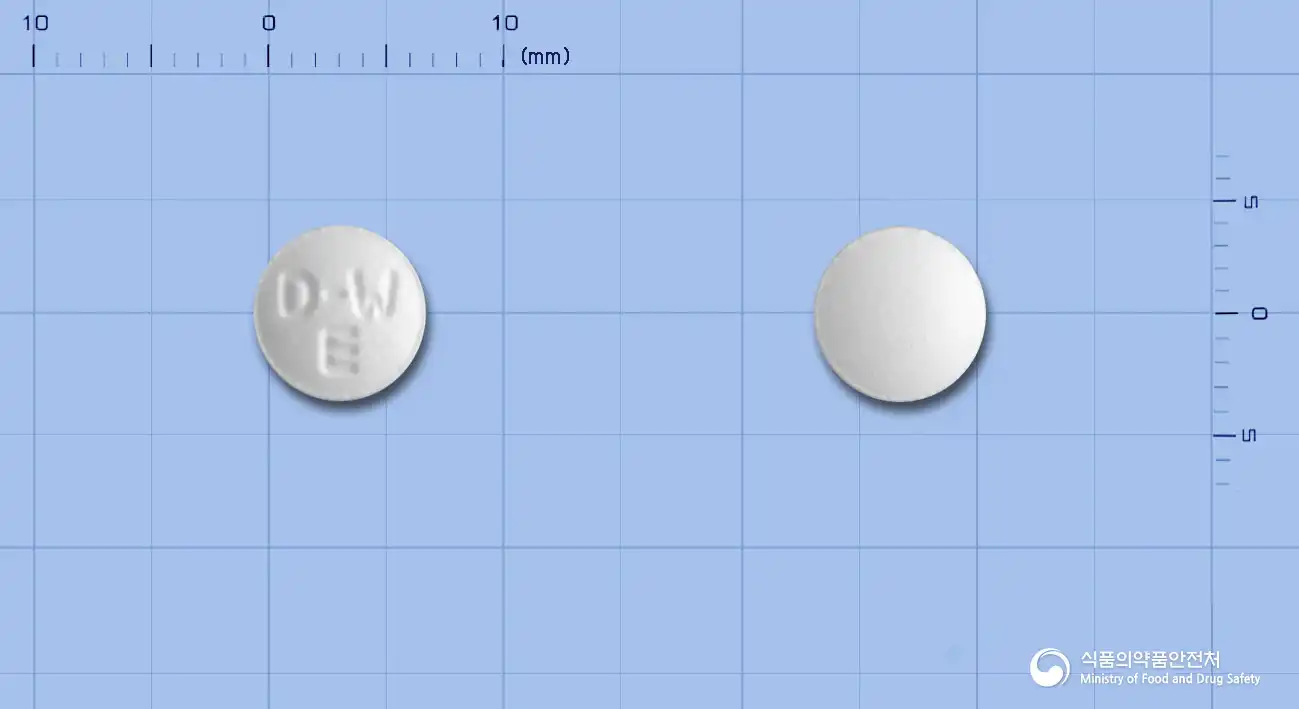
Eperisone Hydrochloride 50mg
Tablet · Prescription medication
Dongwha Pharmaceutical Co., Ltd.
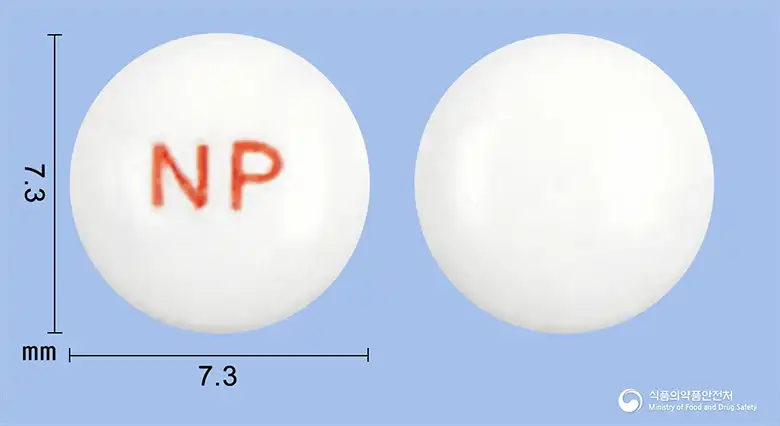
Eperisone Hydrochloride 50mg
Tablet · Prescription medication
Daehan New Pharm Co., Ltd.
Even with the same ingredient, the dose and directions can differ by strength and dosage form. Talk to a doctor or pharmacist before switching from a medication you are already taking.
No questions yet.
For anything that needs medical judgment, consult a doctor or pharmacist.
This drug information is based on data provided by the Korea Ministry of Food and Drug Safety.
Consult a doctor or pharmacist for accurate dosage, administration, and usage instructions.