
 한국어
한국어 English
 日本語
日本語 中文(简体)
 Viewing now
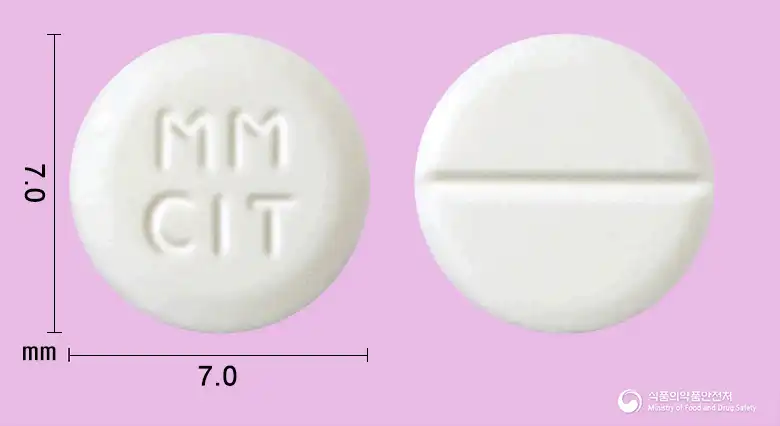
Myungmun Codeine Tablet
Codeine Phosphate Hydrate 20mg
Tablet · Prescription medication
Myungmoon Pharmaceutical Co., Ltd.
MFDS item code 199403297 · Approved 1994.09.22 · Insurance code 649801470
Relief of cough and inflammatory pain associated with respiratory diseases (bronchitis, pneumonia, etc.)
This medication is used in adults aged 19 and over to suppress cough associated with various respiratory diseases such as bronchitis, pneumonia, pharyngitis, laryngitis, and bronchial asthma. It is also effective in relieving general pain. For children aged 13 to 18, it is used to relieve moderate acute inflammatory pain that is not alleviated by acetaminophen or ibuprofen. Thus, this drug helps to alleviate respiratory cough or improve acute pain depending on the age group.
As Codeine Phosphate Hemihydrate, the dosage is 20 mg taken orally three times a day. This dosage may be administered up to four times a day at least every 6 hours. The maximum daily dosage must not exceed 240 mg. Dosage adjustments should be made according to symptoms.
As Codeine Phosphate Hemihydrate, the recommended daily dosage is 30 to 60 mg, divided and administered at 6-hour intervals. The recommended daily dosage is based on weight (0.5 to 1 mg/kg). The maximum daily dosage should not exceed 240 mg.
This drug is metabolized in the liver and converted to morphine, so the metabolism rate can vary among patients; therefore, some patients may experience symptoms such as slowed breathing, confusion, insomnia, constricted pupils, constipation, and loss of appetite due to morphine toxicity. If any of these symptoms occur during treatment, the patient should discontinue the medication immediately and consult a physician. Particularly, it is advisable not to use this medication in patients under 18 who are obese, have obstructive sleep apnea syndrome, or severe pulmonary diseases. Furthermore, when taken with other medications that have central nervous system depressant effects or alcohol, there is a risk of severe sedation, respiratory depression, coma, or even death; hence, caution is required during concomitant use. This medication should not be administered to patients with acute respiratory depression, asthma attacks, severe liver dysfunction, heart failure due to chronic lung disease, seizure conditions, acute alcohol intoxication, hypersensitivity to opioid drugs, patients with hemorrhagic colitis, children under 12 years, breastfeeding mothers, or pregnant women. In patients with heart disease, liver or kidney dysfunction, shock, metabolic acidosis, hypothyroidism, adrenal insufficiency, a history of drug dependence or alcohol use disorder, the elderly, and children aged 13 to 18 with benign prostatic hyperplasia, caution is required, and the patient's condition should be closely monitored. Long-term use may lead to drug dependence, so the dosage should not be suddenly reduced or stopped, but rather gradually decreased as directed by a physician. Patients may experience drowsiness, dizziness, vision disorders, nausea, vomiting, constipation, arrhythmia, blood pressure changes, rash, itching, urinary difficulties, yawning, sneezing, tear flow, sweating, diarrhea, abdominal pain, pupil dilation, headache, anxiety, hallucinations, tremors, widespread muscle and joint pain, palpitations, confusion, and forgetfulness, so if any abnormal symptoms occur, consult medical personnel immediately. Drivers or those operating dangerous machinery should avoid such activities when experiencing drowsiness or dizziness. It is advisable for pregnant or breastfeeding women not to use this medication, and especially for breastfeeding women, as this drug may transfer to breast milk and cause serious side effects in infants. Therefore, breastfeeding should be discontinued. Children under 12 and those aged 18 and under with obstructive sleep apnea or who have undergone tonsillectomy or adenoidectomy should not use this medication. For the elderly, as the risk of respiratory depression is higher, treatment should start with a low dose and be administered cautiously. In case of overdose, respiratory depression, loss of consciousness, hypotension, and cardiac arrest may occur; immediate emergency treatment is required, and if necessary, administration of opioid antagonists and appropriate respiratory support is needed. This medication should be kept out of reach of children, and transferring it to other containers should be avoided, as it may cause accidents or degradation in quality. Finally, as this medication is metabolized by the liver enzyme CYP2D6, the effectiveness and side effects can vary depending on the level of activity of this enzyme. Some patients may metabolize this medication quickly, leading to higher morphine concentrations and increased toxicity risk, so caution is necessary.
Not everyone experiences these, and they can vary from person to person.
This medication should be stored in a tightly closed container to prevent air or moisture from entering, and it is advisable to keep it at room temperature between 1 and 30 degrees Celsius. By storing it this way, the drug's efficacy can be maintained and deterioration prevented.
White round tablet
100 tablets (10 tablets/PTP x 10)
Even with the same ingredient, strength, dosage form and how it is taken can differ.
Viewing nowCodeine Phosphate Hydrate 20mg
Tablet · Prescription medication
Myungmoon Pharmaceutical Co., Ltd.
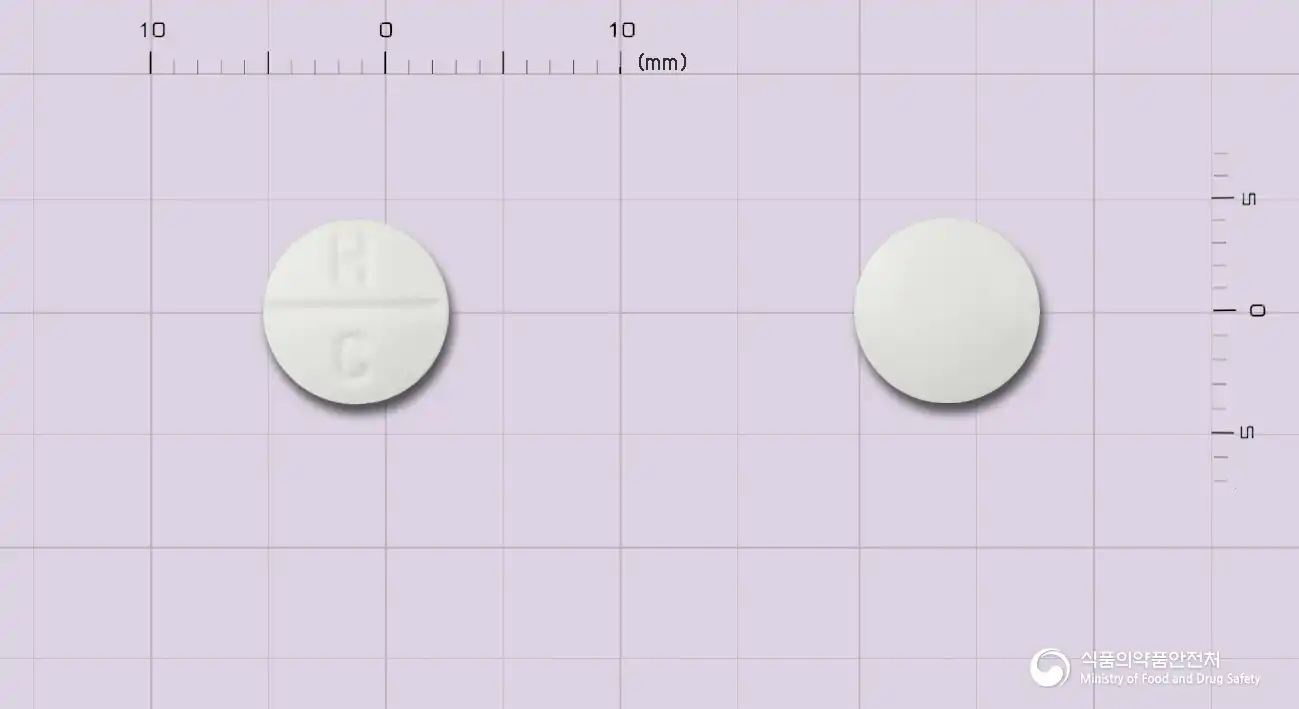
Codeine Phosphate Hydrate 20mg
Tablet · Prescription medication
Hana Pharmaceutical Co., Ltd.
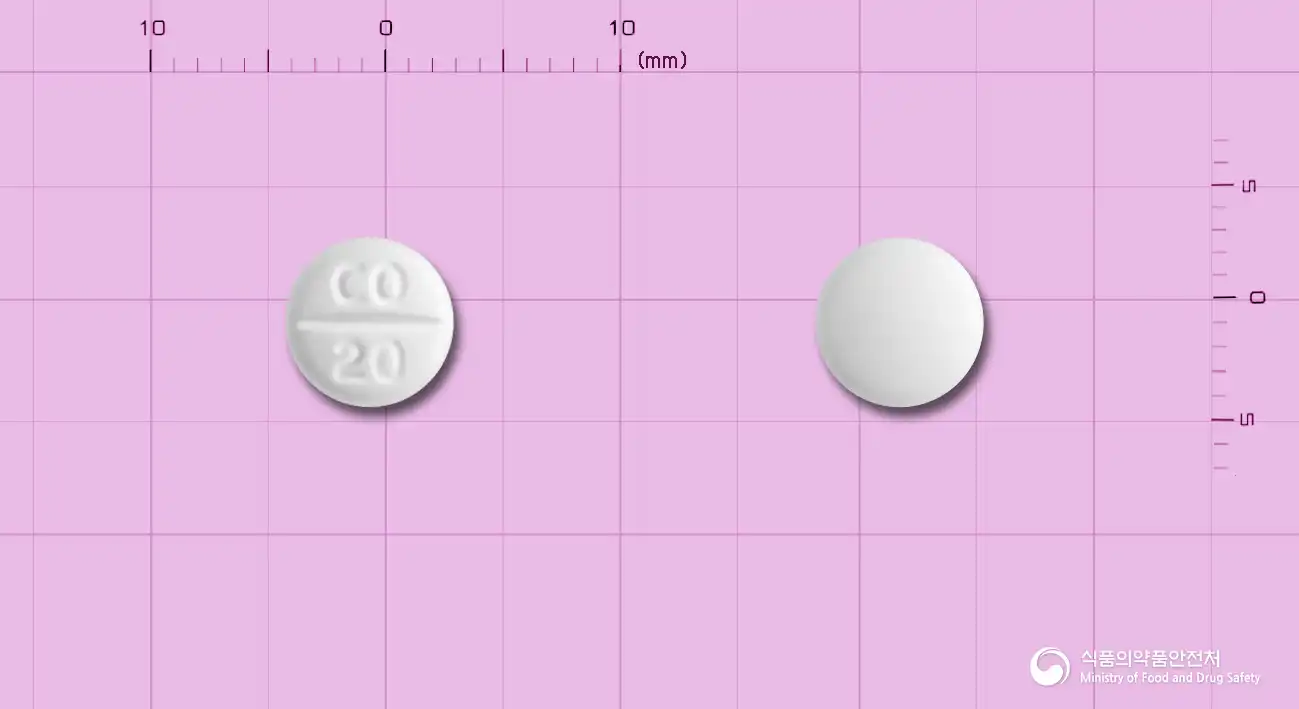
Codeine Phosphate Hydrate 20mg
Tablet · Prescription medication
BC World Pharma Co., Ltd.
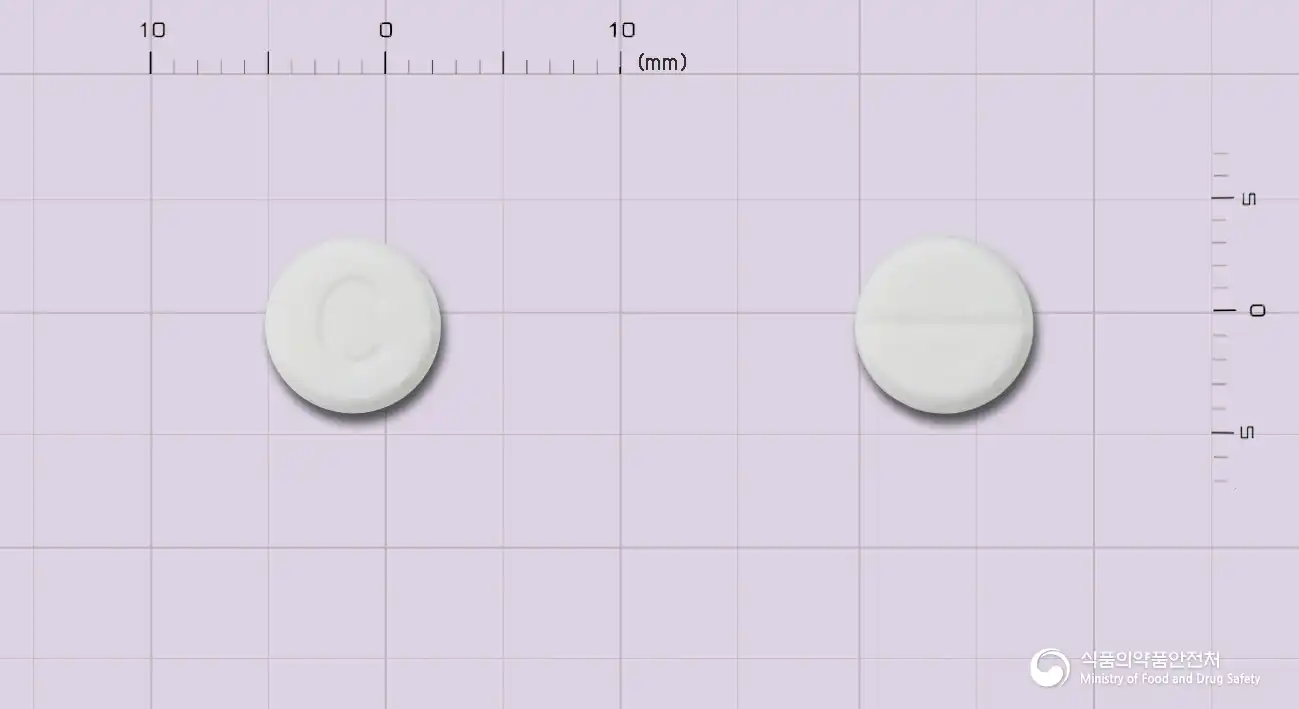
Codeine Phosphate Hydrate 20mg
Tablet · Prescription medication
Guju Pharmaceutical Co., Ltd.

Codeine Phosphate Hydrate 20mg
Tablet · Prescription medication
Sungwon Adcock Pharmaceutical Co., Ltd.
Even with the same ingredient, the dose and directions can differ by strength and dosage form. Talk to a doctor or pharmacist before switching from a medication you are already taking.
No questions yet.
For anything that needs medical judgment, consult a doctor or pharmacist.
This drug information is based on data provided by the Korea Ministry of Food and Drug Safety.
Consult a doctor or pharmacist for accurate dosage, administration, and usage instructions.