
 한국어
한국어 English
 日本語
日本語 中文(简体)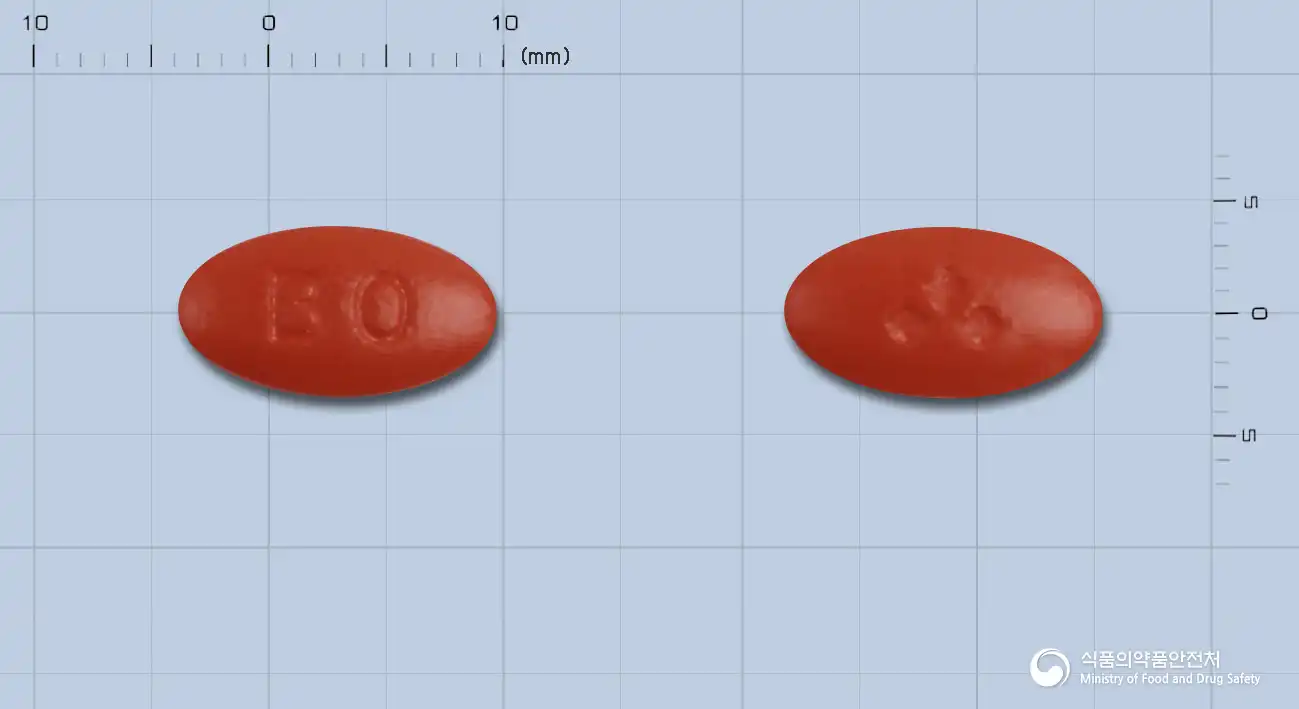
Summary
- Main use
- Relief of physical fatigue, neuralgia, and improvement of decreased physical strength
- Who takes it
- Adults
- Adult dose
- Adults should take 1 tablet twice a day.
Ingredients
- Tocopherol Acetate Powder 50%40mg / 1 tablet
- Hydroxocobalamin Acetate5.22μg / 1 tablet
- Riboflavin Butyrate2.5mg / 1 tablet
- Pyridoxal Phosphate Hydrate2.5mg / 1 tablet
- Fursultiamine50mg / 1 tablet
- Ascorbic Acid D.C72.2mg / 1 tablet
- Manufacturer
- 명인제약(주)
Efficacy & effects
Relief of physical fatigue, neuralgia, and improvement of decreased physical strength
- Physical fatigue
- loss of strength
- neuralgia
- myalgia
- arthralgia
- beriberi
- eye fatigue
View approved original textHide original text
The vitamins E, B1, B2, B6, and C contained in this medication are particularly helpful when experiencing physical fatigue, during pregnancy and breastfeeding, during illnesses or post-recovery when physical strength is low, and in old age. Additionally, it is effective in relieving pain from neuralgia, myalgia, and arthralgia, and is also used to alleviate symptoms of beriberi and eye fatigue. This medication helps alleviate these symptoms and promote health.
How to take
Adult dose
Adults should take 1 tablet twice a day.
Precautions
This medication should not be taken by patients who have had allergic reactions to this medication or any of its components. Moreover, infants under 3 months old should not take this medication. Do not take this medication while also taking levodopa. Patients receiving treatment from a physician or those with renal issues such as hyperuricemia, pregnant or potentially pregnant women, breastfeeding mothers, premature infants, and children should consult with a doctor or pharmacist before taking this medication. Patients with gout or kidney stones should also consult a professional before taking this medication. This medication contains the dye Yellow No. 5, so those allergic to this ingredient should take caution. If any symptoms such as abdominal discomfort, diarrhea, constipation, rash, nausea, vomiting, oral inflammation, loss of appetite, or abdominal bloating occur during the course of taking this medication, you should stop taking it immediately and consult a professional. Also, if menstruation occurs sooner than usual or bleeding persists for a long time, discontinue use and consult a doctor. Patients taking oral contraceptives containing estrogen or at risk for thrombosis should be cautious as vitamin E may increase the risk of thrombosis. Caution is needed as prolonged high-dose use may lead to tolerance, and long-term high-dose pyridoxine can lead to neurological disorders. In addition, folic acid deficiency patients may experience hematological abnormalities when taking vitamin B12 above a certain dose. If an overdose occurs or if there is no improvement after taking it for over a month, consult a professional immediately. This medication must be taken according to the prescribed dosage and frequency, and it may affect blood glucose measurement during urine testing and can turn urine yellow, so care must be taken when interpreting test results. Store this medication in an airtight container away from children's reach, avoiding direct sunlight and keeping it in a cool, dry place. Additionally, it's best not to transfer it to another container to maintain quality.
Side effects and when to seek care immediately
Mild side effects
- Abdominal discomfort, diarrhea, constipation, rash, erythema, nausea, vomiting, loose stools, stomatitis (oral inflammation), loss of appetite, abdominal bloating
- Menstruation may start earlier or become heavier, and bleeding may persist for longer
- Sensory neuropathy or neurological symptoms (functional impairment or pathological changes in the peripheral nervous system)
- Hematological reactions
- Interference with blood glucose detection in urine tests
- Turning urine yellow
Not everyone experiences these, and they can vary from person to person.
Interactions
Drug interactions
This medication should not be taken together with levodopa or oral contraceptives containing estrogen.
Storage
This medication must be stored in a tightly sealed container to protect it from air and moisture exposure. Additionally, it is best to store the medication at room temperature, avoiding extremes of heat or cold.
Appearance and packaging
Appearance
Red oval film-coated tablet (For export: reddish-brown oval film-coated tablet)
Package unit
Domestic - 100 tablets/box[(10 tablets/PTP×10)], Domestic - 500 tablets/bottle, Domestic - 30 tablets/bottle[(hospital use)], Domestic - 100 tablets/bottle[(hospital use)], Export - 30 tablets/box[(10 tablets/PTP×3)], Export - 50 tablets/box[(5 tablets/PTP×10)], Export - 100 tablets/box[(5 tablets/PTP×20)], Export - 100 tablets/box[(10 tablets/PTP×10)]
Questions about this medicine
No questions yet.
For anything that needs medical judgment, consult a doctor or pharmacist.