
 한국어
 English
 日本語
 中文(简体)
 Viewing now
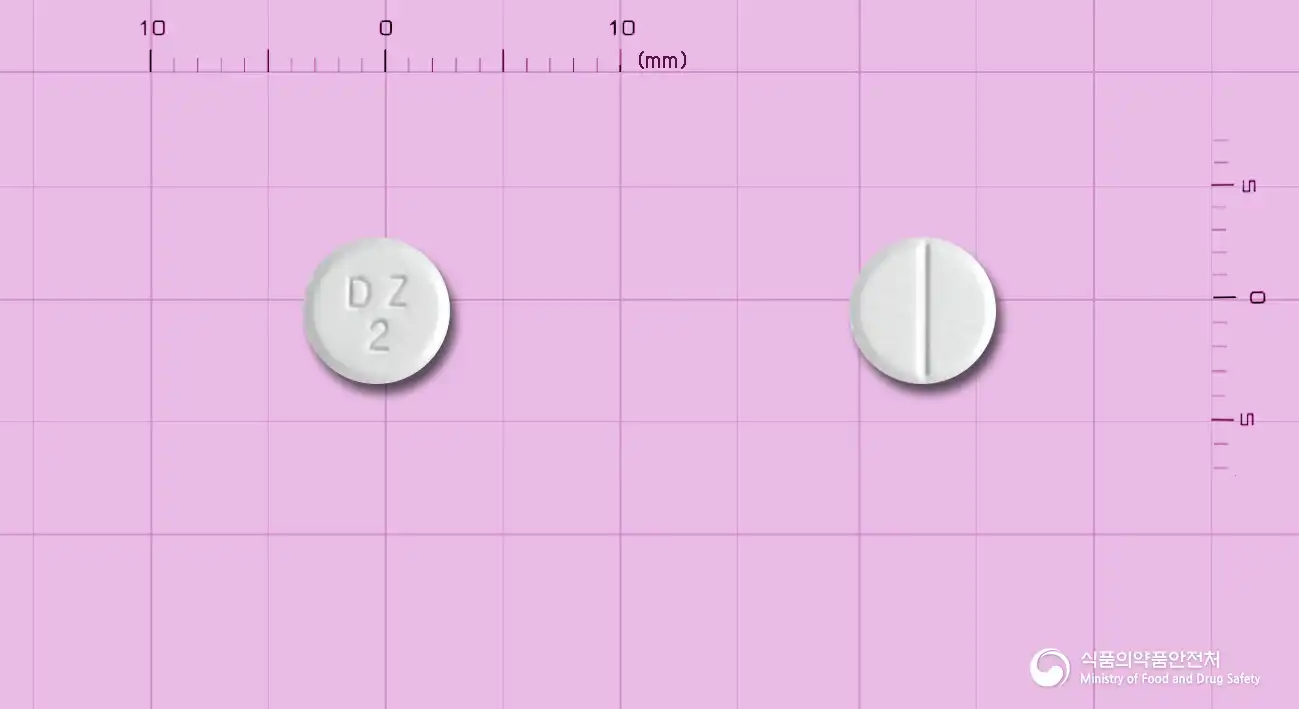
Myungin Diazepam Tablet 2mg
Diazepam 2mg
Tablet · Prescription medication
Myungin Pharmaceutical Co., Ltd.
MFDS item code 198501811 · Approved 1985.09.10 · Insurance code 651900530
Relief of neurological symptoms (e.g., anxiety and withdrawal); preanesthetic medication; adjunctive treatment of muscle spasms and absence seizures
This medication helps alleviate anxiety and tension caused by neurosis, as well as improves symptoms of anxiety, tension, and depression experienced in psychosomatic disorders. It is also used to stabilize and prepare patients prior to anesthesia, and is effective in alleviating alcohol withdrawal symptoms. Additionally, it is used as an adjunct in the treatment of skeletal muscle spasms and absence seizures (petit mal). Overall, this medication is utilized to improve various symptoms related to neurological and mental health issues.
1. Administer 2-10㎎ of diazepam orally per dose, 2-4 times daily; for skeletal muscle spasms, administer 3-4 times daily. 2. Preanesthetic medication: Administer 5-10㎎ of this medicine orally at bedtime or before surgery. 3. Alcohol withdrawal symptoms: Administer an initial dose of 10㎎ 3-4 times, then reduce the dose to 5㎎ per dose and administer 3-4 times daily as needed. 4. Elderly and debilitated patients: Administer an initial dose of 2-2.5㎎ 1-2 times daily and gradually increase as needed. The lowest possible dose should be administered to elderly patients. 5. Patients with hepatic impairment: This medicine should not be administered to patients with severe hepatic impairment. The lowest possible dose should be administered to patients with mild or moderate hepatic impairment.
Children: Administer an initial dose of 1-2.5㎎ of this medicine 3-4 times daily. Children: The dosage range is 0.1-0.3㎎/kg of body weight daily, administered orally in 3-4 divided doses. Do not administer to infants 6 months of age or younger.
This medication should not be taken with alcohol or other central nervous system depressants, as it may intensify sedation and suppress respiratory or cardiac function, leading to the risk of coma or death. Caution is also warranted if taken with narcotic drugs, as severe sedation, respiratory depression, and coma may occur. Particular care should be exercised in patients with acute glaucoma, severe myasthenia gravis, severe respiratory failure, infants under 6 months, sleep apnea syndrome, patients with alcohol or drug dependence, and patients with severe liver impairment, as this medication should not be used in these cases. Patients with heart disease, reduced liver or kidney function, brain injury, infants, the elderly, and patients with depression should use this medication with increased caution. Long-term use of this medication may lead to dependence, and sudden discontinuation can trigger withdrawal symptoms and rebound anxiety, necessitating gradual dosage reduction. In patients with schizophrenia or mental disorders, symptoms may worsen, so changes in condition should be closely monitored. Various side effects such as drowsiness, dizziness, memory impairment, visual disturbances, blood abnormalities, liver dysfunction, blood pressure decrease, gastrointestinal disturbances, constipation, thirst, changes in saliva secretion, rash, lethargy, weakness, jaundice, changes in libido, urinary retention, EEG changes, fatigue, and somnolence may occur, and if any unusual symptoms arise, immediate consultation with a physician is recommended. During the use of this medication, it is advisable to avoid dangerous activities such as driving or operating machinery, and especially not to take it with alcohol or other sedatives. Women who are pregnant or may become pregnant should not take this medication, and nursing mothers should also avoid it. The elderly are at higher risk of side effects due to stronger effects of the medication, thus starting with a lower dose and careful monitoring is recommended. As there are many drug interactions, if taking any other medications, always inform healthcare providers, especially when taking drugs affecting liver function or acting on the central nervous system. In the case of overdose, severe sedation, respiratory depression, and coma may occur, requiring immediate hospitalization for treatment, potentially including the use of an antidote and monitoring.
Not everyone experiences these, and they can vary from person to person.
Store this medication in a tightly closed container to prevent air and moisture from entering. It is recommended to maintain storage temperatures between 1 and 30 degrees Celsius room temperature to preserve the medication's effectiveness.
White round tablet
1000 tablets per bottle
Even with the same ingredient, strength, dosage form and how it is taken can differ.
Viewing nowDiazepam 2mg
Tablet · Prescription medication
Myungin Pharmaceutical Co., Ltd.
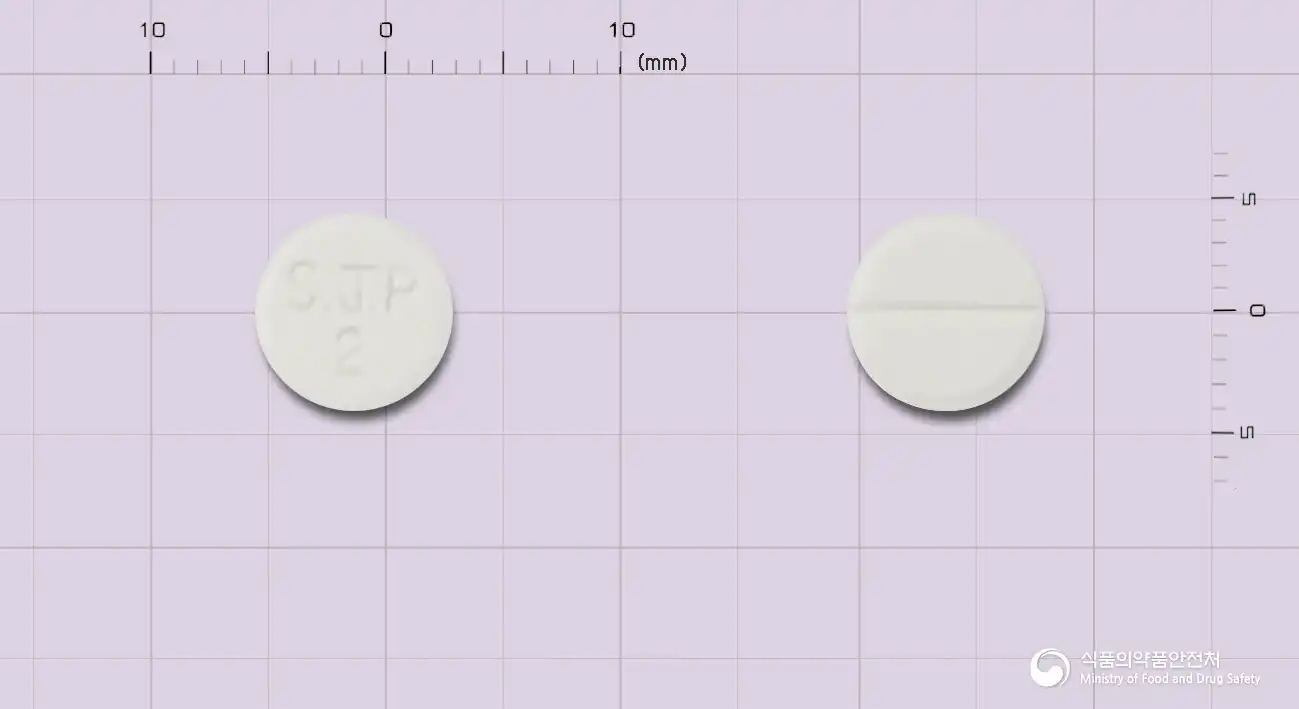
Diazepam 2mg
Tablet · Prescription medication
Samjin Pharmaceutical Co., Ltd.
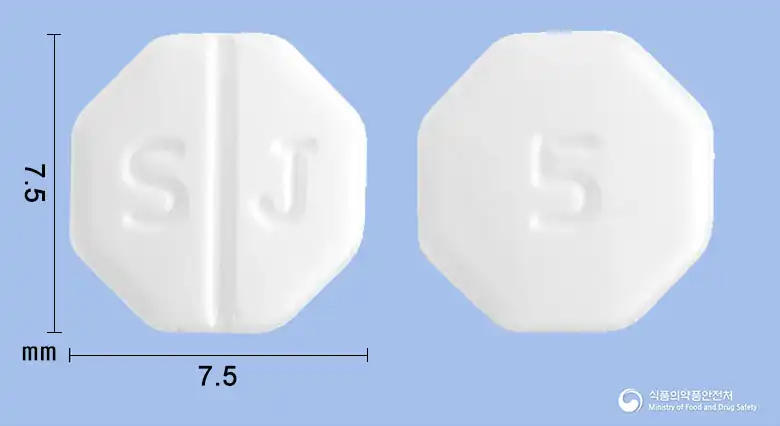
Diazepam 5mg
Tablet · Prescription medication
Samjin Pharmaceutical Co., Ltd.
Diazepam 5mg
Injections · Prescription medication
Dongwha Pharmaceutical Co., Ltd.
Diazepam 5mg
Injections · Prescription medication
Samjin Pharmaceutical Co., Ltd.
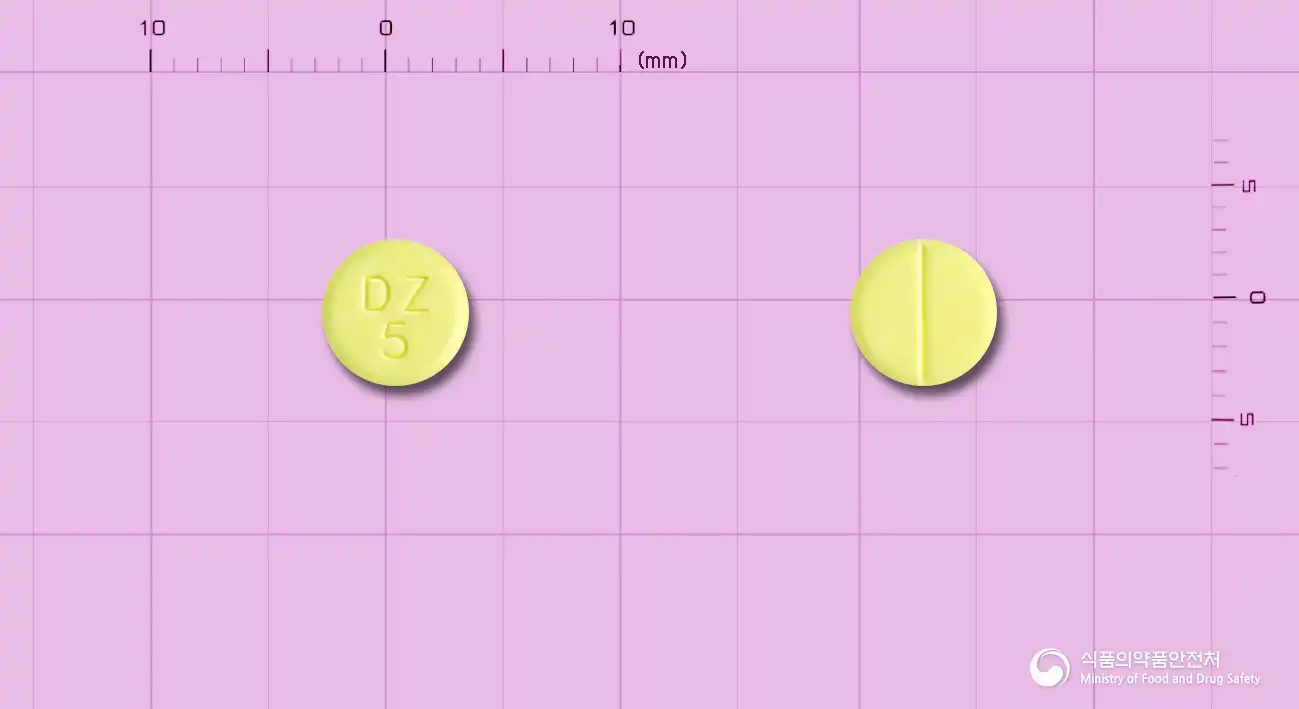
Diazepam 5mg
Tablet · Prescription medication
Myungin Pharmaceutical Co., Ltd.
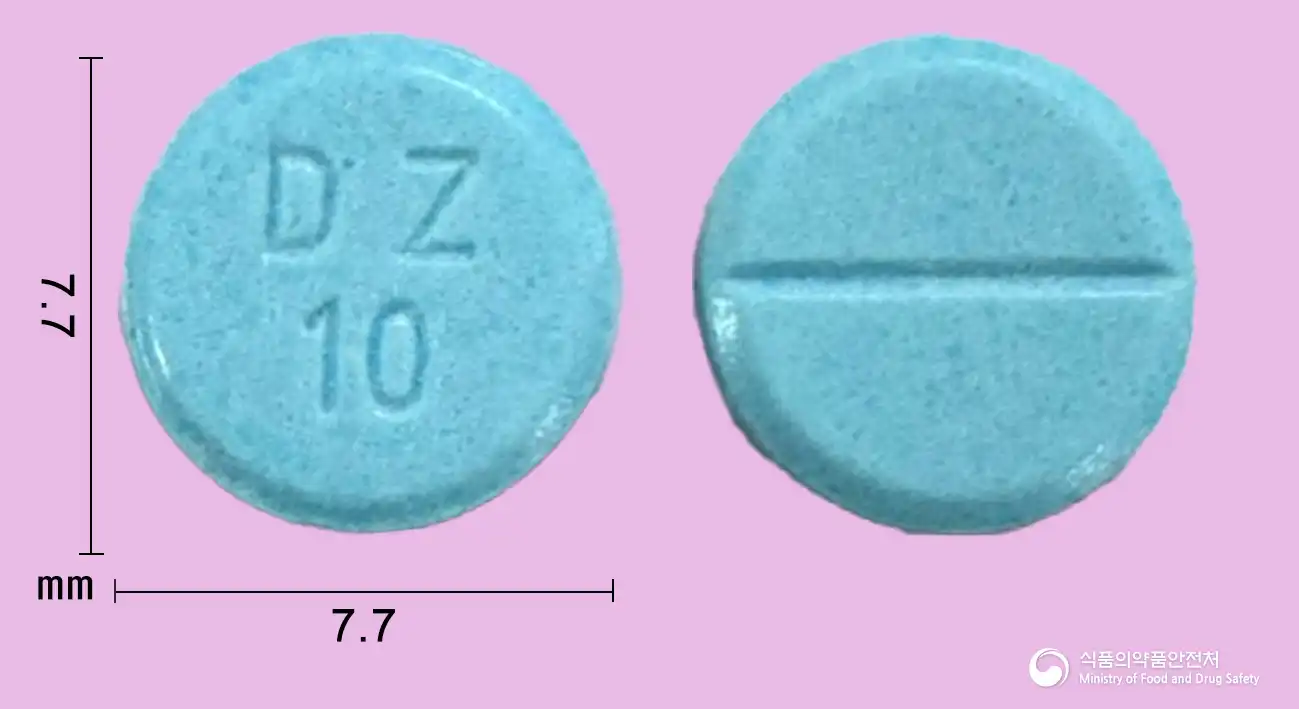
Diazepam 10mg
Tablet · Prescription medication
Myeongin Pharmaceutical Co., Ltd.
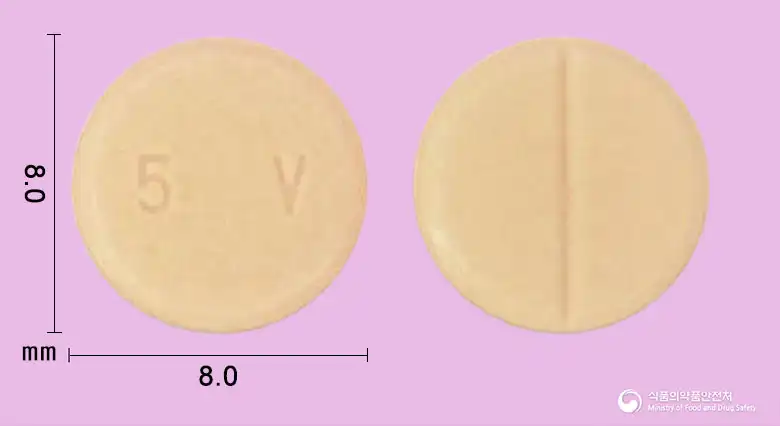
Diazepam 5mg
Tablet · Prescription medication
GP Therapeutics Korea Co., Ltd.
Even with the same ingredient, the dose and directions can differ by strength and dosage form. Talk to a doctor or pharmacist before switching from a medication you are already taking.
No questions yet.
For anything that needs medical judgment, consult a doctor or pharmacist.
This drug information is based on data provided by the Korea Ministry of Food and Drug Safety.
Consult a doctor or pharmacist for accurate dosage, administration, and usage instructions.