
 한국어
 English
 日本語
 中文(简体)
 Viewing now
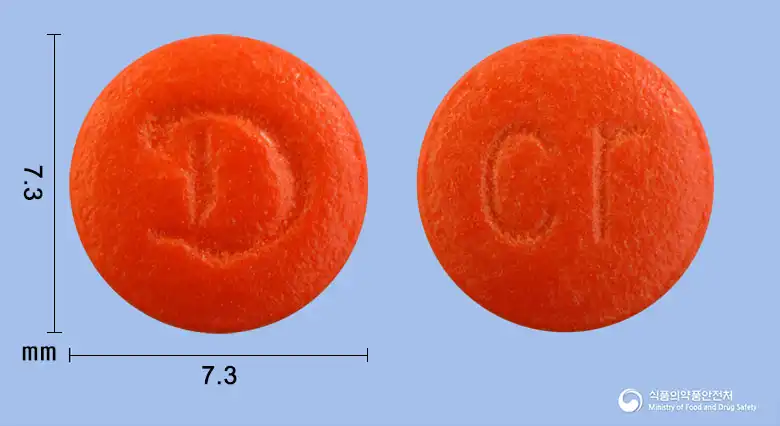
Difenac Tablet (Diclofenac Sodium)
Diclofenac Sodium 25mg
Tablet · Prescription medication
Dongkwang Pharmaceutical Co., Ltd.
MFDS item code 198000058 · Notified 1980.03.29 · Insurance code 645901100
Relieves joint and rheumatic diseases, inflammation and pain (such as lower back pain and toothache), and dysmenorrhea
This medication is primarily used to treat rheumatoid arthritis, osteoarthritis (degenerative joint disease), and ankylosing spondylitis. It is also effective for various pain and inflammatory diseases, including inflammation and pain following surgery or trauma, acute gout, non-articular rheumatism, low back pain, dental pain, dysmenorrhea, inflammation and pain in the ENT area, and periarthritis of the shoulder. The injectable form is also used for renal and hepatic colic, while oral and sustained release formulations are mainly used for diseases related to arthritis. Therefore, this medication aids in alleviating symptoms of various musculoskeletal disorders and inflammatory pain.
Adults: The initial dose of diclofenac sodium is 100mg per day. When symptoms are alleviated or for long-term administration, administer 75-100mg per day orally in 2-3 divided doses. Adjust the dose as appropriate according to age, disease, and symptoms. To minimize the cardiovascular adverse reactions of this drug, use the lowest effective dose for the shortest duration possible.
Children: Administer orally 0.5-3mg per kg of body weight per day in 2-3 divided doses.
People who regularly consume more than three glasses of alcohol daily should consult a doctor or pharmacist before taking this medication. This medication may cause gastrointestinal bleeding and could be dangerous for people who consume excessive amounts of alcohol. Nonsteroidal anti-inflammatory drugs (NSAIDs), including this medication, can increase the risk of cardiovascular diseases. Serious cardiovascular issues like myocardial infarction or stroke may occur, so individuals with cardiovascular diseases or risk factors should exercise caution. This medication can cause serious problems such as gastrointestinal bleeding, ulcers, or perforations. Elderly individuals or those with a history of gastrointestinal diseases are at greater risk and should closely monitor for gastrointestinal symptoms during treatment. This medication can cause allergic reactions, which in severe cases may progress to life-threatening reactions such as anaphylaxis. Individuals with a history of allergic reactions to this medication or similar drugs should avoid taking it. This medication can mask the symptoms of infection, so caution should be exercised when using it in the presence of infection, and antibiotics should be combined if necessary. Patients with peptic ulcers, severe blood disorders, significantly impaired liver or kidney function, severe hypertension, or heart failure should not take this medication, as it may worsen their condition. Individuals with a history of peptic ulcers, blood disorders, liver or kidney dysfunction, hypertension, heart failure, autoimmune diseases, asthma, ulcerative colitis, Crohn's disease, or similar conditions should use this medication cautiously and consult a doctor immediately if any abnormal symptoms occur during treatment. This medication may have various side effects, and in rare cases, it can cause severe allergic reactions, gastrointestinal bleeding, liver or kidney dysfunction, skin rashes, neurological disturbances, and cardiovascular problems. Therefore, if any abnormal symptoms occur, stop taking it immediately and consult healthcare professionals. This medication should be used at the minimum effective dose and for the shortest duration possible, and short-term use is recommended for antipyretic purposes only. The risk of side effects may be increased if taken in combination with other NSAIDs, so they should not be used concurrently. This medication should not be taken during pregnancy, especially in the late stages, and caution is needed in the second trimester as it may affect fetal kidney function. If breastfeeding, this medication may be transferred to breast milk and cause adverse reactions in the baby, so breastfeeding should be stopped or the medication discontinued. Children and the elderly may be more sensitive to the side effects of this medication, so special care is needed during administration. When taking this medication, it should be taken before meals with ample water, and it is advisable to swallow without chewing. In case of overdose, seek immediate medical attention for appropriate treatment.
Shock symptoms (chest discomfort, coldness, difficulty breathing, limb paralysis, low blood pressure, edema, rash, itching), bleeding, perforated peptic ulcer, gastrointestinal bleeding (hematemesis, melena, bleeding, diarrhea), esophageal ulcer, loss of appetite, nausea, vomiting, stomach pain, dyspepsia, black stools, aphthous stomatitis, dry mouth, mucosal dryness, blood-stained diarrhea, changes in appetite, pancreatitis, colitis, diarrhea, abdominal cramping, abdominal bloating, discomfort in the stomach area, aphthous gastritis, glossitis, esophageal lesions, diaphragmatic small bowel stricture, stomatitis, angular cheilitis, thirst, constipation, strictures with ulcers in the small and large intestine, lower gastrointestinal disorders (nonspecific bloody colitis, worsening of Crohn's disease or ulcerative colitis), neutropenia, decreased hemoglobin, leukopenia, thrombocytopenia, anemia, aplastic anemia, hemolytic anemia, agranulocytosis, bleeding tendency, impaired platelet function, eosinophilia, skin rash, hives, bullous pemphigoid, erythema, purpura, allergic purpura, drug reaction with eosinophilia and systemic symptoms (DRESS syndrome), Stevens-Johnson syndrome, Lyell's syndrome, photosensitivity, flushing, itching, eczema, dermatitis, angioedema, erythema multiforme, flushing, exudative dermatitis, fixed drug eruption, generalized fixed drug eruption, hepatitis, hepatitis with jaundice, jaundice, liver dysfunction, elevated AST, ALT, ALP, triggered hepatitis, acute renal failure (interstitial nephritis, renal papillary necrosis, etc.), oliguria, hematuria, proteinuria, nephrotic syndrome, hyperkalemia, hypoalbuminemia, interstitial nephritis, elevated serum creatinine, elevated BUN, vasculitis, pneumonia, asthma attacks, angioedema, anaphylactic systemic reaction including hypotension, rash, hives, acute encephalopathy, aseptic meningitis, headache, nausea, vomiting, insomnia, stiff neck, fever, altered consciousness, insomnia, depression, agitation, anxiety, diplopia, memory impairment, loss of orientation, nightmares, tremor, psychotic reaction, drowsiness, dizziness, nervous excitement, paralysis, confusion, hallucinations, seizures, blurred vision, tinnitus, hearing impairment, taste disturbances, transient pain, dryness, itching, superficial keratitis, increased blood pressure, decreased blood pressure, palpitations, tachycardia, congestive heart failure, ventricular extrasystoles, myocardial infarction, chest pain, Kounis syndrome, nosebleeds, severe asthma attacks, pharyngeal edema, interstitial pneumonia, oliguria, hematuria, proteinuria, frequent urination, nocturia, erectile dysfunction, vaginal bleeding, papillary necrosis, rhabdomyolysis, edema, hair loss, general malaise, sweating, fever, chest pain
Not everyone experiences these, and they can vary from person to person.
This medication should be stored in a tightly sealed container to prevent air or moisture from entering, and it is best to keep it at room temperature between 1 and 30 degrees Celsius. Proper storage maintains the medication's efficacy and prevents degradation.
Yellow enteric-coated round tablets
1000 tablets (bottle)
Even with the same ingredient, strength, dosage form and how it is taken can differ.
Viewing nowDiclofenac Sodium 25mg
Tablet · Prescription medication
Dongkwang Pharmaceutical Co., Ltd.
Diclofenac Sodium 75mg
Prescription medication
Ajou Pharmaceuticals Co., Ltd.
Diclofenac Sodium 37.5mg
Prescription medication
Hwanin Pharmaceutical Co., Ltd.
Diclofenac Sodium 25mg
Tablet · Prescription medication
GL Pharma Co., Ltd.
Diclofenac Sodium 75mg
Solution · Prescription medication
YuYoung Pharmaceutical Co., Ltd.
Diclofenac Sodium 37.5mg
Prescription medication
Daehwa Pharmaceutical Co., Ltd.
Diclofenac Sodium 37.5mg
Prescription medication
Dongkwang Pharmaceutical Co., Ltd.
Diclofenac Sodium 25mg
Prescription medication
Medica Korea Co., Ltd.
Even with the same ingredient, the dose and directions can differ by strength and dosage form. Talk to a doctor or pharmacist before switching from a medication you are already taking.
No questions yet.
For anything that needs medical judgment, consult a doctor or pharmacist.
This drug information is based on data provided by the Korea Ministry of Food and Drug Safety.
Consult a doctor or pharmacist for accurate dosage, administration, and usage instructions.