
 한국어
한국어 English
 日本語
日本語 中文(简体)
Dosage form image
Viewing nowAsical 0.5 Micrograms (Alfacalcidol)
Alfacalcidol
OTC medication
Medix Pharmaceutical Co., Ltd.
MFDS item code 202601238
Vitamin D metabolic disorders (hypocalcemia, bone pain, etc.) and improvement of osteoporosis
This medication improves symptoms of hypocalcemia, muscle spasms (tetany), bone pain, and bone lesions caused by vitamin D metabolic disorders such as chronic renal failure, hypoparathyroidism, vitamin D resistant rickets, and osteomalacia. It is also used for the treatment of osteoporosis to enhance bone strength and health. If patients are suffering from such conditions, this medication will greatly assist in normalizing bone and calcium metabolism to alleviate symptoms.
Chronic renal failure/Osteoporosis: Alfacalcidol administered orally at a dose of 0.5 to 1 μg once daily. Hypoparathyroidism and other disorders due to vitamin D metabolic abnormalities: This medication is administered orally at a dose of 1 to 4 μg once daily.
Osteoporosis: Alfacalcidol administered orally at a dose of 0.01 to 0.03 μg per kg of body weight once daily. Other diseases: This medication is administered orally at a dose of 0.05 to 0.1 μg per kg of body weight once daily.
This medication should not be taken by individuals with abnormally high levels of calcium, phosphorus, and magnesium in the blood. It can be particularly dangerous for patients with hypercalcemia, hyperphosphatemia, hypermagnesemia, or those with high blood pH (alkalosis). Additionally, those with symptoms of vitamin D overdose or hypersensitivity to this medication should avoid taking it. This medication contains lactose, so individuals with genetic issues like lactose intolerance or galactose intolerance should not take it. While taking this medication, it is important not to use medications containing magnesium, vitamin D and its derivatives, calcium-containing preparations, or certain diuretics together. Co-administration with these medications may dangerously elevate blood calcium levels. Pregnant women should avoid this medication as its safety during lactation has not been sufficiently established; if unavoidable, breastfeeding should be discontinued. Women who are pregnant or may become pregnant should discuss with their doctor before taking it, as it may be harmful to the fetus. Children and the elderly should carefully adjust their dosage, and patients taking specific medications should consult with a healthcare professional due to potential interactions with this medication. If symptoms such as nausea, vomiting, loss of appetite, headache, insomnia, palpitations, renal function impairment, or skin rash occur while taking this medication, it should be discontinued immediately, and a healthcare professional should be consulted. Regular monitoring of serum calcium levels is necessary to prevent hypercalcemia due to overdose, and dietary intake of calcium and phosphorus should be adequately regulated. In case of overdose, medication intake should be stopped immediately, and appropriate treatment should be sought. In severe cases, professional medical treatment at a hospital may be necessary. This medication should be stored out of reach of children, away from direct sunlight, and in a cool, dry place. For quality maintenance, it is advisable not to transfer it to another container.
Severe swelling (edema), chest tightness, difficulty breathing, pallor, severe rash with high fever, blisters, skin shedding, pain in mucous membranes of mouth/eyes, shortness of breath or difficulty breathing, asthma attack, respiratory issues accompanied by cough and fever, yellowing of skin or eyes (jaundice), extreme lethargy, sudden and severe headache, thunderclap headache, seizures, confusion in consciousness, vision abnormalities, paralysis, significantly reduced urine output,
Not everyone experiences these, and they can vary from person to person.
This medication must be stored in a tightly sealed container to prevent exposure to air or moisture. It is important to maintain a storage temperature between 1 to 30 degrees Celsius (room temperature).
White round tablet
30 tablets/bottle, 300 tablets/bottle, 120 tablets/bottle
Even with the same ingredient, strength, dosage form and how it is taken can differ.
Alfacalcidol
OTC medication
Medix Pharmaceutical Co., Ltd.
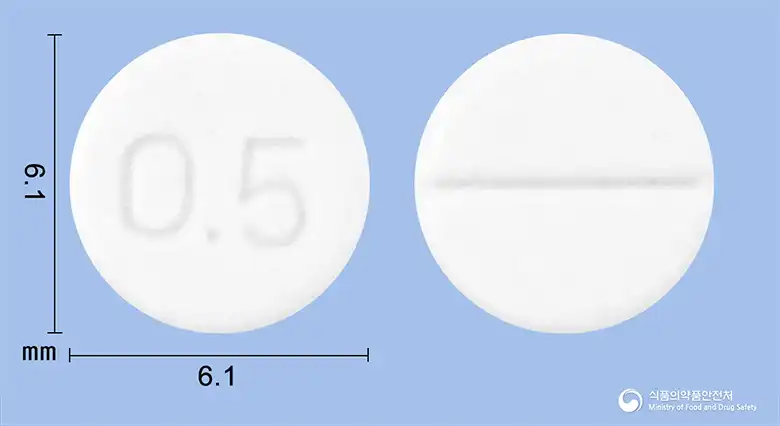
Alfacalcidol 0.5μg
Tablet · OTC medication
Il Sung I.S. Corporation
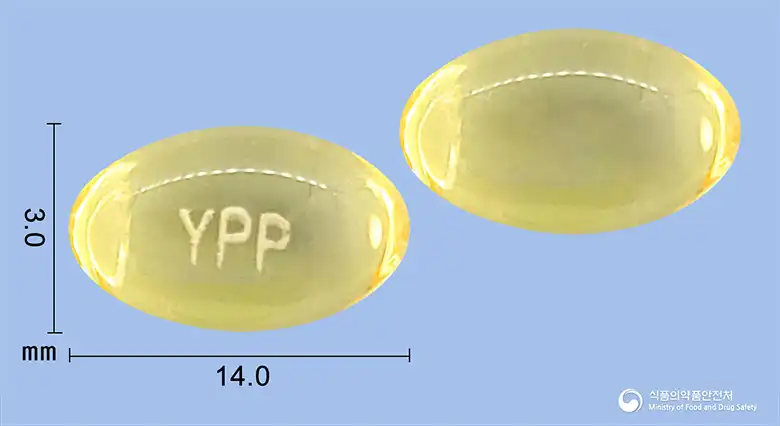
Alfacalcidol 0.5μg
Soft capsule · OTC medication
Youngpoong Pharmaceutical Co., Ltd.
Alfacalcidol 0.5μg
Soft capsule · OTC medication
Anguk Pharmaceutical Co., Ltd.
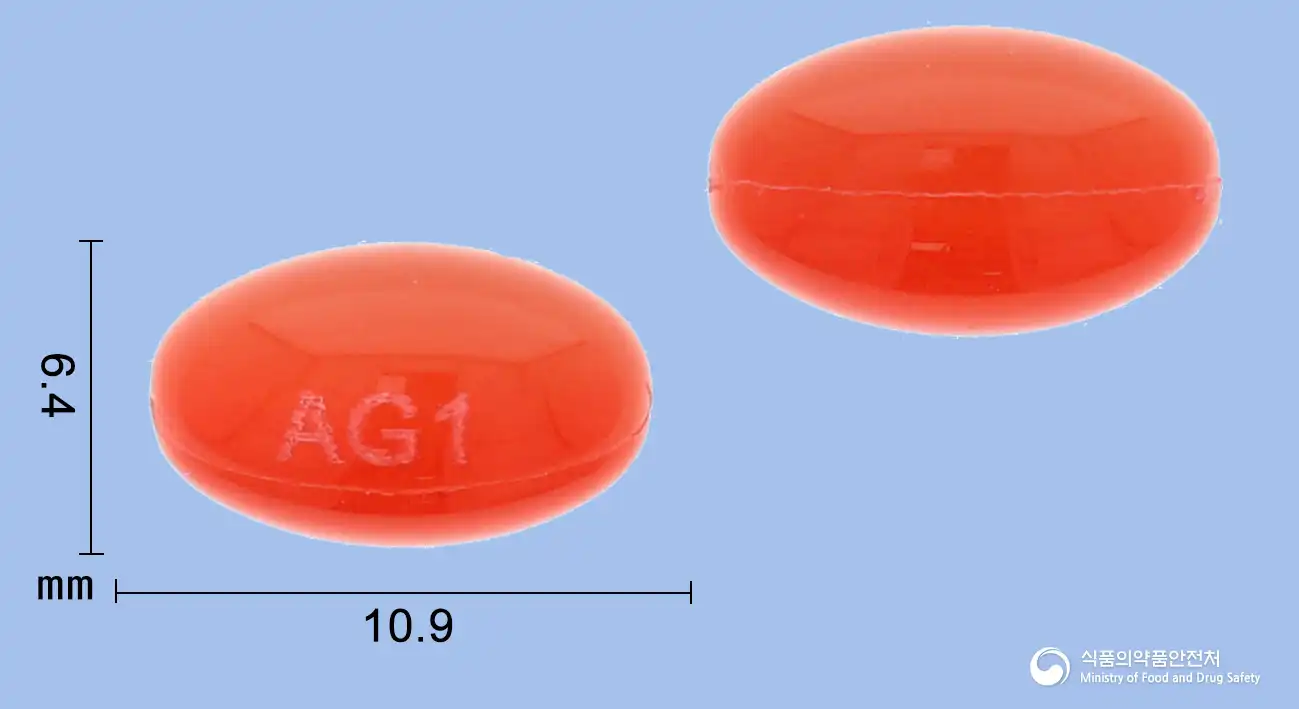
Alfacalcidol 1μg
Soft capsule · OTC medication
Ahn-Gook Pharmaceutical Co., Ltd.
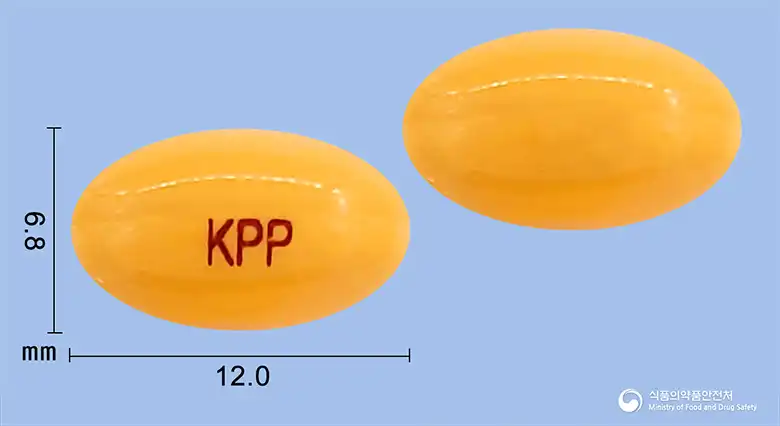
Alfacalcidol 1μg
Soft capsule · OTC medication
Korea Prime Pharmaceutical Co., Ltd.
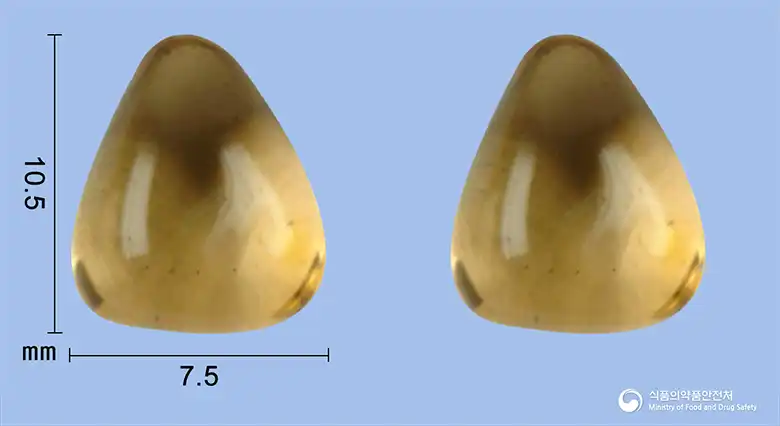
Alfacalcidol 0.5μg
Soft capsule · OTC medication
Shinil Pharmaceutical Co., Ltd.
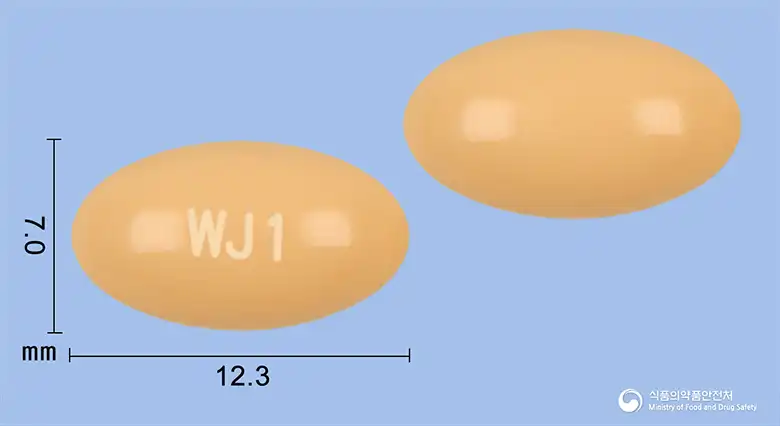
Alfacalcidol 0.5μg
Soft capsule · OTC medication
Austin Pharmaceutical Co., Ltd.
Even with the same ingredient, the dose and directions can differ by strength and dosage form. Talk to a doctor or pharmacist before switching from a medication you are already taking.
No questions yet.
For anything that needs medical judgment, consult a doctor or pharmacist.
This drug information is based on data provided by the Korea Ministry of Food and Drug Safety.
Consult a doctor or pharmacist for accurate dosage, administration, and usage instructions.