
 한국어
한국어 English
 日本語
日本語 中文(简体)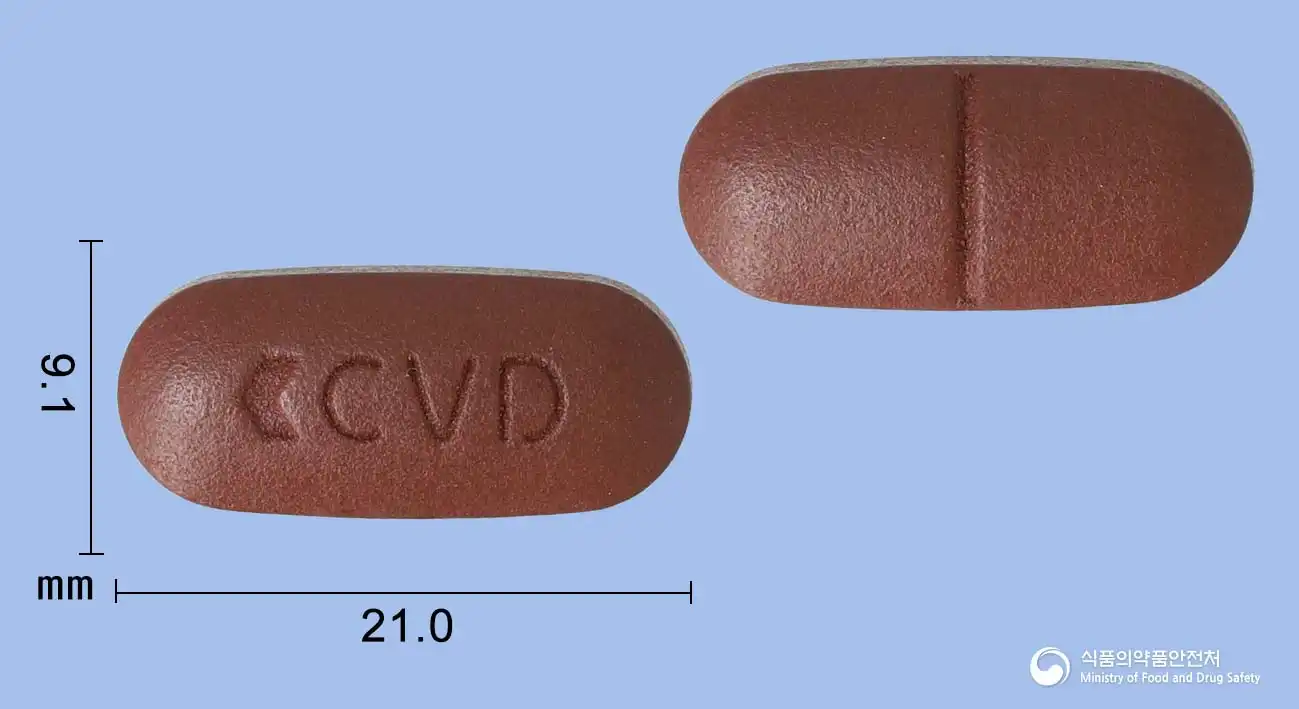
Summary
- Main use
- Bone development and rickets prevention, pain relief for neuralgia and myalgia
- Who uses it
- Adults · Children
- Adult dosage
- Take 1 tablet once daily after meals.
- Children's dosage
- For ages 8 and above, take 1 tablet once daily after meals.
Ingredients
- Ursodeoxycholic Acid
- Nicotinamide
- Benfotiamine
- Riboflavin
- Pyridoxine Hydrochloride
- Ascorbic Acid
- Calcium Pantothenate
- Zinc Oxide
- Cyanocobalamin Powder 0.1%
- Cholecalciferol Concentrate Granules
- D-Biotin
- Folic Acid
- Inositol
- Colinta
- Manufacturer
- (주)바스칸바이오제약
Efficacy & effects
Bone development and rickets prevention, pain relief for neuralgia and myalgia
- Physical fatigue
- decreased physical strength
- poor bone development
- rickets
- beriberi
- eye fatigue
- neuralgia
- myalgia
- arthralgia
- stomatitis
- cheilitis
- glossitis
View approved original textHide original text
The vitamins D, B1, B2, B6, C, and zinc contained in this medicine can effectively supply various conditions such as physical fatigue, during pregnancy and lactation, weakness during and after illness, growth periods, and old age. Vitamin D helps maintain bone and dental health and prevents rickets. The B vitamins contribute to the prevention of beriberi and relieve eye fatigue, as well as alleviate symptoms of neuralgia, myalgia, and arthralgia. They are also effective for oral inflammations such as stomatitis, cheilitis, glossitis, and for skin conditions like eczema and dermatitis. Zinc provides benefits for overall health recovery by enhancing immunity and aiding in cell regeneration. Therefore, this medicine is used for the improvement of various symptoms and diseases through the supply of various vitamins and zinc.
Dosage and Administration
Adult dosage
Take 1 tablet once daily after meals.
Children's dosage
For ages 8 and above, take 1 tablet once daily after meals.
Precautions
This medicine should not be taken by patients with hypercalcemia, sarcoidosis (a systemic inflammatory disease of unknown cause), or those suffering from kidney disease. Those with allergies to any ingredient in this medicine or those who have had hypersensitivity reactions should also avoid it. Infants under 12 months, patients with kidney stones, and those with severe renal failure should not use this medicine. Additionally, individuals allergic to soybean oil, soybeans, peanuts, or those with lactose intolerance, lactase deficiency, or glucose-galactose malabsorption should refrain from taking this medication. During the use of this medicine, it should not be taken concurrently with drugs such as phosphates, calcium salts, oral tetracycline preparations, antacids, and levodopa. Infants under the age of 1, currently treated patients, children who are exposed to sunlight frequently, patients with hyperoxaluria, pregnant or breastfeeding women, premature infants, and young children must consult a physician or pharmacist before use. Caution is also necessary for those with a history of peptic ulcers, chronic colitis, heart and circulatory system dysfunction, kidney disorders, low protein levels, gout, or kidney stones. If symptoms such as nausea, vomiting, diarrhea, skin rash, abnormal heart rhythm, central nervous system changes, hair loss, abdominal pain, low blood pressure, or pulmonary edema occur during use, immediate discontinuation and consultation with a specialist are required. Long-term high-dose use may lead to tolerance, and excessive intake of certain vitamins may result in neurological or hematological anomalies. Furthermore, high-dosage intake may increase the risk of aggravating peptic ulcers, glucose metabolism disorders, hyperuricemia, and liver damage. This medicine must adhere strictly to the prescribed dosage and administration, and when administered to children, supervision by a guardian is necessary. It should also be noted that this medication can affect urinalysis results and may change urine color to yellow. It is advisable to avoid tannin-containing beverages such as green tea or black tea before and after taking this medication. Patients at risk of fat overload should monitor their plasma lipid levels and adjust the dosage if necessary. This medicine should be stored out of reach of children, protected from direct sunlight, and kept in a cool, dry place in a sealed container. It is important not to transfer it to another container to maintain quality.
Side effects and when to seek care immediately
Serious side effects
- Cardiac arrest (cardiac arrest)
- central nervous system dysfunction
- pulmonary edema
Mild side effects
- Nausea
- vomiting
- diarrhea
- loose stools
- red spots
- dermatitis
- bad odor during sweating or breathing
- hair loss
- agitation
- gastrointestinal disorders
Show 16 moreCollapse
- digestive issues
- upper abdominal pain
- low blood pressure
- pulmonary edema
- potential for tolerance development
- sensory neuropathy
- neurological symptoms
- hematological adverse reactions
- promotion of peptic ulcers
- glucose regulation impairment
- hyperuricemia
- liver damage
- hypernatremia
- congestive heart failure
- edema
- hyperkalemia
Not everyone experiences these, and they can vary from person to person.
Storage
This medicine must be stored in a tightly sealed container to avoid exposure to air or moisture. It is important to maintain a storage temperature between 1 degree and 30 degrees Celsius at room temperature.
Appearance and packaging
Appearance
Brown rectangular film-coated tablet
Package unit
60 tablets/PPT[(10 tablets/PPT×6)]
Questions about this medicine
No questions yet.
For anything that needs medical judgment, consult a doctor or pharmacist.