
 한국어
한국어 English
 日本語
日本語 中文(简体)
Dosage form image
Viewing nowMedioc Tablet (Ursodeoxycholic Acid)
Ursodeoxycholic Acid
OTC medication
Medix Pharmaceutical Co., Ltd.
MFDS item code 202601003
Adjunct treatment for bile secretion deficiency and biliary tract diseases, improvement of liver function in chronic liver diseases, relief of dyspepsia.
This medication is used to treat liver diseases or biliary tract diseases caused by bile secretion deficiency as an adjunct. It is also helpful for improving liver function in chronic liver diseases. Additionally, it is used to relieve dyspeptic symptoms resulting from small bowel resection or inflammatory bowel disease. Overall, it is effective in improving liver health and digestive function.
As Ursodeoxycholic Acid, take 50-100 mg three times a day.
This medication should not be taken by individuals with allergies to specific components. Patients with severely obstructed bile ducts should not take this medication as it may worsen symptoms. Acute hepatitis patients should also be cautious as this medication may worsen symptoms. Patients with calcified gallstones that are not visible on X-rays or non-functioning gallbladders, as well as those with acute cholecystitis should not take this medication. It is safer for pregnant women, women who may become pregnant, and breastfeeding women not to take this medication. Children and patients with kidney diseases should also avoid this medication. In cases of acute ulcers in the stomach or duodenum, this medication should not be taken as it may irritate the mucosa and worsen symptoms. Patients with inflammatory bowel diseases such as Crohn's disease should also avoid this medication. This medication contains lactose; therefore, patients with lactose intolerance or related genetic disorders should not take it. While taking this medication, it is not advisable to use certain oral diabetes medications, as well as some antacids and medicinal charcoal, as they may interfere with the absorption of this medication. This medication should not be taken with drugs that increase bile secretion in the liver or drugs that may cause liver damage. Patients with severe pancreatic diseases or patients with gallstones in the bile ducts should consult a healthcare professional before taking this medication. Patients with very poor liver function should also consult a professional before use. If symptoms such as diarrhea, nausea, vomiting, abdominal pain, constipation, heartburn, skin itching, rash, general malaise, dizziness, calcification of gallstones, increased liver enzyme levels, or leukopenia occur during treatment, discontinue use immediately and consult a professional. If symptoms of interstitial pneumonia appear, discontinue use immediately and seek medical attention. Regular liver function tests should be conducted during treatment, and especially for the elderly, dosage adjustments may be necessary due to decreased body function. Gallstone dissolution therapy typically takes 6 to 24 months; if there is no improvement after 12 months, treatment should be discontinued, and follow-up imaging should be regularly performed to monitor progress. This medication should be kept out of reach of children and stored in its original container to prevent misuse or deterioration in quality.
Fever, cough, dyspnea, interstitial pneumonia accompanied by abnormal chest X-ray findings
Not everyone experiences these, and they can vary from person to person.
This medication should be stored in a tightly sealed container to prevent air or moisture from entering, and it is safe to keep it at room temperature between 1°C and 30°C. It is important to avoid direct sunlight and not store it in excessively hot or cold places.
White round tablet
30 tablets/bottle, 100 tablets/bottle
Even with the same ingredient, strength, dosage form and how it is taken can differ.
Ursodeoxycholic Acid
OTC medication
Medix Pharmaceutical Co., Ltd.
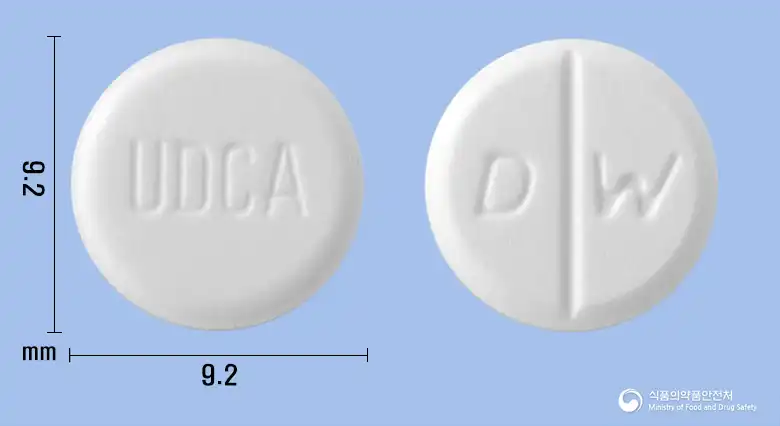
Ursodeoxycholic Acid 100mg
Tablet · OTC medication
DAEWOONG PHARMACEUTICAL CO., LTD.
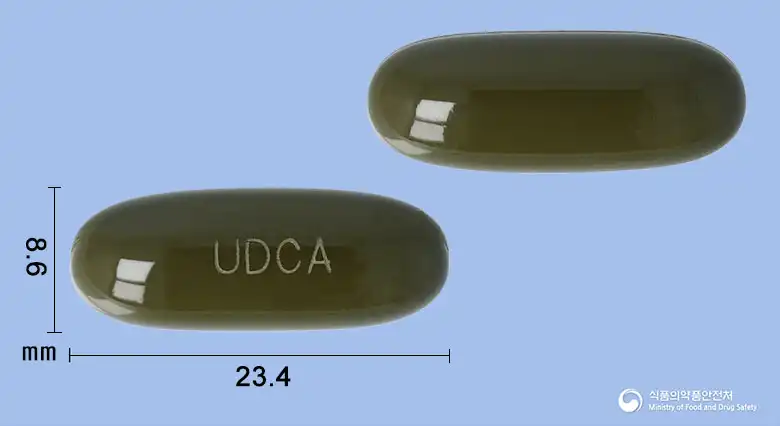
Ursodeoxycholic Acid 100mg
Soft capsule · OTC medication
DAEWOONG PHARMACEUTICAL CO., LTD.
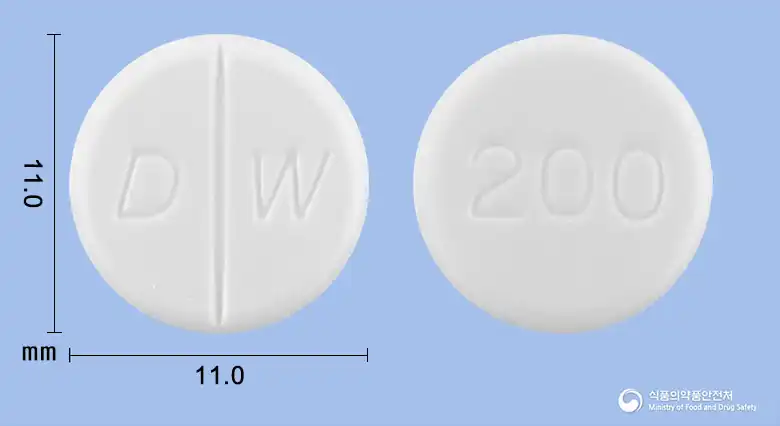
Ursodeoxycholic Acid 200mg
Tablet · Prescription medication
(Daiwoo Pharmaceutical Co., Ltd.)
Ursodeoxycholic Acid 250mg
Hard capsule · Prescription medication
Daewoong Pharmaceutical Co., Ltd.
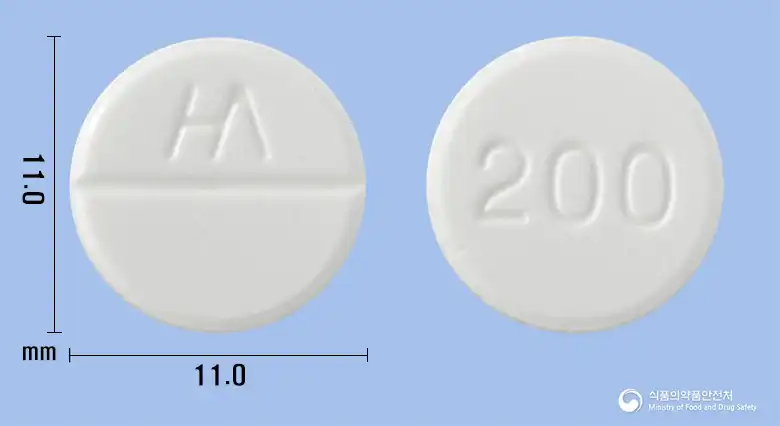
Ursodeoxycholic Acid 200mg
Tablet · Prescription medication
Hanol Biopharma Co., Ltd.
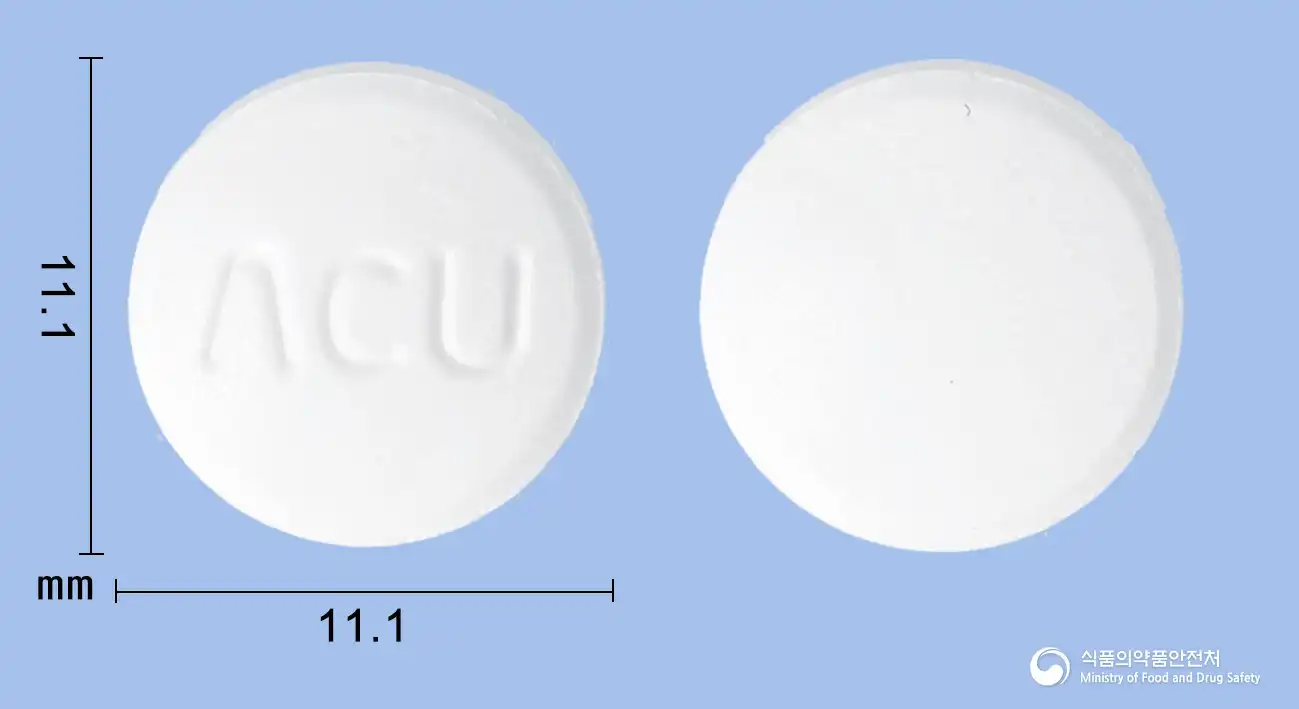
Ursodeoxycholic Acid 300mg
Tablet · Prescription medication
Allico Pharmaceutical Co., Ltd.
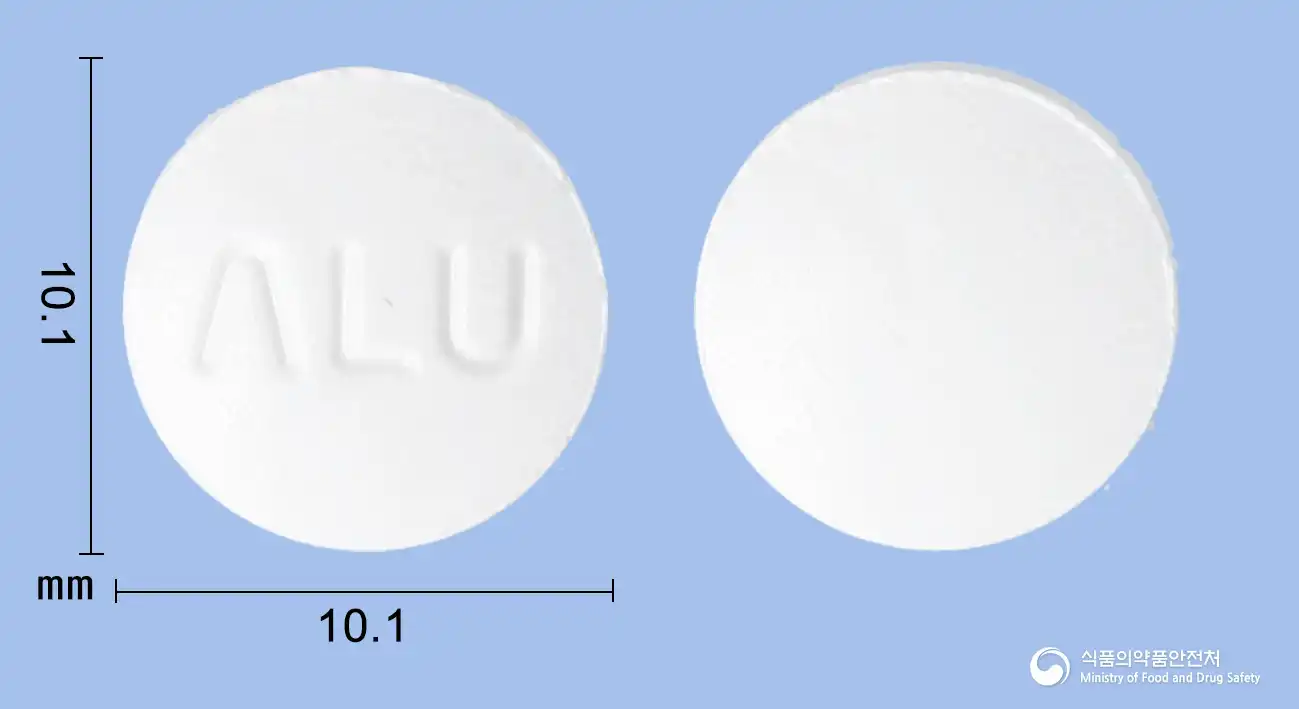
Ursodeoxycholic Acid 200mg
Tablet · Prescription medication
Allico Pharmaceutical Co., Ltd.
Even with the same ingredient, the dose and directions can differ by strength and dosage form. Talk to a doctor or pharmacist before switching from a medication you are already taking.
No questions yet.
For anything that needs medical judgment, consult a doctor or pharmacist.
This drug information is based on data provided by the Korea Ministry of Food and Drug Safety.
Consult a doctor or pharmacist for accurate dosage, administration, and usage instructions.