
 한국어
한국어 English
 日本語
日本語 中文(简体)
Dosage form image
Viewing nowCombinationNeramine Tablet
D-Biotin · Folic Acid +7 more
OTC medication · Combination
Chodang Pharmaceutical Co., Ltd.
MFDS item code 202600999
Improvement of physical fatigue, during pregnancy and breastfeeding, decreased physical strength during and after illness
Vitamins B1, B2, B6, and C help support energy production and body functions when experiencing physical fatigue, aiding in recovery from fatigue. They also assist in the supply of essential nutrients for the health of the fetus and infant during pregnancy or breastfeeding. Additionally, they contribute to overall health improvement by supporting rapid recovery in states of decreased physical strength during or after illness. These vitamin supplies are critical for maintaining normal bodily functions and promoting health recovery. In summary, vitamins B1, B2, B6, and C are used for alleviating physical fatigue, assisting during pregnancy and breastfeeding, and improving decreased physical strength during and after illness.
Adults: 1 tablet per dose, once daily
This medication should not be taken by individuals who have a history of allergic reactions or hypersensitivity to this medication or any of its ingredients. Additionally, it should be avoided by infants under 3 months old or those with allergies or hypersensitivity to soybean oil, soybeans, or peanuts. This medication should not be taken concurrently with levodopa. Patients undergoing medical treatment, patients with hyperoxaluria, women who are pregnant or may become pregnant, breastfeeding mothers, premature infants, and infants should consult with a healthcare professional before using this medication. It is also important for patients with gout or kidney stones to consult a doctor before use. Patients with abnormalities in lipid metabolism such as hyperlipoproteinemia, diabetic dyslipidemia, or pancreatitis should exercise caution when using this medication. If symptoms such as nausea, vomiting, diarrhea, or loose stools occur during treatment, discontinue use immediately and consult a professional. Long-term use of high doses can lead to tolerance, and prolonged high doses of pyridoxine can cause nerve damage. Furthermore, caution is needed as patients with folic acid deficiency may experience blood abnormalities when taking high doses of vitamin B12. High doses can worsen peptic ulcers and impair blood sugar control, as well as cause hyperuricemia and liver damage. In case of overdose, discontinue use immediately and seek medical attention, and consult a professional if symptoms do not improve after one month of use. This medication must be taken according to the prescribed dosage and regimen, and may affect blood sugar measurements during urinalysis. Additionally, urine may turn yellow, which can affect clinical test results. Patients at risk for lipid overload should regularly check plasma lipid levels and adjust the dosage of this medication as necessary. When using other lipid-regulating agents, it is important to adjust the dosage considering the overall lipid amount.
Nausea, vomiting, diarrhea, loose stools, sensory neuropathy or neurological symptoms, hematological adverse reactions, exacerbation of peptic ulcers, impaired glucose tolerance, hyperuricemia, liver damage
Not everyone experiences these, and they can vary from person to person.
This medication should be stored in a tightly closed container to prevent exposure to air or moisture. It is important to maintain a storage temperature between 1 degree and 30 degrees Celsius at room temperature. Doing so will help maintain the efficacy and safety of the medication.
Round film-coated tablet with a yellowish color
500 tablets/bottle, 1000 tablets/bottle
Even with the same ingredient, strength, dosage form and how it is taken can differ.
D-Biotin · Folic Acid +7 more
OTC medication · Combination
Chodang Pharmaceutical Co., Ltd.
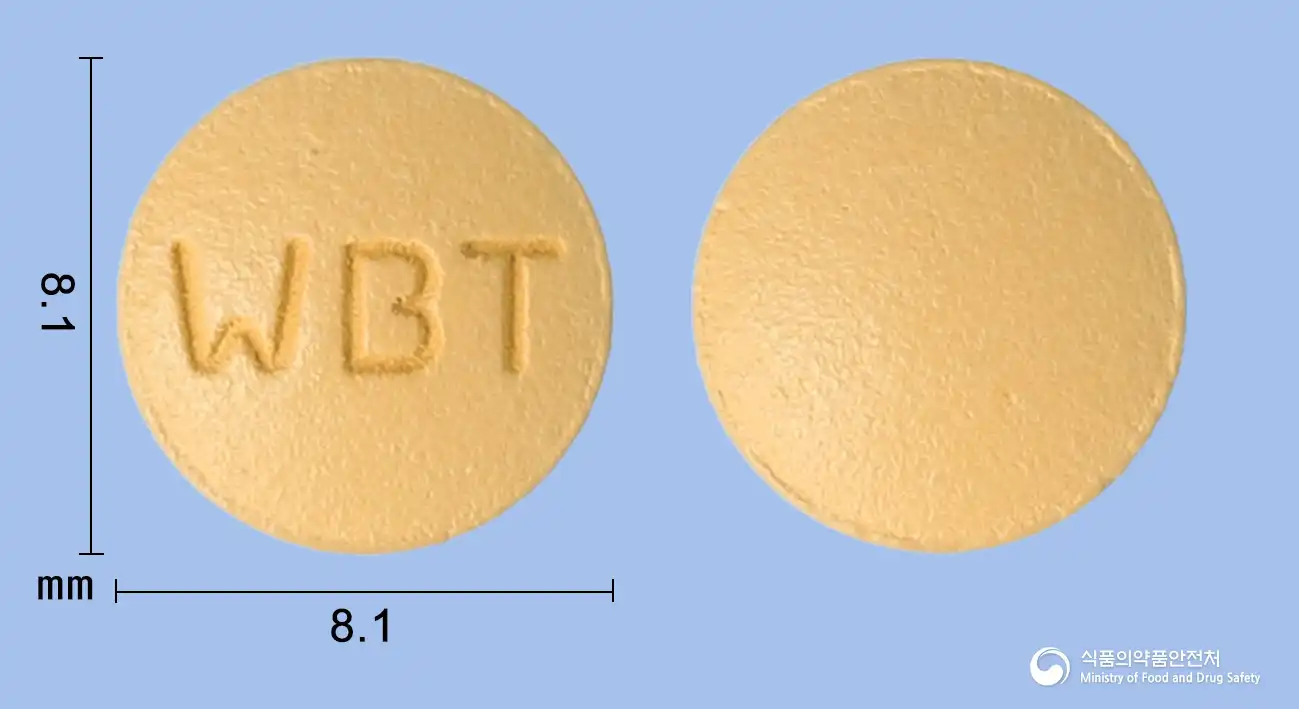 Combination
Pyridoxine Hydrochloride 10mg · Thiamine Nitrate 1.5mg +7 more
Tablet · OTC medication · Combination
Medix Pharmaceutical Co., Ltd.
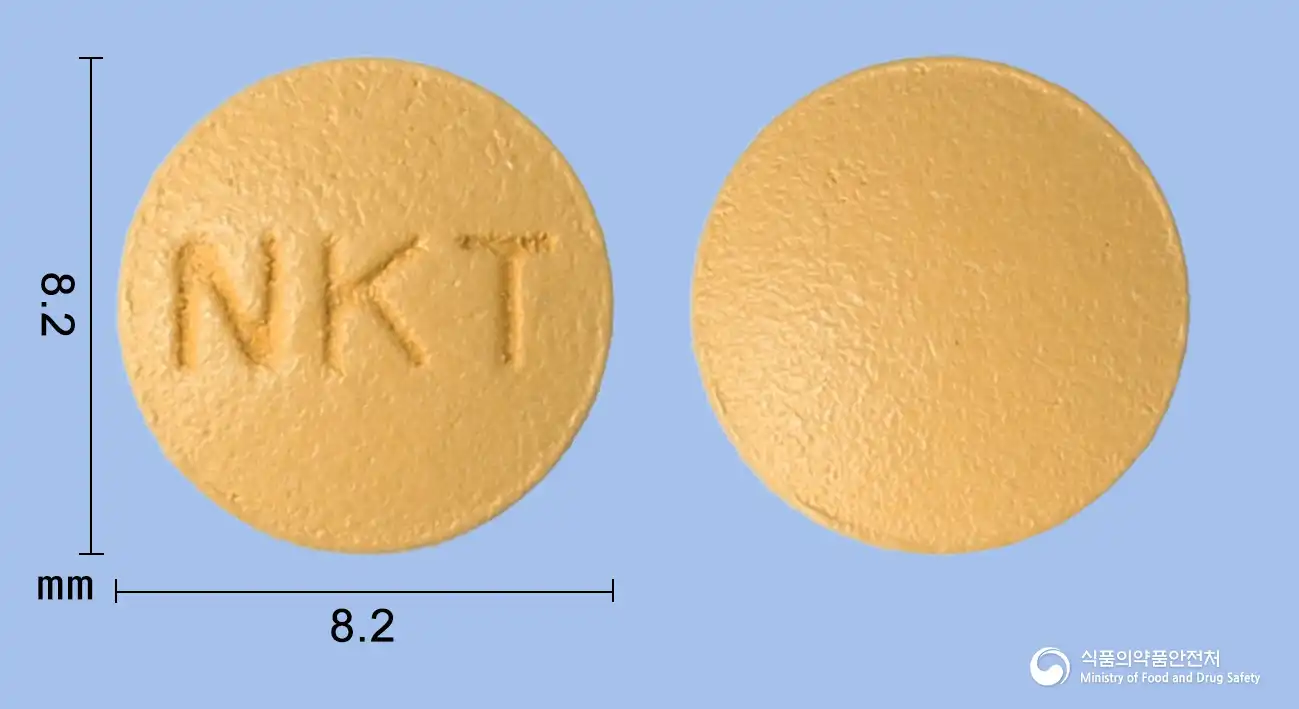 Combination
Pyridoxine Hydrochloride 10mg · Thiamine Nitrate 1.5mg +7 more
Tablet · OTC medication · Combination
Nexpharm Korea Co., Ltd.
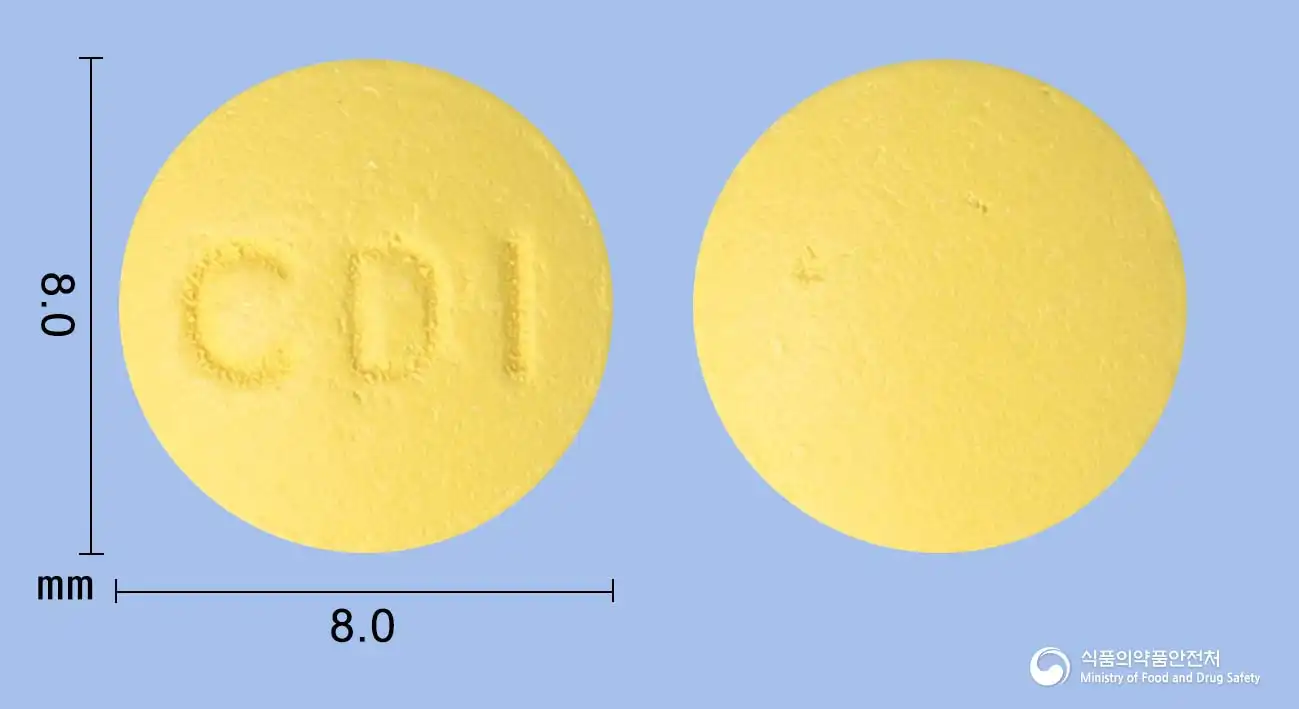 Combination
D-Biotin 0.3mg · Folic Acid 0.8mg +7 more
Tablet · OTC medication · Combination
Chodang Pharmaceutical Co., Ltd.
Even with the same ingredient, the dose and directions can differ by strength and dosage form. Talk to a doctor or pharmacist before switching from a medication you are already taking.
No questions yet.
For anything that needs medical judgment, consult a doctor or pharmacist.
This drug information is based on data provided by the Korea Ministry of Food and Drug Safety.
Consult a doctor or pharmacist for accurate dosage, administration, and usage instructions.