
 한국어
한국어 English
 日本語
日本語 中文(简体)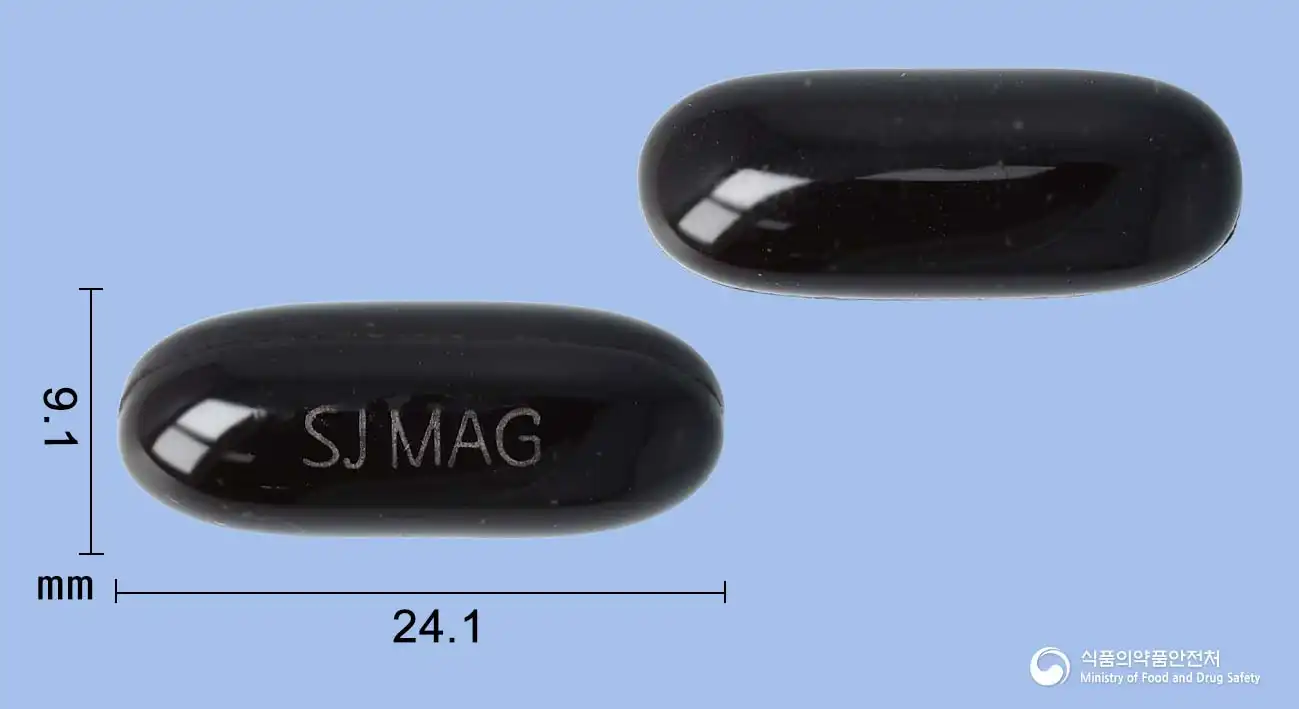
Summary
- Main use
- Relief of peripheral circulatory disorders (shoulder stiffness, cold hands and feet) and neuralgia, improvement of dermatitis conditions such as stomatitis
- Who uses it
- Adults
- Adult dosage
- Ages 12 and older and adults: Take 1 capsule, twice a day.
Ingredients
- Magnesium Oxide
- Magnesium Glycerophosphate
- Magnesium Aspartate Hydrate
- Tocopherol Acetate
- Benfotiamine
- Pyridoxine Hydrochloride
- Cyanocobalamin
- Manufacturer
- 삼진제약(주)
Efficacy & effects
Relief of peripheral circulatory disorders (shoulder stiffness, cold hands and feet) and neuralgia, improvement of dermatitis conditions such as stomatitis
- Physical fatigue
- reduced stamina
- shoulder stiffness
- neck stiffness
- numbness in hands and feet
- cold hands and feet
- neuralgia
- muscle pain
- joint pain
- low back pain
- beriberi
- eye fatigue
View approved original textHide original text
This medication contains vitamins E, B1, and B6, making it suitable for use during physical exhaustion, pregnancy, lactation, and recovery from illness, as well as in the elderly. Vitamin E alleviates symptoms such as shoulder and neck stiffness, numbness, and coldness that occur during peripheral circulation disorders and menopause. Vitamin B1 helps improve neuralgia, muscle pain, joint pain, shoulder stiffness, beriberi symptoms, and eye fatigue. Vitamin B6 is effective in alleviating inflammation around the mouth such as angular cheilitis, cheilitis, stomatitis, and glossitis, as well as eczema and dermatitis symptoms. It also helps with muscle cramps caused by magnesium deficiency. Therefore, this drug is used for overall physical enhancement and improvement of various neurological and skin symptoms.
Dosage and Administration
Adult dosage
Ages 12 and older and adults: Take 1 capsule, twice a day.
Precautions
This medication should not be taken by individuals who are allergic to specific ingredients or have hypersensitivity reactions. In particular, infants under 12 months old, patients with severe kidney dysfunction, and those allergic to soybean oil, soy, or peanuts should also refrain from taking this medication. During the course of treatment, it is important not to take this medication together with phosphates, calcium salts, oral tetracycline antibiotics, antacids, and medications such as levodopa. Women who are undergoing treatment, pregnant, nursing, premature infants, infants, and individuals with heart or kidney issues should consult a physician or pharmacist before taking this medication. Especially for women who may become pregnant and premature infants, it is advisable not to take this for safety reasons. If gastrointestinal discomfort, diarrhea, constipation, skin rash or redness, nausea, vomiting, or other symptoms occur while taking this medication, it is necessary to stop immediately and consult a specialist. In women, the menstrual cycle may become shorter or bleeding may increase, so caution is advised. Those taking contraceptive pills or at risk for thrombosis should be cautious as taking vitamin E can increase the risk of thrombosis. Moreover, long-term use of high doses of pyridoxine (vitamin B6) may lead to neurological disorders, so caution is needed. Patients with folic acid deficiency who take vitamin B12 above a certain dosage may experience blood abnormalities, so they should consult a specialist. Overdose may lead to nausea, vomiting, hypernatremia, heart failure, edema, and other symptoms, so it is essential to adhere to the prescribed dosage. Caution is needed when taking this medication with other diuretics as it may cause hyperkalemia. If symptoms do not improve after more than a month of use, consulting a specialist is advisable. It is recommended to avoid beverages containing tannins, such as green tea or black tea, during treatment, and patients with lipid metabolism issues should have their blood lipid levels regularly checked. This medication should be kept out of reach of children and stored in a tightly sealed container away from direct sunlight in a cool, dry place. Additionally, for quality maintenance, it is safe not to transfer it to another container.
Side effects and when to seek care immediately
Serious side effects
Edema (severe swelling), increased risk of thrombosis (vascular blockage), hyperkalemia, risks associated with overdose
Mild side effects
Gastric discomfort, diarrhea, constipation, rash, redness (erythema), nausea, vomiting, loose stools, menstrual cycles becoming earlier or increased bleeding, hematological adverse reactions (in patients with folic acid deficiency receiving vitamin B12), gastric symptoms such as nausea and vomiting, hypernatremia, congestive heart failure, edema (swelling), sensory neuropathy or neurological symptoms (peripheral nerve dysfunction)
Not everyone experiences these, and they can vary from person to person.
Storage
This medication must be stored in a tightly sealed container to avoid exposure to air or moisture, and it is safe to store it at a temperature between 1 degree and 30 degrees Celsius at room temperature. Proper storage ensures the drug's effectiveness is maintained for a long time.
Appearance and packaging
Appearance
Oblong soft capsule in dark brown color containing white or dark brown contents
Package unit
120 capsules/box [(10 capsules/PTP X 6) X 2], 60 capsules/box [(10 capsules/PTP X 6)]
Questions about this medicine
No questions yet.
For anything that needs medical judgment, consult a doctor or pharmacist.