
 한국어
 English
 日本語
 中文(简体)
 Viewing now
Alfacalcidol 1 Microgram (Alfacalcidol)
Alfacalcidol 0.001mg
Tablet · OTC medication
Novaem Healthcare Co., Ltd.
MFDS item code 202600460 · Notified 2026.02.19
Treatment of osteoporosis; improvement of symptoms of abnormal vitamin D metabolism (e.g., hypocalcemia)
This medicine is used to improve hypocalcemia, tetany, bone pain, and bone lesion symptoms resulting from vitamin D metabolic disorders associated with chronic renal failure, hypoparathyroidism, vitamin D-resistant rickets, and osteomalacia. It is also effective in the treatment of osteoporosis. Patients can benefit from taking this medicine to alleviate symptoms associated with these conditions and improve bone health.
Adjust the dose while ensuring adequate monitoring of the patient's serum calcium level. ○ Adults 1. Chronic renal failure and osteoporosis: Administer alfacalcidol 0.5~1 ㎍ orally once daily. 2. Hypoparathyroidism and other disorders caused by abnormal vitamin D metabolism: Administer this medicine 1~4 ㎍ orally once daily.
○ Children 1. Osteoporosis: Administer alfacalcidol 0.01~0.03 ㎍/kg body weight orally once daily. 2. Other disorders: Administer this medicine 0.05~0.1 ㎍/kg body weight orally once daily.
This medicine should not be taken by individuals with high levels of calcium and phosphorus in their blood or with certain metabolic disorders. It can be hazardous for patients with hypercalcemia, hyperphosphatemia, or hypermagnesemia. Patients in an alkaline state with elevated blood pH should also avoid this medicine. Those with toxicity symptoms due to vitamin D overdose or allergies to any components in this medicine should refrain from taking it. This medicine contains lactose, so individuals with lactose intolerance or related genetic disorders should not use it. It is advisable not to take this medicine concurrently with magnesium-containing medications, vitamin D preparations, calcium supplements, and certain diuretics. If breastfeeding, it is preferable to avoid using this medicine, and if unavoidable, it is recommended to stop breastfeeding. Women who are pregnant or may become pregnant should consult a doctor before taking this medicine, and caution should be exercised by children and elderly patients as well. Patients currently taking specific medications should consult a healthcare professional for potential interactions with this medicine. If any adverse reactions occur during use, discontinue use immediately and consult a healthcare provider. Particular attention is needed for possible gastrointestinal disorders, neurological symptoms, heart problems, renal function abnormalities, liver dysfunction, skin rashes, vision changes, and skeletal pain. Regular blood tests should be conducted to monitor calcium levels and kidney function, while ensuring the prescribed dosage is accurately followed to prevent overdose. This medicine should be stored in a cool, dry place, away from direct sunlight, and kept out of reach of children.
Not everyone experiences these, and they can vary from person to person.
This medicine may be sensitive to air and moisture, so it should be stored in a sealed container. The appropriate storage temperature is at room temperature between 1 degree and 30 degrees Celsius, avoiding excessively hot or cold places.
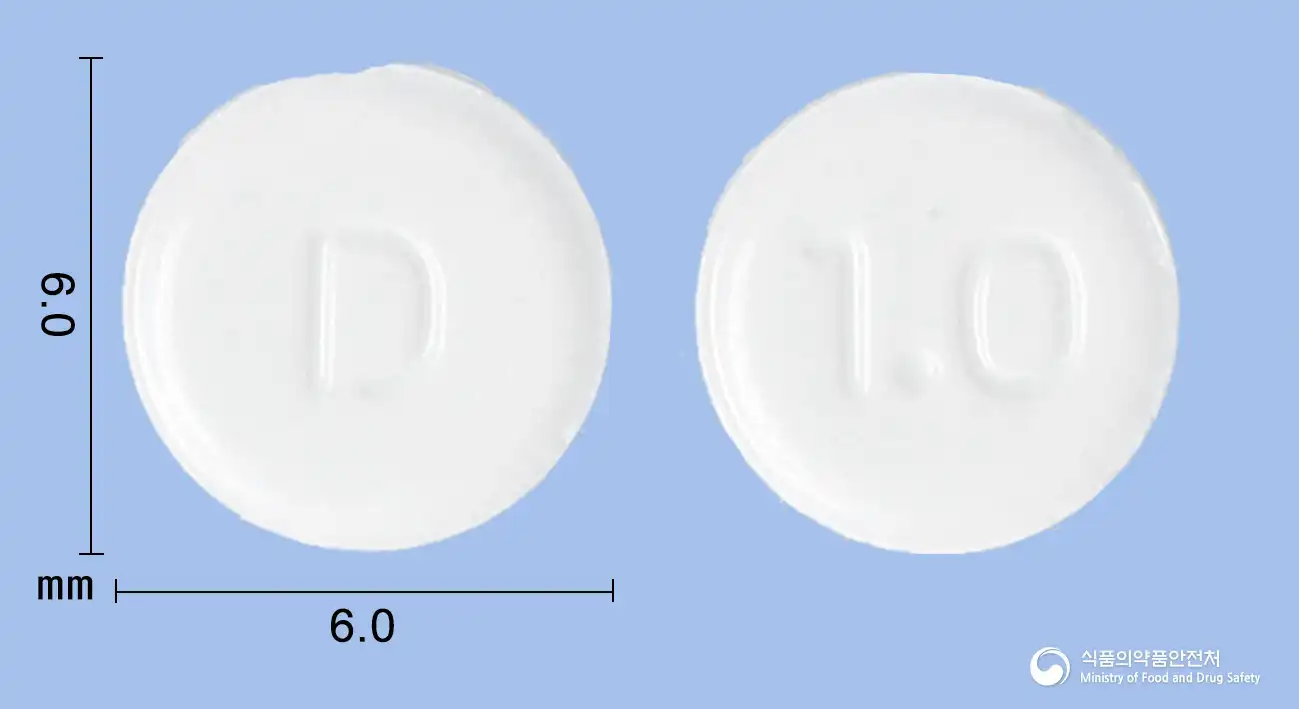
White round tablet
30 tablets/bottle, 100 tablets/bottle
Even with the same ingredient, strength, dosage form and how it is taken can differ.
Viewing nowAlfacalcidol 0.001mg
Tablet · OTC medication
Novaem Healthcare Co., Ltd.
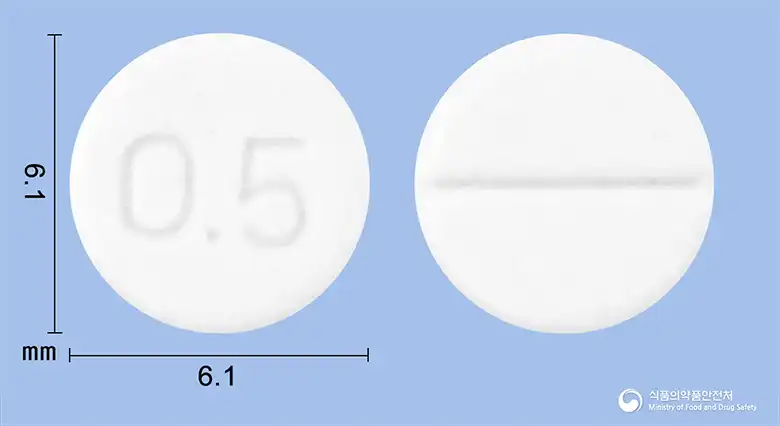
Alfacalcidol 0.5μg
Tablet · OTC medication
Il Sung I.S. Corporation
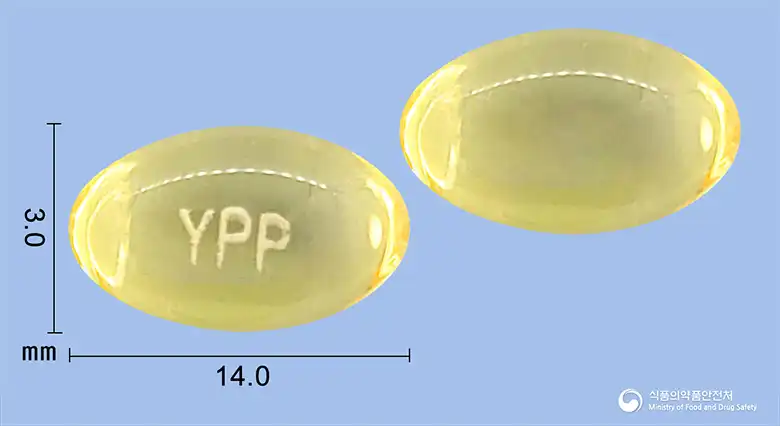
Alfacalcidol 0.5μg
Soft capsule · OTC medication
Youngpoong Pharmaceutical Co., Ltd.
Alfacalcidol 0.5μg
Soft capsule · OTC medication
Anguk Pharmaceutical Co., Ltd.
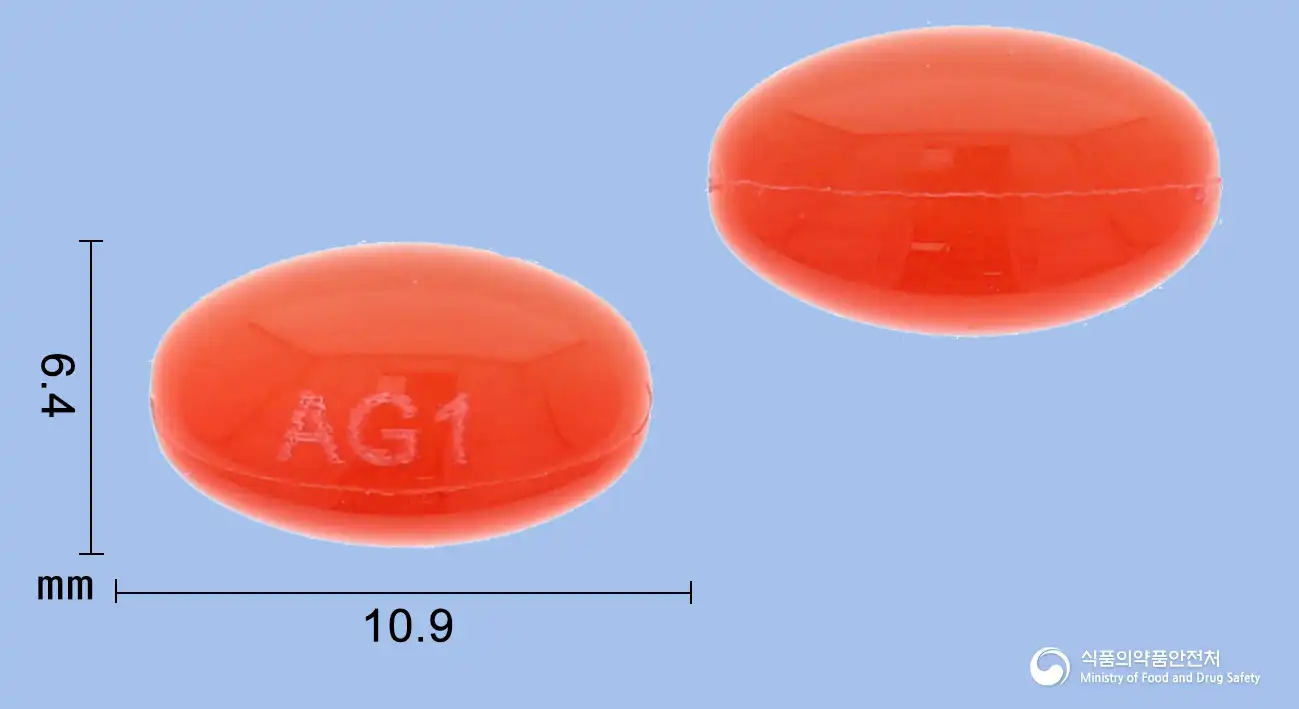
Alfacalcidol 1μg
Soft capsule · OTC medication
Ahn-Gook Pharmaceutical Co., Ltd.
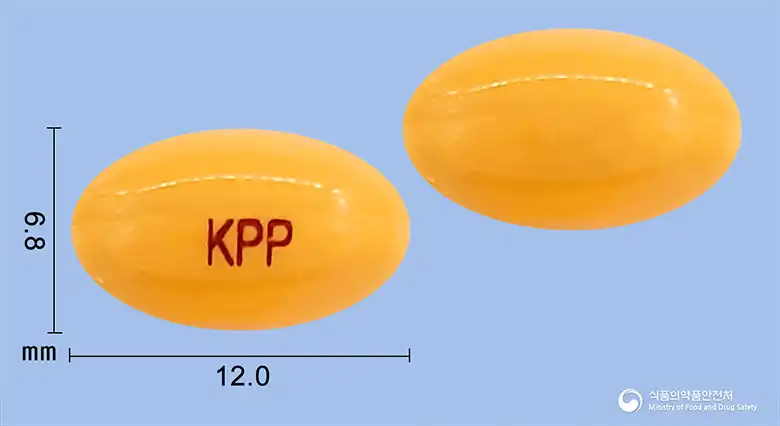
Alfacalcidol 1μg
Soft capsule · OTC medication
Korea Prime Pharmaceutical Co., Ltd.
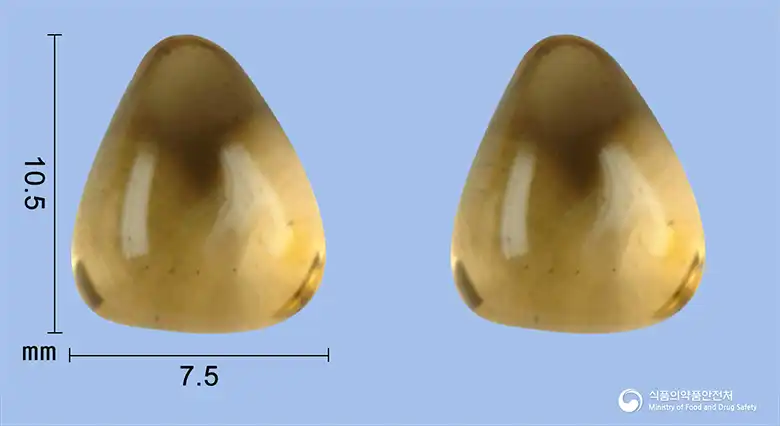
Alfacalcidol 0.5μg
Soft capsule · OTC medication
Shinil Pharmaceutical Co., Ltd.
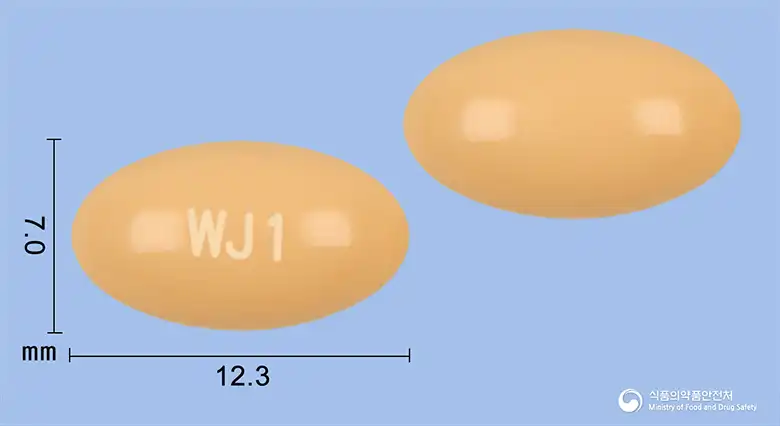
Alfacalcidol 0.5μg
Soft capsule · OTC medication
Austin Pharmaceutical Co., Ltd.
Even with the same ingredient, the dose and directions can differ by strength and dosage form. Talk to a doctor or pharmacist before switching from a medication you are already taking.
No questions yet.
For anything that needs medical judgment, consult a doctor or pharmacist.
This drug information is based on data provided by the Korea Ministry of Food and Drug Safety.
Consult a doctor or pharmacist for accurate dosage, administration, and usage instructions.