
 한국어
한국어 English
 日本語
日本語 中文(简体)
 Viewing now
Alinoksil Tablet 5 mg (Minoxidil)
Minoxidil 5mg
Tablet · Prescription medication
Aliko Pharmaceutical Co., Ltd.
MFDS item code 202600459 · Approved 2026.02.19
Treatment of hypertension (symptomatic, resistant)
This medication is used to treat hypertension that occurs due to sympathetic or specific organ damage. It is also helpful for difficult hypertension patients who have not responded to diuretics and two types of antihypertensive agents. It is used to effectively control blood pressure and reduce cardiovascular risk in these types of hypertension.
Adults (12 years and older): An initial dose of 5 mg of minoxidil is administered orally once a day, followed by a maintenance dose of 10-40 mg per day divided into 1-2 doses. A maximum of 100 mg per day may be given. If the reduction in preload is less than 30 mmHg, the medication may be administered once daily; if it is more than 30 mmHg, it should be divided into twice daily doses. Any changes in dosage should be made every 3 days based on patient response.
Pediatric patients (under 12 years old): An initial dose of 0.2 mg per kg of body weight once daily may be administered, with adjustments of 50-100% until blood pressure is optimized. A maintenance dose of 0.25 mg per kg of body weight daily may be used.
This medication should not be used in patients with certain diseases. For example, it may lower blood pressure while promoting catecholamine secretion from tumors in patients with pheochromocytoma, which can be dangerous. It should also be avoided in patients with pulmonary hypertension due to mitral stenosis, acute myocardial infarction, or known hypersensitivity to this medication. Caution should be applied for patients with chronic congestive heart failure, severe renal failure, or angina, and they should be closely monitored by healthcare professionals. Use of this medication can commonly lead to hypertrichosis, which usually starts around the face and scalp and gradually returns to normal after discontinuation. It is essential for children and women to be adequately informed about these potential side effects. Additionally, rashes, vesicles, and severe allergic reactions may occur, so if any abnormal symptoms appear, immediate consultation with healthcare professionals is necessary. Blood tests may show decreased platelet or white blood cell counts, and liver function tests may also indicate abnormalities. Electrocardiogram changes in T-wave are often observed, but in most cases, it returns to normal with ongoing treatment and does not lead to significant heart function problems. Some patients may experience pericardial effusion or fluid accumulation around the heart, and if symptoms arise, a cardiac ultrasound should be performed. If necessary, additional treatment or discontinuing this medication should be considered. Additionally, weight gain, peripheral edema, increased heart rate, changes in renal function, gastrointestinal disturbances, rashes, gynecomastia, headaches, nausea, vomiting, ECG T-wave changes, decreases in hematocrit and blood counts, and elevated ALP may rarely occur, necessitating caution. This medication is typically used in combination with diuretics to prevent fluid retention and worsening heart failure, and regular monitoring of weight and electrolyte status is essential. It can induce reflex tachycardia or angina as a vasodilator, so beta-blockers and similar medications are often used in combination. Patients with renal failure or undergoing dialysis may require dosage adjustments, and those with myocardial infarction should only receive treatment once their condition stabilizes. In the initial stages of treatment, regular urinalysis, kidney function tests, ECG, chest X-rays, and echocardiograms should be conducted to monitor for abnormalities. This medication may interact with other drugs, so caution is necessary when used with guanethidine, antidepressants, antipsychotics, corticosteroids, or NSAIDs. In particular, severe hypotension can occur with concomitant use of guanethidine, so co-administration should be avoided or initiated in a hospital setting. Safety of this medication has not been established during pregnancy, so it should be avoided; likewise, use during breastfeeding is not recommended, or breastfeeding should be discontinued. There is limited experience using it in children or infants, necessitating careful administration. In cases of overdose, significant hypotension may occur, which may be treated with normal saline injection or specific sympathomimetics. However, some sympathomimetics can burden the heart, requiring caution.
Exudative rash, vesicular lesions, skin-mucous membrane syndrome (Stevens-Johnson syndrome), thrombocytopenia, leukopenia, pericardial effusion, and extensive edema
Hypertrichosis, weight gain, peripheral vascular edema, increased heart rate, temporary elevation of creatinine and BUN, gastrointestinal disturbances, breast pain, gynecomastia, hemolytic anemia, pulmonary infiltrates, antinuclear antibodies (ANA), headaches, intermittent claudication, frequent menstruation, nausea, vomiting, ECG T-wave changes, decreases in hematocrit and blood counts, increased ALP
Not everyone experiences these, and they can vary from person to person.
This medication may be sensitive to air or moisture, so it must be stored in a sealed container. It is recommended to keep the storage temperature between 1 degree and 30 degrees Celsius at room temperature. This will help maintain the effectiveness and safety of the medication.
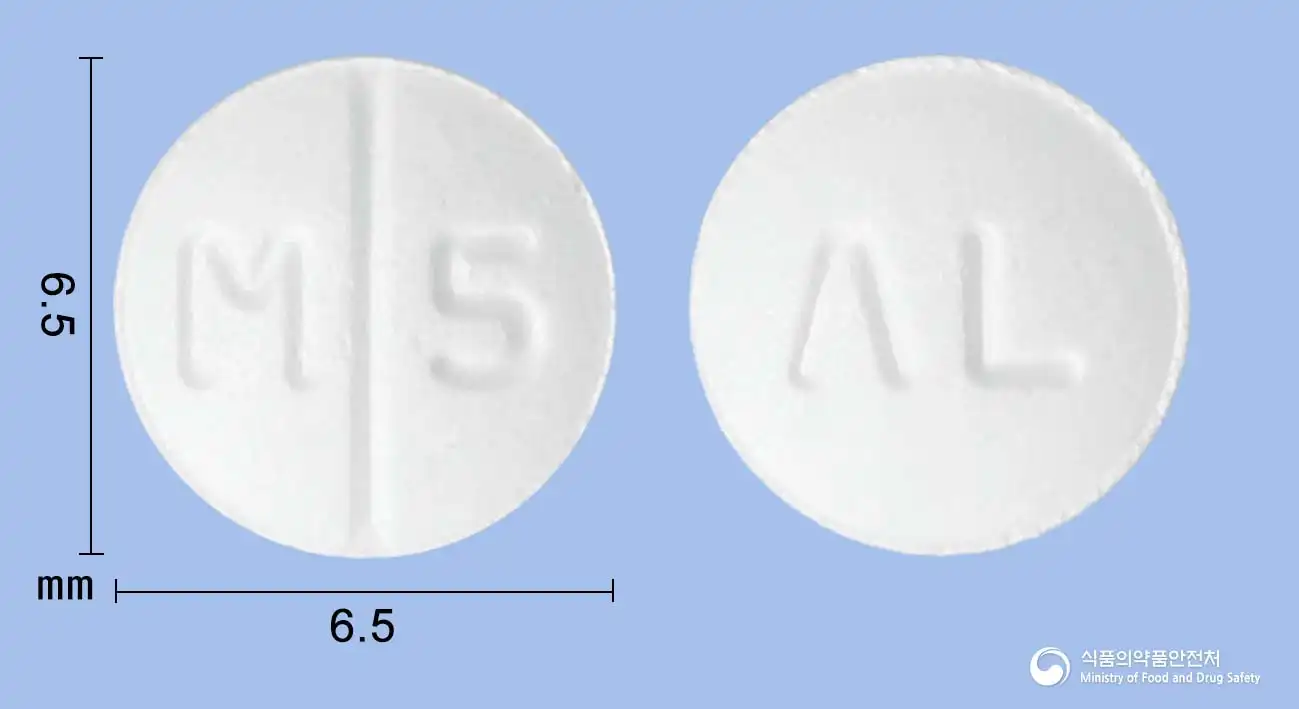
White or almost white round tablet
30 tablets/bottle, 90 tablets/bottle
Even with the same ingredient, strength, dosage form and how it is taken can differ.
Viewing nowMinoxidil 5mg
Tablet · Prescription medication
Aliko Pharmaceutical Co., Ltd.
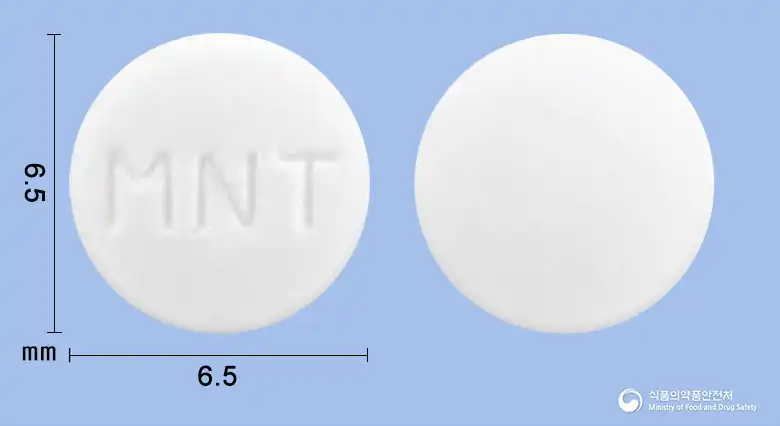
Minoxidil 5mg
Tablet · Prescription medication
Hyundai Pharmaceutical Co., Ltd.
Minoxidil 3g
OTC medication
Hyundai Pharmaceutical Co., Ltd.
Minoxidil 5g
OTC medication
Hyundai Pharmaceutical Co., Ltd.
Minoxidil 5g
OTC medication
Hanmi Pharmaceutical Co., Ltd.
Minoxidil 5g
Solution · OTC medication
JW Pharmaceutical Corp.
Minoxidil 3g
Solution · OTC medication
Haitai HTB Co., Ltd.
Minoxidil 5g
Solution · OTC medication
Ilhwa Co., Ltd.
Even with the same ingredient, the dose and directions can differ by strength and dosage form. Talk to a doctor or pharmacist before switching from a medication you are already taking.
No questions yet.
For anything that needs medical judgment, consult a doctor or pharmacist.
This drug information is based on data provided by the Korea Ministry of Food and Drug Safety.
Consult a doctor or pharmacist for accurate dosage, administration, and usage instructions.