
 한국어
한국어 English
 日本語
日本語 中文(简体)
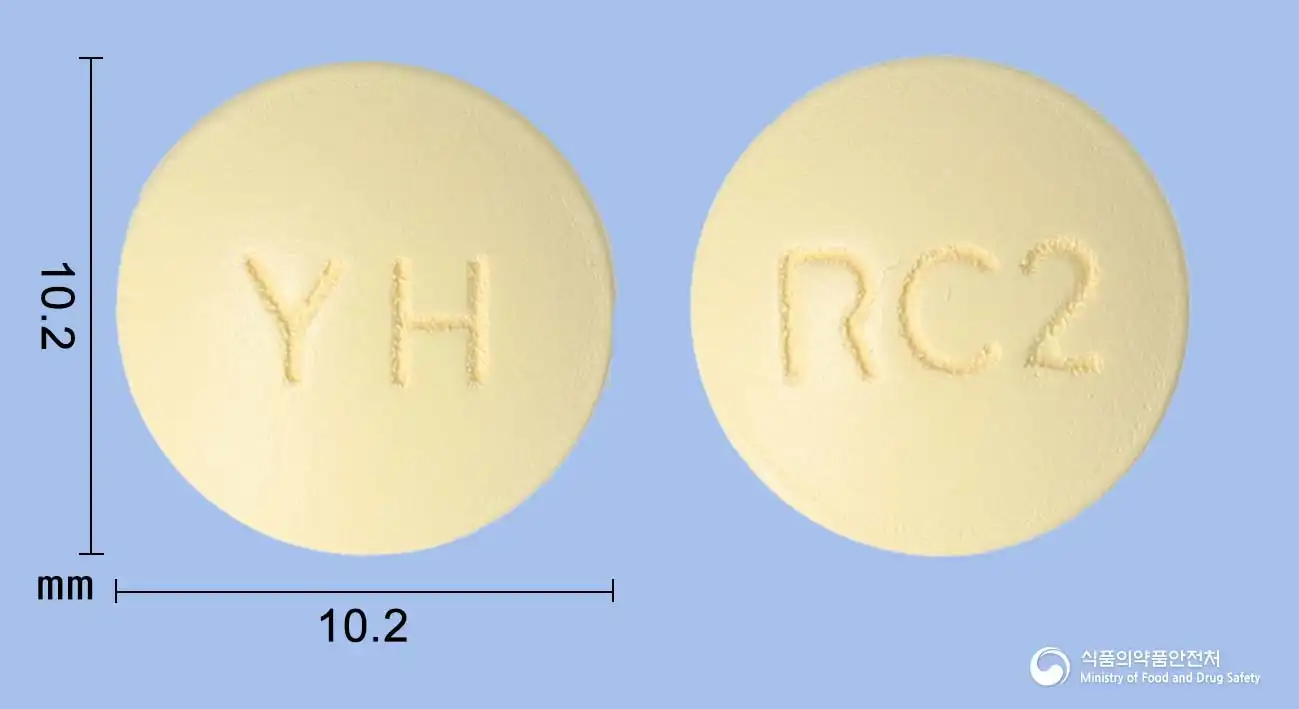 Viewing nowCombination
Rabepeed Tablet 20/600 mg (Rabeprazole Sodium, Calcium Carbonate)
Rabeprazole Sodium 20mg · Precipitated Calcium Carbonate 490mg
Tablet · Prescription medication · Combination
Yuhan Corporation
MFDS item code 202600357 · Approved 2026.02.10
Symptom relief and maintenance therapy for gastric ulcers, duodenal ulcers, and gastroesophageal reflux disease
This medication is used for the treatment of gastric ulcers and duodenal ulcers. It is also effective in treating erosive or ulcerative gastroesophageal reflux disease. It not only alleviates the symptoms of gastroesophageal reflux disease but is also used for long-term maintenance therapy to improve symptoms.
1. Gastric Ulcer, Duodenal Ulcer: Generally, for adults, 10/600 mg is administered orally once daily. Depending on symptoms, 20/600 mg may also be given orally once daily. Treatment duration is typically up to 8 weeks for gastric ulcers and up to 6 weeks for duodenal ulcers. 2. Erosive or Ulcerative Gastroesophageal Reflux Disease: Administer 10/600 mg or 20/600 mg orally once daily for 4 to 8 weeks. If treatment remains ineffective after 8 weeks of proton pump inhibitors (PPI), an additional 8 weeks of 10/600 mg or 20/600 mg may be given orally twice daily; however, twice daily dosing of 20/600 mg is restricted to patients with confirmed severe mucosal damage. 3. Symptom Relief for Gastroesophageal Reflux Disease: Administer 10/600 mg orally once daily. If symptoms are not controlled after 4 weeks of treatment, further medical intervention is necessary. After symptoms have resolved, on-demand therapy with 10/600 mg once daily may be utilized to manage any subsequent symptoms. 4. Long-term Maintenance Therapy for Gastroesophageal Reflux Disease: Administer 10/600 mg or 20/600 mg orally once daily, depending on the patient. 2. Patients with Liver Dysfunction: There have been reported adverse reactions of hepatic encephalopathy in patients with liver cirrhosis; thus, caution in administration is required. 3. Pediatrics: Safety has not been established in children. 4. Elderly: Caution is required as liver function is often compromised.
This medication should not be used by patients with allergies to certain ingredients or those who have experienced hypersensitivity reactions. It is especially contraindicated for women who are pregnant or breastfeeding, and for patients taking certain medications. Patients with severe renal dysfunction, hypercalcemia, or parathyroid dysfunction should also avoid taking this medication. Patients with liver dysfunction, elderly individuals, and those with a history of drug hypersensitivity should use this medication with caution. Additionally, caution is necessary for patients with constipation or issues related to heart and lung function. Various side effects such as skin rash, itching, blood abnormalities, liver dysfunction, etc., may occur with this medication, so if any symptoms arise during use, immediate consultation with healthcare professionals is needed. Regular blood tests and liver function tests are recommended, and discontinuation of medication may occur if abnormal signs are detected. Long-term use may increase the risk of fractures and cause hypomagnesemia, therefore, magnesium levels should be routinely monitored for long-term treatments. This medication suppresses gastric acid secretion and may lead to bacterial overgrowth in the stomach, so if symptoms of infection such as diarrhea persist, notify your healthcare provider for appropriate testing. Caution is required while driving or operating machinery as drowsiness may occur. This medication may interact with other drugs, so patients should inform their healthcare provider of any other medications they are taking. Particular care is needed when taken in conjunction with certain antiviral agents, antibiotics, or anticoagulants. Tablets should not be chewed or crushed, and must be swallowed whole, stored out of the reach of children. Store in a tightly sealed container, avoiding direct sunlight and in a cool, dry place for optimal efficacy and safety. Pregnant or breastfeeding women should not use this medication, and the elderly or patients with impaired liver or kidney function should use it cautiously under medical supervision.
Hives, severe swelling (edema), chest tightness, difficulty breathing, cold sweat, pallor, systemic allergic reactions, severe rash with high fever, blisters, mucosal pain in the mouth/eyes, severe dermatological reactions, shortness of breath or difficulty breathing, asthma attacks, respiratory distress accompanied by cough and fever, jaundice (yellowing of the skin or eyes), profound lethargy, liver dysfunction (jaundice), sudden and severe reactions
Not everyone experiences these, and they can vary from person to person.
This medication should be stored in a tightly closed container to protect it from air and moisture. It is crucial to maintain a storage temperature between 1°C and 30°C to preserve the drug's efficacy and safety.
Light yellow round film-coated tablet
28 tablets/bottle
Even with the same ingredient, strength, dosage form and how it is taken can differ.
Viewing nowCombinationRabeprazole Sodium 20mg · Precipitated Calcium Carbonate 490mg
Tablet · Prescription medication · Combination
Yuhan Corporation
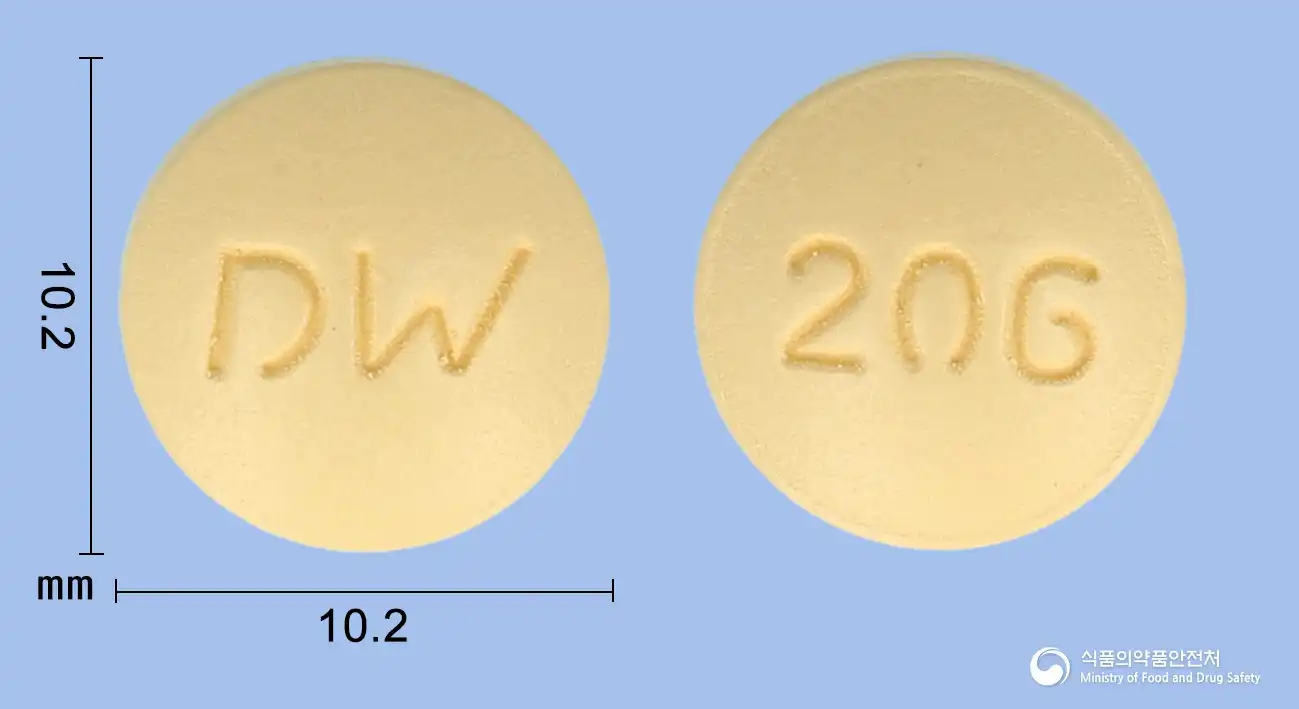 Combination
Rabeprazole Sodium 20mg · Precipitated Calcium Carbonate 490mg
Tablet · Prescription medication · Combination
Daewoong Pharmaceutical Co., Ltd.
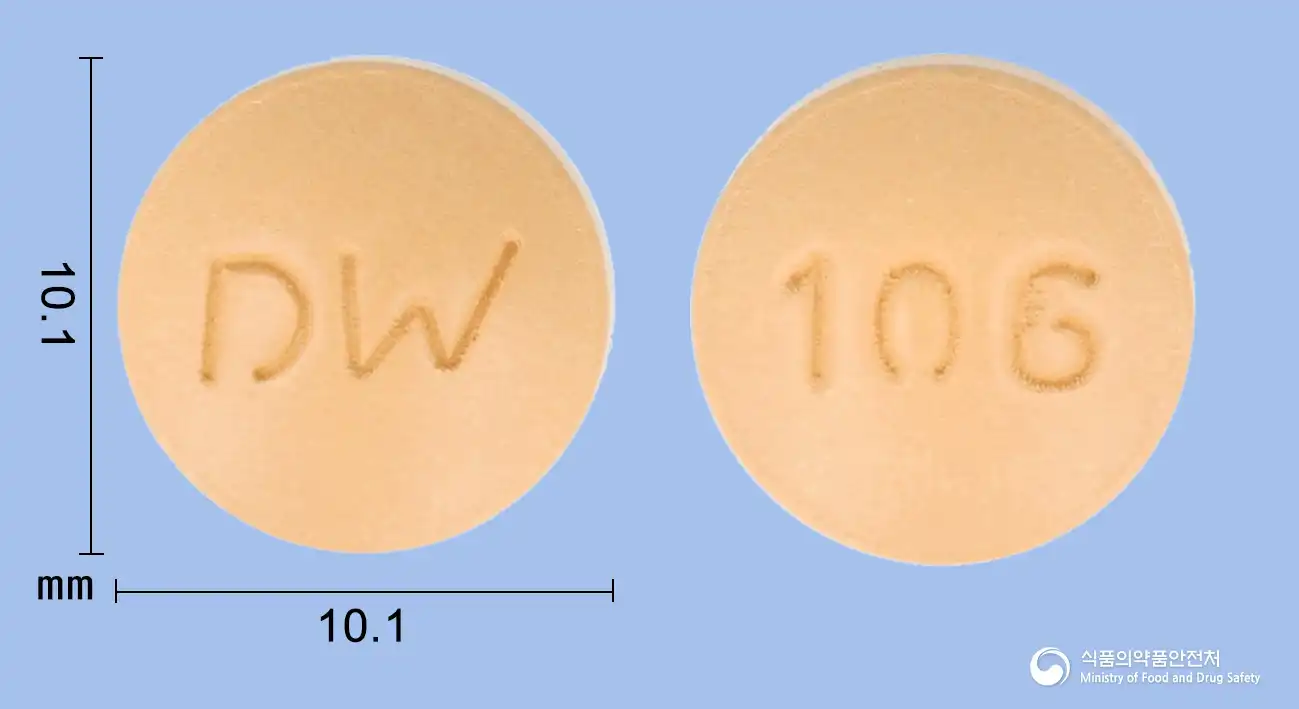 Combination
Rabeprazole Sodium 10mg · Precipitated Calcium Carbonate 510mg
Tablet · Prescription medication · Combination
Daewoong Pharmaceutical Co., Ltd.
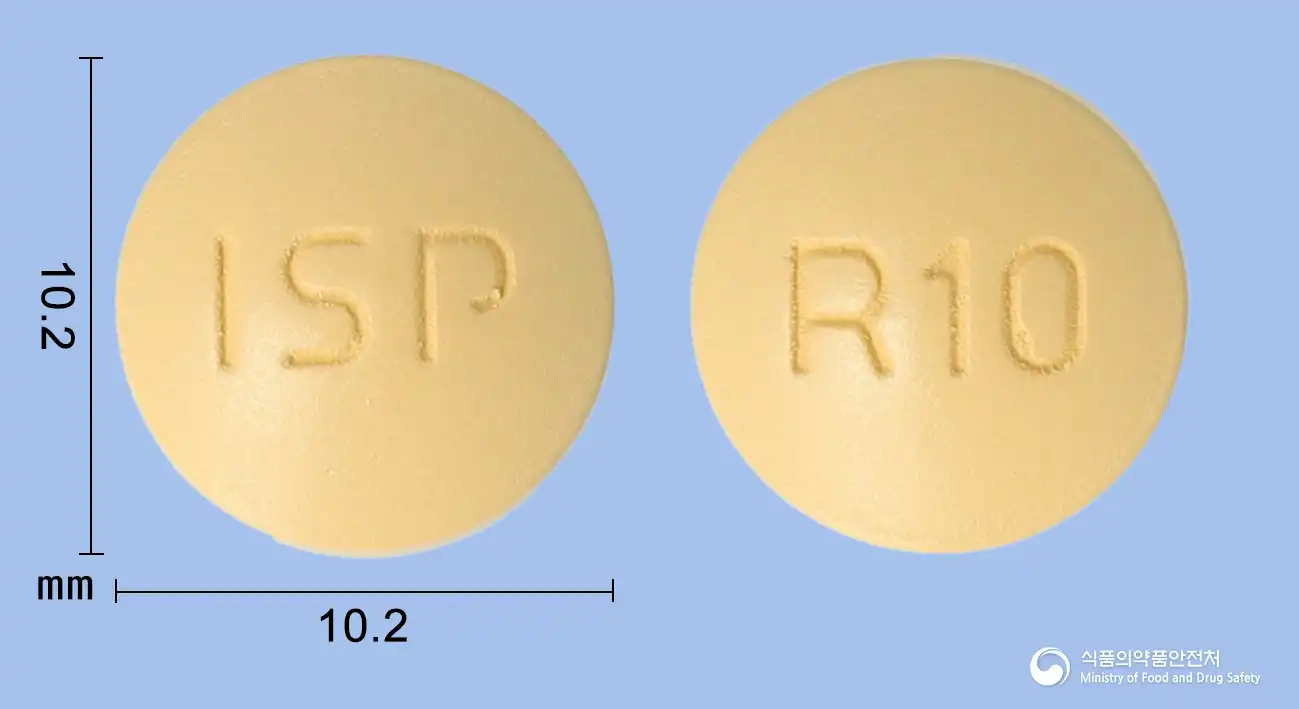
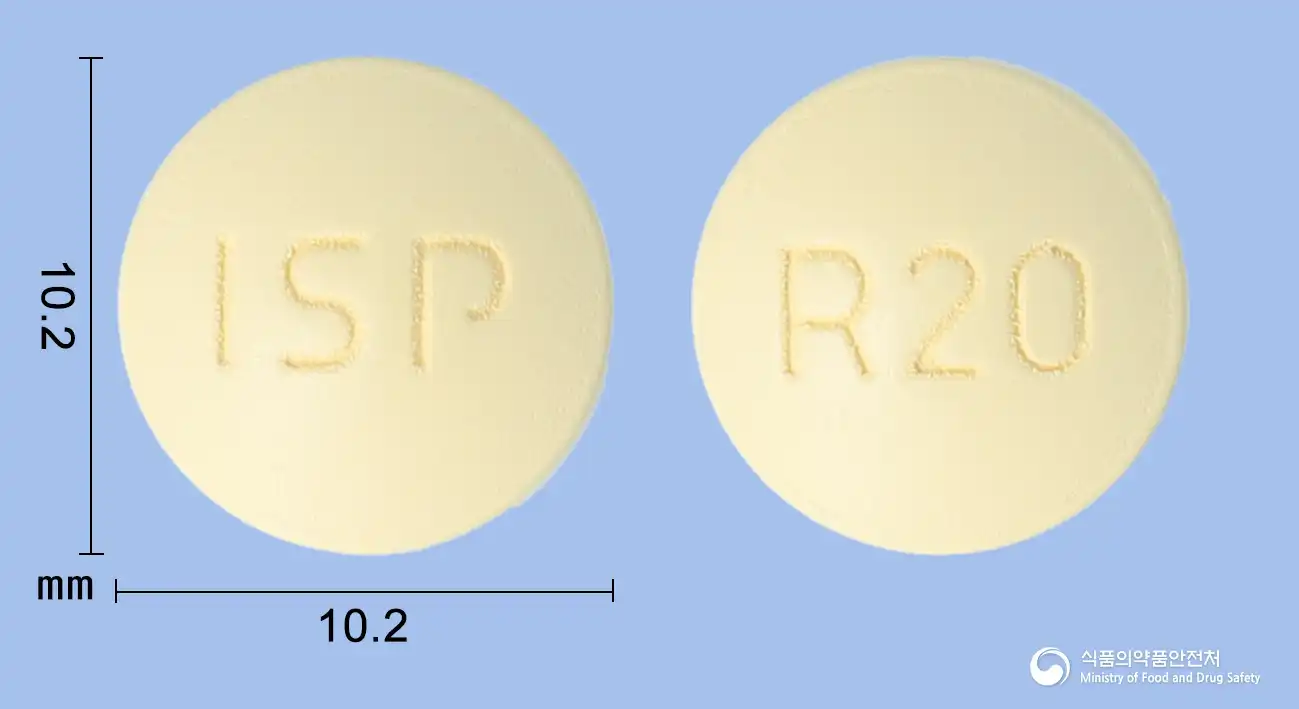 Combination
Rabeprazole Sodium 20mg · Precipitated Calcium Carbonate 490mg
Tablet · Prescription medication · Combination
Il Sung IS Co., Ltd.
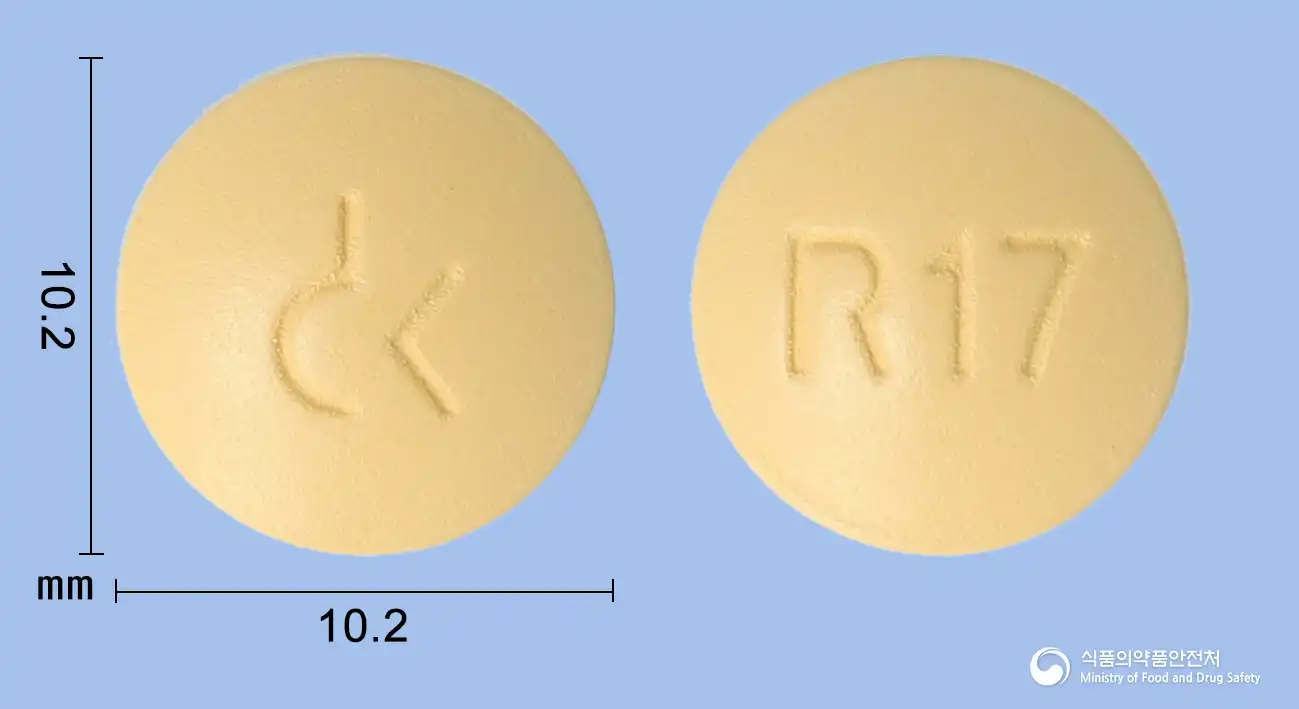
 Combination
Rabeprazole Sodium 10mg · Precipitated Calcium Carbonate 510mg
Tablet · Prescription medication · Combination
Ilsung IS Co., Ltd.
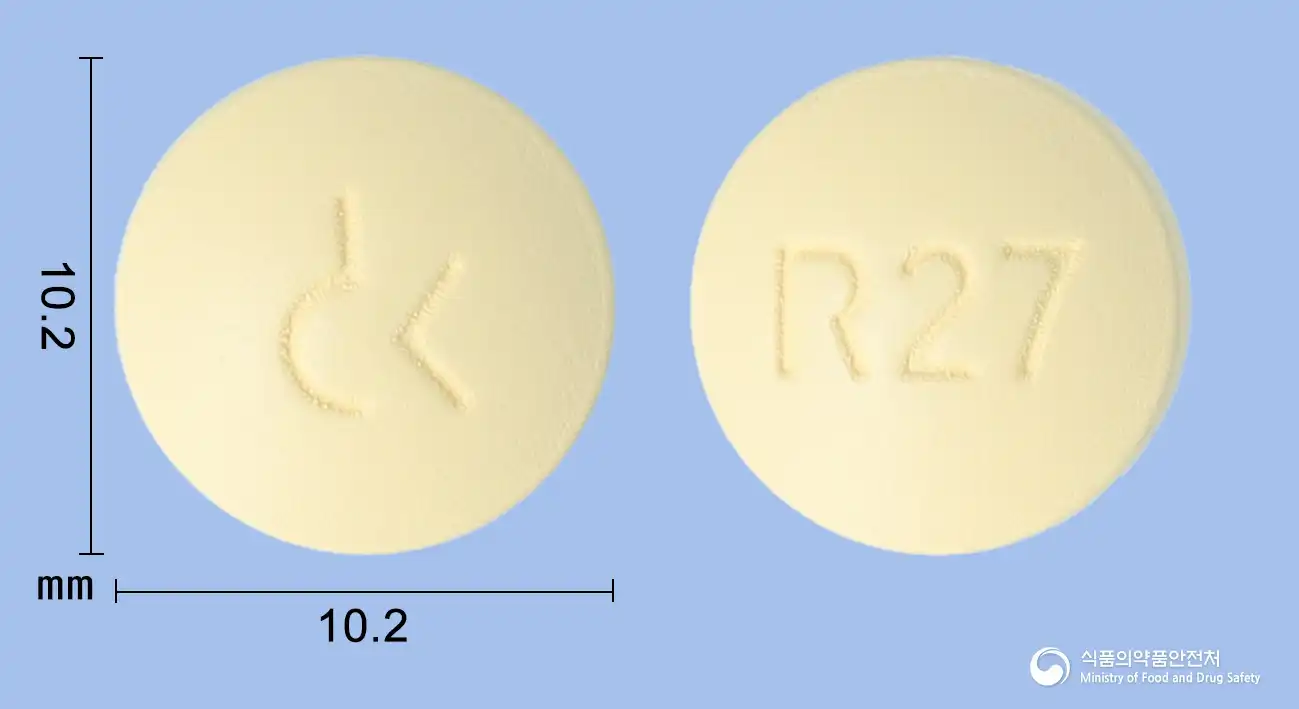
 Combination
Rabeprazole Sodium 10mg · Precipitated Calcium Carbonate 510mg
Tablet · Prescription medication · Combination
Dongkook Pharmaceutical Co., Ltd.
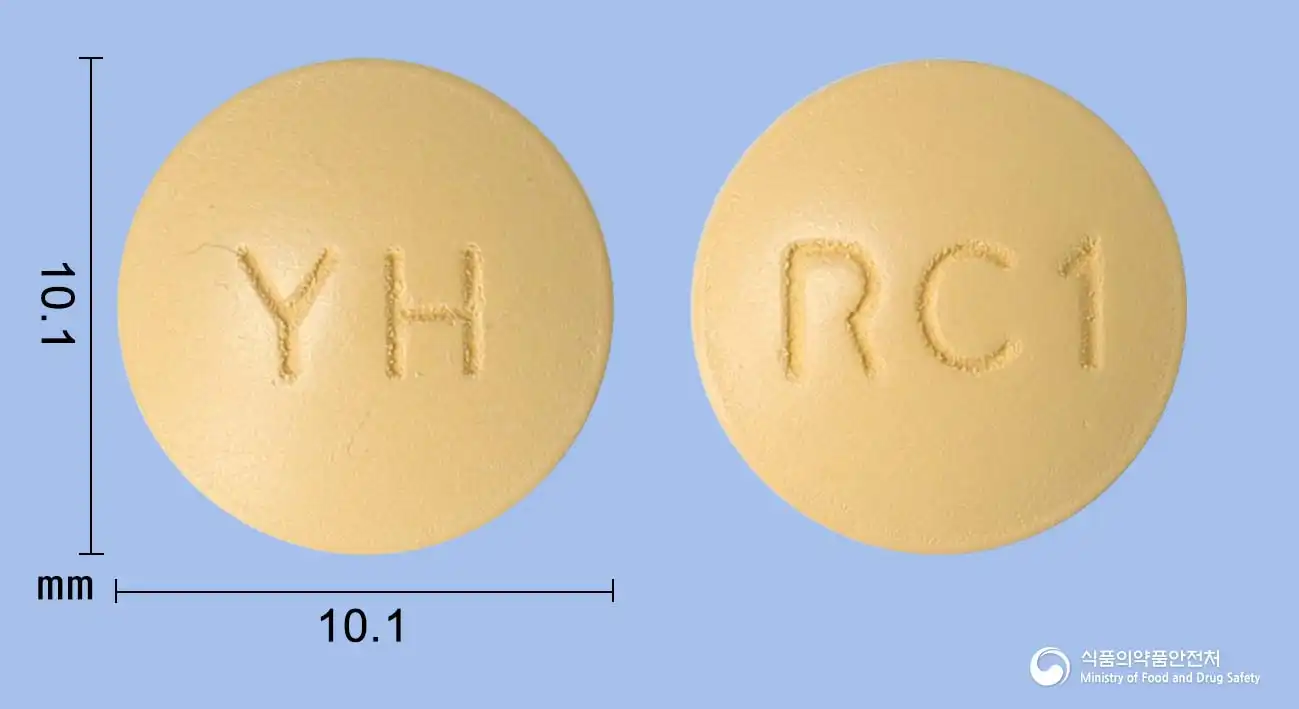
 Combination
Rabeprazole Sodium 20mg · Precipitated Calcium Carbonate 110mg
Tablet · Prescription medication · Combination
Dongkuk Pharmaceutical Co., Ltd.
 Combination
Rabeprazole Sodium 10mg · Precipitated Calcium Carbonate 510mg
Tablet · Prescription medication · Combination
Yuhan Corporation
Even with the same ingredient, the dose and directions can differ by strength and dosage form. Talk to a doctor or pharmacist before switching from a medication you are already taking.
No questions yet.
For anything that needs medical judgment, consult a doctor or pharmacist.
This drug information is based on data provided by the Korea Ministry of Food and Drug Safety.
Consult a doctor or pharmacist for accurate dosage, administration, and usage instructions.