
 한국어
 English
 日本語
 中文(简体)
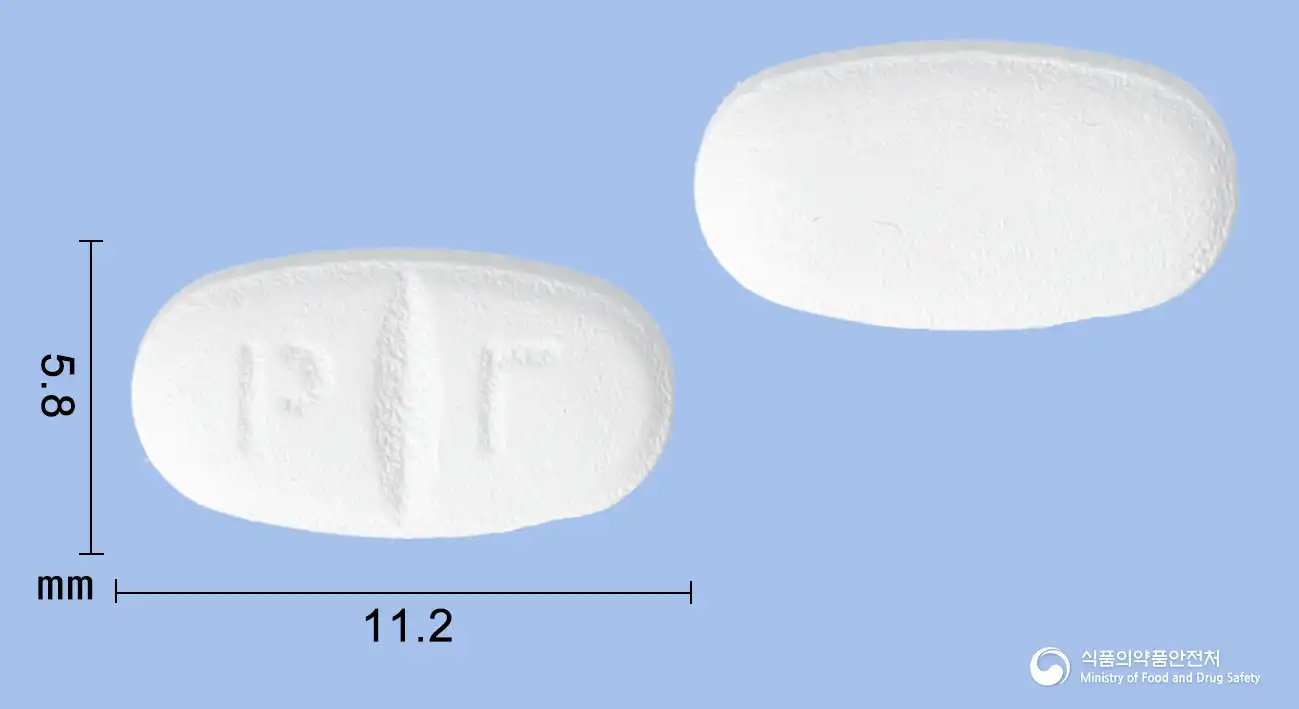 Viewing now
C2Care Tablet 50 mg (Franlucast Hydrate)
Pranlukast Hydrate 50mg
Tablet · Prescription medication
Bionex Co., Ltd.
MFDS item code 202600277 · Approved 2026.01.30
Treatment of allergic rhinitis and bronchial asthma
This medication is used for bronchial asthma and allergic rhinitis.
Adults: Administer 50 mg of pranlukast hydrate orally twice daily, after breakfast and dinner. Adjust the dose as appropriate according to symptoms.
This medicine should not be used in patients who are allergic to this drug or any of its components. Since this drug contains lactose, it should not be administered to patients with a genetic disorder that affects the digestion of lactose. There may be occurrences of shock or severe allergic reactions while taking this medication; if symptoms such as low blood pressure, altered consciousness, difficulty breathing, or skin rashes occur, the medication should be discontinued immediately, and medical assistance should be sought. Blood-related side effects may include a decrease in white blood cells or platelets, in which case the medication should be discontinued if symptoms such as fever, sore throat, fatigue, or bleeding occur. Liver function issues may arise; hence, if symptoms such as yellowing of the skin or eyes or elevated liver enzymes are observed, the medication should be stopped and appropriate treatment sought. If respiratory issues arise with symptoms like fever, cough, or shortness of breath, the medication should be discontinued, and professional treatment should be sought. Muscle-related symptoms such as muscle pain, weakness, or muscle breakdown may occur; if these symptoms develop, the medication should be stopped, and caution is advised as there is a possibility of acute kidney injury. If skin rashes, hives, or itching occur, the medication should be discontinued, and appropriate measures should be taken. This drug may affect the central nervous system, causing tremors, seizures, anxiety, headache, drowsiness, dizziness, insomnia, or sensory disturbances. Gastrointestinal issues such as nausea, abdominal pain, diarrhea, vomiting, heartburn, loss of appetite, constipation, and oral inflammation may occasionally occur. Cardiac arrhythmias, rapid heart rate, and facial flushing may also occur infrequently. There may be abnormalities in urination such as protein or blood in the urine, or urinary difficulties, so any unusual symptoms should be reported. Wide-ranging side effects have been reported, including muscle rigidity, lethargy, weight gain, tremors, hair loss, and menstrual irregularities. This drug is not an immediate relief medication for asthma attacks, so it is essential to explain this to the patient. In case of a severe asthma attack, bronchodilators or steroids should be used, as this medication alone may not be sufficient. Patients on long-term steroid treatment should adjust their dosages slowly when switching to this medication; caution is required as there is a risk of relapse when discontinuing this medication. Serious inflammatory diseases such as vasculitis may occur infrequently while using this medication; if symptoms including fever, joint pain, neurological abnormalities, or lung infiltrates occur, medical consultation should be sought immediately. Also, psychiatric symptoms such as depression, suicidal thoughts, or aggressive behavior may arise while taking this medication, requiring careful monitoring of the patient’s condition. If the effects of this medication do not appear, it should not be continued for a prolonged period. Since this drug is metabolized by specific enzymes in the liver, caution should be exercised when taking it with other medications that may affect these enzymes as the blood concentration may change. Women who are pregnant or may become pregnant should only use this medication when its benefits outweigh the risks, as safety has not been fully established. The safety of this medication has not been sufficiently confirmed in young children, newborns, or low-birth-weight infants, so it should be used cautiously. Elderly patients may have reduced body functions; therefore, it is advisable to administer a reduced dosage. This medication should be kept out of the reach of children and should not be transferred to another container, as this could cause accidents.
Not everyone experiences these, and they can vary from person to person.
This drug is sensitive to air and moisture, so it should be stored in a tightly sealed container. It is advisable to maintain storage temperatures between 1 and 30 degrees Celsius to preserve the efficacy and safety of the medication for an extended period.
White oval film-coated tablet
30 tablets/bottle, 300 tablets/bottle
Even with the same ingredient, strength, dosage form and how it is taken can differ.
Viewing nowPranlukast Hydrate 50mg
Tablet · Prescription medication
Bionex Co., Ltd.

Pranlukast Hydrate 112.5mg
Hard capsule · Prescription medication
Dong-A ST Co., Ltd.
Pranlukast Hydrate
Prescription medication
Dong-A ST Co., Ltd.

Pranlukast Hydrate 112.5mg
Hard capsule · Prescription medication
SK Chemicals Co., Ltd.
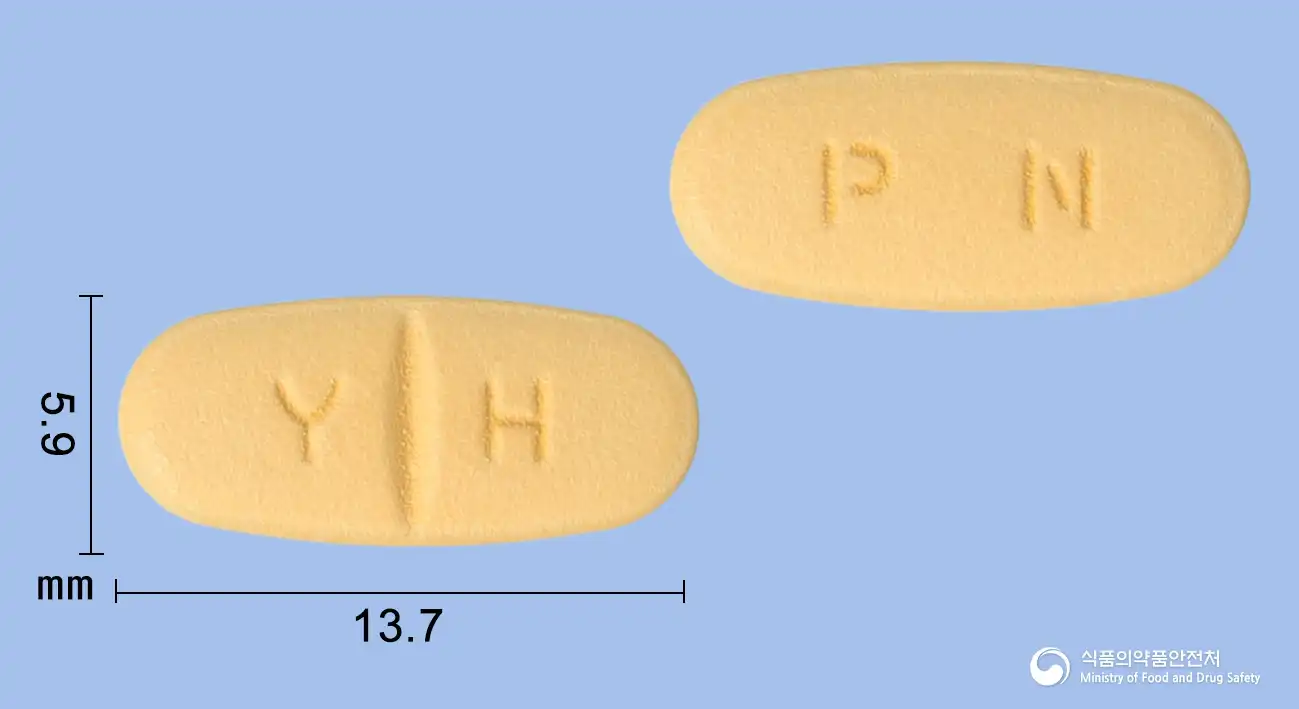
Pranlukast Hydrate 75mg
Tablet · Prescription medication
Yuhan Corporation
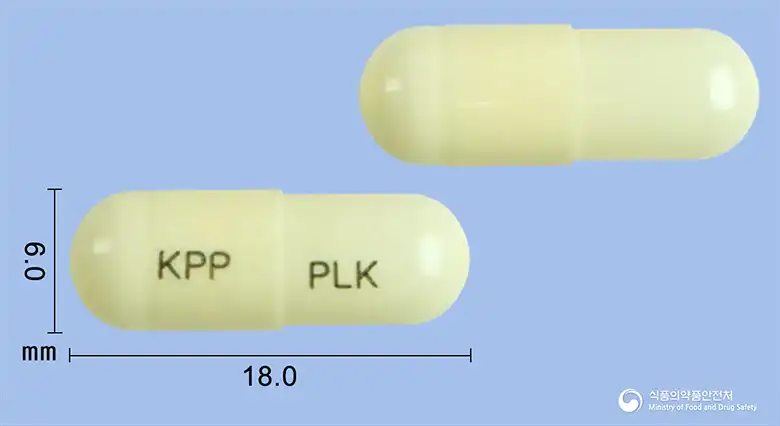
Pranlukast Hydrate 112.5mg
Hard capsule · Prescription medication
Korea Prime Pharmaceutical Co., Ltd.
Pranlukast Hydrate 10g
Syrup · Prescription medication
Sama Pharmaceutical Co., Ltd.
Pranlukast Hydrate 70mg
Prescription medication
Sama Pharmaceutical Co., Ltd.
Even with the same ingredient, the dose and directions can differ by strength and dosage form. Talk to a doctor or pharmacist before switching from a medication you are already taking.
No questions yet.
For anything that needs medical judgment, consult a doctor or pharmacist.
This drug information is based on data provided by the Korea Ministry of Food and Drug Safety.
Consult a doctor or pharmacist for accurate dosage, administration, and usage instructions.