
 한국어
한국어 English
 日本語
日本語 中文(简体)
Dosage form image
Viewing nowBoran Acetaminophen Injection
Acetaminophen 1g
Injections · Prescription medication
Boran Pharma Co., Ltd.
MFDS item code 202600267 · Approved 2026.01.29
Rapid relief treatment for moderate pain (post-surgery) and fever.
This medication is used when rapid intravenous administration is necessary due to pain or high fever, or when other routes of administration cannot be used. It effectively alleviates moderate pain for a short period after surgery and helps to quickly reduce fever. Therefore, it is suitable for managing postoperative pain or treating acute fever.
For adults weighing 50 kg or more: Administer 1000 mg of acetaminophen intravenously 4 times a day. The minimum dosing interval is over 4 hours. The maximum daily dosage should not exceed 4 grams. For children weighing 33 kg and above and adults weighing less than 50 kg: Administer approximately 15 mg/kg (1.5 ml/kg of this medication) intravenously for each dose, With a minimum dosing interval of over 4 hours.
For children weighing 33 kg (approximately 11 years old) and above: Administer approximately 15 mg/kg (1.5 ml/kg of this medication) intravenously for each dose, With a minimum dosing interval of 4 hours. The maximum daily dosage is
Care must be taken to avoid confusion between milligrams and milliliters during administration. Incorrect dosing can lead to sudden poisoning or serious side effects. Once oral administration becomes possible, appropriate analgesics should be used immediately. Ensure that other medications do not contain acetaminophen to avoid overdose. Exceeding the recommended dosage can cause severe liver damage; therefore, patients with liver dysfunction or a history of liver disease should take this medication after consulting a physician. Individuals who drink alcohol frequently each day should definitely consult a specialist before taking this medication, as the risk of liver damage may increase. This medication can rarely cause serious skin reactions; thus, if a rash or allergic symptoms occur, stop taking it immediately and inform healthcare professionals. Patients with hypersensitivity to acetaminophen or this medication, peptic ulcer patients, those with severe liver, kidney, or heart diseases, and patients with aspirin-induced asthma should not use this medication. Use with caution in patients with liver dysfunction, kidney dysfunction, peptic ulcers, blood abnormalities, bleeding tendencies, heart failure, a history of hypersensitivity, asthma, elderly patients, children, pregnant and breastfeeding women, and those taking certain medications. Adverse effects such as hypotension, liver dysfunction, decreased blood cell counts, neurological disorders, skin rashes, and other symptoms may occur, so report any unusual symptoms to healthcare professionals immediately. Interactions may occur when combined with other medications; caution is especially required when used with probenecid, salicylamide, isoniazid, carbamazepine, phenobarbital, phenytoin, warfarin, etc. While it does not affect driving or machine operation, this medication must not be mixed with other drugs. Children and elderly patients should take only the minimum required dose and be monitored closely, and if an infection is present, it is generally advisable to use with antibiotics as prescribed by a physician. During pregnancy, it should be used only after carefully evaluating the benefits and risks, and while breastfeeding, a small amount is excreted in the milk, though reports of adverse reactions are rare. In children, pharmacokinetic differences from adults necessitate careful dosage adjustments and surveillance. In elderly patients, significant pharmacokinetic changes are not expected, so no special dosage adjustments are needed. Patients with severe renal impairment should have at least a 6-hour interval between doses. In case of overdose, symptoms such as nausea, vomiting, loss of appetite, and abdominal pain may occur, and in severe cases, can result in liver damage, unconsciousness, or death, requiring immediate medical attention for detoxification. This medication should not be stored at temperatures above 30 degrees Celsius and must avoid refrigeration or freezing, check for foreign substances or discoloration before use, and it should be used only once. Any unused solution must be discarded.
Urticaria, shock, agranulocytosis, neutropenia, leukopenia, thrombocytopenia, coma, acute renal failure, acute generalized exanthematous pustulosis, toxic epidermal necrolysis, Stevens-Johnson syndrome, fulminant hepatitis, hepatic necrosis, hepatic failure, angioedema, anaphylactic shock, anaphylaxis, anaphylactic shock
Not everyone experiences these, and they can vary from person to person.
This medication should be stored in a sealed container to prevent air or moisture exposure. It is important to maintain a storage temperature between 1 degree and 30 degrees Celsius. Proper storage will help maintain the effectiveness of the medication.
A clear, pale yellow, transparent liquid in a colorless, transparent plastic container for infusion.
100 milliliters/pack, 50 milliliters/pack
Even with the same ingredient, strength, dosage form and how it is taken can differ.
Acetaminophen 1g
Injections · Prescription medication
Boran Pharma Co., Ltd.
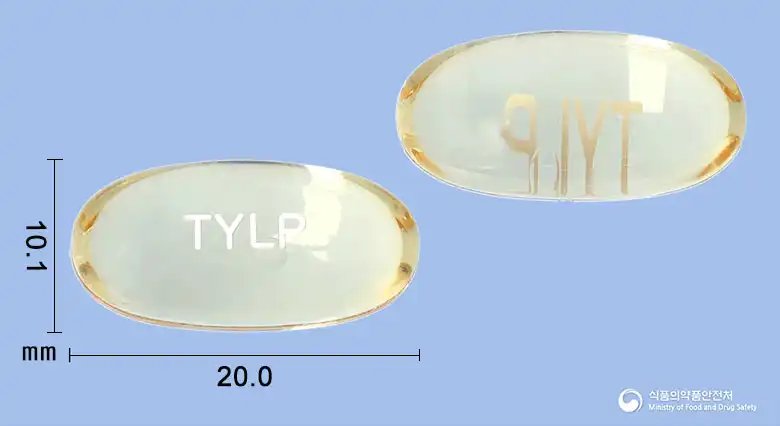
Acetaminophen 325mg
Soft capsule · OTC medication
RP Bio Co., Ltd.
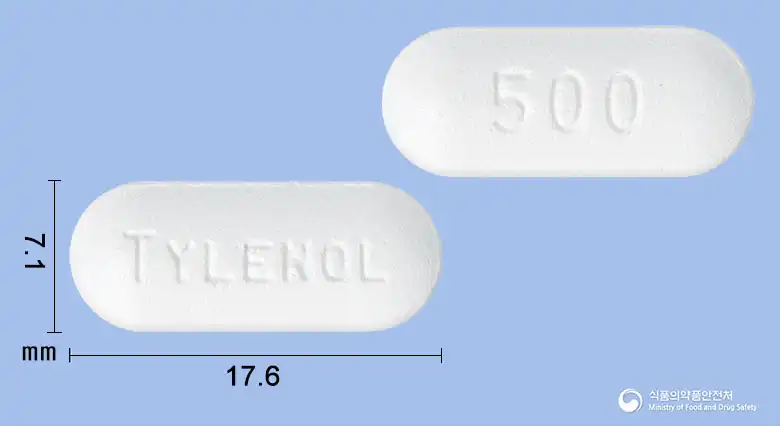
Acetaminophen 500mg
Tablet · OTC medication
Johnson & Johnson Korea, Ltd.

Acetaminophen 160mg
Tablet · OTC medication
Kolon Pharmaceutical Co., Ltd.

Acetaminophen 160mg
Tablet · OTC medication
Sama Pharmaceutical Co., Ltd.

Acetaminophen 80mg
Chewable Tablet · OTC medication
Samma Pharmaceutical Co., Ltd.
Acetaminophen 160mg
Tablet · OTC medication
Anguk Pharmaceuticals Co., Ltd.

Acetaminophen 500mg
Tablet · OTC medication
Alpha Pharmaceutical Co., Ltd.
Even with the same ingredient, the dose and directions can differ by strength and dosage form. Talk to a doctor or pharmacist before switching from a medication you are already taking.
No questions yet.
For anything that needs medical judgment, consult a doctor or pharmacist.
This drug information is based on data provided by the Korea Ministry of Food and Drug Safety.
Consult a doctor or pharmacist for accurate dosage, administration, and usage instructions.