
 한국어
한국어 English
 日本語
日本語 中文(简体)
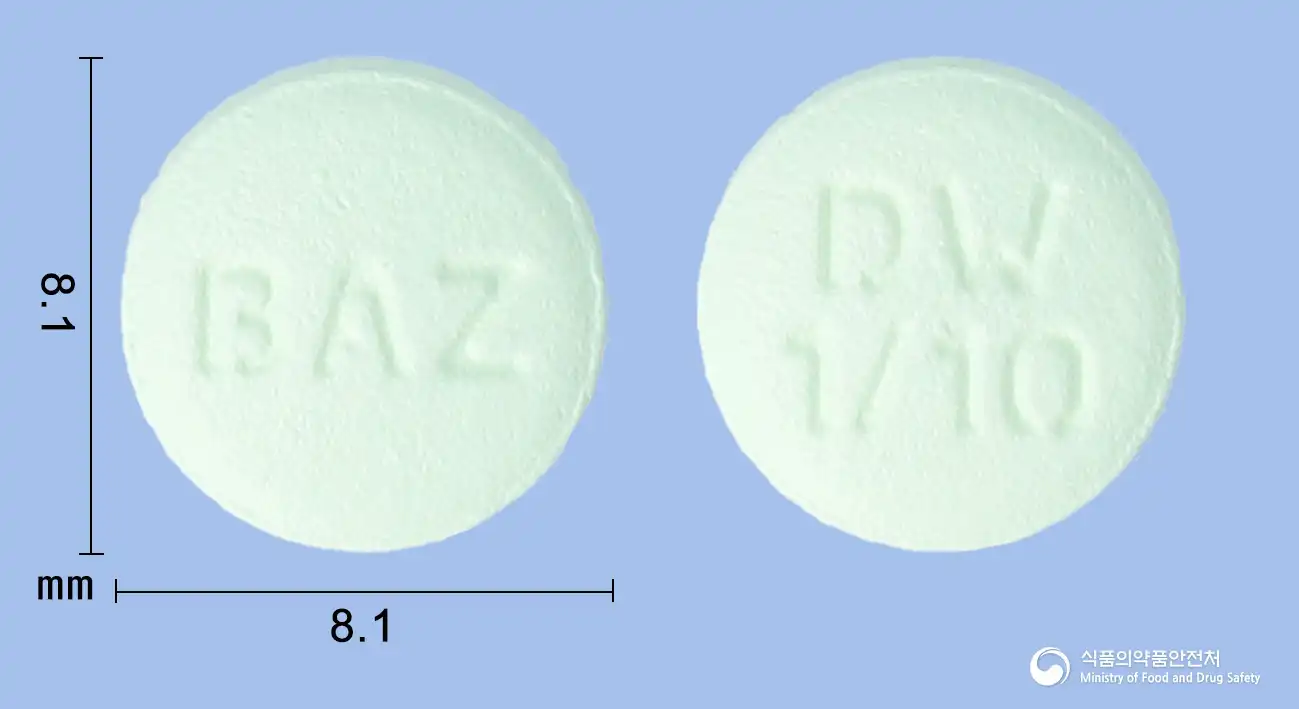 Viewing nowCombination
Baro-Ejet Tablet 1/10 mg (Pitavastatin Calcium Hydrate, Ezetimibe)
Pitavastatin Calcium Hydrate 1.102mg · Ezetimibe 10mg
Tablet · Prescription medication · Combination
Daewong Pharmaceutical Co., Ltd.
MFDS item code 202600266 · Approved 2026.01.29
Improvement of hypercholesterolemia (primary, mixed) and treatment of dyslipidemia
This medication helps reduce elevated total cholesterol, LDL cholesterol, Apo B protein, triglycerides, and non-HDL cholesterol in patients with primary hypercholesterolemia and mixed dyslipidemia. It also increases levels of HDL cholesterol, the good cholesterol, supporting cardiovascular health. This medication is used as an adjunct to diet and effectively improves blood lipid levels to enhance health.
The recommended dosage is 1 tablet of 1/10 mg taken once daily, regardless of meals.
This medication should not be used in patients with known allergies or a history of hypersensitivity to any of the components. Patients with active liver disease or who have persistently elevated liver enzyme levels without an identified cause should not take this medication. It is also not safe for patients with severe liver impairment, biliary obstruction, or cholestasis. Patients taking ciclosporin should not use this medication. It is contraindicated in patients with myopathy or suspected myopathy. Women who are pregnant or may become pregnant, as well as nursing mothers, should avoid this medication. Its safety and efficacy in children have not been established, thus it should not be used in this population. Patients with lactose intolerance or certain genetic lactose metabolic disorders should also refrain from using this medication. Patients with mild to moderate liver impairment or a history of liver disease should use this medication with caution. Caution is also advised for patients who consume alcohol excessively. Patients with renal impairment or those taking fibrate drugs or niacin should be cautious, as there is a risk of rhabdomyolysis and worsening renal function. Patients with hypothyroidism, those with genetic muscle disorders, or a history of drug-induced muscle injury should be administered this medication with care. Elderly patients may be at a higher risk for side effects, so caution is warranted. Patients with severe myasthenia gravis or ocular myasthenia should also exercise caution when using this medication. This medication may cause various adverse reactions such as muscle pain, abdominal pain, rash, and itching, particularly muscle-related adverse reactions like rhabdomyolysis or myopathy; immediate consultation with a doctor is recommended if muscle pain or weakness occurs. Liver function abnormalities may also present, requiring regular liver function tests. Rarely, thrombocytopenia or hypersensitivity reactions may occur. Neurological symptoms may include drowsiness, insomnia, and headache. Gastrointestinal symptoms such as nausea, vomiting, and diarrhea have been reported. This medication is used for the treatment of hypercholesterolemia, and it is important to confirm the diagnosis of hypercholesterolemia through adequate testing before administration. Non-drug therapies such as dietary regulation and exercise should be undertaken, and the treatment can be discontinued if no therapeutic effect is observed. Due to the risk of myopathy and rhabdomyolysis, it is advisable to perform a creatine phosphokinase test before administration, and if symptoms such as muscle pain, tenderness, or weakness occur, treatment should be stopped immediately, and medical advice should be sought. Liver function tests should be performed regularly before and during treatment to check if liver enzyme levels are elevated. Rare respiratory adverse effects such as interstitial lung disease may also occur, hence consulting a doctor if symptoms like shortness of breath or coughing are present. This medication may increase the risk of diabetes, but due to its greater preventive effect against vascular disease, it is recommended not to discontinue treatment. There may be drug interactions, so it is essential to inform the doctor if taking other drugs, particularly ciclosporin, fibrate medications, niacin, or anticoagulants, and to closely observe symptoms and blood test results during treatment with this medication. Pregnant women, those who may become pregnant, and nursing mothers should not take this medication, and if taken during pregnancy, it should be stopped immediately, and a doctor consulted. Its safety and efficacy in children have not been proven, thus it is not used in this group. Elderly patients may experience adverse reactions due to decreased physiological function, so dosage adjustments may be necessary if symptoms arise. Patients with renal impairment should also be careful with treatment, closely monitoring for muscle symptoms due to the risk of rhabdomyolysis. In case of overdose, there is no specific antidote, so symptomatic treatment and supportive care should be implemented, monitoring liver function tests and serum creatine phosphokinase levels.
Hives, angioedema, liver dysfunction, jaundice, severe skin adverse reactions (including Stevens-Johnson syndrome, toxic epidermal necrolysis, erythema multiforme), severe allergic reactions, rhabdomyolysis, acute renal failure, myopathy, rapid deterioration of kidney function, thrombocytopenia, severe edema, hypertension, anaphylaxis, drug-induced liver injury, hepatitis, cholelithiasis, cholecystitis, severe myasthenia gravis, ocular myasthenia, severe respiratory
Not everyone experiences these, and they can vary from person to person.
This medication must be stored in a tightly closed container to protect it from air and moisture exposure. It is important to maintain a storage temperature between 1 to 30 degrees Celsius. This ensures the medication's effectiveness and prevents degradation.
Pale green round film-coated tablet
30 tablets/bottle
Even with the same ingredient, strength, dosage form and how it is taken can differ.
Viewing nowCombinationPitavastatin Calcium Hydrate 1.102mg · Ezetimibe 10mg
Tablet · Prescription medication · Combination
Daewong Pharmaceutical Co., Ltd.
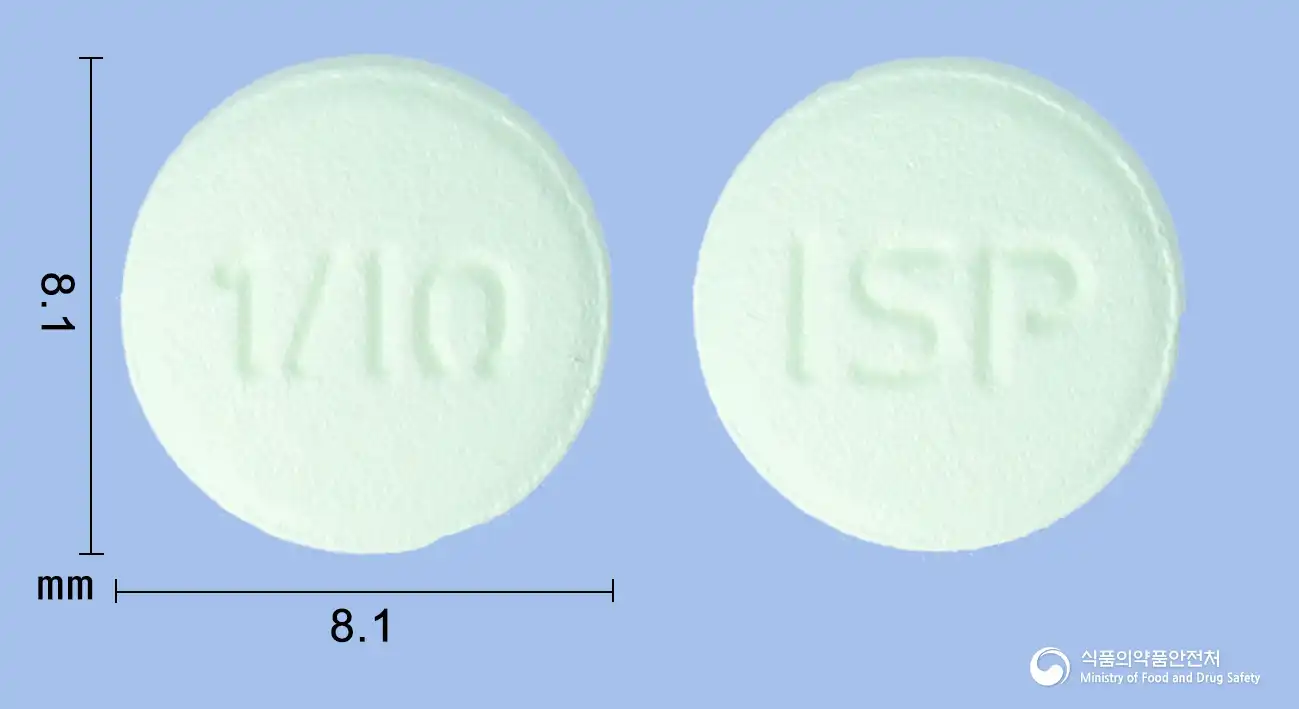 Combination
Pitavastatin Calcium Hydrate 1.102mg · Ezetimibe 10mg
Tablet · Prescription medication · Combination
Ilseong IS Co., Ltd.
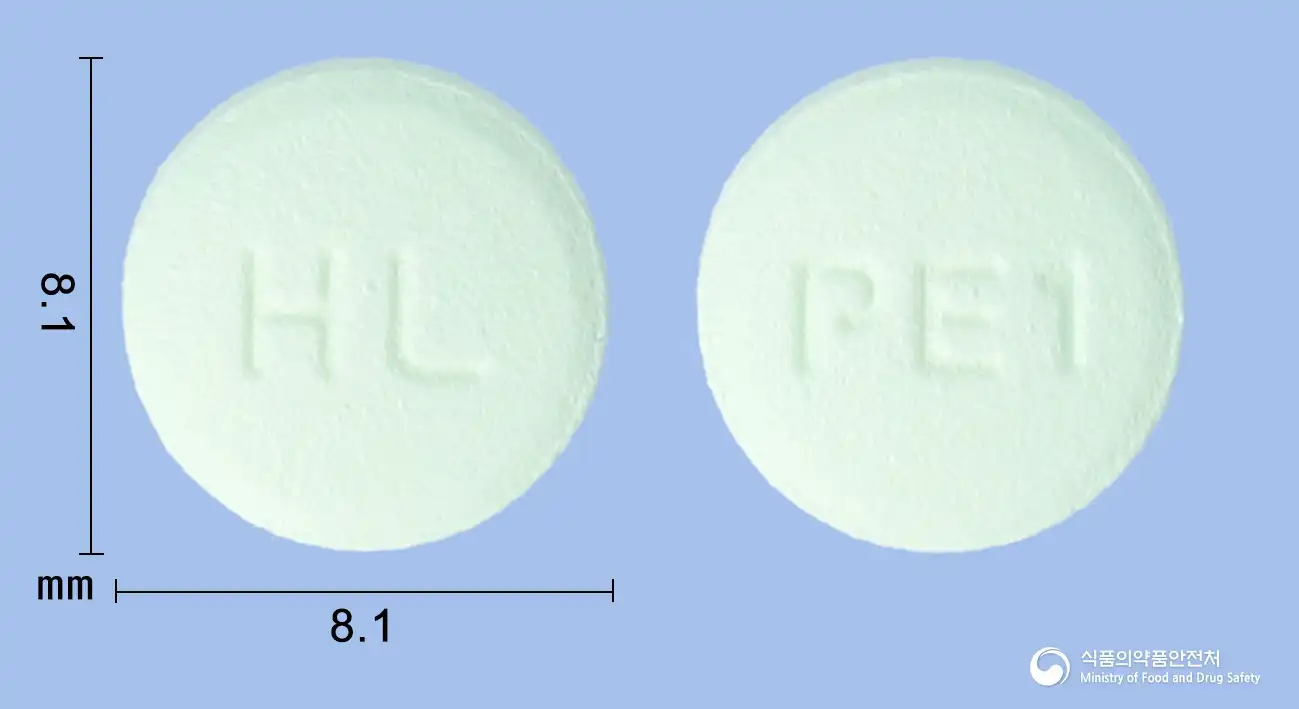 Combination
Pitavastatin Calcium Hydrate 1.102mg · Ezetimibe 10mg
Tablet · Prescription medication · Combination
Hallym Pharmaceutical Co., Ltd.
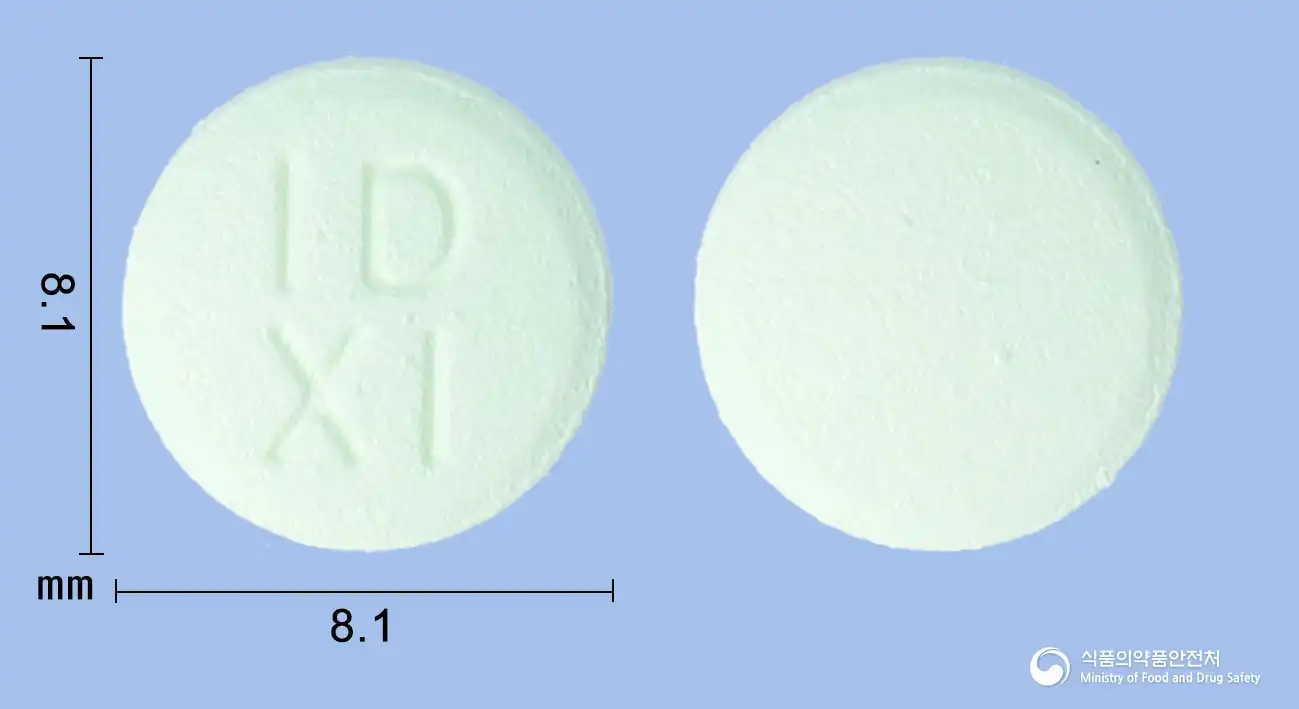 Combination
Pitavastatin Calcium Hydrate 1.102mg · Ezetimibe 10mg
Tablet · Prescription medication · Combination
Ildong Pharmaceutical Co., Ltd.
Even with the same ingredient, the dose and directions can differ by strength and dosage form. Talk to a doctor or pharmacist before switching from a medication you are already taking.
No questions yet.
For anything that needs medical judgment, consult a doctor or pharmacist.
This drug information is based on data provided by the Korea Ministry of Food and Drug Safety.
Consult a doctor or pharmacist for accurate dosage, administration, and usage instructions.