
 한국어
 English
 日本語
 中文(简体)
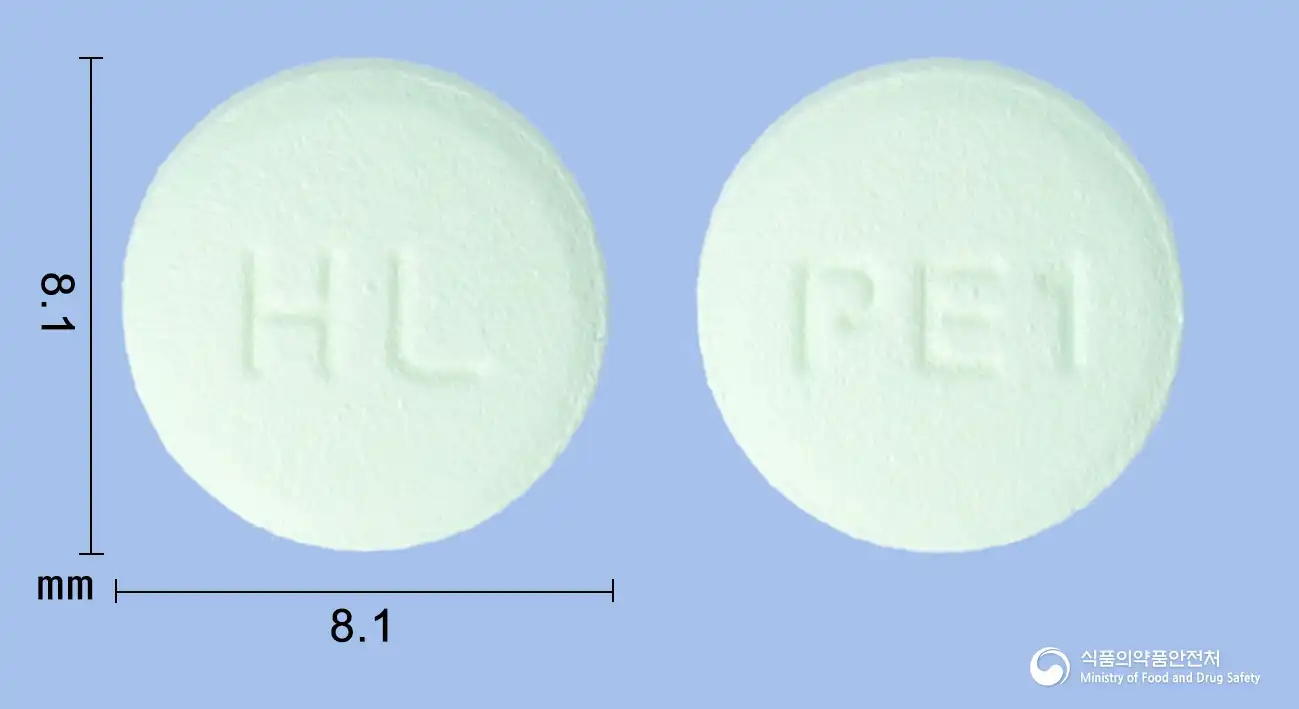 Viewing nowCombination
Stajet Tablet 1/10 mg (Pitavastatin Calcium Hydrate, Ezetimibe)
Pitavastatin Calcium Hydrate 1.102mg · Ezetimibe 10mg
Tablet · Prescription medication · Combination
Hallym Pharmaceutical Co., Ltd.
MFDS item code 202600264 · Approved 2026.01.29
Improvement of primary hypercholesterolemia and mixed dyslipidemia
This medication is used for patients with primary hypercholesterolemia, including familial or non-familial hypercholesterolemia and mixed dyslipidemia. It helps lower total cholesterol, LDL-cholesterol, apo B protein, triglycerides, and non-HDL cholesterol levels while increasing HDL cholesterol levels, which is the good cholesterol. It is also effective in improving blood lipid balance when used alongside dietary therapy. This medication contributes to controlling blood cholesterol levels, thereby reducing the risk of cardiovascular diseases. Therefore, it is an important adjunctive treatment for patients with dyslipidemia.
Administer 1/10 mg once daily, regardless of meals. Patients must continue to follow a standard cholesterol-lowering diet before and during treatment with this medicine. Patients taking pitavastatin calcium and ezetimibe concomitantly may switch to this medicine (a combination product containing the same amount of each active ingredient) for convenience. Administration of this medicine (pitavastatin calcium/ezetimibe combination) is not recommended in patients with moderate hepatic impairment. Do not administer this medicine (pitavastatin calcium/ezetimibe combination) to patients with severe hepatic impairment.
This medication should not be used by patients with allergies to specific components or those who have experienced hypersensitivity reactions. It should also be avoided by patients with active liver disease or persistent unexplained elevations in liver enzyme levels. It is not suitable for patients with severe liver impairment, bile duct obstruction, or cholestasis. Patients taking cyclosporine or suffering from myopathy should not use this medication. It is not administered to pregnant women, those who may become pregnant, breastfeeding women, or children, as safety has not been established for these groups. Patients with lactose intolerance or specific genetic metabolic disorders should not take this medication. Patients with compromised liver function or excessive alcohol consumption should use this medication cautiously, and should have regular liver and kidney function tests. Caution is also required in patients with kidney problems or those combining it with certain lipid-lowering drugs, as the risk of muscle damage may increase. Careful observation is necessary for the elderly, patients with hypothyroidism, and those with a history of muscle disease during administration. This medication may cause various side effects such as muscle pain, liver dysfunction, gastrointestinal symptoms, and skin rashes, so any abnormal symptoms should be reported to medical personnel immediately. If muscle-related symptoms, especially muscle pain or weakness, occur, administration should be stopped immediately and a doctor should be consulted. Liver function tests should be conducted regularly before and during administration to detect liver damage early. This medication may interact with other drugs; therefore, if there are other medications being taken, it is essential to inform the healthcare provider. Particularly, caution is needed when used in combination with cyclosporine, fibric acid derivatives, niacin, or certain antibiotics due to increased risk of side effects. Pregnant or breastfeeding women should not take this medication, and those planning to become pregnant should consult before administration. This medication is not used in children as its safety and efficacy have not been confirmed. There is no specific antidote for overdose, so receiving treatment and supportive therapy according to symptoms is crucial. This medication should be kept out of reach of children and stored in its original packaging to protect its quality.
Urticaria, rash, abdominal pain, chest pain, myalgia, abnormal subjective symptoms (abdominal pain, rash, fatigue, paralysis, itching), elevated γ-GT, elevated plasma creatine phosphokinase levels, elevated serum ALT, elevated serum AST, headache, myalgia, weakness, jaundice, thrombocytopenia, hives, erythema, angioedema, elevated bilirubin, elevated cholinesterase, rigidity, drowsiness, insomnia, heaviness of the head, paralysis, dizziness, dry mouth, dyspepsia, abdominal distension, constipation, stomatitis, vomiting, anorexia, glossitis, nausea, gastric discomfort, diarrhea, hypersensitivity, headache, dizziness, skin tingling, insomnia, sleep disturbances, loss of appetite, elevated blood pressure, discomfort in the chest, asthenia, itching, hives, thrombocytopenia, polyuria, elevated BUN, elevated serum creatinine, decreased aldosterone, increased aldosterone, increased adrenal corticotropic hormone, increased cortisol, decreased testosterone, muscle cramps, elevated myoglobin, palpitations, fatigue, skin pain, burning sensation, arthralgia, edema, blurred vision, photophobia, hearing loss, hematuria, elevated uric acid levels, elevated serum potassium and phosphorus, taste disorder, colored urine, fatigue, positive antinuclear antibody, hair loss, sleep disturbances, memory loss, depression, interstitial lung disease, sexual dysfunction, diabetes, immune-mediated necrotizing myopathy, severe muscle weakness, ocular myasthenia, facial edema, edema, arm swelling, upper respiratory tract infection, pharyngitis, sinusitis, cough, anaphylaxis, erythema multiforme, elevated creatine phosphokinase levels, hepatitis, pancreatitis, sensory disturbances, depression, cholelithiasis, cholecystitis, Stevens-Johnson syndrome, toxic epidermal necrolysis, eosinophilia, drug reaction with systemic symptoms, erythema multiforme, drug-induced liver injury, chest pain, chest discomfort, systemic edema, diabetic neuropathy, tremors, epigastric pain, vomiting, gastritis, epigastric discomfort, belching, gastrointestinal disturbances, gastroesophageal reflux disease, tongue disorders, palpitations, congestive heart failure, myocardial ischemia, flushing, sputum, runny nose, limb pain, anemia, splenomegaly, hyperhidrosis, conjunctival injection, renal failure, abnormal liver function, increased serum creatinine, increased blood urea nitrogen, abnormal liver function tests
Not everyone experiences these, and they can vary from person to person.
This medication should be stored in a tightly sealed container to protect it from air and moisture. It is best kept at room temperature between 1 to 30 degrees Celsius. Avoid excessively hot or cold places, and keep it in a cool place away from direct sunlight.
Pale green round film-coated tablet
30 tablets per bottle
Even with the same ingredient, strength, dosage form and how it is taken can differ.
Viewing nowCombinationPitavastatin Calcium Hydrate 1.102mg · Ezetimibe 10mg
Tablet · Prescription medication · Combination
Hallym Pharmaceutical Co., Ltd.
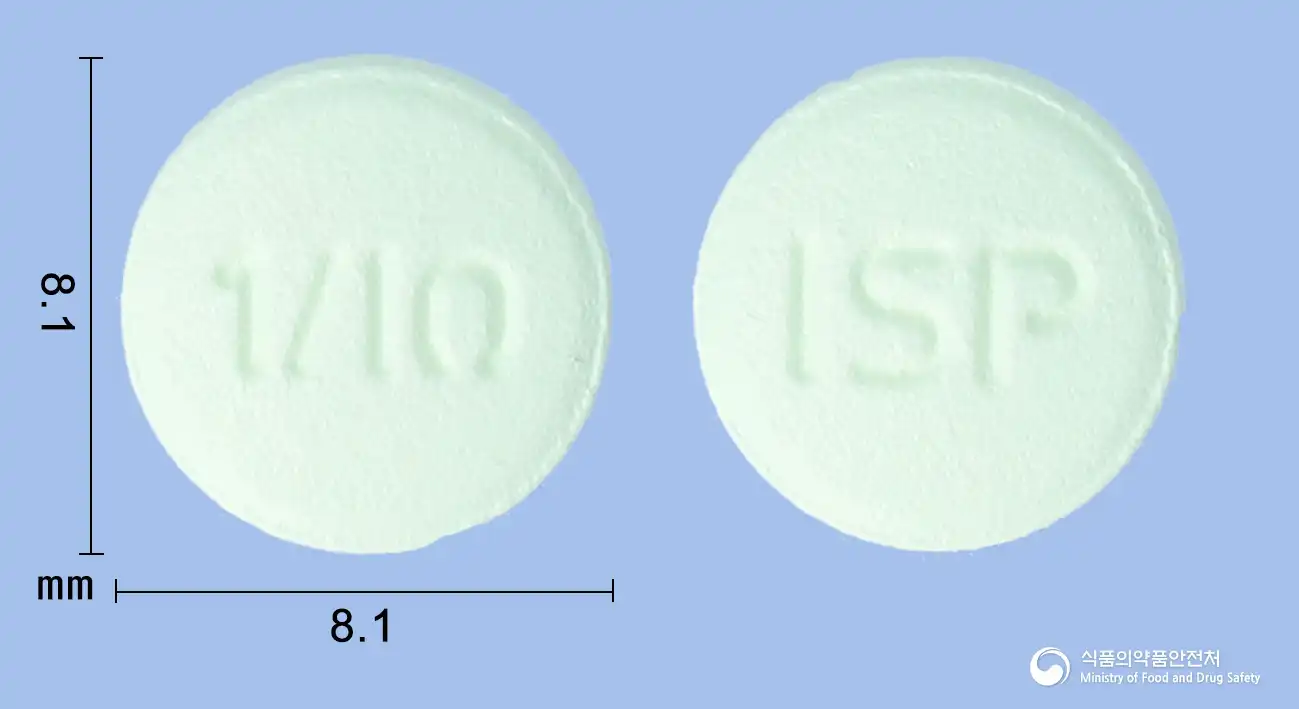 Combination
Pitavastatin Calcium Hydrate 1.102mg · Ezetimibe 10mg
Tablet · Prescription medication · Combination
Ilseong IS Co., Ltd.
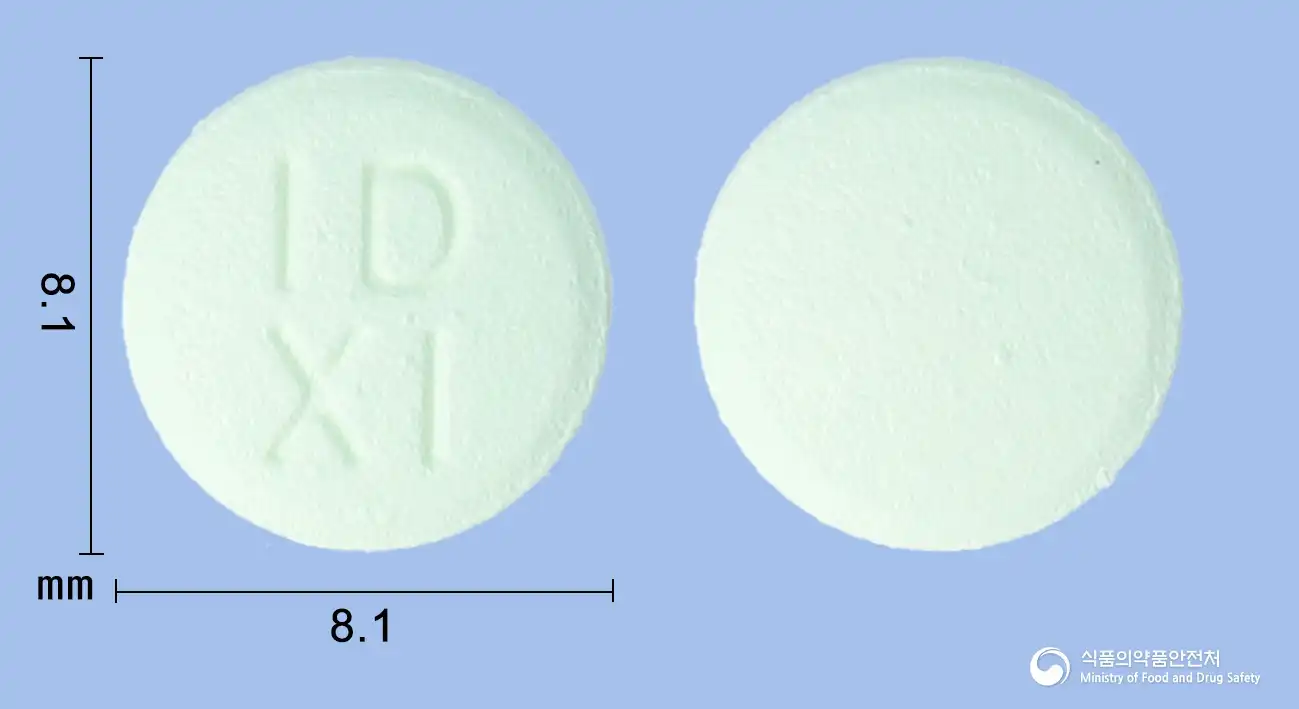 Combination
Pitavastatin Calcium Hydrate 1.102mg · Ezetimibe 10mg
Tablet · Prescription medication · Combination
Ildong Pharmaceutical Co., Ltd.
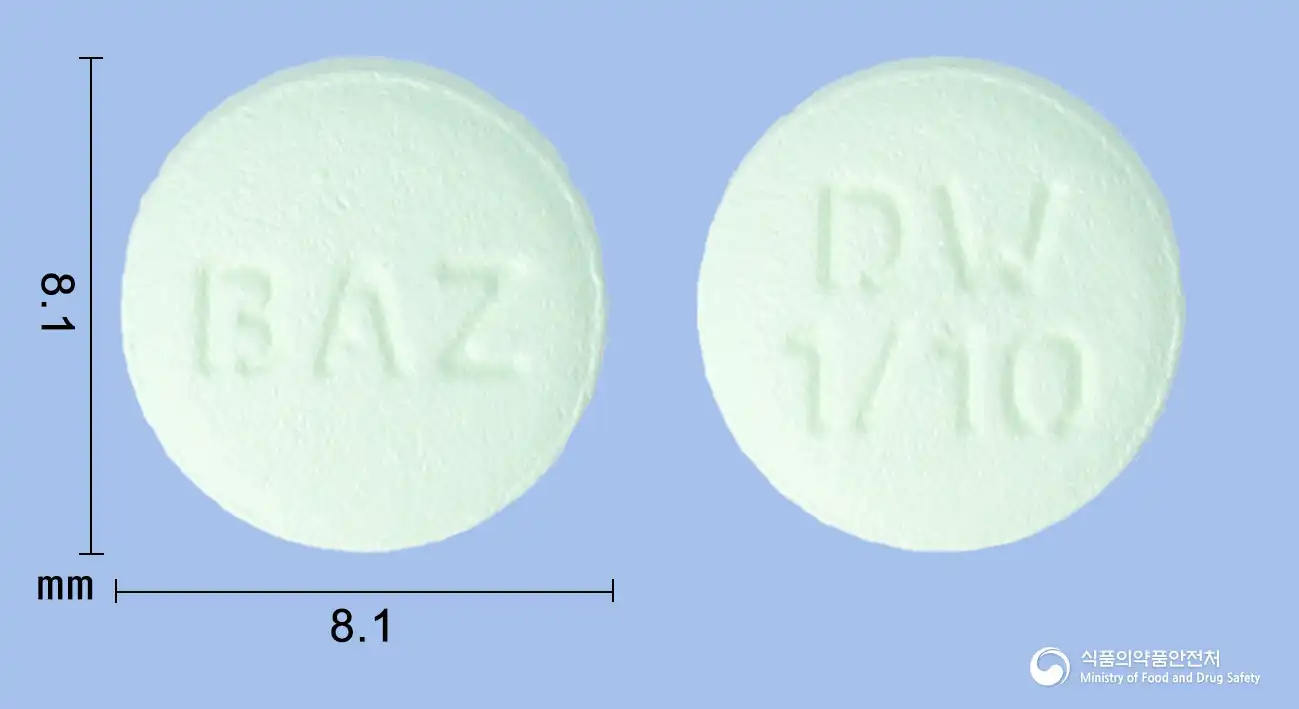 Combination
Pitavastatin Calcium Hydrate 1.102mg · Ezetimibe 10mg
Tablet · Prescription medication · Combination
Daewong Pharmaceutical Co., Ltd.
Even with the same ingredient, the dose and directions can differ by strength and dosage form. Talk to a doctor or pharmacist before switching from a medication you are already taking.
No questions yet.
For anything that needs medical judgment, consult a doctor or pharmacist.
This drug information is based on data provided by the Korea Ministry of Food and Drug Safety.
Consult a doctor or pharmacist for accurate dosage, administration, and usage instructions.