
 한국어
한국어 English
 日本語
日本語 中文(简体)
Dosage form image
Viewing nowCombinationComip Syrup
Chlorpheniramine Maleate 20mg · Pseudoephedrine Hydrochloride 300mg
Syrup · OTC medication · Combination
Kolon Pharmaceutical Co., Ltd.
MFDS item code 202600229 · Notified 2026.01.27
Temporary relief of allergy symptoms such as itchy eyes and nasal congestion.
This medication is used to temporarily relieve symptoms such as itchy eyes, tearing, runny nose, itching of the nose and throat, sneezing, nasal congestion, and sinus congestion.
For those aged 12 and above, take 20 mL (4 teaspoons) every 4-6 hours, not to exceed 4 doses in 24 hours.
For children aged 2-6 years, take 5 mL (1 teaspoon) every 4-6 hours, not to exceed 4 doses in 24 hours. For children aged 6-12 years, take 10 mL (2 teaspoons) every 4-6 hours, not to exceed 4 doses in 24 hours.
This medication contains pseudoephedrine, which may rarely cause serious skin reactions such as acute generalized exanthematous pustulosis. If symptoms such as fever, red spots on the skin, or numerous small blisters appear, stop taking this medication immediately and consult a physician or pharmacist. This medication should not be taken with certain antidepressants or Parkinson's disease medications known as monoamine oxidase inhibitors. If you are unsure whether your current medication contains this ingredient, consult with a physician or pharmacist before taking this medication. Additionally, individuals with severe hypertension or severe kidney disease should not use this medication. Those with heart disease, high blood pressure, thyroid issues, diabetes, glaucoma, asthma, or chronic bronchitis should consult a healthcare professional before taking this medication. Caution is also needed for individuals taking sedatives or tranquilizers. This medication should not exceed the prescribed dosage, as it may cause agitation, especially in children. Drowsiness may be increased upon taking, so caution is advised when driving or operating machinery. If anxiety, dizziness, or insomnia occur, it is recommended to stop taking the medication immediately and consult a specialist. If severe rashes or blisters develop on the skin or symptoms of fever occur, stop taking the medication immediately and seek medical attention. If symptoms persist for more than 7 days or if fever occurs, discontinue use and consult healthcare personnel. If sore throat persists for more than 2 days or headaches, fever, rashes, nausea, or vomiting occur, also discontinue use. If sudden abdominal pain or rectal bleeding related to pseudoephedrine occurs, stop the medication immediately. Additionally, if symptoms such as severe headache, confusion, seizures, or visual disturbances occur, discontinue use immediately and seek emergency treatment. In cases of overdose, seek help from a physician or pharmacist even if no symptoms are observed. This medication should not be administered to children under the age of 2, and should only be used after consulting a physician if necessary. This medication should be kept in a safe place out of the reach of children, and it is safest to keep it in the original container. Transferring to another container may lead to incorrect usage or deterioration in quality.
Acute generalized exanthematous pustulosis (AGEP), severe skin adverse reactions, reversible posterior leukoencephalopathy syndrome, reversible cerebral vasoconstriction syndrome, sudden and severe headaches, thunderclap headaches, seizures, confusion, visual disturbances
Fever, erythema, multiple small pustules, agitation, significant drowsiness, anxiety, dizziness, insomnia, sore throat persisting for more than 2 days, headaches, nausea, vomiting, sudden abdominal pain, rectal bleeding, confusion, visual disturbances
Not everyone experiences these, and they can vary from person to person.
This medication is sensitive to light, so it should be stored in a light-blocking container, and it is best stored at room temperature between 1 and 30 degrees Celsius. Proper storage will maintain the medication's efficacy and prevent degradation.
A syrup with a fragrant sweetness, red to reddish-orange, contained in a brown plastic bottle.
500 milliliters/bottle
Even with the same ingredient, strength, dosage form and how it is taken can differ.
Chlorpheniramine Maleate 20mg · Pseudoephedrine Hydrochloride 300mg
Syrup · OTC medication · Combination
Kolon Pharmaceutical Co., Ltd.
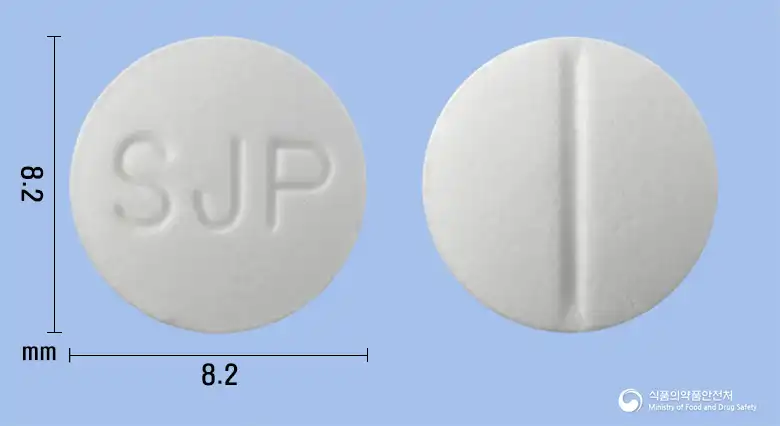 Combination
Pseudoephedrine Hydrochloride 25mg · Chlorpheniramine Maleate 4mg
Tablet · OTC medication · Combination
Samjin Pharmaceutical Co., Ltd.
Chlorpheniramine Maleate 20mg · Pseudoephedrine Hydrochloride 300mg
Syrup · OTC medication · Combination
Green Cross Corporation
Chlorpheniramine Maleate 0.02g · Pseudoephedrine Hydrochloride 0.3g
Syrup · OTC medication · Combination
Dong-A Pharmaceutical Co., Ltd.
Chlorpheniramine Maleate 1mg · Pseudoephedrine Hydrochloride 15mg
Syrup · OTC medication · Combination
Daewon Pharmaceutical Co., Ltd.
Pseudoephedrine Hydrochloride 300mg · Chlorpheniramine Maleate 20mg
Syrup · OTC medication · Combination
IlDong Pharmaceutical Co., Ltd.
Chlorpheniramine Maleate 20mg · Pseudoephedrine Hydrochloride 300mg
Syrup · OTC medication · Combination
Jongkundang Co., Ltd.
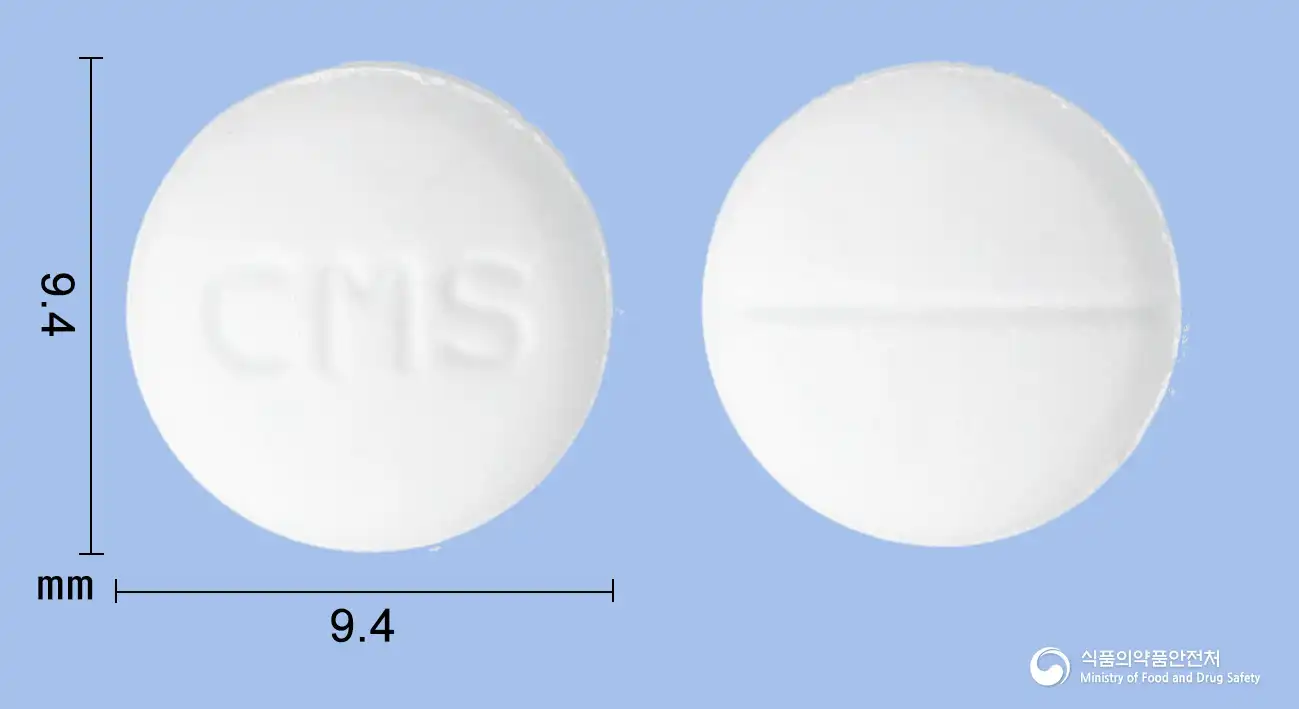 Combination
Pseudoephedrine Hydrochloride 60mg · Chlorpheniramine Maleate 4mg
Tablet · OTC medication · Combination
Youngjin Pharmaceutical Co., Ltd.
Even with the same ingredient, the dose and directions can differ by strength and dosage form. Talk to a doctor or pharmacist before switching from a medication you are already taking.
No questions yet.
For anything that needs medical judgment, consult a doctor or pharmacist.
This drug information is based on data provided by the Korea Ministry of Food and Drug Safety.
Consult a doctor or pharmacist for accurate dosage, administration, and usage instructions.