
 한국어
 English
 日本語
 中文(简体)
Dosage form image
Viewing nowCombinationTwinklelo Tablets 80/5/25 Milligrams (Telmisartan, Amlodipine, Chlorthalidone)
Telmisartan 80mg · Chlorthalidone 25mg +1 more
Prescription medication · Combination
Daewon Pharmaceutical Co., Ltd.
MFDS item code 202600170 · Approved 2026.01.20
Treatment of essential hypertension
For patients with essential hypertension whose blood pressure is not sufficiently controlled even with combination therapy of telmisartan and amlodipine, additional treatment or management may be necessary. These medications help lower blood pressure, reduce the burden on the heart and blood vessels, and decrease the risk of complications. Managing blood pressure is crucial as it can prevent serious health issues such as stroke and myocardial infarction. Therefore, consistent treatment and lifestyle improvements are essential, and it is important to consult a doctor to develop an appropriate treatment strategy. This medication is used to effectively treat essential hypertension.
Take 1 tablet once daily with water, regardless of meals. If possible, it is recommended to take it at the same time each day (e.g., in the morning). Before administering this medicine, it is recommended that the dose be adjusted using the individual ingredients (telmisartan and amlodipine as monotherapy or combination therapy). This medicine 40/5/12.5 mg may be administered to patients whose blood pressure is not controlled with telmisartan/amlodipine combination therapy. Adjust the dose at intervals of at least 2 weeks, taking the patient's blood pressure response into consideration. The maximum dose of this medicine is 80/5/25 mg. For patients taking a telmisartan/amlodipine combination product together with chlorthalidone alone, they may switch to this medicine (a combination product containing the same amounts of each active ingredient) for convenience.
This medication may pose serious risks to the fetus and newborn during pregnancy, particularly during the second and third trimesters, so it should not be used by women who are pregnant or may become pregnant. Patients with impaired liver function or progressive liver disease should exercise caution when taking this drug due to the potential for serious side effects such as hepatic coma. Patients with severe kidney disease may experience elevated blood urea nitrogen levels due to some components of this medication, such as the diuretic, and are at risk for drug accumulation, so careful administration is required. It is advised to avoid use if there is hypersensitivity to any of the ingredients, or if there are specific heart diseases, biliary obstructive diseases, severe liver disorders, or if breastfeeding. Among hypertension patients, certain kidney diseases, hypotension, heart failure, and diabetes patients require special caution when using this medication and should follow their doctor's instructions. Since this medication lowers blood pressure, dizziness or hypotensive symptoms may occur at the beginning of therapy; thus, caution is advised during driving or operating machinery. Electrolyte levels in the blood, especially potassium and sodium, should be monitored regularly during treatment to check for abnormalities. Interactions may occur when taken with other drugs, particularly with lithium, digoxin, non-steroidal anti-inflammatory drugs (NSAIDs), and simvastatin, so consultation with healthcare professionals is necessary when taking these medications together. Elderly patients may have reduced metabolic capacity for this drug; therefore, starting at a lower dose and gradually increasing it while paying special attention to dehydration and hypotension is recommended. In case of overdose, symptoms such as hypotension, arrhythmias, and renal dysfunction may occur, and immediate medical attention should be sought for appropriate treatment. This medication should be stored in a light-protective, tightly closed container, away from moisture, in a cool place, and should be kept away from the reach of children.
Not everyone experiences these, and they can vary from person to person.
This medication should be stored in a light-protective, tightly sealed container and kept at room temperature between 1 and 30 degrees Celsius. Proper storage helps maintain the efficacy of the medication for an extended period.
White oval biconvex tablet
30 tablets/box[(6 tablets/PTP*5)]
Even with the same ingredient, strength, dosage form and how it is taken can differ.
Telmisartan 80mg · Chlorthalidone 25mg +1 more
Prescription medication · Combination
Daewon Pharmaceutical Co., Ltd.
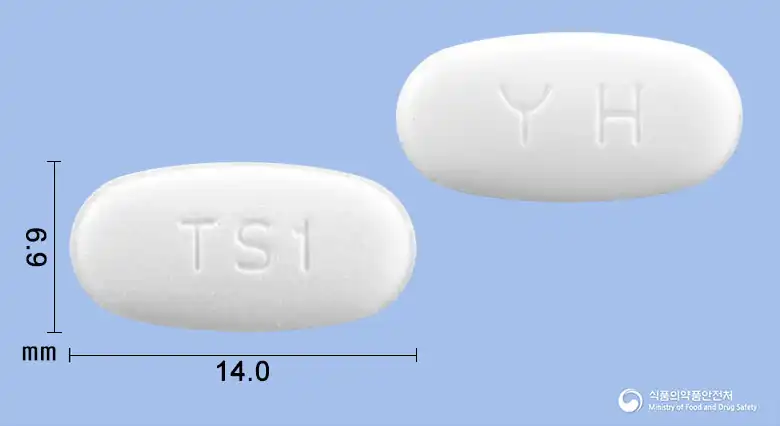 Combination
Telmisartan 40mg · Amlodipine Besylate 6.935mg +1 more
Prescription medication · Combination
Yuhan Corporation
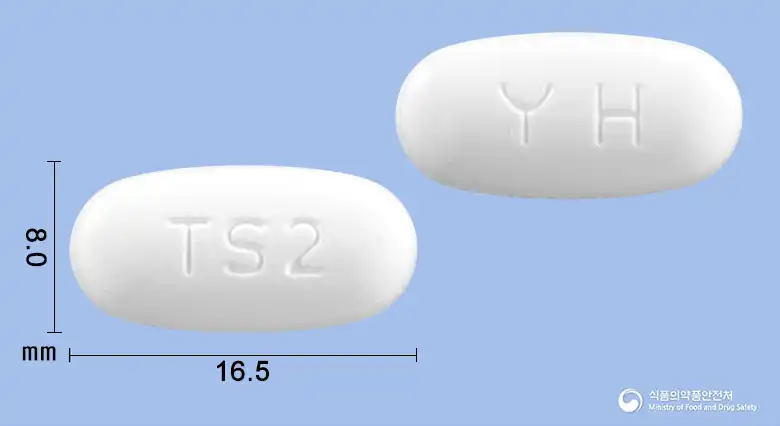 Combination
Telmisartan 80mg · Amlodipine Besylate 6.935mg +1 more
Prescription medication · Combination
Yuhan Corporation
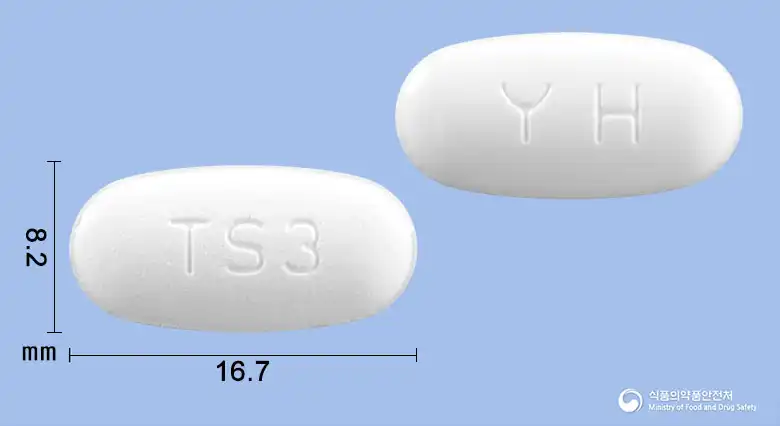 Combination
Telmisartan 80mg · Amlodipine Besylate 6.935mg +1 more
Prescription medication · Combination
Yuhan Corporation
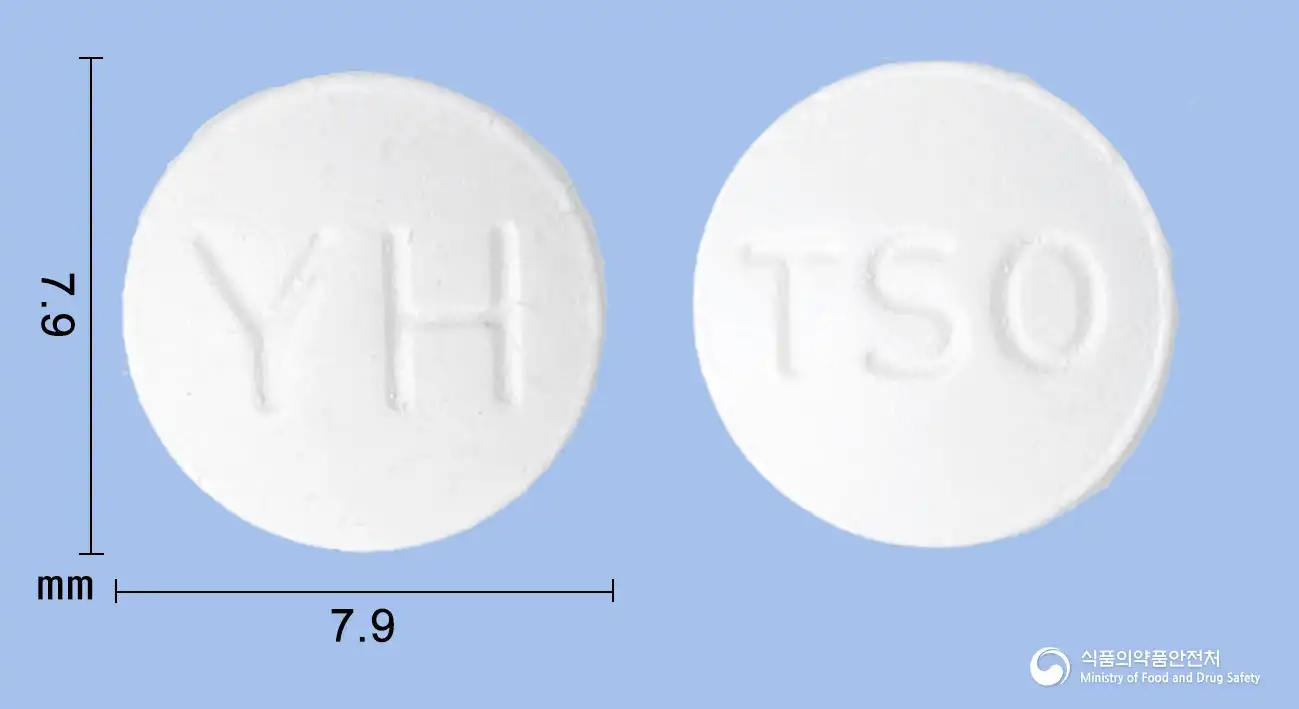 Combination
Telmisartan 20mg · Chlorthalidone 6.25mg +1 more
Tablet · Prescription medication · Combination
Yuhan Corporation
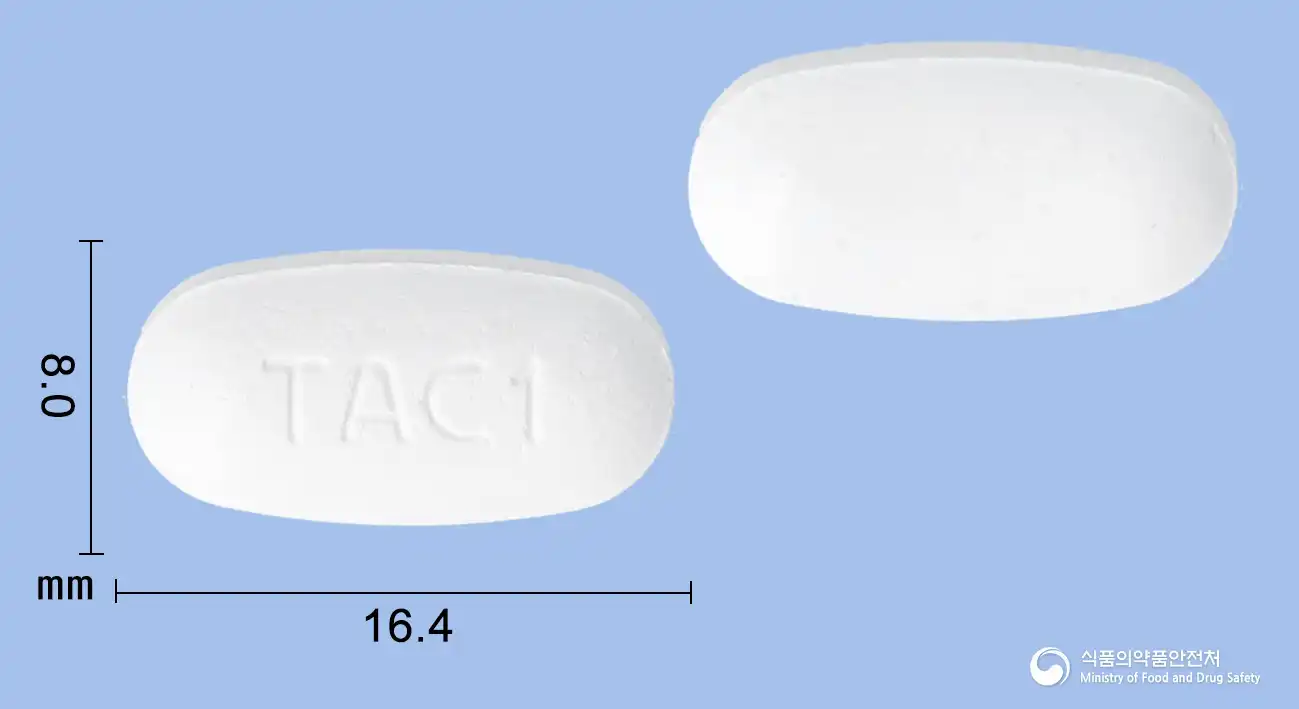 Combination
Telmisartan 80mg · Chlorthalidone 25mg +1 more
Prescription medication · Combination
Genupharm Co., Ltd.
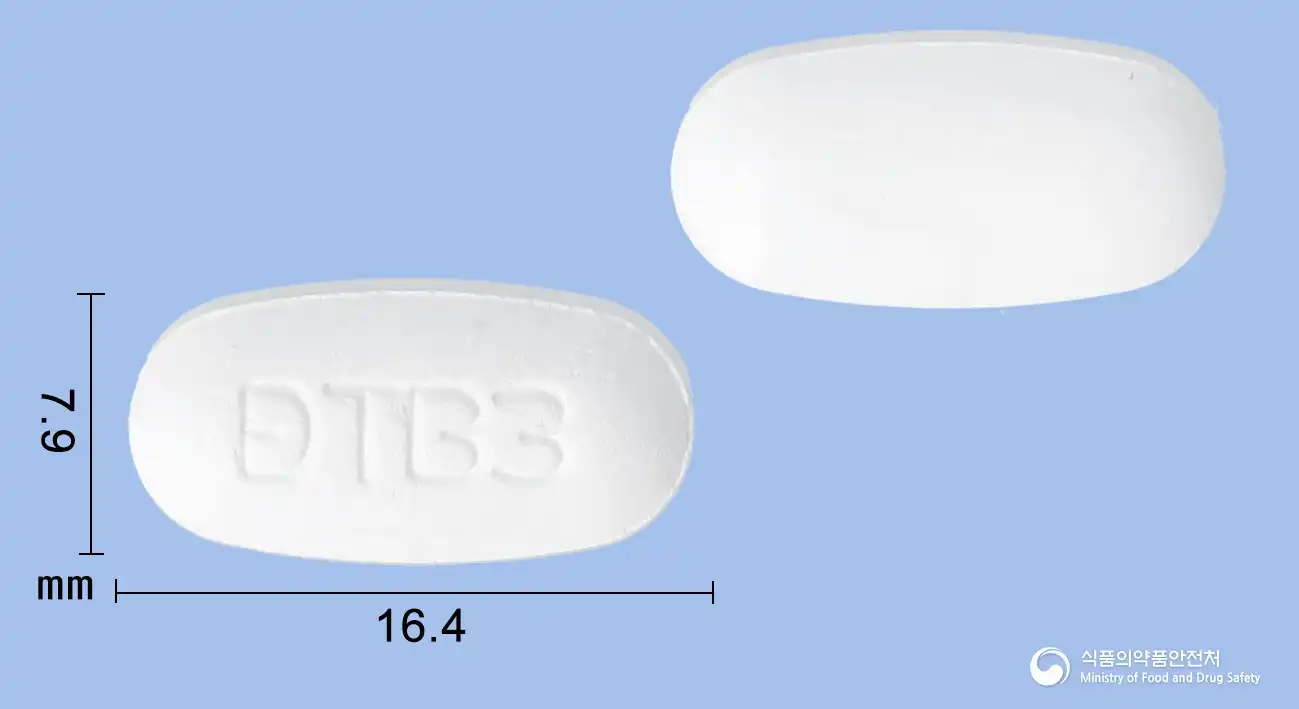 Combination
Telmisartan 80mg · Chlorthalidone 25mg +1 more
Prescription medication · Combination
Daewoong Bio Co., Ltd.
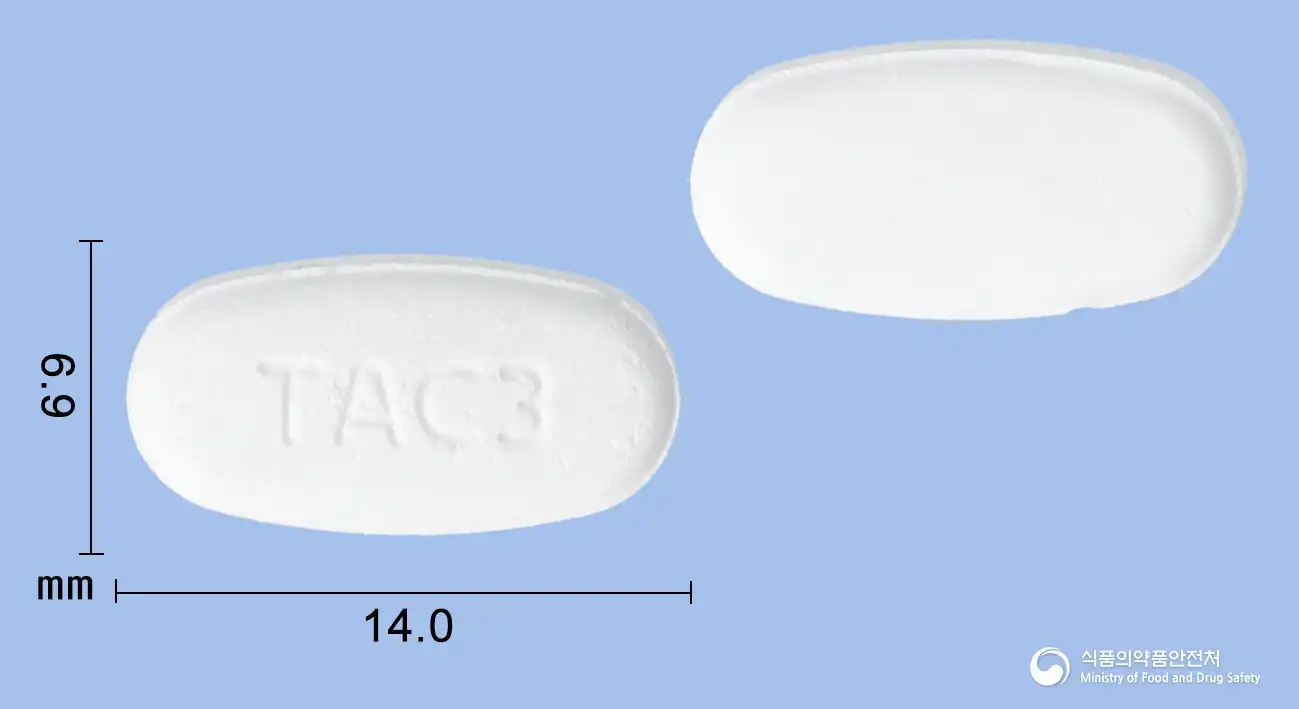 Combination
Telmisartan 40mg · Chlorthalidone 12.5mg +1 more
Prescription medication · Combination
Genupharm Co., Ltd.
Even with the same ingredient, the dose and directions can differ by strength and dosage form. Talk to a doctor or pharmacist before switching from a medication you are already taking.
No questions yet.
For anything that needs medical judgment, consult a doctor or pharmacist.
This drug information is based on data provided by the Korea Ministry of Food and Drug Safety.
Consult a doctor or pharmacist for accurate dosage, administration, and usage instructions.