
 한국어
 English
 日本語
 中文(简体)
 Viewing now
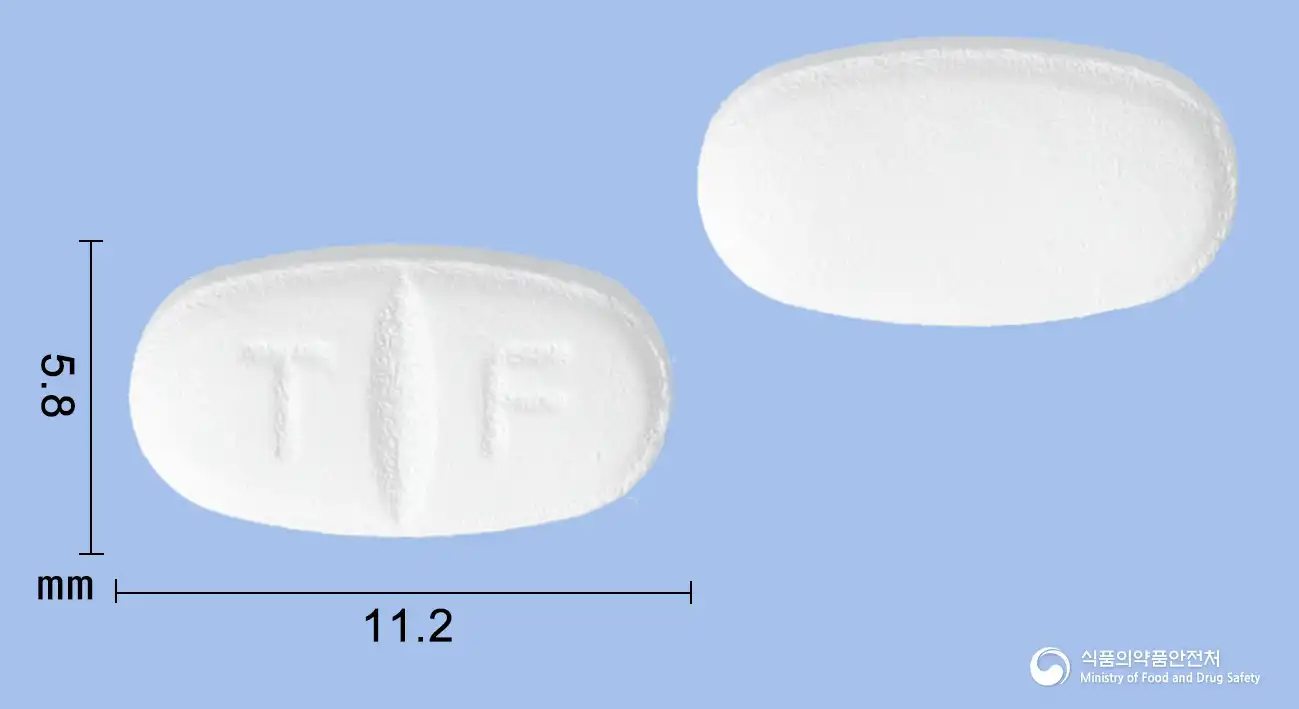
FurantuS Tablets (Franlucast Hydrate)
Pranlukast Hydrate 50mg
Tablet · Prescription medication
Teragen Etex Co., Ltd.
MFDS item code 202600144 · Approved 2026.01.15
Treatment of bronchial asthma and allergic rhinitis
This medication is used for the treatment of bronchial asthma and allergic rhinitis.
Adults: Administer 50mg of pranlukast hydrate orally twice daily, after breakfast and dinner. Adjust the dose as appropriate according to symptoms.
This medicine should not be used by anyone who is allergic to this medicine or any of its components. Additionally, this medicine contains lactose, so people with genetic issues such as galactose intolerance, Lapp lactase deficiency, or glucose-galactose malabsorption should not take it. While taking this medicine, serious allergic reactions such as shock or anaphylaxis may occur; immediately stop taking it and seek medical attention if symptoms such as low blood pressure, altered consciousness, difficulty breathing, or skin rash develop. Adverse effects related to blood may cause a decrease in white blood cells or platelets, and if symptoms like fever, sore throat, fatigue, or propensity to bleed occur, discontinue the medication and consult a doctor. This medication may affect liver function; discontinue and seek appropriate treatment if jaundice or elevated liver enzyme levels occur. Respiratory issues may arise, leading to symptoms such as fever, cough, difficulty breathing, or lung inflammation; if these symptoms occur, stop taking the medication and receive steroid treatment. Muscle pain or weakness and elevated muscle-related test values need careful monitoring; rhabdomyolysis-related kidney issues should also be concerning. Skin rashes or urticaria, itching, and rarely, erythema multiforme may occur; if these hypersensitivity reactions occur, stop the medication and seek treatment. Nervous system symptoms may include tremors, convulsions, agitation, anxiety, headaches, drowsiness, dizziness, insomnia, paresthesia, and taste disturbances, so caution is needed. Gastrointestinal symptoms such as nausea, abdominal pain, diarrhea, vomiting, heartburn, loss of appetite, constipation, and oral inflammation may occur. Cardiac-related adverse effects can rarely include arrhythmias, palpitations, or flushing of the face. Urinary symptoms, including proteinuria, hematuria, increased urinary frequency, or difficulties in urination, may occur rarely. Additional adverse effects such as stiffness, weakness, weight gain, hair loss, menstrual irregularities, swelling, and fatigue have been reported. When used for bronchial asthma or allergic rhinitis, side effects such as rash, itching, abdominal pain, diarrhea, and liver function abnormalities may occur; caution is advised. This medication is not designed to relieve an ongoing asthma attack, and patients must be informed of this. In more severe asthma attacks, bronchodilators or steroids may need to be used simultaneously. Patients receiving long-term steroid treatment should gradually adjust their dosage with caution when reducing steroid dosage with this medication. When discontinuing this medication, caution is warranted as the original condition may worsen. Serious inflammatory reactions such as vasculitis may occur during treatment, so eosinophil levels and related symptoms should be carefully monitored. Mental symptoms such as depression, suicidal thoughts, and aggressive behavior have been reported, so close observation of the patient’s condition after taking the medication is necessary. If no effect is observed, long-term use should be avoided. This medication is metabolized by a specific enzyme (CYP3A4) in the liver, so when taken with other drugs that affect this enzyme, blood concentrations may change, necessitating caution. Women who are pregnant or may become pregnant should only use this medication when the benefits outweigh the risks, as safety has not been established. Safety in children, especially low birth weight infants, neonates, or young children, has not been sufficiently confirmed. Elderly patients may require cautious usage as physical function may be diminished, so dosage should be reduced, if necessary. Finally, this medication should be kept out of reach of children, and transferring it to other containers may lead to accidents or deterioration in quality.
Not everyone experiences these, and they can vary from person to person.
This medicine should be stored in a tightly sealed container to prevent exposure to air and moisture. The safe storage temperature is between 1 to 30 degrees Celsius at room temperature. This will help maintain the medicine's effectiveness and safety over time.
White rectangular film-coated tablets
For domestic use - 30 tablets/bottle, for domestic use - 300 tablets/bottle
Even with the same ingredient, strength, dosage form and how it is taken can differ.
Viewing nowPranlukast Hydrate 50mg
Tablet · Prescription medication
Teragen Etex Co., Ltd.
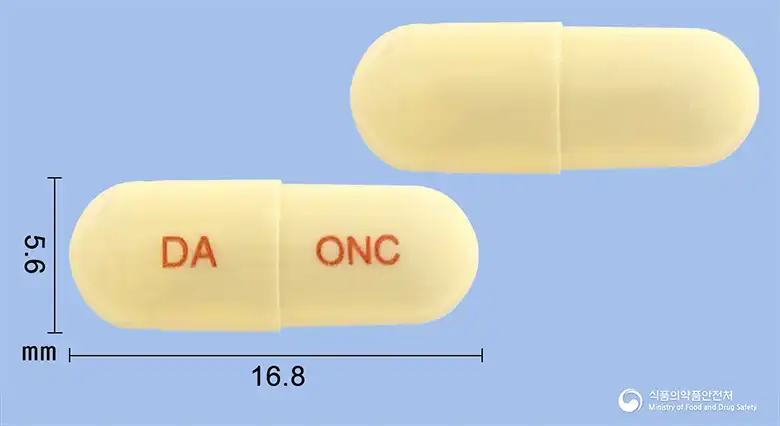
Pranlukast Hydrate 112.5mg
Hard capsule · Prescription medication
Dong-A ST Co., Ltd.
Pranlukast Hydrate
Prescription medication
Dong-A ST Co., Ltd.

Pranlukast Hydrate 112.5mg
Hard capsule · Prescription medication
SK Chemicals Co., Ltd.
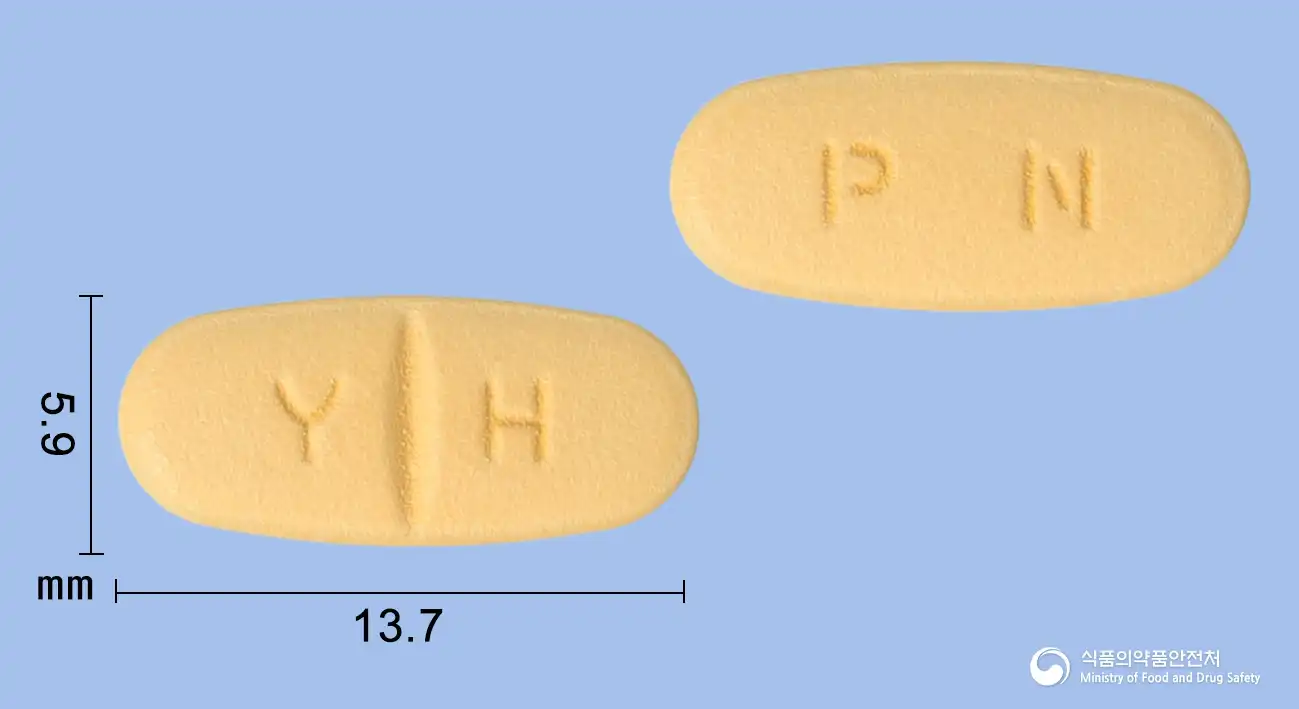
Pranlukast Hydrate 75mg
Tablet · Prescription medication
Yuhan Corporation
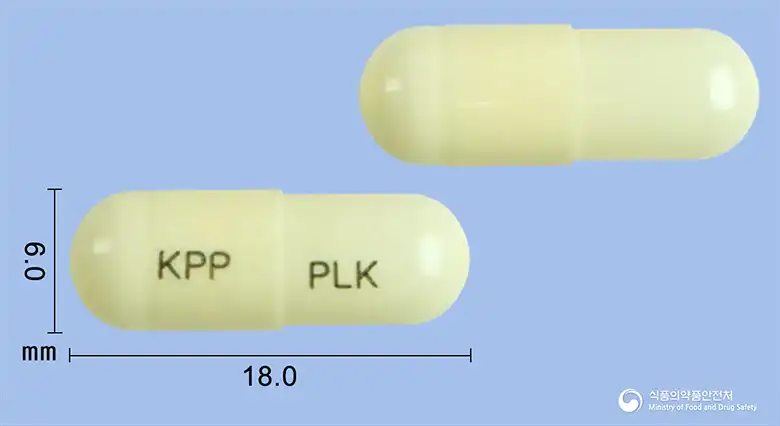
Pranlukast Hydrate 112.5mg
Hard capsule · Prescription medication
Korea Prime Pharmaceutical Co., Ltd.
Pranlukast Hydrate 10g
Syrup · Prescription medication
Sama Pharmaceutical Co., Ltd.
Pranlukast Hydrate 70mg
Prescription medication
Sama Pharmaceutical Co., Ltd.
Even with the same ingredient, the dose and directions can differ by strength and dosage form. Talk to a doctor or pharmacist before switching from a medication you are already taking.
No questions yet.
For anything that needs medical judgment, consult a doctor or pharmacist.
This drug information is based on data provided by the Korea Ministry of Food and Drug Safety.
Consult a doctor or pharmacist for accurate dosage, administration, and usage instructions.