
 한국어
한국어 English
 日本語
日本語 中文(简体)
 Viewing now
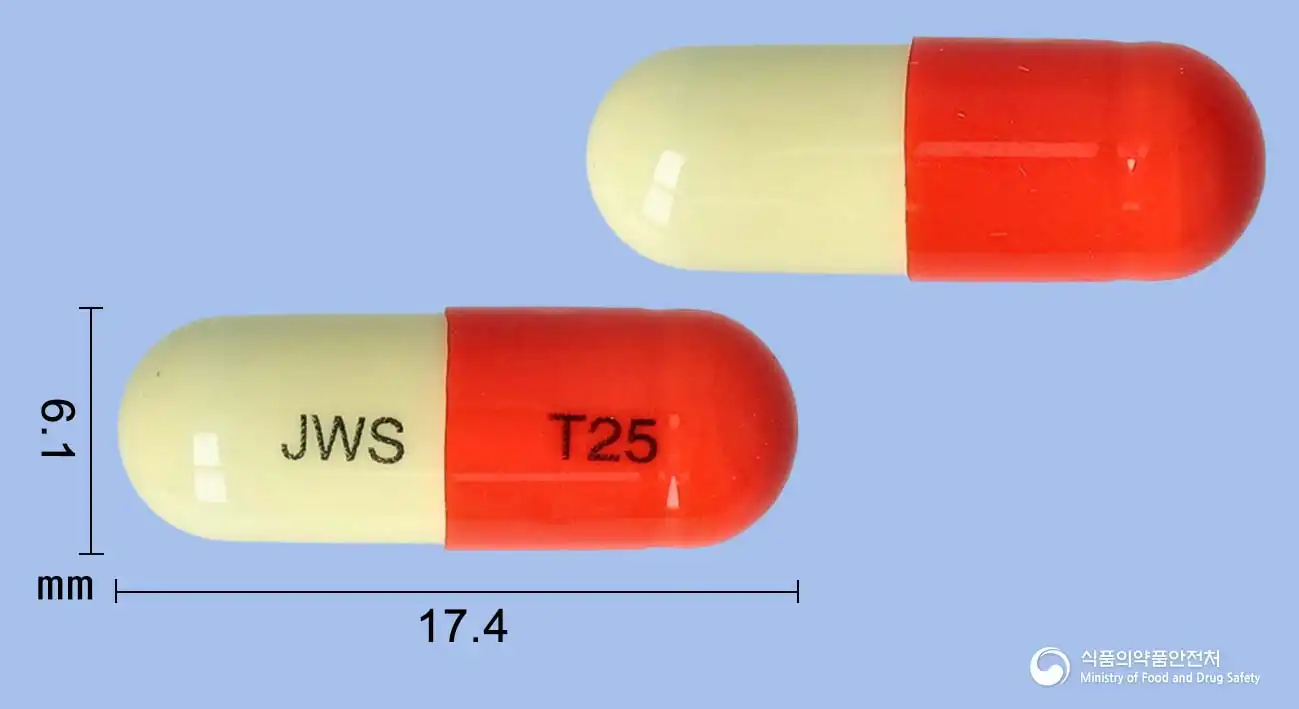
Tranexamic Acid Capsules (Tranexamic Acid)
Tranexamic Acid 250mg
Hard capsule · Prescription medication
JW Pharmaceutical Co., Ltd.
MFDS item code 202600108 · Approved 2026.01.12
Treatment of bleeding tendency due to systemic and local hyperfibrinolysis
This medication is used for bleeding tendencies associated with systemic hyperfibrinolysis, such as in conditions like leukemia, aplastic anemia, purpura, and cancer, as well as abnormal bleeding during or after surgery. It is also used for abnormal bleeding associated with local hyperfibrinolysis, such as pulmonary bleeding, genital bleeding, renal bleeding, and abnormal bleeding during or after prostate surgery.
As Tranexamic Acid, the usual adult dosage is 750–2000 mg per day divided into 3–4 doses. Adjustments may be made according to age and symptoms.
This medication should not be used in patients receiving thrombin or in those with severe renal failure. Patients with hypersensitivity to this drug or those with active thromboembolism should also avoid treatment. Patients who have thrombosis or are at risk for thrombosis, as well as those who are bedridden after surgery, should use this medication with caution. Particularly, renal failure patients require caution as the drug concentration may increase. This drug contains a dye called Yellow No. 5, and caution is needed in those who have an allergy to this ingredient. In rare cases, shock or hypersensitivity reactions such as skin rash or itching may occur; if such symptoms appear, stop using the drug immediately. Temporary color vision changes may occur, and if this happens, the medication should also be discontinued. Gastrointestinal symptoms such as loss of appetite, nausea, vomiting, diarrhea, and heartburn may occur. Drowsiness, headache, and serious side effects like thrombosis have been reported rarely, so careful monitoring is necessary. Patients with hereditary angioedema should regularly undergo eye examinations and liver function tests. Women with irregular menstrual bleeding should not use this drug until the cause of the bleeding is determined, and other treatments should be considered if it is ineffective. When used in combination with other drugs that affect thrombus formation, this drug may increase the risk of thrombus, so caution is advised during co-administration. Women using hormonal contraceptives may have an increased risk of thrombosis, so non-hormonal alternative contraceptive methods are recommended when using this medication. During pregnancy, as it can cross the placenta, it should be used cautiously, and during breastfeeding, although a small amount may be transferred into breast milk, it is believed to have no significant effect on the baby. Use in children under 15 years is limited in experience, so caution is required. Elderly patients have decreased bodily functions, necessitating caution with dosage adjustments. In case of overdose, symptoms such as nausea, vomiting, and hypotension may appear, requiring immediate treatment and adequate fluid intake, and anticoagulant therapy should be considered if there's a risk of thrombosis. Lastly, long-term high-dose administration has been reported to cause retinal changes in animal experiments, so caution is necessary for prolonged use.
Not everyone experiences these, and they can vary from person to person.
This medication should be stored in a tightly sealed container to prevent air ingress, and it is recommended to keep it at room temperature between 1 and 30 degrees. This storage condition helps maintain the drug's efficacy.
Hard capsule with white powder, upper orange and lower yellowish color
30 capsules/bottle, 100 capsules/bottle
Even with the same ingredient, strength, dosage form and how it is taken can differ.
Viewing nowTranexamic Acid 250mg
Hard capsule · Prescription medication
JW Pharmaceutical Co., Ltd.
Tranexamic Acid 50mg
Prescription medication
Jeil Pharmaceutical Co., Ltd.
Tranexamic Acid 100mg
Prescription medication
Jeil Pharmaceutical Co., Ltd.
Tranexamic Acid 500mg
Injections · Prescription medication
Shinpoong Pharmaceutical Co., Ltd.
Tranexamic Acid 100mg
Prescription medication
Korea Union Pharma Co., Ltd.
Tranexamic Acid 50mg
Prescription medication
Korea Union Pharmaceutical Co., Ltd.
Tranexamic Acid 250mg
Hard capsule · Prescription medication
Genupharm Co., Ltd.
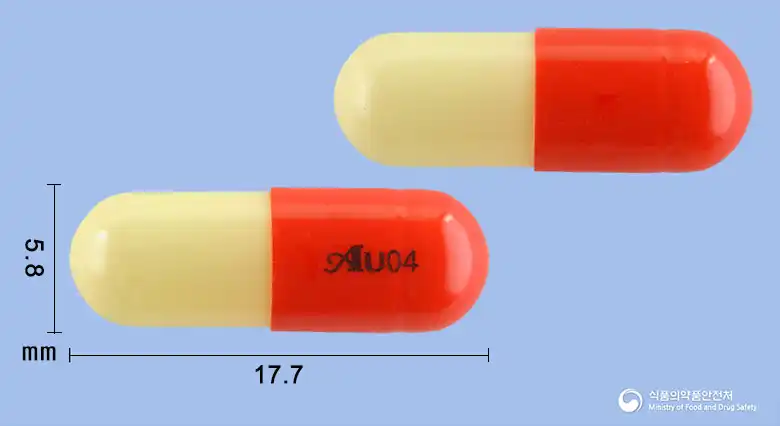
Tranexamic Acid 250mg
Hard capsule · Prescription medication
Austin Pharmaceutical Co., Ltd.
Even with the same ingredient, the dose and directions can differ by strength and dosage form. Talk to a doctor or pharmacist before switching from a medication you are already taking.
No questions yet.
For anything that needs medical judgment, consult a doctor or pharmacist.
This drug information is based on data provided by the Korea Ministry of Food and Drug Safety.
Consult a doctor or pharmacist for accurate dosage, administration, and usage instructions.