
 한국어
한국어 English
 日本語
日本語 中文(简体)
 Viewing now
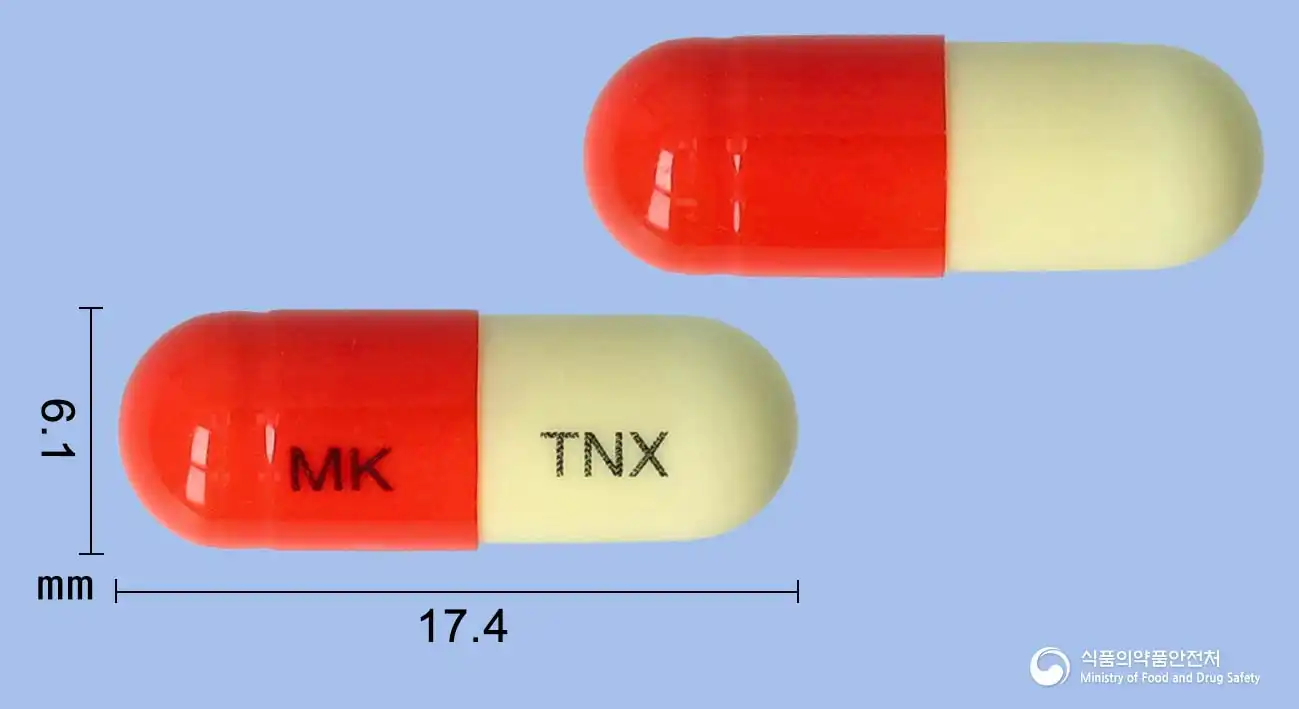
Tranexamic Acid Capsule (Tranexamic Acid)
Tranexamic Acid 250mg
Hard capsule · Prescription medication
Medica Korea Co., Ltd.
MFDS item code 202600102 · Approved 2026.01.12
Improvement of bleeding tendency due to systemic and local fibrinolysis enhancement.
This medication is used to improve bleeding tendency associated with systemic and local fibrinolysis enhancement. Systemic bleeding includes abnormal bleeding occurring during or after surgeries, as well as conditions such as leukemia, aplastic anemia, purpura, and cancer. Locally, it is effective for abnormal bleeding such as pulmonary hemorrhage, genital bleeding, renal bleeding, and abnormal bleeding during or after prostate surgery. This drug helps manage these various bleeding conditions to treat the bleeding tendency of patients.
As Tranexamic Acid, the usual adult dosage is 750-2000 mg per day, divided into 3-4 oral doses. Adjustments may be made according to age and symptoms.
This medication acts to prevent bleeding in the bloodstream. However, it should not be administered to patients taking another medication called thrombin. Patients with severely impaired kidney function should be cautious as the drug may accumulate in the body and pose risks. Patients with allergies to this drug or its components should not use it. This drug is also contraindicated in patients with active thromboembolic conditions, which involve the formation of clots that block blood vessels. Caution should be exercised for patients with thrombosis or at risk of thrombosis, and those with bleeding disorders. Patients lying in bed for long periods after surgery or receiving treatments that compress blood vessels are at high risk of developing clots, necessitating careful use of this medication. In patients with reduced kidney function, drug concentration may increase, requiring caution. Additionally, this medication contains the dye Yellow No. 5, so those with allergies to this component should use it with care. Severe allergic reactions or shock may rarely occur, so if abnormal symptoms appear, administration should be discontinued immediately, and appropriate treatment should be sought. Hypersensitivity reactions such as itching, rash, and facial flushing may also occur, and any of these symptoms should be reported. Temporary color vision disturbances may occur, and such symptoms should be carefully monitored. Cases of blood appearing in urine have been reported, as well as gastrointestinal symptoms like indigestion, nausea, vomiting, diarrhea, and heartburn, which may occasionally occur. Drowsiness, headaches, and the rare risk of thrombosis should also be noted. Patients with hereditary angioedema are advised to undergo regular eye examinations and liver function tests when taking this medication for extended periods. This drug should not be used in cases of abnormal menstrual bleeding until the cause of the bleeding is identified, and if this drug does not reduce the bleeding, alternative treatments should be considered. This medication can increase the risk of thrombosis when used with other drugs that affect blood coagulation, so great caution is advised when combining. Notably, combining it with thrombin, hemostatic agents, coagulation factors, or hormonal contraceptives can heighten the risk of thromboembolic conditions. It is recommended for patients using hormonal contraceptives to employ non-hormonal alternative contraceptive methods when taking this drug. During pregnancy, caution is needed as it can cross the placenta, and while it is known that a small amount is excreted in breast milk, it is believed to pose a low risk to infants. Caution is warranted when administering to children under 15 years of age due to insufficient experience. Elderly individuals may experience decreased bodily functions, therefore dose adjustments may be necessary. Overdosage may result in nausea, vomiting, and dizziness; in such cases, immediate treatment should be sought. Consideration for treatment to dilute blood may also be necessary when there is a risk of thrombosis. Lastly, in animal studies, long-term high-dose administration has caused abnormalities in the eyes, so caution is advised for long-term use.
Not everyone experiences these, and they can vary from person to person.
This medication should be stored in a tightly closed container to prevent exposure to air or moisture. It is best to maintain storage temperatures between 1 to 30 degrees Celsius to preserve the drug’s effectiveness over time.
An orange-colored hard capsule with a white powder inside.
Bottle - 30 capsules/bottle, Bottle - 100 capsules/bottle
Even with the same ingredient, strength, dosage form and how it is taken can differ.
Viewing nowTranexamic Acid 250mg
Hard capsule · Prescription medication
Medica Korea Co., Ltd.
Tranexamic Acid 50mg
Prescription medication
Jeil Pharmaceutical Co., Ltd.
Tranexamic Acid 100mg
Prescription medication
Jeil Pharmaceutical Co., Ltd.
Tranexamic Acid 500mg
Injections · Prescription medication
Shinpoong Pharmaceutical Co., Ltd.
Tranexamic Acid 100mg
Prescription medication
Korea Union Pharma Co., Ltd.
Tranexamic Acid 50mg
Prescription medication
Korea Union Pharmaceutical Co., Ltd.
Tranexamic Acid 250mg
Hard capsule · Prescription medication
Genupharm Co., Ltd.
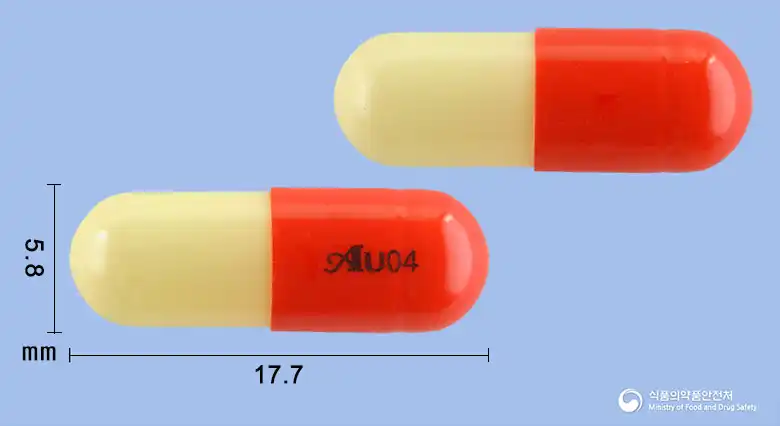
Tranexamic Acid 250mg
Hard capsule · Prescription medication
Austin Pharmaceutical Co., Ltd.
Even with the same ingredient, the dose and directions can differ by strength and dosage form. Talk to a doctor or pharmacist before switching from a medication you are already taking.
No questions yet.
For anything that needs medical judgment, consult a doctor or pharmacist.
This drug information is based on data provided by the Korea Ministry of Food and Drug Safety.
Consult a doctor or pharmacist for accurate dosage, administration, and usage instructions.