Medication info

Bonocan Tablets 10 mg (Bonoiprazan Toseal)

Prescription medicationTabletOral
Ingredient · strength
Vonoprazan Tosylate›14.985mg / 1 tablet
Manufacturer / importer
Kyungbo Pharmaceutical Co., Ltd.
Appearance
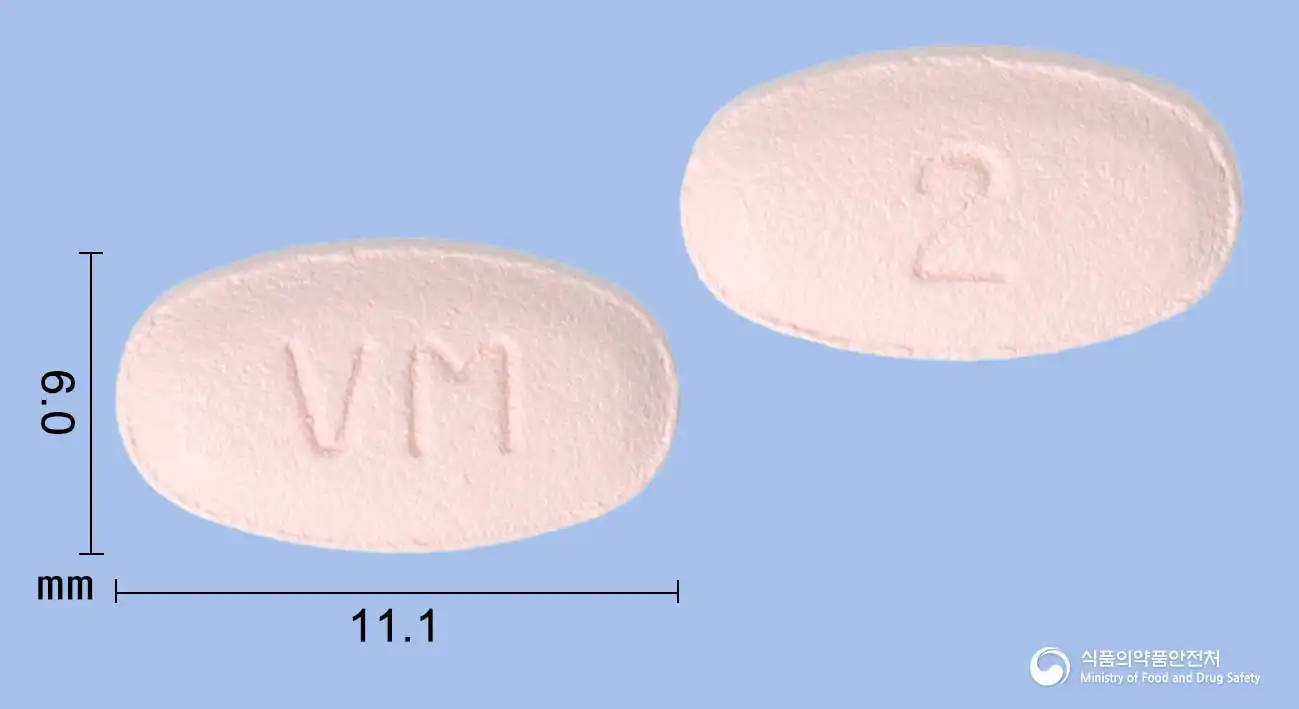
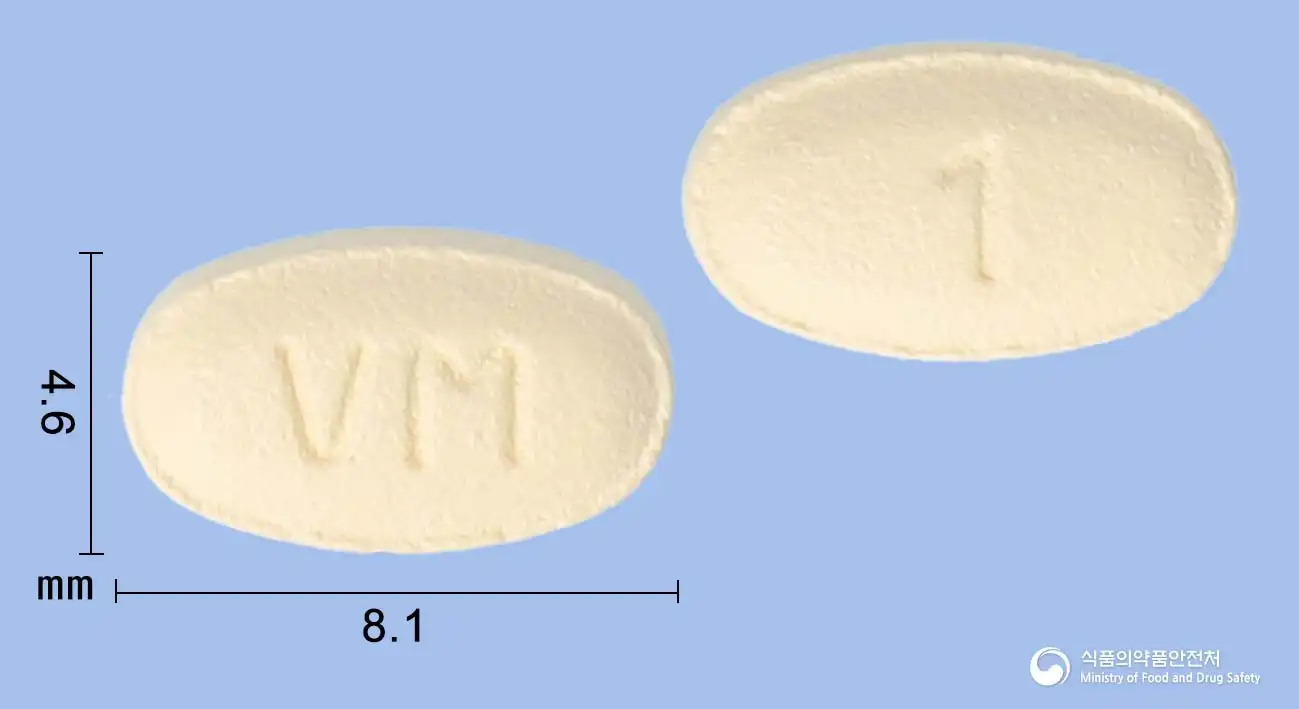
Pale yellow oval film-coated tablets
Packaging
30 tablets/bottle, 100 tablets/bottle
Approval status
Active

MFDS item code 202600068 · Approved 2026.01.09

Summary

Main use
Treatment and maintenance of erosive reflux disease, treatment of gastric ulcers, and prevention of NSAID-induced ulcer recurrence
Who takes it
Adults
Adult dose
○ Treatment of gastric ulcer Adults: Administer vonoprazan 20mg orally once daily. Treatment is usually given for up to 8 weeks. ○ Treatment of erosive gastroesophageal reflux disease and maintenance therapy after treatment Treatment: Adults: Administer vonoprazan 20 mg orally once daily. Treatment is usually given for up to 4 weeks. If the effect is insufficient, treatment may be continued for up to 8 weeks. Maintenance therapy: Administer 10 mg orally once daily. If the effect is insufficient, 20 mg may be administered orally once daily. ○ Prevention of recurrence of gastric or duodenal ulcers during administration of nonsteroidal anti-inflammatory drugs (NSAIDs) Adults: Administer vonoprazan 10mg orally once daily.

Ingredients

Manufacturer
Kyungbo Pharmaceutical Co., Ltd.

Efficacy & effects

Treatment and maintenance of erosive reflux disease, treatment of gastric ulcers, and prevention of NSAID-induced ulcer recurrence

  • Gastric ulcer
  • erosive gastroesophageal reflux disease
  • duodenal ulcer
View approved original text

This medication is used for the treatment of gastric ulcers and erosive gastroesophageal reflux disease. It is also effective for maintenance therapy after treating erosive gastroesophageal reflux disease. It helps prevent the recurrence of gastric ulcers or duodenal ulcers when taking non-steroidal anti-inflammatory drugs (NSAIDs). Therefore, it is used to improve gastrointestinal disorders and prevent recurrence.

How to take

Adult dose

○ Treatment of gastric ulcer Adults: Administer vonoprazan 20mg orally once daily. Treatment is usually given for up to 8 weeks. ○ Treatment of erosive gastroesophageal reflux disease and maintenance therapy after treatment Treatment: Adults: Administer vonoprazan 20 mg orally once daily. Treatment is usually given for up to 4 weeks. If the effect is insufficient, treatment may be continued for up to 8 weeks. Maintenance therapy: Administer 10 mg orally once daily. If the effect is insufficient, 20 mg may be administered orally once daily. ○ Prevention of recurrence of gastric or duodenal ulcers during administration of nonsteroidal anti-inflammatory drugs (NSAIDs) Adults: Administer vonoprazan 10mg orally once daily.

Precautions

This medication should not be used in patients with known allergies to specific ingredients or a history of hypersensitivity reactions. Additionally, patients taking certain medications including Atazanavir, Nelfinavir, and Rilpivirine should avoid combination with this drug. It should be administered cautiously to patients with renal impairment or liver dysfunction, as well as to the elderly. Symptoms of gastrointestinal disturbances, such as upper abdominal pain, constipation, diarrhea, nausea, and vomiting, may occur during treatment, so caution is advised. Immunological anomalies may lead to seasonal allergies or bronchitis. Long-term use of this medication may cause liver dysfunction or hepatotoxicity, so if symptoms of liver dysfunction appear, discontinuation is immediate required. Regular check-ups, such as endoscopy, are important during long-term use. Furthermore, since it can mask symptoms of gastric cancer, the state of the stomach should be accurately assessed before administration. Prolonged use at high doses may increase the risk of fractures due to osteoporosis, so elderly patients or those at risk should be careful. This medication alters gastric acidity and can affect the absorption of other drugs, so consultation with a professional is essential when taken with certain medications. Pregnant or breastfeeding women are advised not to take this medication unless absolutely necessary, as its safety has not been fully established. The safety and efficacy have not been confirmed in children, so its use is not recommended. The elderly should be particularly cautious as their liver and kidney functions may be diminished.

Side effects

  • Upper abdominal pain
  • constipation
  • cavities
  • diarrhea
  • gastric polyp
  • gastritis
  • nausea
  • stomatitis
  • vomiting
  • peripheral edema
Show 150 more
  • seasonal allergies
  • bronchitis
  • gastroenteritis
  • influenza
  • nasopharyngitis
  • esophageal candidiasis
  • periodontitis
  • pharyngitis
  • sinusitis
  • contusion
  • fall
  • ligament sprain
  • procedure-related bleeding
  • alanine aminotransferase elevation
  • blood creatine phosphokinase elevation
  • increased blood triglycerides
  • increased blood uric acid
  • γ-glutamyltransferase elevation
  • joint pain
  • lower back pain
  • osteoarthritis
  • periarthritis
  • dizziness
  • insomnia
  • allergic rhinitis
  • upper respiratory tract inflammation
  • contact dermatitis
  • eczema
  • anemia
  • iron deficiency anemia
  • aortic valve dysfunction
  • atrial fibrillation
  • right bundle branch block
  • vertigo
  • subacute thyroiditis
  • corneal detachment
  • dry eyes
  • eyelid eczema
  • open-angle glaucoma
  • abdominal discomfort
  • abdominal distension
  • lower abdominal pain
  • abdominal pain
  • irregular bowel movements
  • appendicitis
  • cheilitis
  • duodenal polyp
  • small intestine colitis
  • discomfort in the upper abdomen
  • fecal discoloration
  • bloating
  • functional gastrointestinal disorder
  • gastric bleeding
  • gastric mucosal lesions
  • erosive gastritis
  • hemorrhagic gastritis
  • abnormal gastric sounds
  • gastroesophageal reflux disease
  • glossitis
  • hemorrhoids
  • oral sensory alteration
  • intestinal obstruction
  • colon polyp
  • lip erosion
  • salivary gland pain
  • chest pain
  • facial swelling
  • malaise
  • edema
  • polyp
  • fever
  • thirst
  • drug-induced liver damage
  • abnormal liver function
  • otitis media
  • pneumonia
  • subcutaneous abscess
  • facial tinea
  • muscle injury
  • aspartate aminotransferase elevation
  • eosinophilia
  • increased blood alkaline phosphatase
  • increased blood bilirubin
  • increased blood cholesterol
  • decreased blood iron
  • increased blood iron
  • elevated blood lactate dehydrogenase
  • increased blood magnesium
  • increased blood potassium
  • increased blood urea
  • presence of hematuria
  • eosinophilia
  • presence of glucosuria
  • liver enzyme elevation
  • abnormal liver function tests
  • lymphopenia
  • neutropenia
  • neutrophilia
  • presence of proteinuria
  • abnormal kidney function tests
  • increased vitamin B12
  • leukopenia
  • leukocytosis
  • diabetes
  • gout
  • hypertriglyceridemia
  • hyperuricemia
  • type 2 diabetes
  • muscle weakness
  • cervical pain
  • polyarthritis
  • rotator cuff syndrome
  • bladder cancer
  • gastric adenoma
  • malignant fibrous histiocytoma
  • malignant neoplasm of the renal pelvis
  • headache
  • sensory impairment
  • peripheral neuropathy
  • cochlear hemorrhage
  • drowsiness
  • ureteral stones
  • frequent urination
  • asthma
  • laryngeal pain
  • oropharyngeal discomfort
  • vascular edema
  • dermatitis
  • erythema
  • petechiae
  • itchy rash
  • pruritus
  • generalized rash
  • rash
  • urticaria
  • blue toe syndrome
  • hypertension
  • drug hypersensitivity
  • urticaria
  • drug eruption
  • pancytopenia
  • agranulocytosis
  • leukopenia
  • thrombocytopenia
  • hepatotoxicity
  • jaundice
  • rash
  • erythema multiforme
  • Stevens-Johnson syndrome
  • toxic epidermal necrolysis

Not everyone experiences these, and they can vary from person to person.

Storage

This medication is sensitive to light, so it should be stored in a light-shielded container. Additionally, avoid storing it in places that are too hot or too cold, and it is best to store it at room temperature between 1 degree and 30 degrees Celsius.

Appearance and packaging

Appearance

Pale yellow oval film-coated tablets

Package unit

30 tablets/bottle, 100 tablets/bottle

Same-ingredient medicines

Even with the same ingredient, strength, dosage form and how it is taken can differ.

Even with the same ingredient, the dose and directions can differ by strength and dosage form. Talk to a doctor or pharmacist before switching from a medication you are already taking.

Questions about this medicine

No questions yet.

For anything that needs medical judgment, consult a doctor or pharmacist.

Related searches

Search tags

Suggested searches

This drug information is based on data provided by the Korea Ministry of Food and Drug Safety.
Consult a doctor or pharmacist for accurate dosage, administration, and usage instructions.