
 한국어
한국어 English
 日本語
日本語 中文(简体)
 Viewing now
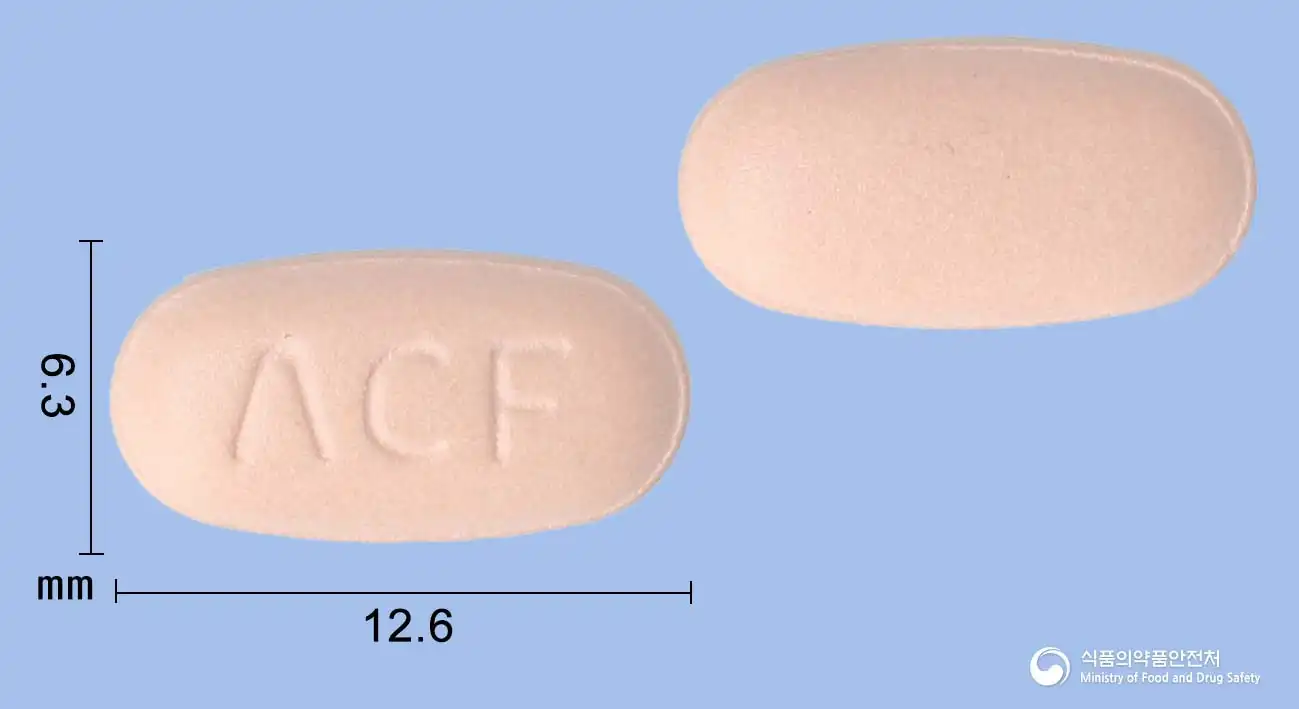
Allerand 120 mg (Fexofenadine Hydrochloride)
Fexofenadine Hydrochloride 120mg
Tablet · OTC medication
Allico Pharmaceutical Co., Ltd.
MFDS item code 202600006 · Notified 2026.01.02
Relief of allergy symptoms
This medication is used to relieve symptoms such as nasal congestion, sneezing, and itching caused by allergic rhinitis.
Adults and adolescents over 12 years of age take 120 mg of fexofenadine hydrochloride orally once daily before meals with water. Patients with renal impairment take 60 mg orally once daily before meals with water.
Children under 12 years of age are not administered this medication due to insufficient data on safety and efficacy.
This medication should not be used by patients who are allergic to this drug or its components. Patients with impaired kidney function or elderly individuals, as well as those with heart-related conditions or a history of such conditions, should use this medication with caution. Headache is the most common side effect, and symptoms like drowsiness, dizziness, and nausea may occasionally occur. Rarely, fatigue, insomnia, irritability, sleep disturbances, and nightmares may occur, and allergic reactions such as skin rashes or hives may also be present. In severe cases, symptoms like shock, difficulty breathing, low blood pressure, angioedema, chest pain, and skin flushing may appear, so if any of these symptoms occur, discontinue use immediately and seek medical treatment. Liver function may be affected, so if symptoms of elevated liver enzymes appear, discontinue use and consult a healthcare provider. Neurologically, headache and dizziness may frequently occur, and gastrointestinally, nausea may be common, along with a general feeling of fatigue. Additionally, rare reports of angioedema, chest tightness, difficulty breathing, rapid heartbeat, diarrhea, skin flushing, and itching have been noted. In patients with reduced kidney function, the concentration of this medication in the body may increase, necessitating dosage adjustments, and the elderly should be particularly cautious about potential kidney function decline. This medication does not significantly affect the ability to drive or operate machinery, but individuals sensitive to the drug should check their condition after taking it. The drug is not extensively metabolized in the liver, resulting in minimal hepatic drug interactions; however, coadministration with certain antifungal agents or antibiotics may increase blood levels, so monitoring is advised. Taking antacids containing aluminum or magnesium hydroxide can reduce the absorption of this medication, so it is advisable to take antacids two hours before or after this medication. Taking with fruit juices like grapefruit juice, orange juice, or apple juice may reduce the efficacy of this medication, so it is recommended to take it with water. Women who are pregnant or may become pregnant should carefully consider the risks to the fetus against the benefits of treatment when taking this medication, and breastfeeding women are advised to avoid using this medication while nursing. The safety and efficacy of this medication in children under 12 years or neonates have not been established, so caution is advised in usage. This medication should be stored out of reach of children and not transferred to other containers.
Hives, angioedema, chest tightness, difficulty breathing, systemic hypersensitivity reaction (anaphylaxis), shock, chest discomfort, difficulty breathing, angioedema, flushing, liver dysfunction (elevations in jaundice and AST, ALT, γ-GTP, ALP, LDH), jaundice
Not everyone experiences these, and they can vary from person to person.
This medication should be stored in a tightly sealed container to prevent exposure to air or moisture. Additionally, it is important to maintain a storage temperature between 1 to 30 degrees Celsius. This helps to preserve the efficacy of the medication and prevent degradation.
Pale pink, oval film-coated tablet
10 tablets/PTP
Even with the same ingredient, strength, dosage form and how it is taken can differ.
Viewing nowFexofenadine Hydrochloride 120mg
Tablet · OTC medication
Allico Pharmaceutical Co., Ltd.
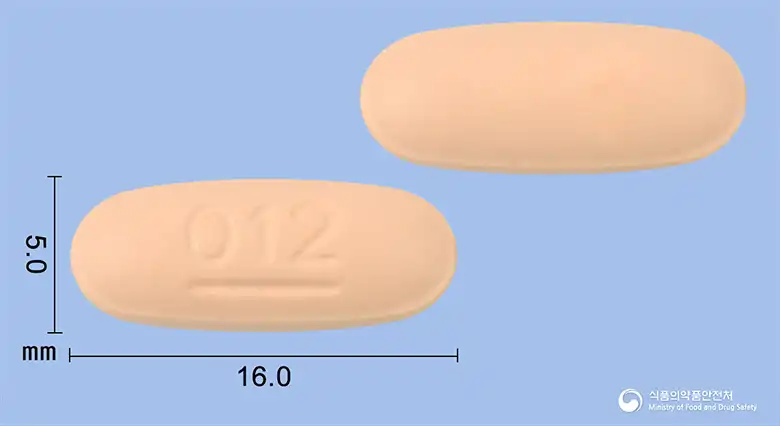
Fexofenadine Hydrochloride 120mg
Tablet · OTC medication
HanDoc Co., Ltd.
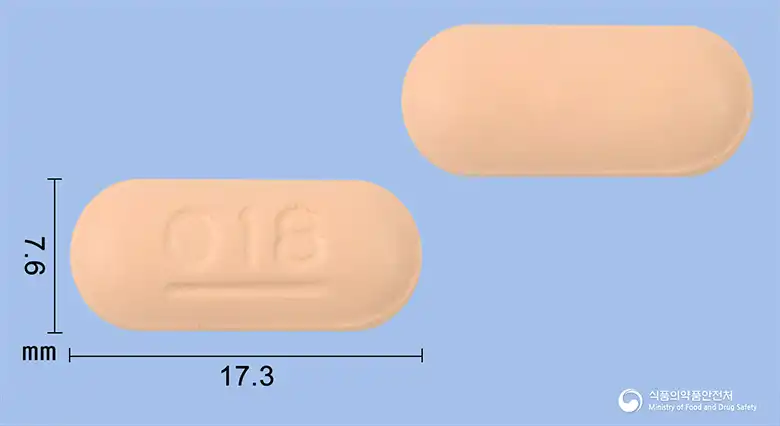
Fexofenadine Hydrochloride 180mg
Tablet · Prescription medication
Handok Co., Ltd.
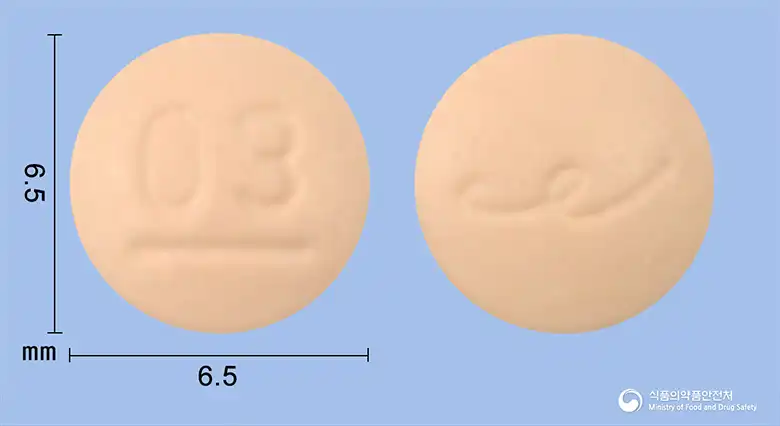
Fexofenadine Hydrochloride 30mg
Tablet · Prescription medication
Handok Co., Ltd.
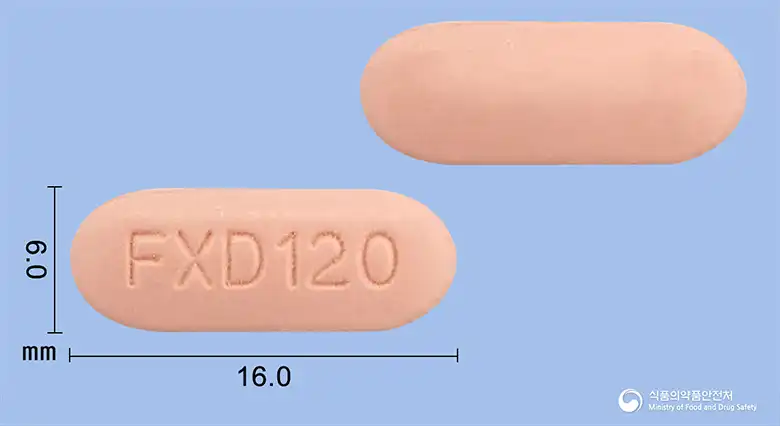
Fexofenadine Hydrochloride 120mg
Tablet · OTC medication
Jongkundang Co., Ltd.
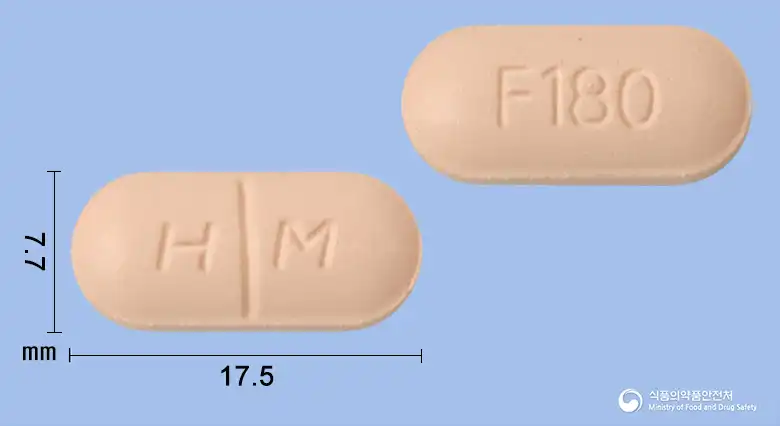
Fexofenadine Hydrochloride 180mg
Tablet · Prescription medication
Hanmi Pharmaceutical Co., Ltd.
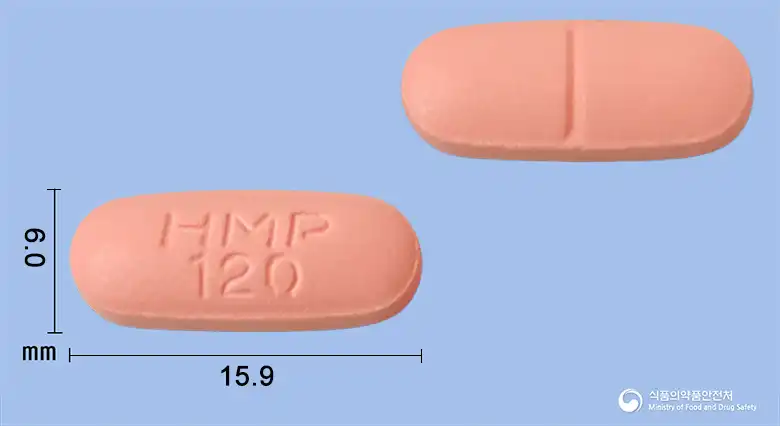
Fexofenadine Hydrochloride 120mg
Tablet · OTC medication
Hanmi Pharmaceutical Co., Ltd.
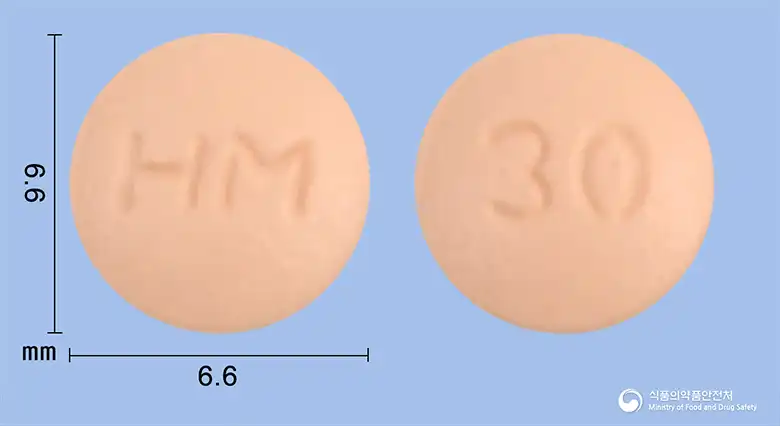
Fexofenadine Hydrochloride 30mg
Tablet · Prescription medication
Hanmi Pharmaceutical Co., Ltd.
Even with the same ingredient, the dose and directions can differ by strength and dosage form. Talk to a doctor or pharmacist before switching from a medication you are already taking.
No questions yet.
For anything that needs medical judgment, consult a doctor or pharmacist.
This drug information is based on data provided by the Korea Ministry of Food and Drug Safety.
Consult a doctor or pharmacist for accurate dosage, administration, and usage instructions.