
 한국어
한국어 English
 日本語
日本語 中文(简体)
 Viewing now
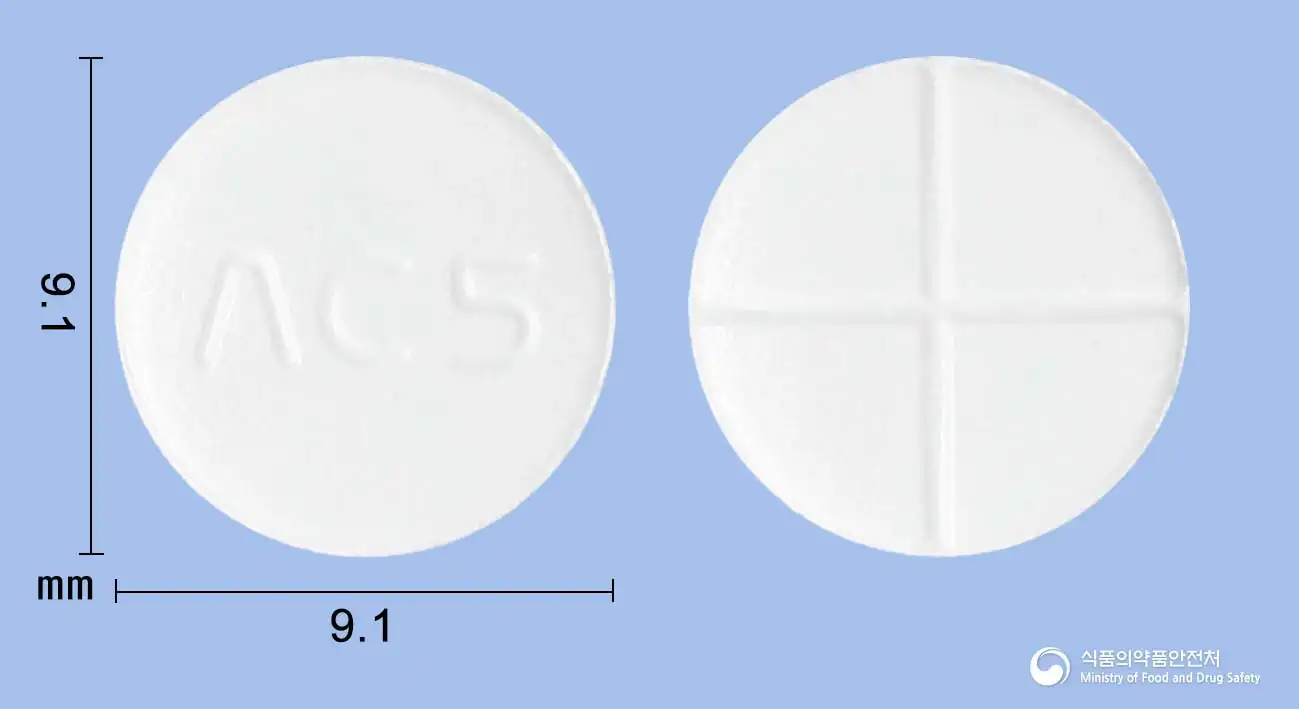
Alvistol Tablet 5 mg (Nebivolol Hydrochloride)
Nebivolol Hydrochloride 5.45mg
Tablet · Prescription medication
Allico Pharmaceutical Co., Ltd.
MFDS item code 202503343 · Approved 2025.12.22
Adjunctive treatment effect for essential hypertension and chronic heart failure (in the elderly)
This medication is used to treat essential hypertension and stabilize blood pressure. It is also used adjunctively to standard therapy in patients aged 70 and over with chronic heart failure, especially those with mild to moderate stable chronic heart failure, to improve heart failure symptoms.
1. Essential hypertension Nebivolol 5 mg orally once daily at the same time each day. Can be taken with food. 2. Patients with renal impairment Initial dose is 2.5 mg of Nebivolol orally once daily, with a possible increase to 5 mg per day as needed. 3. Elderly patients For patients aged 65 and over, the initial dose is 2.5 mg orally once daily, with an increase to 5 mg as necessary. Caution is advised for those aged 75 and over.
This medication should not be used in certain patients. For example, patients who are allergic to this medication, or those with cardiac or pulmonary issues such as bronchial asthma, severe heart failure, and hypotension should not take this medication. Additionally, pregnant or nursing women should not take this medication. This medication contains lactose, so caution is also needed for patients with lactose intolerance. This medication should be used cautiously in individuals with certain conditions like chronic respiratory diseases, uncontrolled heart failure, hyperthyroidism, and diabetes. During treatment, various side effects such as headache, dizziness, bradycardia, hypotension, dyspepsia, shortness of breath, and skin rash may arise, so if any unusual symptoms occur, consult medical personnel immediately. This medication may interact with other drugs, so it is essential to follow medical guidance when taken with calcium channel blockers, antiarrhythmics, central nervous system drugs, insulin, etc. When discontinuing this medication, do not stop abruptly; instead, taper off gradually, and it is safest to discontinue at least 24 hours before surgery. In case of overdose, severe bradycardia, hypotension, bronchospasm, etc., may occur, so immediate emergency treatment is necessary, and professional treatment such as atropine may be required. Elderly patients should start with a low dose and be closely monitored, and safety and efficacy in children have not been established, so it is not recommended.
Not everyone experiences these, and they can vary from person to person.
This medication should be stored in a tightly sealed container to prevent exposure to air or moisture. It is advisable to maintain a storage temperature between 1 and 30 degrees Celsius. This helps retain the medication's efficacy for a longer period.
White round tablet
30 tablets/bottle, 500 tablets/bottle
Even with the same ingredient, strength, dosage form and how it is taken can differ.
Viewing nowNebivolol Hydrochloride 5.45mg
Tablet · Prescription medication
Allico Pharmaceutical Co., Ltd.
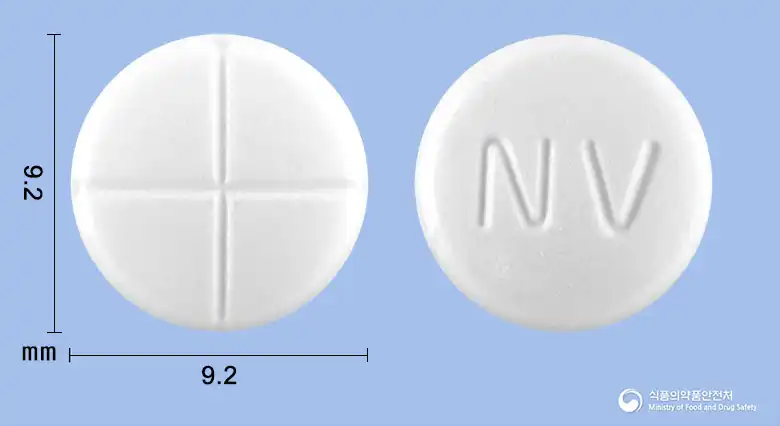
Nebivolol Hydrochloride 5.45mg
Tablet · Prescription medication
Chodang Pharmaceutical Co., Ltd.
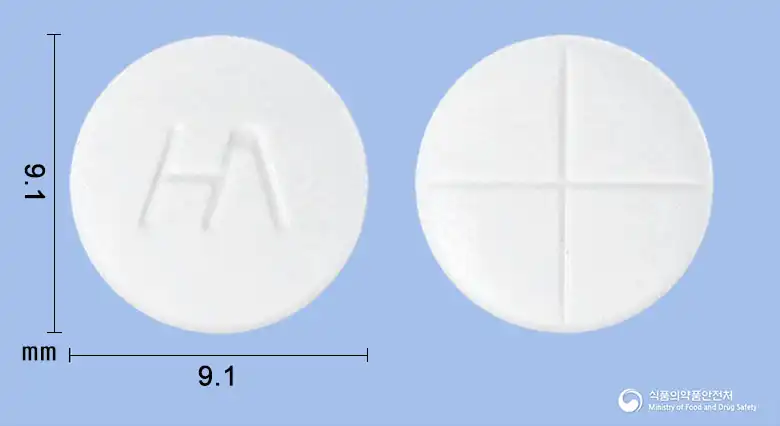
Nebivolol Hydrochloride 5.45mg
Tablet · Prescription medication
Hanol Bio Pharma Co., Ltd.
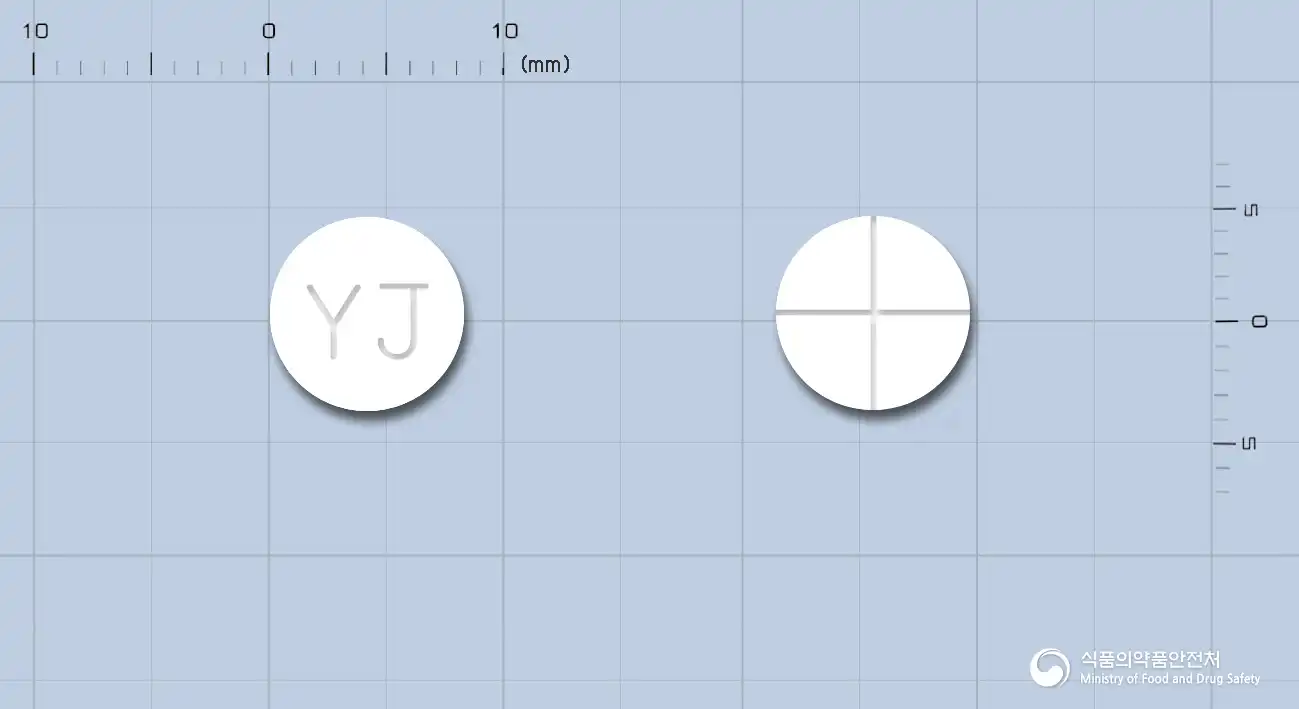
Nebivolol Hydrochloride 5.45mg
Tablet · Prescription medication
Youngjin Pharmaceutical Co., Ltd.
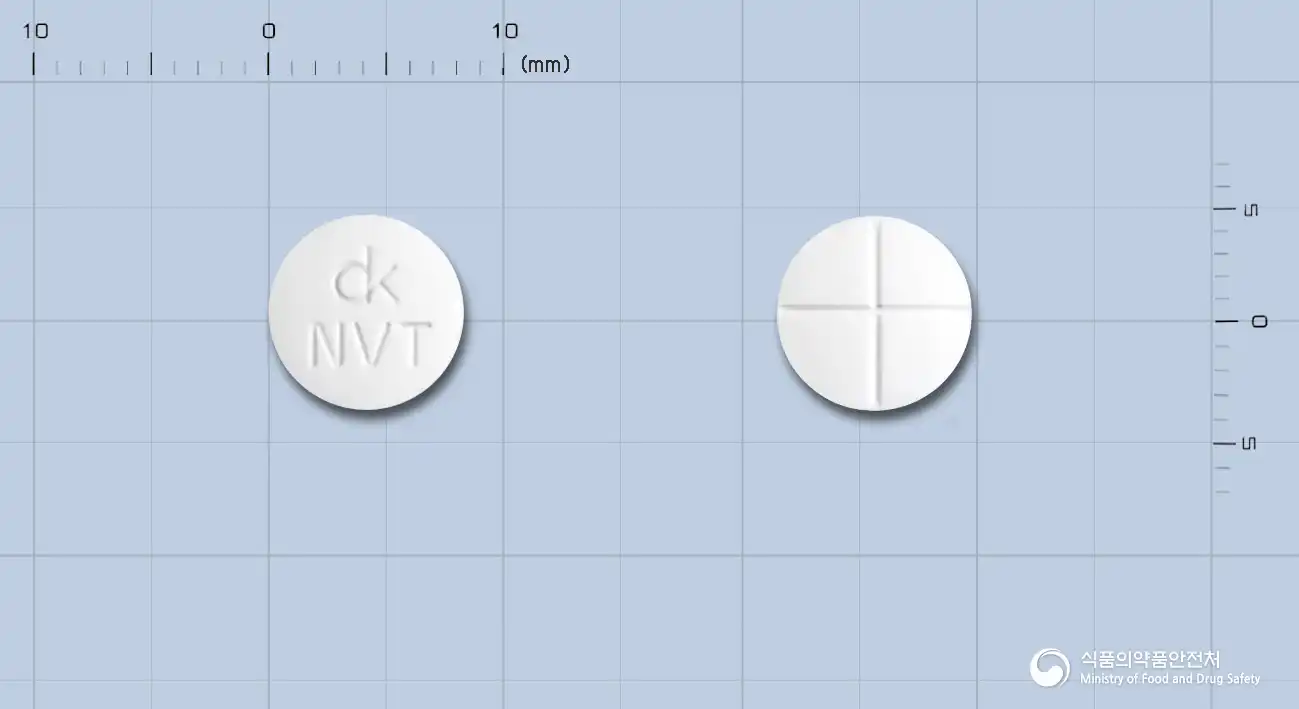
Nebivolol Hydrochloride 5.45mg
Tablet · Prescription medication
Dongkuk Pharmaceutical Co., Ltd.
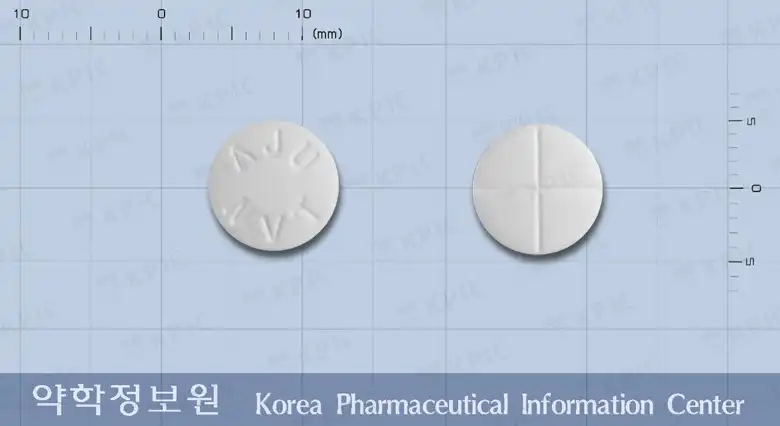
Nebivolol Hydrochloride 5.45mg
Tablet · Prescription medication
Aju Pharmaceuticals Co., Ltd.
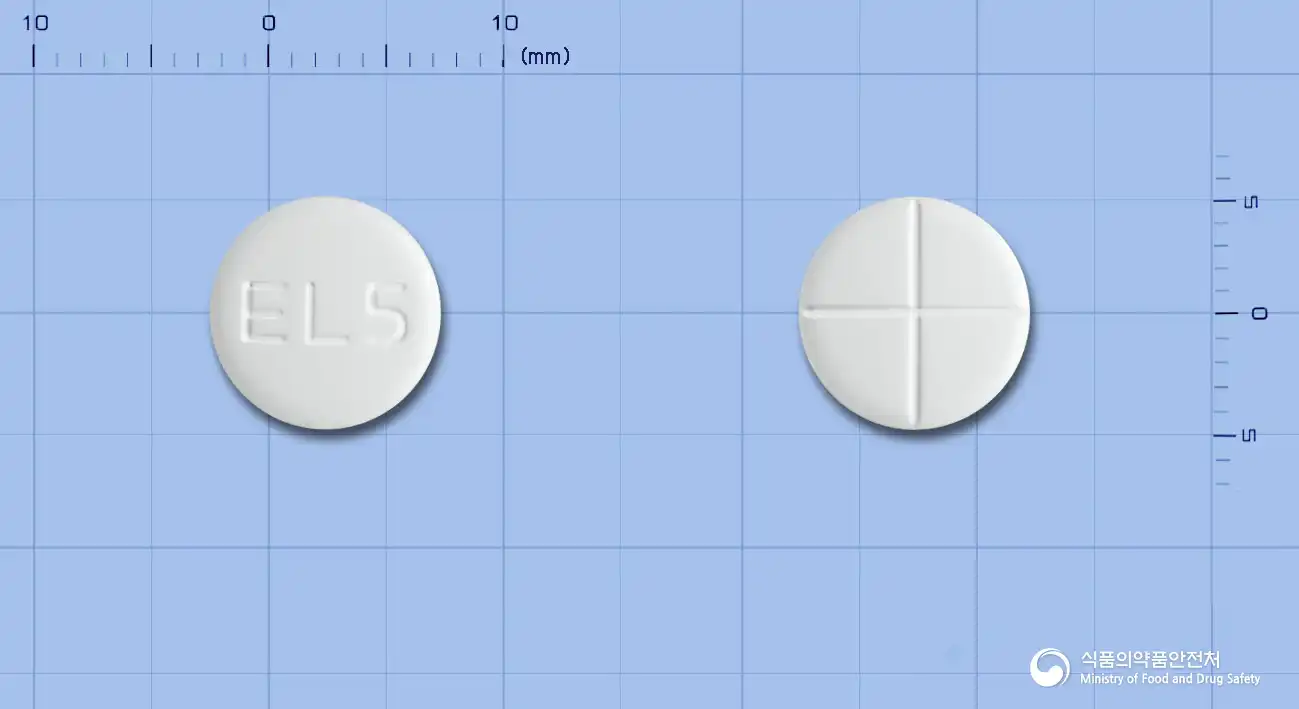
Nebivolol Hydrochloride 5.45mg
Tablet · Prescription medication
Ellison Pharmaceutical Co., Ltd.
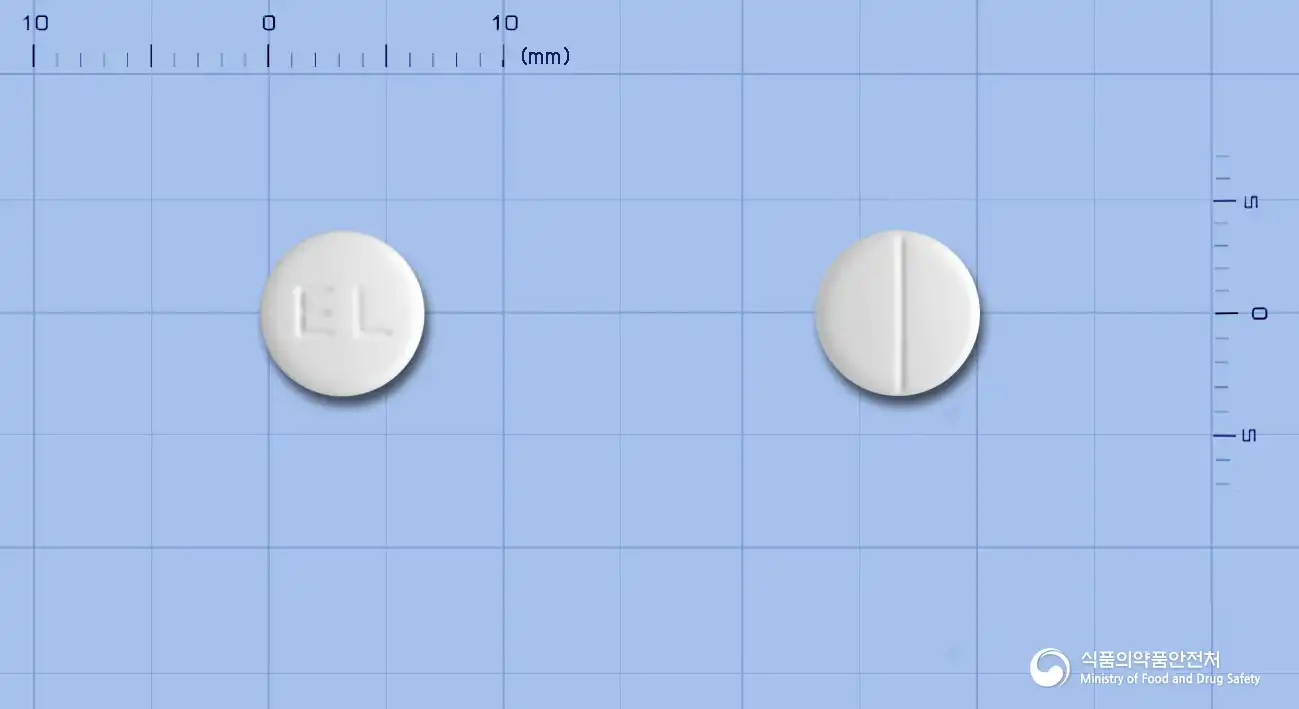
Nebivolol Hydrochloride 2.725mg
Tablet · Prescription medication
Erison Pharm Co., Ltd.
Even with the same ingredient, the dose and directions can differ by strength and dosage form. Talk to a doctor or pharmacist before switching from a medication you are already taking.
No questions yet.
For anything that needs medical judgment, consult a doctor or pharmacist.
This drug information is based on data provided by the Korea Ministry of Food and Drug Safety.
Consult a doctor or pharmacist for accurate dosage, administration, and usage instructions.