
 한국어
 English
 日本語
 中文(简体)
 Viewing now
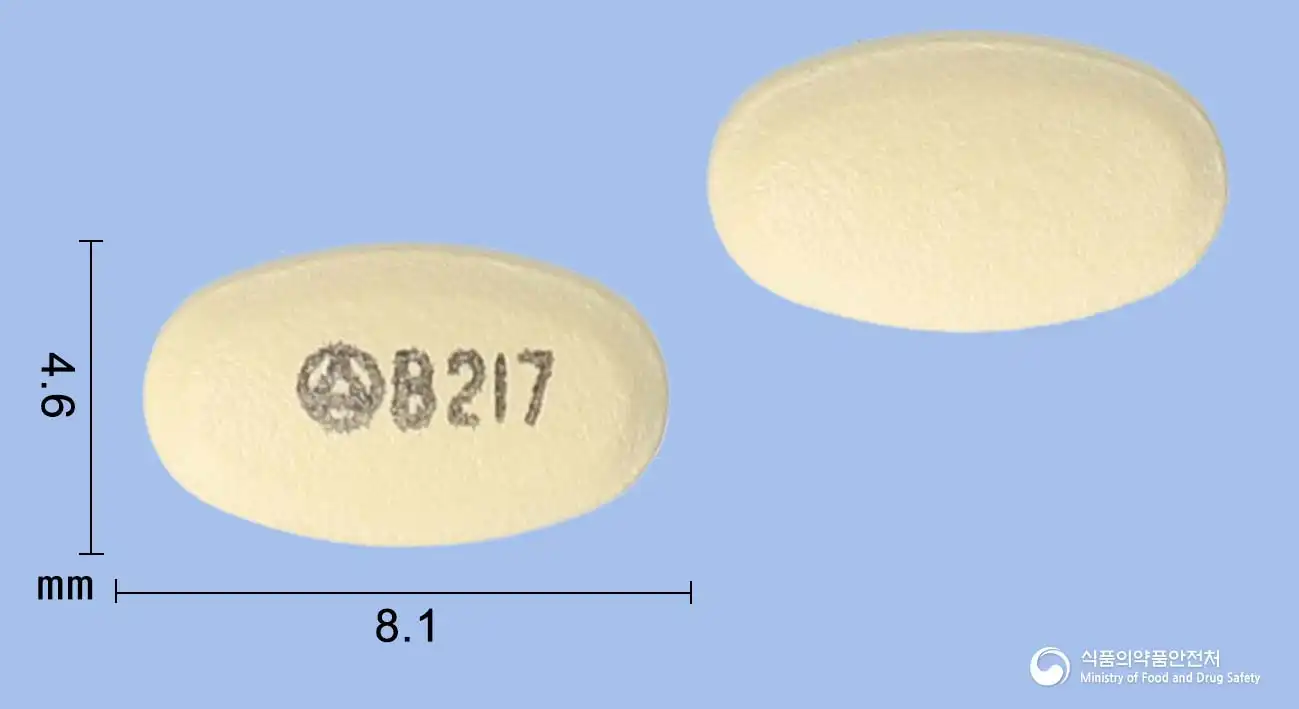
Boshin-T Tablet 10 mg (Vonoprazan Fumarate)
Vonoprazan Fumarate 13.36mg
Tablet · Prescription medication
Takeda Pharmaceuticals Korea Co., Ltd.
MFDS item code 202503333 · Approved 2025.12.19
Treatment and maintenance of erosive reflux disease, treatment of gastric ulcers, and prevention of NSAID-induced ulcer recurrence
This medicine is effective in treating gastric ulcers and erosive gastroesophageal reflux disease. In addition, it is used for maintenance therapy to prevent recurrence after treatment for erosive gastroesophageal reflux disease. Furthermore, it helps prevent the recurrence of gastric ulcers or duodenal ulcers that may occur during the use of non-steroidal anti-inflammatory drugs (NSAIDs). It is used to protect the patient's gastric health and improve symptoms.
● Treatment of gastric ulcers Administer 20 mg of vonoprazan orally once daily to adults. Treatment is generally given for up to 8 weeks. ● Treatment of erosive gastroesophageal reflux disease and maintenance therapy after treatment Treatment: Administer 20 mg of vonoprazan orally once daily to adults. Treatment is generally given for up to 4 weeks. If the effect is insufficient, treatment may be continued for up to 8 weeks. Maintenance therapy: Administer 10 mg once daily. If the effect is insufficient, 20 mg may be administered once daily. ● Prevention of recurrence of gastric or duodenal ulcers during administration of nonsteroidal anti-inflammatory drugs (NSAIDs) Administer 10 mg of vonoprazan orally once daily to adults.
This medicine should not be used by patients who have had an allergic reaction to this medicine or its components. Additionally, if taken with certain antiviral medications, the effectiveness of the drug may be reduced, so co-administration should be avoided. Care should be taken when using this medicine in patients with poor kidney or liver function, as well as in the elderly. While taking this medicine, symptoms such as abdominal pain, constipation, diarrhea, and nausea may occur, so caution is needed. Liver dysfunction may occur, so if there are changes in liver function test results or symptoms, consult a healthcare professional immediately. Regular examinations such as endoscopy may be required for long-term use, and the potential for masking symptoms of gastric cancer should be verified before administration. In particular, caution should be exercised in the elderly or patients taking high doses for a long time, as the risk of fractures may be increased. This medicine reduces gastric acidity and may affect the absorption of other medications, so it is important to inform healthcare professionals about any concomitant medications. Pregnant women or those who may become pregnant are advised to avoid using this medicine unless there are special circumstances. Breastfeeding mothers should avoid breastfeeding during treatment, as this medicine may be excreted in breast milk. Safety in children has not been established, so it should not be used in children as a principle. When taking the medication, the packaged tablet should be taken out for administration, and care should be taken not to swallow the packaging. By adhering to these precautions, this medicine can be used more safely.
Not everyone experiences these, and they can vary from person to person.
This medicine should be stored in a sealed container to protect it from air and moisture. It is advisable to maintain a storage temperature between 1 to 30 degrees Celsius. This will help maintain the efficacy and safety of the medication.
Light yellow oval film-coated tablet
100 tablets/box [10 tablets/PTP × 10]
Even with the same ingredient, strength, dosage form and how it is taken can differ.
Viewing nowVonoprazan Fumarate 13.36mg
Tablet · Prescription medication
Takeda Pharmaceuticals Korea Co., Ltd.
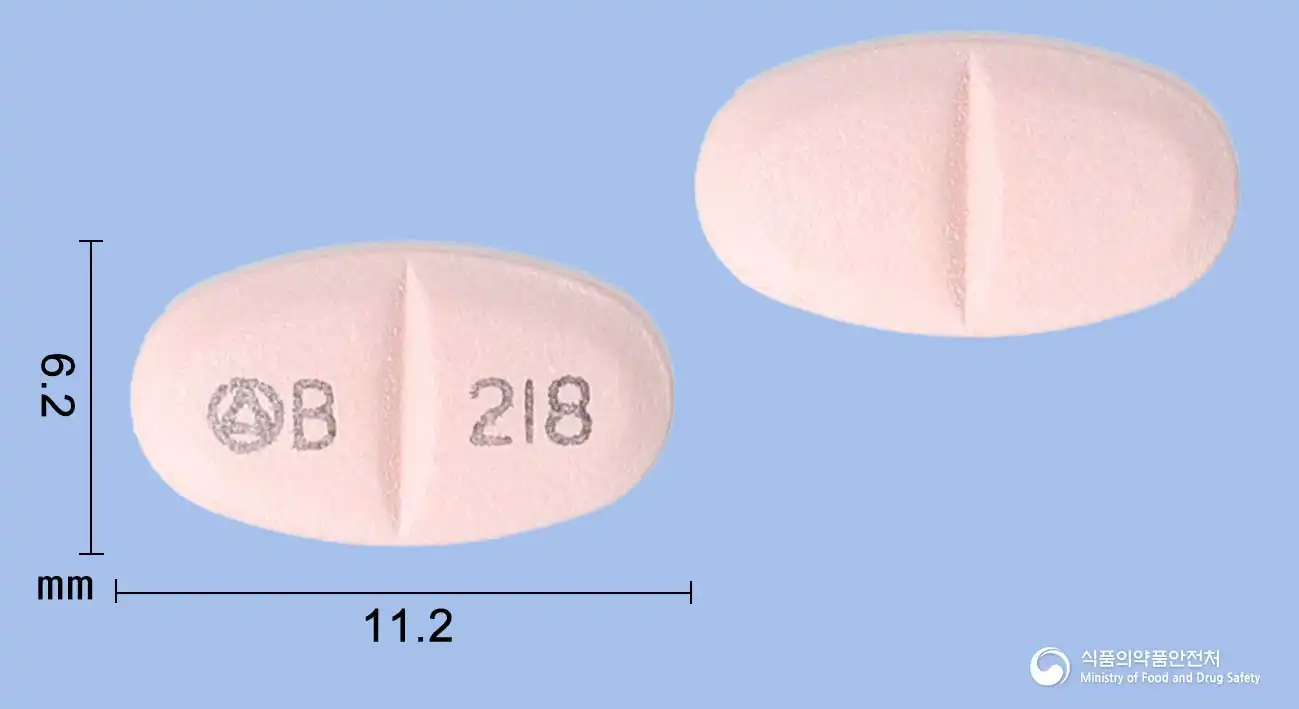
Vonoprazan Fumarate 26.72mg
Tablet · Prescription medication
Takeda Korea Co., Ltd.
Vonoprazan Fumarate 13.36mg
Tablet · Prescription medication
Takeda Korea Pharmaceutical Co., Ltd.
Vonoprazan Fumarate 26.72mg
Tablet · Prescription medication
Dongkwang Pharmaceutical Co., Ltd.
Vonoprazan Fumarate 13.36mg
Tablet · Prescription medication
Dongkwang Pharmaceutical Co., Ltd.
Vonoprazan Fumarate 26.72mg
Tablet · Prescription medication
Korea Takeda Pharmaceutical Co., Ltd.
Vonoprazan Fumarate 26.72mg
Tablet · Prescription medication
White Life Science Co., Ltd.
Even with the same ingredient, the dose and directions can differ by strength and dosage form. Talk to a doctor or pharmacist before switching from a medication you are already taking.
No questions yet.
For anything that needs medical judgment, consult a doctor or pharmacist.
This drug information is based on data provided by the Korea Ministry of Food and Drug Safety.
Consult a doctor or pharmacist for accurate dosage, administration, and usage instructions.