Medication info
DUBIMPA Tablet 0.5/10 mg (Lobeglitazone, Empagliflozin)

DUBIMPA Tablet 0.5/10 mg (Lobeglitazone, Empagliflozin)

Prescription medicationTablet
Ingredient · strength
Empagliflozin L-Proline›12.55mg / 1 tabletLobeglitazone Sulfate›0.5mg / 1 tablet
Manufacturer / importer
JW Pharmaceutical Corp.
Appearance
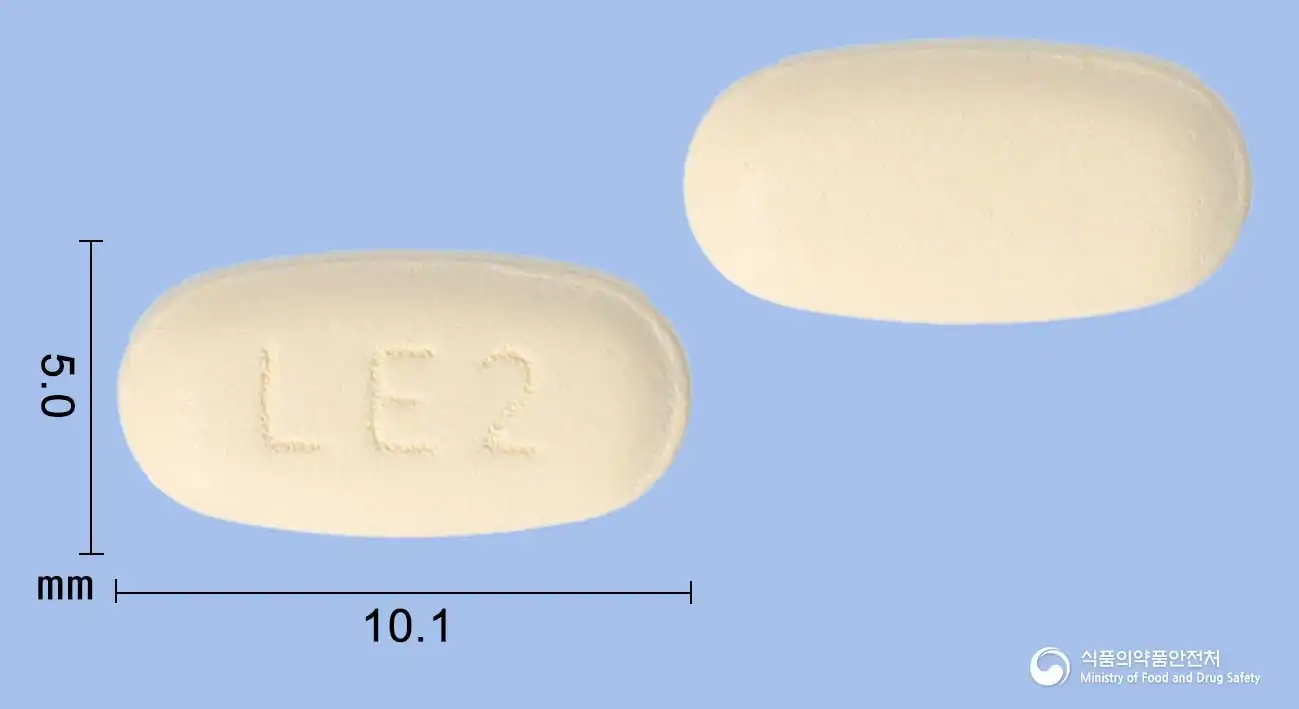
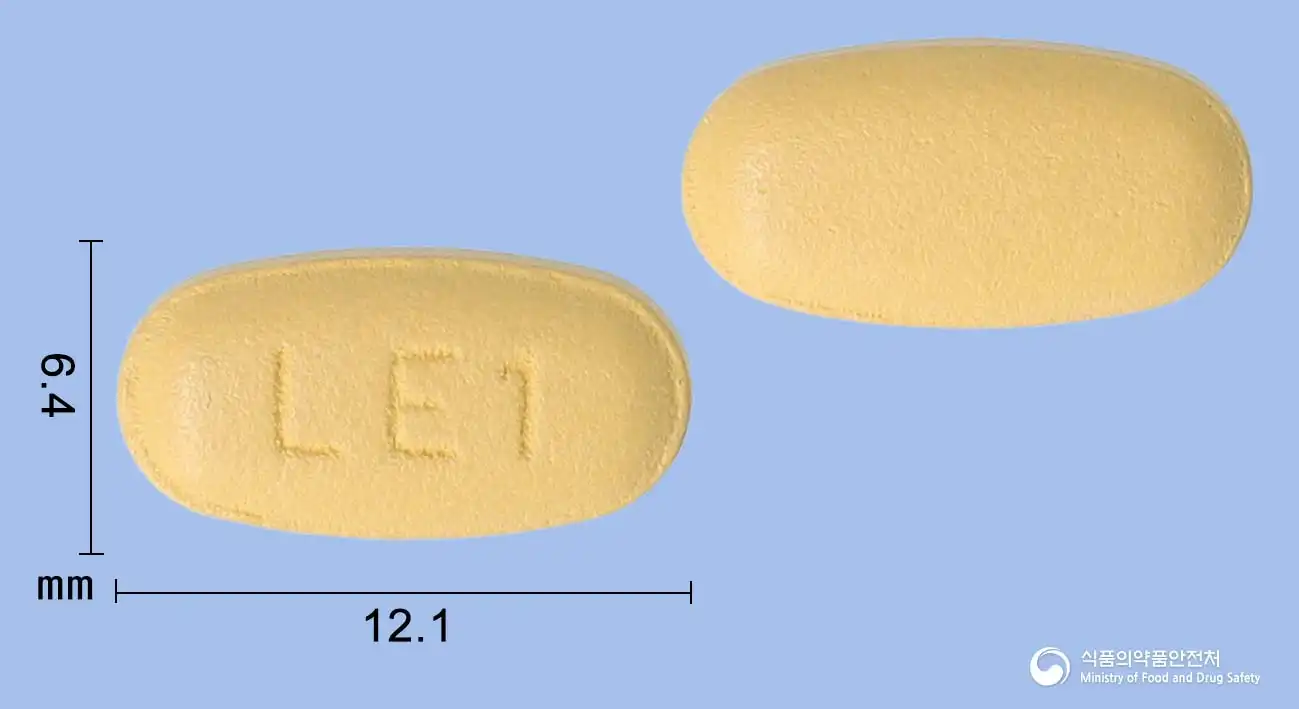
Pale yellow oval film-coated tablet
Packaging
30 tablets/bottle
Approval status
Active

MFDS item code 202503331 · Approved 2025.12.19

Summary

Main use
Improvement of glycemic control in adults with type 2 diabetes mellitus
Who uses it
Adults
Adult dosage
This medicine may be administered to patients with type 2 diabetes receiving lobeglitazone sulfate 0.5mg and empagliflozin 10mg, or lobeglitazone sulfate 0.5mg and empagliflozin 25mg, as 1 tablet once daily with or without food. Do not split the tablet. Patients with renal impairment Assessment of renal function is recommended before and periodically after starting this medicine. This medicine is not recommended for patients with an estimated glomerular filtration rate (eGFR) below 45 mL/min/1.73m2. No dose adjustment is necessary for patients with an estimated glomerular filtration rate (eGFR) of 45 mL/min/1.73m2 or higher. Do not use this medicine in patients with end-stage renal disease (ESRD) or undergoing dialysis, as efficacy is not expected.

Ingredients

Manufacturer
JW Pharmaceutical Corp.

Efficacy & effects

Improvement of glycemic control in adults with type 2 diabetes mellitus

View approved original text

This medication is taken to help adults with type 2 diabetes control their blood sugar when used together with Lobeglitazone and Empagliflozin. It helps manage blood sugar effectively alongside diet and exercise therapy. This medication plays an important role in diabetes treatment by improving blood sugar levels.

Dosage and Administration

Adult dosage

This medicine may be administered to patients with type 2 diabetes receiving lobeglitazone sulfate 0.5mg and empagliflozin 10mg, or lobeglitazone sulfate 0.5mg and empagliflozin 25mg, as 1 tablet once daily with or without food. Do not split the tablet. Patients with renal impairment Assessment of renal function is recommended before and periodically after starting this medicine. This medicine is not recommended for patients with an estimated glomerular filtration rate (eGFR) below 45 mL/min/1.73m2. No dose adjustment is necessary for patients with an estimated glomerular filtration rate (eGFR) of 45 mL/min/1.73m2 or higher. Do not use this medicine in patients with end-stage renal disease (ESRD) or undergoing dialysis, as efficacy is not expected.

Precautions

This medication contains Lobeglitazone, one of the active ingredients that may put strain on the heart, so caution is advised in patients with heart failure. If symptoms of heart failure such as sudden weight gain, shortness of breath, or edema occur, immediate consultation with a physician is necessary. Patients with severe heart failure should not take this medication. Additionally, this medication may cause edema due to fluid retention in the body, so regular monitoring of symptoms is required. Patients with severely impaired liver or kidney function, diabetic ketoacidosis, or severe infections should not take this medication. Caution should be exercised when taken with other blood glucose-lowering agents or in premenopausal women, patients with edema, mild heart failure, or weak kidney function. The ingredient Empagliflozin is affected by kidney function, therefore kidney function tests are necessary before and during treatment. If blood sugar control is not adequate or symptoms of hypoglycemia occur, particularly if taken with insulin or sulfonylureas, caution is advised. This medication may increase the risk of genital and urinary tract infections, and immediate treatment should be sought if any infection symptoms appear. Moreover, there is a risk of dehydration or low blood pressure; thus, if there is significant fluid loss, it is necessary to consult a physician to adjust the medication. If symptoms of liver dysfunction (fatigue, loss of appetite, jaundice, etc.) occur, immediate consultation with a physician is necessary, and regular liver function tests are also required. Premenopausal women should use appropriate contraception as this medication may induce ovulation. There may be risks of weight gain and fractures, thus it is advisable to periodically check weight and bone health. This medication is taken once daily, and if a dose is missed, do not take double the dose the next day. Caution should be exercised when driving or operating machinery due to potential decrease in alertness caused by hypoglycemia. Finally, if symptoms such as sudden weight gain, edema, or shortness of breath occur during the use of this medication, immediately inform the physician.

Side effects

  • Congestive heart failure
  • excessive and rapid weight change
  • dyspnea
  • edema
  • constipation
  • indigestion
  • chronic gastritis
  • abdominal discomfort
  • abdominal pain
  • duodenal ulcer
Show 206 more
  • nausea
  • embedded teeth
  • arthralgia
  • osteoporosis
  • bone pain
  • intervertebral disc disorders
  • intervertebral disc prolapse
  • musculoskeletal pain
  • limb pain
  • spinal canal stenosis
  • cystitis
  • nasopharyngitis
  • dermatitis infection
  • onychomycosis
  • otitis media
  • periodontitis
  • pharyngitis
  • sensory impairment
  • cerebral infarction
  • headache
  • perception abnormalities
  • dermatitis
  • contact dermatitis
  • diabetic foot
  • pruritus
  • urticaria
  • diabetic retinopathy
  • dry eyes
  • eye inflammation
  • eye pruritus
  • uveitis
  • facial swelling
  • thoracic discomfort
  • edema
  • peripheral edema
  • genital pruritus
  • benign prostatic hyperplasia
  • vulvar pruritus
  • decreased thyroid-stimulating hormone
  • positive Helicobacter test
  • gout
  • hyperglycemia
  • dysuria
  • urgency
  • cough
  • hearing loss
  • arteriosclerosis
  • edema
  • weight gain
  • anemia
  • pancytopenia
  • hypoglycemia
  • vulvar myelitis
  • vulvitis
  • balanitis
  • genital infection
  • increased urination
  • dysuria
  • interstitial nephritis
  • thirst
  • increased serum lipids
  • elevated serum creatinine
  • increased hematocrit
  • ketoacidosis
  • urosepsis
  • pyelonephritis
  • rash
  • urticaria
  • angioedema
  • perineal necrosis
  • diarrhea
  • gastric ulcer
  • colitis
  • vomiting
  • ischemic colitis
  • gastrointestinal bleeding
  • soft tissue infection
  • appendiceal abscess
  • appendicitis
  • meningitis
  • chronic otitis media
  • peritonsillar abscess
  • pneumonia
  • pulmonary tuberculosis
  • acute pyelonephritis
  • sepsis
  • subcutaneous abscess
  • adnexal-ovarian abscess
  • vestibular neuritis
  • acute kidney injury
  • ureteral calculus
  • cervical inflammation
  • hyponatremia
  • diabetes mellitus
  • diabetic foot
  • back pain
  • glaucoma
  • pathological myopia
  • retinal detachment
  • retinal vein occlusion
  • exudative retinal detachment
  • limb injury
  • sternum fracture
  • angina
  • Prinzmetal angina
  • coronary artery disease
  • deep vein thrombosis
  • acute cholecystitis
  • autoimmune hepatitis
  • cholelithiasis
  • male perineal pain
  • atrial fibrillation
  • ventricular premature contractions
  • cerebral aneurysm
  • discoid lupus erythematosus
  • bruising
  • anxiety
  • depression
  • sleep disorders
  • otalgia
  • postural dizziness
  • dizziness
  • anemia
  • lymphadenopathy
  • hypothyroidism
  • thyroid nodule
  • postural vertigo
  • amnesia
  • carotid stenosis
  • diabetic neuropathy
  • facial paralysis
  • intracranial aneurysm
  • memory impairment
  • neuralgia
  • Parkinsonism
  • polyneuropathy
  • drowsiness
  • CNS-origin vertigo
  • fatigue
  • peripheral swelling
  • fever
  • facial swelling
  • chills
  • strange sensations
  • edema
  • pain
  • pain at the site of puncture
  • vascular stent stenosis
  • vascular stent thrombosis
  • chest pain
  • weight loss
  • vulvar pruritus
  • genital pruritus
  • dyslipidemia
  • hypoglycemia
  • decreased appetite
  • somnolence
  • obesity
  • diabetes mellitus
  • hyperlipidemia
  • hyponatremia
  • vitamin D deficiency
  • dermoid cyst
  • seborrheic dermatitis
  • atopic dermatitis
  • nummular eczema
  • heat rash
  • sebaceous gland hyperplasia
  • hair loss
  • skin peeling
  • lumbar spinal canal stenosis
  • myalgia
  • musculoskeletal chest pain
  • cervical stenosis
  • fibromyalgia
  • flank pain
  • fracture pain
  • muscle weakness
  • osteoarthritis
  • low back pain
  • astigmatism
  • allergic conjunctivitis
  • blurred vision
  • corneal erosion
  • eye discomfort
  • eye congestion
  • macular fibrosis
  • ocular infection
  • epistaxis
  • age-related dyspnea
  • wet cough
  • allergic rhinitis
  • epistaxis
  • skin laceration
  • contusion
  • rib fracture
  • concussion
  • corneal abrasion
  • falls
  • hand fracture
  • iliolumbar ligament syndrome
  • open globe injury
  • pelvic fracture
  • unstable angina
  • hypertension
  • insomnia

Not everyone experiences these, and they can vary from person to person.

Storage

This medication should be stored in a sealed container to protect it from air and moisture. Additionally, avoid excessively hot or cold places, and it is best to store it at room temperature between 1 to 30 degrees Celsius.

Appearance and packaging

Appearance

Pale yellow oval film-coated tablet

Package unit

30 tablets/bottle

Same-ingredient medicines

Even with the same ingredient, strength, dosage form and how it is taken can differ.

Even with the same ingredient, the dose and directions can differ by strength and dosage form. Talk to a doctor or pharmacist before switching from a medication you are already taking.

Questions about this medicine

No questions yet.

For anything that needs medical judgment, consult a doctor or pharmacist.

Related searches

Search tags

Suggested searches

This drug information is based on data provided by the Korea Ministry of Food and Drug Safety.
Consult a doctor or pharmacist for accurate dosage, administration, and usage instructions.